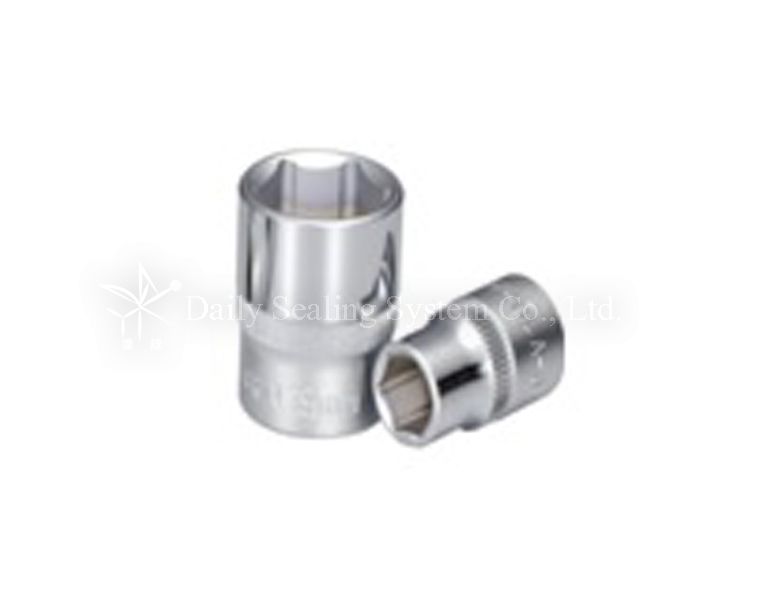
- Detail
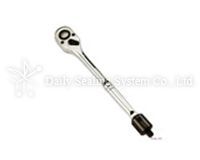
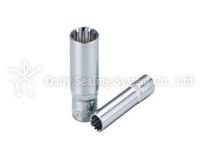
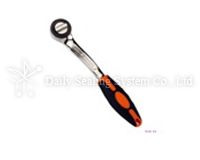
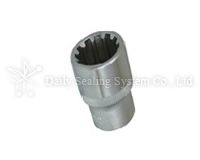
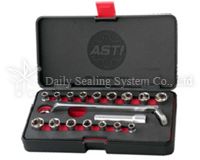
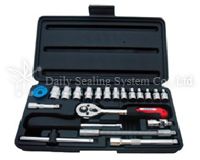
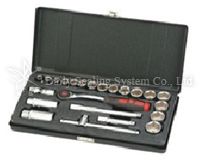
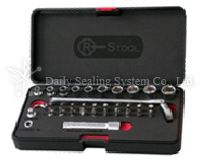
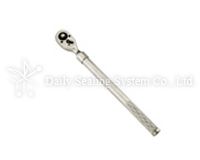
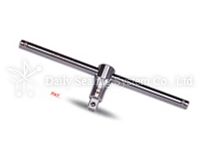
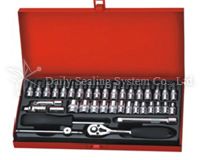
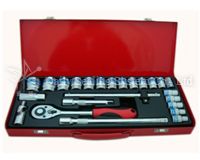
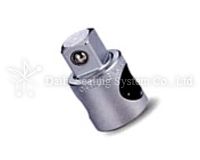
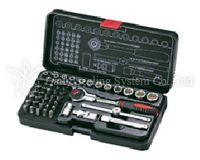
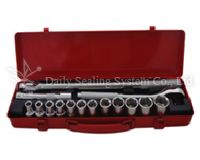
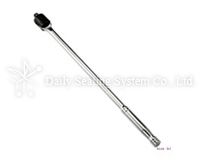
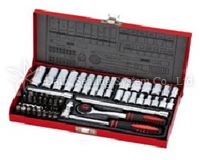
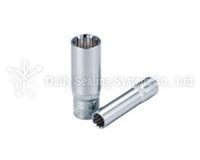
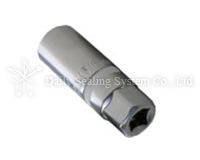
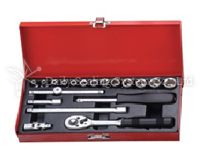
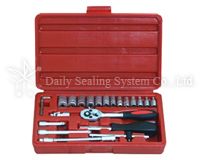
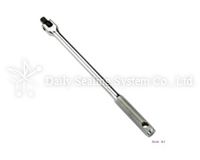
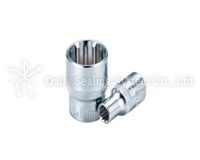
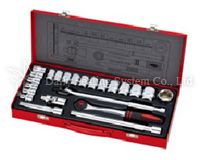
1/2"DR SOCKET 6PT&12PTY
| ITEM NO | SIZE (mm) | SIZE(SAE) | L(mm) |
| CM4008 | 8 | 5/16" | 38 |
| CM4009 | 9 | 11/32" | 38 |
| CM4010 | 10 | 3/8" | 38 |
| CM4011 | 11 | 7/16" | 38 |
| CM4012 | 12 | 15/32" | 38 |
| CM4013 | 13 | 1/2" | 38 |
| CM4014 | 14 | 9/16" | 38 |
| CM4015 | 15 | 19/32" | 38 |
| CM4016 | 16 | 5/8" | 38 |
| CM4017 | 17 | 21/32" | 38 |
| CM4018 | 18 | 11/16" | 38 |
| CM4019 | 19 | 3/4" | 38 |
| CM4020 | 20 | 25/32" | 38 |
| CM4021 | 21 | 13/16" | 38 |
| CM4022 | 22 | 7/8" | 40 |
| CM4023 | 23 | 40 | |
| CM4024 | 24 | 15/16" | 40 |
| CM4025 | 25 | 1" | 42 |
| CM4026 | 26 | 1-1/16" | 42 |
| CM4027 | 27 | 25 | |
| CM4028 | 28 | 1-1/8" | 43 |
| CM4029 | 29 | 43 | |
| CM4030 | 30 | 1-3/16" | 43 |
| CM4032 | 32 | 1-1/4" | 45 |
Specification
You May Also Like
_1.jpg)



_1.jpg)
_1.jpg)

.jpg)
Why Choosing Dailysealing
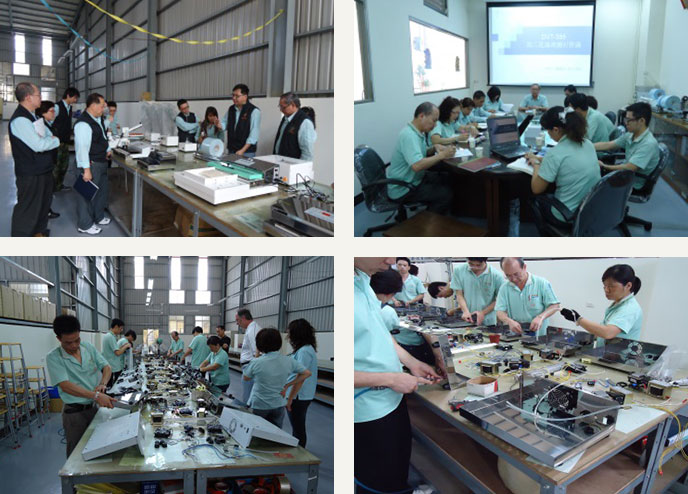
Parts and material quality control
- Heating elements are from Japan.
- Motor, Transformers, PCB and vacuum bags are made in Taiwan.
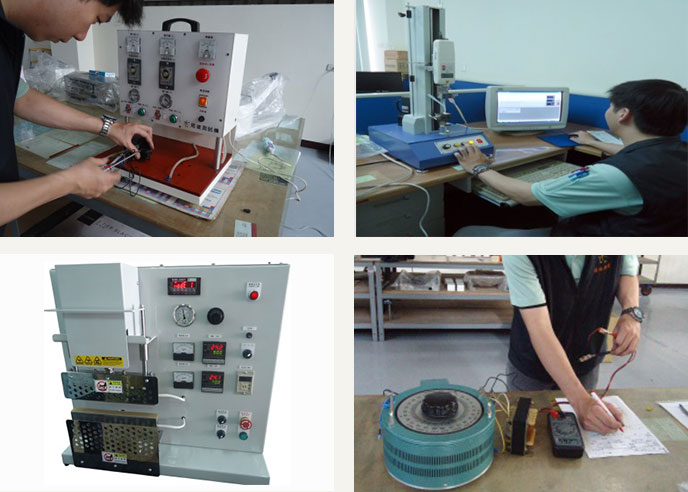
Strict quality control
- 100% product inspection: The inspection is included functions and appearance of sealing machines.
- Tensile strength test to ensure the sealing line tensile strength value reaches the customer standard.
- Electric leakage test: Puncture and insulation test.
- Our production and inspection are all based on ISO 9001.
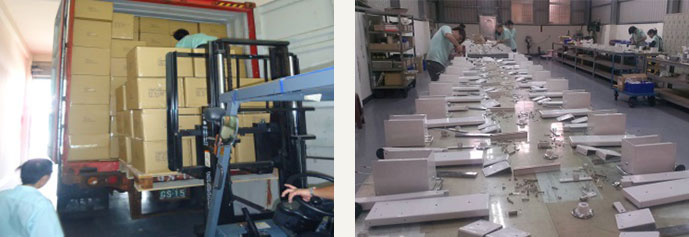
Professional packaging and sealing machine factory
- Produce many kinds sealing machines and ODM/OEM products and provide custom-made services.
- More than 30 year experiences in packaging machines industry.
- Sell sealing machines to America, Europe, Latin America and Asia.
- 85% products in stocks, so we can deliver the products quickly.
- The production process is based on SOP to ensure the quality of sealing machines consistently.
Complete range of specifications of sealing machines
- Complete range of specifications of sealing machines.
- Many kinds of sealing machines and consumptive materials in stocks, so customers can do one-stop shopping here.
- The customers include Biotechnology companies, Medical equipment companies, Food industry, Electronics industry, Handmade soap industry and other industry..
Custom-made sealing machine service
- Custom-made sealing machine service
- Designs of the special sealing machine for irregular shape sealing line, such as U-shape sealing line and L-shape sealing line.
- Different width of sealing line could be custom-made to meet customer requirements.
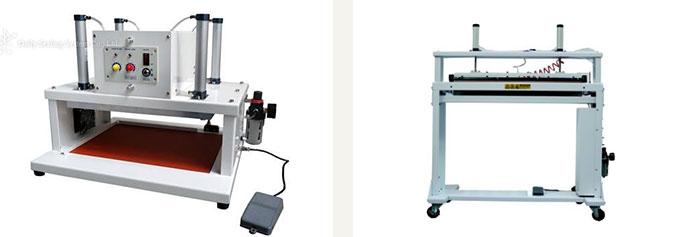
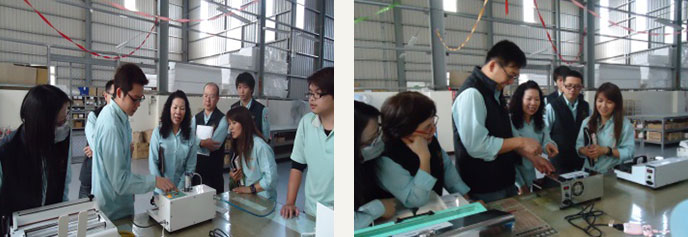
After-sales service of professional sealing machine
- Provide the professional service for repair the broken sealing machine immediately.
- The sufficient supply of parts stock, so don’t worry about the parts replace.
- Some parts of sealing machine are used in common specifications, so it is easy to get the parts for replace.
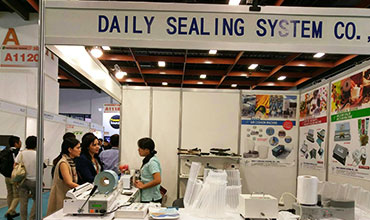
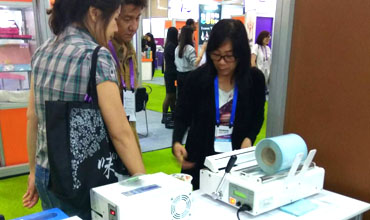
Exhibitions and trade shows







News

2026/6/12
Vacuum Sealer vs. Continuous Band Sealer: Key Differences, Applications, and Buying Guide
Vacuum Sealer vs. Continuous Band Sealer: Key Differences, Applications, and Buying Guide Many businesses face the same question when selecting packaging equipment: Should I choose a vacuum sealer or a continuous band sealer? Although both machines are
used for packaging and sealing products, they serve very different purposes. A vacuum sealer removes air before sealing, making it ideal for products requiring freshness preservation and oxidation prevention. A continuous band sealer focuses on high-speed
sealing, making it the preferred choice for high-volume packaging operations. Choosing the wrong equipment can lead to reduced efficiency, poor packaging quality, and unnecessary costs. Quick Answer: Vacuum Sealer or Continuous Band Sealer? Need to extend
shelf life or prevent oxidation: Choose a vacuum sealer Need high-speed, high-volume sealing: Choose a continuous band sealer Need both vacuum packaging and high volume: Evaluate a continuous vacuum sealer Need only standard bag sealing at lower volume: An
impulse sealer or foot sealer may be sufficient 1. What Is a Vacuum Sealer? A vacuum sealer removes air from the package before creating the final seal. By reducing oxygen inside the package, vacuum sealing helps extend shelf life, reduce oxidation, prevent
moisture damage, and improve storage stability. Vacuum sealers are ideal for extending shelf life — making them a standard choice for food processing, agricultural products, and moisture-sensitive industrial components. Based on Dailysealing's practical experience
across food processing, agricultural packaging, and electronic components applications, products sensitive to oxygen or moisture consistently benefit most from vacuum packaging. Fresh meat, seafood, cooked foods, and agricultural produce are among the most
common vacuum packaging applications. Common Vacuum Sealer Applications Fresh meat and seafood Cooked and processed foods Coffee beans, tea, and nuts Agricultural produce Electronic components and precision parts Medical supplies and consumables Key Advantages
of Vacuum Sealers Extends product shelf life significantly Reduces oxidation and moisture damage Improves food freshness and storage quality Protects sensitive components from environmental exposure Available in multiple configurations for different output
volumes If your primary packaging goal is preservation rather than just sealing, a vacuum sealer will almost always outperform a standard bag sealer. 2. What Is a Continuous Band Sealer? A continuous band sealer is designed for continuous sealing operations.
Products move through a conveyor system where the bag passes through heating and cooling zones to create a consistent seal — without stopping between bags. Continuous band sealers are suitable for high-volume packaging where throughput and consistency are
the priority, not air extraction. From Dailysealing's experience serving clients in food manufacturing, agricultural processing, and industrial packaging, businesses typically transition from manual impulse or foot sealers to continuous band sealers when daily
packaging volume exceeds several hundred bags — significantly improving production efficiency and seal consistency. Common Continuous Band Sealer Applications Snacks, candies, cookies Dry goods, tea, coffee Powder and granule products Hardware and industrial
components Agricultural goods (rice, grains, feed) General PE, aluminum foil, and laminated pouches Key Advantages of Continuous Band Sealers High throughput for large-volume operations Consistent seal quality across all bags Reduced manual handling and labor
costs Continuous operation without stops between bags Compatible with production line integration If your product does not require vacuum packaging but your daily output is growing, a continuous band sealer delivers far better efficiency than manual sealing
equipment at scale. 3. Vacuum Sealer vs. Continuous Band Sealer: Full Comparison The best choice depends on product characteristics and packaging volume. The table below covers the key differences across the most important evaluation criteria for B2B packaging
buyers: FeatureVacuum SealerContinuous Band Sealer Primary Function Removes air, then seals Seals continuously at high speed Shelf Life Improvement ✅ Excellent Limited Packaging Speed Moderate ✅ High High-Volume Production Depends on model ✅ Excellent Oxidation
Protection ✅ Excellent Limited Food Preservation ✅ Excellent Moderate Production Line Integration Available on certain models ✅ Excellent Labor Reduction Moderate ✅ High 4. Which Is Better for Food Packaging? The answer depends on the specific food product.
Based on Dailysealing's technical team's experience across food processing, central kitchen, and agricultural packaging clients, different food categories have distinctly different packaging equipment requirements: Recommended equipment by food product type:
Fresh meat, seafood, cooked foods: Vacuum sealer — shelf life extension is the priority Tea, coffee beans: Vacuum sealer or continuous band sealer, depending on preservation requirements Snacks, cookies, candy: Continuous band sealer — high-volume sealing
efficiency Dry goods, powders, grains: Continuous band sealer High-volume food processing: Continuous band sealer or continuous vacuum sealer 5. When Should You Choose a Vacuum Sealer? ① Product Requires Longer Shelf Life Meat, seafood, cooked foods, and marinated
products deteriorate quickly when exposed to air. Vacuum packaging significantly extends their usable shelf life. ② Product Is Prone to Oxidation Tea, coffee, nuts, and electronic components degrade when exposed to oxygen and humidity. Vacuum packaging significantly
reduces this risk. ③ Product Needs Cold-Chain or Long-Distance Shipping Products going through freezing, refrigeration, or long-distance transit benefit from the added protection vacuum packaging provides during extended storage. ④ Product Contains Liquid
or Moisture Liquid-content products are better handled by a chamber vacuum sealer, which creates negative pressure around the entire bag rather than extracting directly from inside. 6. When Should You Choose a Continuous Band Sealer? ① Daily Packaging Volume
Is High When daily output reaches hundreds of bags or more, manual sealing equipment creates a production bottleneck. A continuous band sealer dramatically improves throughput. ② Product Does Not Require Vacuum If the packaging goal is containment, moisture
resistance, or dust protection — rather than air removal — a continuous band sealer is the more efficient solution. ③ Consistent Seal Quality Is Required The conveyor-driven process maintains a consistent sealing speed, eliminating operator-to-operator variation
and improving overall packaging quality. ④ Labor Efficiency Is a Priority Continuous sealing machines significantly reduce manual sealing time, freeing operators for other production tasks and lowering cost per unit packaged. 7. What If You Need Both Vacuum
Sealing and High Volume? Some operations require both vacuum packaging and high production output simultaneously. In these situations, a continuous vacuum sealer combines automated conveyor operation with integrated vacuum packaging — making it suitable for
food processing plants, meat and seafood producers, and large-scale agricultural packaging operations. A continuous vacuum sealer may be the right solution when: Vacuum packaging is required and daily output is high Production line efficiency needs to be maximized
Reducing manual labor in the packaging process is a priority Both shelf-life extension and high-volume output are required simultaneously 8. Four Questions to Answer Before Choosing When selecting between a vacuum sealer and a continuous band sealer, equipment
price should not be the primary factor. The right machine is the one that matches your product characteristics, packaging requirements, and production volume. 1. Does the product need vacuum packaging? Products requiring freshness or oxidation protection need
a vacuum sealer. If only containment sealing is needed, a continuous band sealer is more efficient. 2. What is your daily packaging volume? Low volumes suit manual or compact equipment. Higher volumes justify a continuous band sealer or continuous vacuum sealer
investment. 3. What packaging material are you using? PE bags, aluminum foil, laminated pouches, and vacuum channel bags each require different sealing temperatures and machine configurations. 4. Does the product contain liquid or moisture? Liquid-content
products require specialized vacuum sealing configurations. A chamber vacuum sealer is often the most appropriate solution for wet or high-moisture products. The following questions are compiled from Dailysealing's technical team's experience working with
clients in food processing, agricultural packaging, electronics manufacturing, and industrial packaging applications. Frequently Asked Questions Q1: What is the main difference between a vacuum sealer and a continuous band sealer? A vacuum sealer removes air
from the package before sealing — this is its defining function. A continuous band sealer seals the bag opening at high speed without extracting air. The core difference is whether air removal is part of the packaging requirement. If shelf life and oxidation
protection matter, a vacuum sealer is the right choice. If throughput and efficiency at volume are the priority, a continuous band sealer is more appropriate. Q2: Which machine is better for food packaging? It depends on the product. For meat, seafood, cooked
foods, and products requiring shelf-life extension, a vacuum sealer is generally the better choice. For snacks, dry goods, and high-volume food manufacturing that does not require vacuum packaging, a continuous band sealer provides higher efficiency and output
consistency. Q3: Can a continuous band sealer perform vacuum packaging? No. Standard continuous band sealers only heat-seal the bag opening and do not extract air. For vacuum packaging requirements, a vacuum sealer is necessary. For operations that need both
vacuum packaging and high-volume continuous output, a continuous vacuum sealer performs both functions in a single automated process. Q4: Which machine is better for large-scale production? For high-volume packaging that does not require vacuum sealing, a
continuous band sealer offers superior throughput and operational efficiency. If high-volume vacuum packaging is required, evaluate a continuous vacuum sealer — which integrates automated conveyor operation with vacuum packaging capability in a production
line format. Q5: How do I choose between the two? Start by answering four questions: Does the product need vacuum packaging? What is your daily output volume? What bag material are you using? Does the product contain liquid or moisture? These four criteria
— product characteristics, packaging volume, bag material, and moisture content — will narrow down the right equipment type for your application. About This Article This article was prepared by the Dailysealing technical team. Daily Sealing System Co., Ltd.
is a Taiwan-based manufacturer specializing in sealing machines and vacuum packaging equipment. Our product range includes vacuum sealers, external vacuum sealers, chamber vacuum sealers, continuous band sealers, continuous vacuum sealers, foot sealers, impulse
sealers, medical pouch sealers, and customized sealing equipment. The company holds ISO 9001:2015 certification and carries CE, FDA, EU No.10/2011, and BPA Free certifications. Patents are registered in Taiwan, the United States, Europe, Germany, Japan, and
China. Content in this article is based on actual packaging equipment application experience, equipment specifications, and industry practice — intended to support equipment evaluation by B2B buyers and procurement teams. Not Sure Whether to Choose a Vacuum
Sealer or a Continuous Band Sealer? Share your product type, bag material, and daily output volume. The Dailysealing technical team can evaluate your requirements and recommend the most suitable sealing equipment for your operation. View All Sealing Machine
Series Contact Us // //
MORE
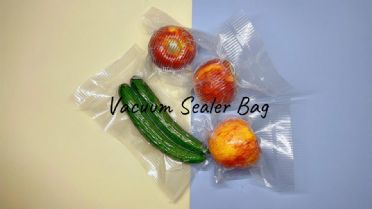
2023/9/5
What are the applications of vacuum bag packaging?
Vacuum bags have a wide range of applications, especially when used in conjunction with a vacuum sealer machine. Here are some common applications of vacuum bags: Food Storage and Preservation: One of the most common uses of vacuum bags is for storing
and preserving food items. Vacuum sealing removes air from the bag, slowing down the oxidation process and inhibiting the growth of bacteria and molds. This helps keep food fresh for longer periods, whether it's raw meats, vegetables, fruits, or pre-cooked
meals. Vacuum-sealed bags are also popular for storing leftovers and meal prep. Sous Vide Cooking: Vacuum bags are essential for sous vide cooking, a cooking method where food is placed in a vacuum-sealed bag and cooked in a precisely controlled water bath
at a consistent temperature. The vacuum-sealed bags ensure that the food is evenly cooked and retains its natural flavors and juices. Marinating: Vacuum bags can be used for marinating meats and other food items. By removing the air from the bag, the marinade
is more effectively absorbed into the food, resulting in enhanced flavors. Long-term Freezing: Vacuum-sealed bags are excellent for freezing food items. The absence of air prevents freezer burn, maintaining the quality and taste of the food even after prolonged
storage. Travel and Outdoor Activities: Vacuum bags can be used to pack clothes and other travel essentials, compressing them to save space in luggage. They are also used for storing items during camping or hiking trips to protect them from moisture and
keep them organized. Document and Jewelry Storage: Vacuum bags are useful for protecting important documents, photographs, and valuable items like jewelry from dust, moisture, and other elements that could cause damage. Organizing Household Items: Vacuum
bags can be used to store seasonal clothing, blankets, and pillows, reducing their volume for easy storage when not in use. Emergency Preparedness: Vacuum bags can be used for creating emergency kits, preserving food supplies, and organizing essential items
for disaster preparedness. Industrial and Commercial Packaging: Vacuum bags are used in various industries for packaging sensitive or perishable products, ensuring they stay fresh and intact during shipping and storage. It's essential to use vacuum bags
specifically designed for vacuum sealers to ensure proper functioning and safety. The versatility and benefits of vacuum bags make them a practical choice for various storage and preservation needs in both household and commercial settings.
MORE
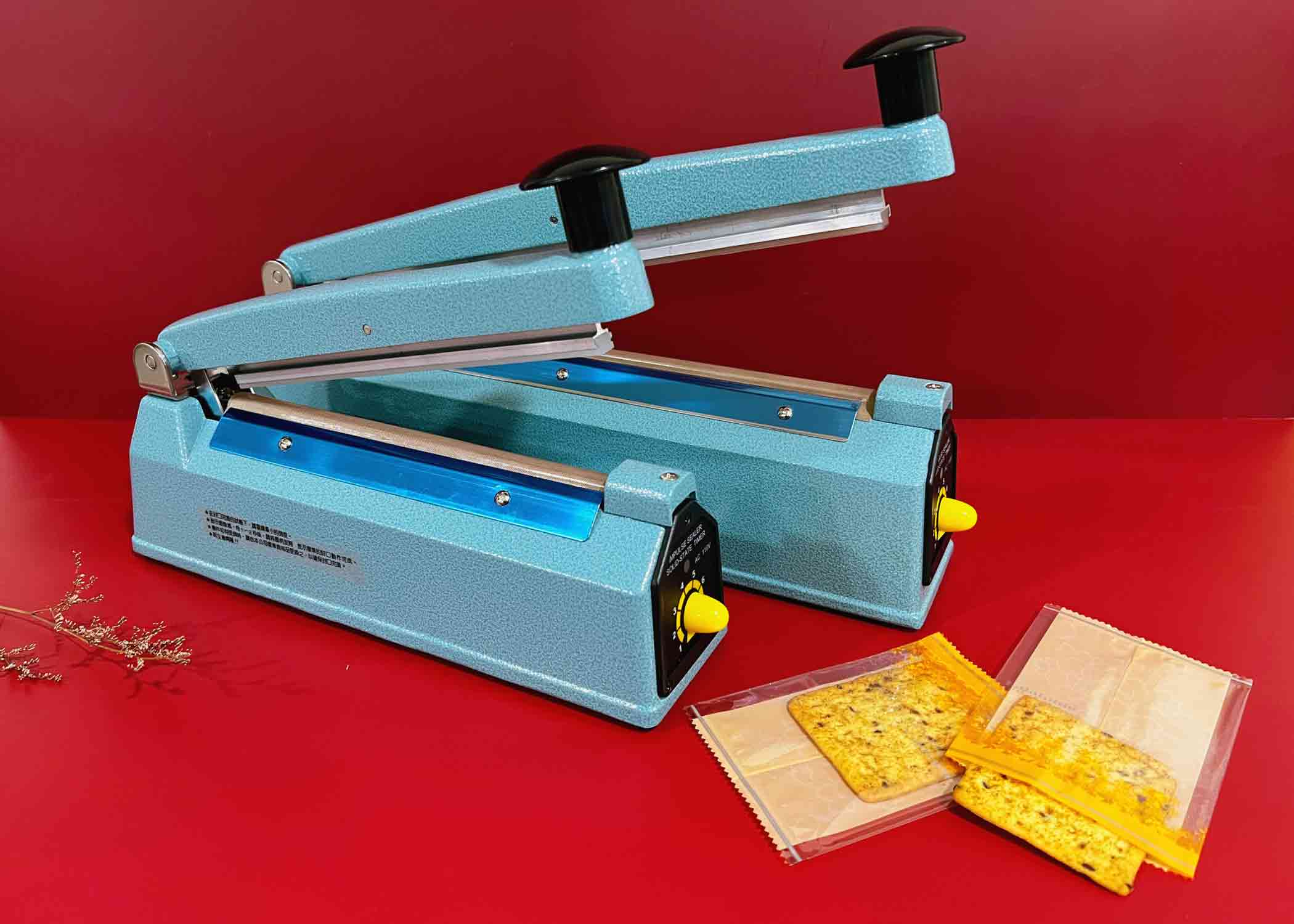
2024/7/5
Q&A How to make the sealing line of the impulse sealer even and beautiful?
Q&A How to make the sealing line of the impulse sealer even and beautiful? Q: Users often want to know why the sealing line is crooked and thin, rather than the flat and complete 2mm or 5mm wide sealing line tested by the manufacturer. A: The key point
is cooling time. For impulse sealers, whether hand type or foot-operated type, both the sealing and cooling time are manually controlled. In order to shorten the package time, many users will ignore the cooling time directly. As soon as the heating time is
up and the heating light goes off, they release the handle or foot pedal. This will result in uneven sealing lines. Q: How long does the cooling time need to be? A: It is recommended to refer to the sealing time. If the heating time is longer, the cooling
time should be increased accordingly, but not necessarily in a proportional manner. It still needs to be tested. Based on the experience, if using regular bags and the sealing time is not set for a long time, it is recommended that customers press for an additional
1 second after the heating light goes off (the editor usually counts to 3 in their mind) before releasing the handle or foot pedal. Q: If I don't care about the appearance of the sealing line, can I ignore the cooling time? A: It is still recommended to
have some cooling time. A complete sealing line is not only visually appealing to customers, but the most important, it ensures the bag is securely sealed. The impulse sealer uses heat to stick the bag mouth and seal it tightly, and then cools the sealing
line by pressing the bag. This is how the sealing line can be both firm and smooth. Without cooling time to cool the sealing line, the sealing line of the bag mouth may be thin and easily melt and break, which could lead to bag rupture and increase the workload
instead.
MORE