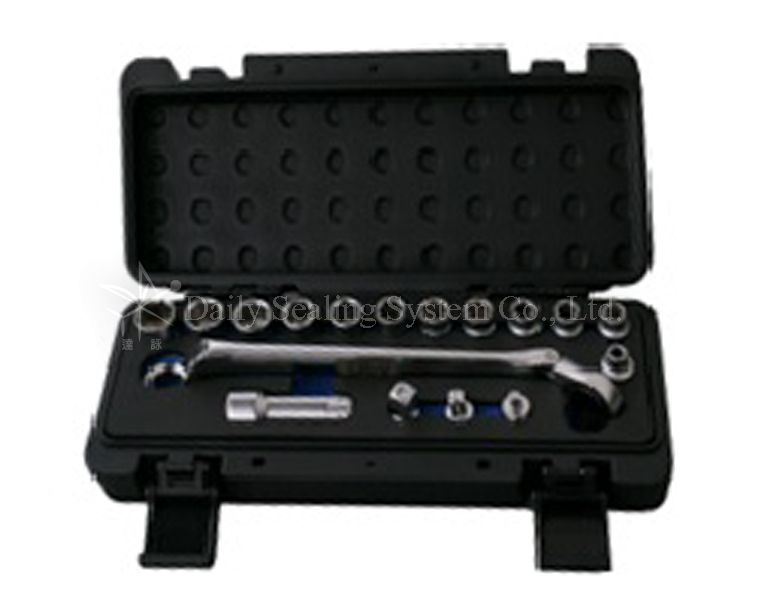
- Detail
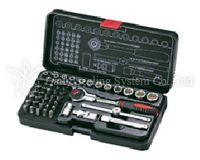
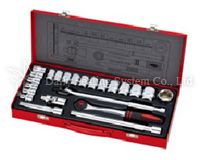
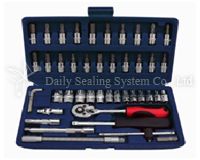
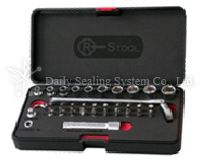
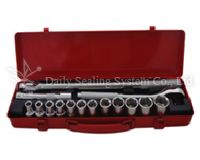
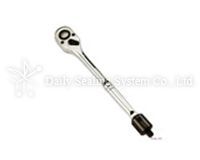
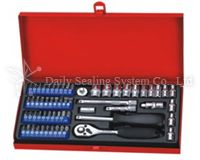
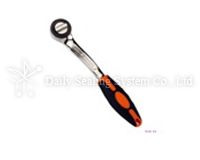
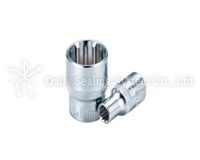
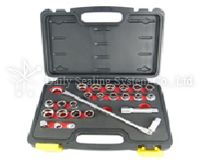
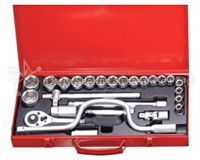
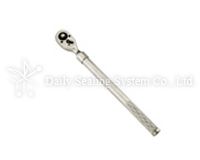
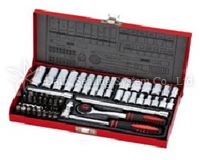
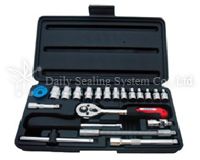
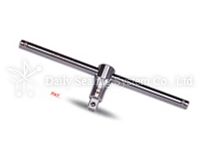
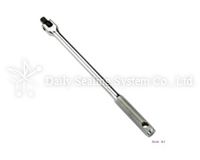
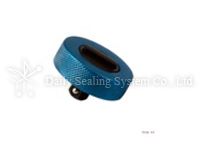
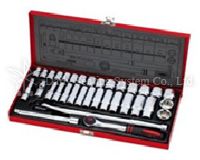
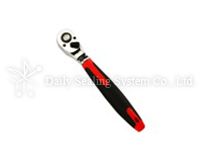
17PCS 538RG 20MM FLEXIBLE GEAR WRENCH WITH GO-THROUNG SOCKET SET(20mm)
| Material: | 1-BLOW MOLD CASE |
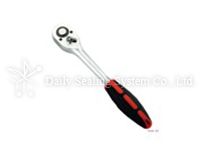
| Contents: | 1-538RG 20MM |
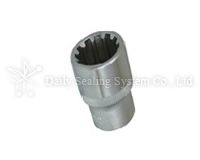
| 12-GO THROUNG SOCKET 8-910-11-12-13-14-15-16-17-18-19MM | |
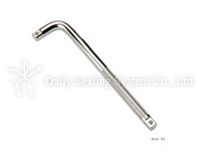
| 1-20MM 75MM GO THROUNG EXTENSION BAR | |
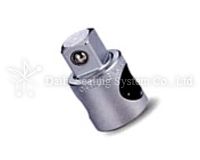
| 1-1/4"x20mm GO THROUNG ADAPTOR | |
| 1-3/8" x20mm GO THROUNG ADAPTOR | |
| 1-1/2"x20mm GO THROUNG ADAPTOR |
Specification
You May Also Like


_1.jpg)

_1.jpg)
_1.jpg)
.jpg)

Why Choosing Dailysealing
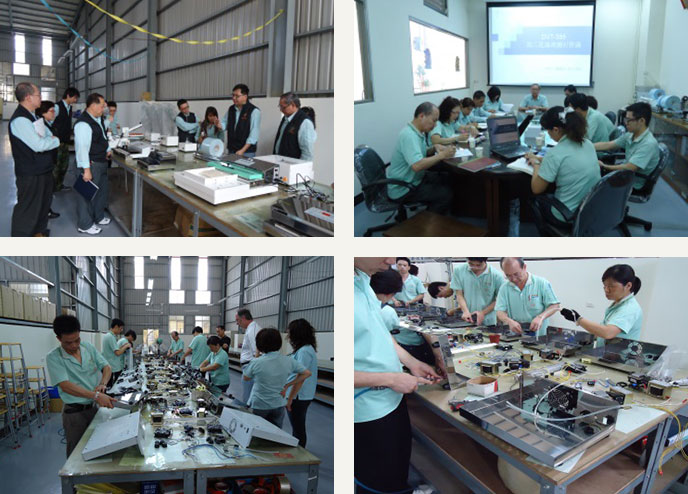
Parts and material quality control
- Heating elements are from Japan.
- Motor, Transformers, PCB and vacuum bags are made in Taiwan.
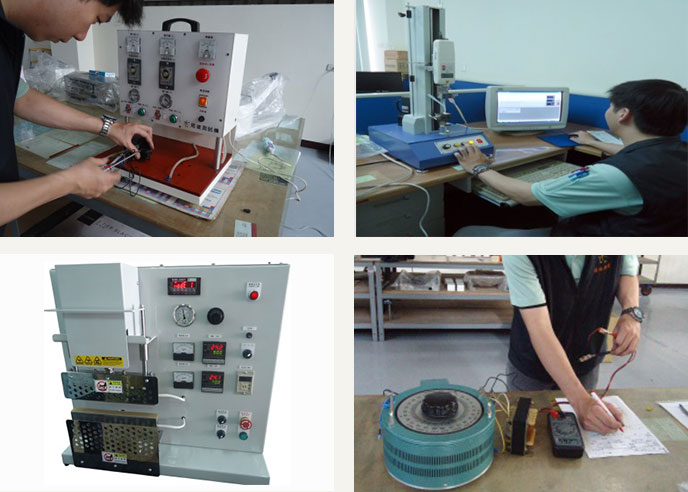
Strict quality control
- 100% product inspection: The inspection is included functions and appearance of sealing machines.
- Tensile strength test to ensure the sealing line tensile strength value reaches the customer standard.
- Electric leakage test: Puncture and insulation test.
- Our production and inspection are all based on ISO 9001.
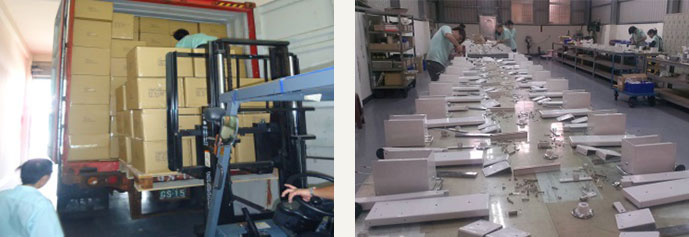
Professional packaging and sealing machine factory
- Produce many kinds sealing machines and ODM/OEM products and provide custom-made services.
- More than 30 year experiences in packaging machines industry.
- Sell sealing machines to America, Europe, Latin America and Asia.
- 85% products in stocks, so we can deliver the products quickly.
- The production process is based on SOP to ensure the quality of sealing machines consistently.
Complete range of specifications of sealing machines
- Complete range of specifications of sealing machines.
- Many kinds of sealing machines and consumptive materials in stocks, so customers can do one-stop shopping here.
- The customers include Biotechnology companies, Medical equipment companies, Food industry, Electronics industry, Handmade soap industry and other industry..
Custom-made sealing machine service
- Custom-made sealing machine service
- Designs of the special sealing machine for irregular shape sealing line, such as U-shape sealing line and L-shape sealing line.
- Different width of sealing line could be custom-made to meet customer requirements.
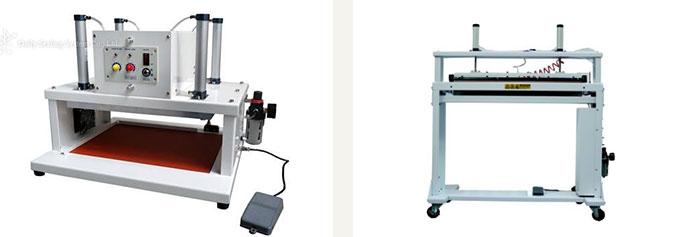
After-sales service of professional sealing machine
- Provide the professional service for repair the broken sealing machine immediately.
- The sufficient supply of parts stock, so don’t worry about the parts replace.
- Some parts of sealing machine are used in common specifications, so it is easy to get the parts for replace.
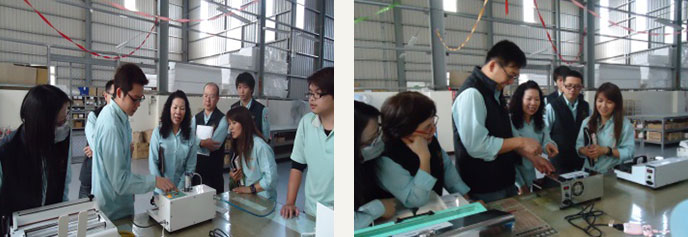
Exhibitions and trade shows






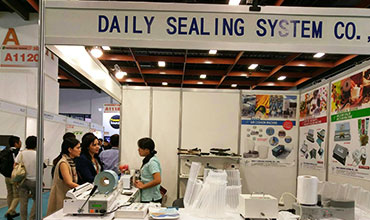

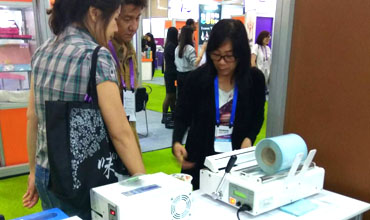
News

2026/4/27
What Industries Use Vacuum Sealers? Applications & Buying Guide for Packaging Machines
Vacuum Sealer Applications by Industry: Food, Medical, Electronics & Industrial Packaging Guide Vacuum sealers are widely used across food processing, restaurant central kitchens, agricultural produce, electronics manufacturing, medical device packaging,
and industrial parts storage. By removing air from the package before sealing, vacuum packaging machines effectively reduce oxidation, moisture damage, and contamination — making them a critical investment for businesses that need to protect product quality
and extend shelf life at scale. Quick Summary: What Industries Need Vacuum Packaging? Any industry that requires extended shelf life, moisture protection, oxidation prevention, contamination control, or consistent packaging quality can benefit from vacuum
sealing machines. Below are the most common industrial vacuum sealer uses across B2B sectors. Food Processing Central Kitchen Agricultural Produce Electronics Medical & Life Sciences Industrial Parts 1. Food Processing: Extend Shelf Life and Improve Packaging
Consistency Food processing is the most common vacuum sealer application across industries. Manufacturers packaging meat, seafood, cooked food, frozen meals, ready-to-eat products, and marinated goods rely on vacuum packaging machines to reduce air contact,
slow oxidation, and prevent off-flavors — all of which directly impact product quality and distribution range. Common vacuum sealer applications in food processing: Fresh meat and seafood portioning and packaging Cooked food, braised products, and meal kit
preservation Frozen food and cold-chain distribution packaging Marinated products, cured meats, and processed food packaging For high-volume food production lines, we recommend evaluating a Chamber Vacuum Sealer or Nozzle Type Vacuum Band Sealer to achieve
consistent throughput and stable vacuum quality. 2. Restaurants & Central Kitchens: Improve Prep Efficiency and Inventory Control For restaurant chains and central kitchen operations, vacuum sealers support standardized food prep, portion control, and cold
storage management. A commercial vacuum sealer for central kitchen environments reduces ingredient waste and enables cleaner inventory tracking across multiple locations. Key operational benefits: High-volume daily ingredient prep and portioning Refrigerated
and frozen food storage Takeaway, delivery, and cold-chain logistics packaging Reducing moisture loss and oxidation in prepped ingredients 3. Agricultural Produce Processing: Extend Sales Window and Reduce Transit Loss Post-harvest agricultural products are
highly susceptible to moisture, air, and temperature fluctuations. Vacuum packaging is widely used for tea, coffee beans, dried goods, grains, and processed fruits and vegetables — stabilizing quality and increasing the marketable value of the product during
export shipping and distribution. Smaller agricultural processors with lower packaging volumes may start with a Non-Nozzle Type Vacuum Sealer. Operations that require higher throughput should evaluate chamber or band sealer models. 4. Electronics & Precision
Parts: Moisture Protection, Oxidation Prevention, Anti-Rust Electronic components, metal parts, and precision instruments are highly sensitive to humidity and oxidation. A vacuum packaging machine for electronics provides reliable moisture protection during
warehousing, export shipping, and long-term storage — significantly reducing product failure rates caused by environmental exposure. Common industrial vacuum sealer uses for electronics and parts: Moisture-proof packaging for electronic components and PCBs
Anti-rust packaging for metal parts and machined components Transit protection for precision instruments and assemblies Long-term warehouse storage with stable vacuum conditions 5. Medical & Life Sciences: Seal Integrity and Packaging Compliance Medical device
manufacturers and life science companies require packaging that meets strict sealing standards. For sterilization pouch sealing, medical consumables, or specialized packaging applications, equipment selection must align with the material type, required seal
width, and production workflow. For sterilization pouch packaging, refer to our Medical Pouch Sealer Series — designed specifically for vacuum sealer medical packaging requirements. 6. How to Choose a Vacuum Sealer by Industry When selecting a vacuum packaging
machine, price alone should not be the deciding factor. Different industries have different requirements in terms of product content, packaging volume, bag material, and production line configuration. Understanding your actual operating conditions is essential
before making a purchasing decision. Application ScenarioRecommended Equipment Small-batch food or produce packaging Non-nozzle or nozzle type vacuum sealer High-volume food processing / central kitchen Chamber vacuum sealer, vacuum band sealer Electronics
and industrial parts moisture protection Vacuum sealer with compatible bag materials Medical consumables / sterilization pouch sealing Medical pouch sealer 7. Before Purchasing a Vacuum Packaging Machine: 4 Things to Confirm 1. Product Type Solid, liquid,
powder, or high-moisture products each require different sealing approaches and machine configurations. 2. Daily Output Volume Low volume fits basic models; high-volume production lines need chamber or continuous vacuum sealing equipment. 3. Bag / Pouch Material
Bag thickness, structure, and material type directly affect vacuum performance and seal integrity. 4. Custom Requirements Non-standard product dimensions or specialized production line setups may require custom sealing solutions. Dailysealing: Vacuum Sealing
Solutions for Industrial & Commercial Applications Dailysealing is a professional vacuum sealer and sealing machine manufacturer with an in-house factory and decades of experience in packaging machinery production. We support B2B buyers across food processing,
electronics, medical packaging, and industrial parts applications — helping clients evaluate the right vacuum packaging machine for their product type, bag material, and production volume. Frequently Asked Questions Q1: Are vacuum sealers only used in the
food industry? No. While food processing is the most common application, vacuum packaging machines are also widely used for moisture protection of electronics, anti-rust packaging of metal parts, agricultural produce preservation, medical consumables, and
industrial parts storage. Q2: What industries need vacuum packaging machines for export shipping? Industries that commonly use vacuum packaging for export include food processing, electronics, precision parts manufacturing, and agricultural produce. Vacuum
sealing helps prevent moisture damage and oxidation during long-distance transit and extended storage. Q3: What vacuum sealer is recommended for food processing plants? Food processing facilities with high daily output should prioritize chamber vacuum sealers
or nozzle-type vacuum band sealers. These models offer stable throughput and consistent vacuum quality suited for commercial and industrial-scale packaging. Q4: Can vacuum sealers be used for electronics and industrial parts packaging? Yes. Electronic components
and metal parts are prone to moisture damage and oxidation. Vacuum packaging provides reliable moisture sealing for warehouse storage, transit protection, and long-term product preservation. Q5: How do I choose the right vacuum sealer for my industry? Start
by identifying your product type, bag material, daily packaging volume, and whether the product contains liquid or moisture. Sharing these details with a packaging machine specialist allows for a more accurate equipment recommendation tailored to your production
needs. Looking for a Vacuum Sealer for Your Industry? Share your product type, bag dimensions, daily output, and application requirements. Our team at Dailysealing can help you identify the right vacuum packaging machine and sealing solution for your business.
View Vacuum Sealer Series Contact Us // //
MORE
2026/4/28
Commercial vs Home Vacuum Sealers: Key Differences, Applications & Buying Guide
Commercial vs Household Vacuum Sealers: Which One is Right for Your Business? One of the most common questions buyers ask when sourcing a vacuum sealer is: "Should I get a commercial or household model?" The difference between commercial and home vacuum
sealers goes far beyond price — they differ significantly in usage frequency, vacuum consistency, seal quality, machine durability, and operational capacity. Choosing the wrong type leads to packaging inefficiency, higher maintenance costs, and a shorter equipment
lifespan. This guide breaks down exactly when to upgrade to a commercial vacuum sealer for your business. Quick Answer: Commercial vs Home Vacuum Sealer — How to Choose If you're packaging for household use or occasional small batches, a household vacuum sealer
may be sufficient. However, if you're running a food business, restaurant, processing operation, or e-commerce packaging line with consistent daily volume, a commercial vacuum sealer is the right choice for long-term reliability and output quality. Food Business
Restaurant Prep Food Processing High-Volume Packaging E-Commerce Fulfillment 1. Usage Frequency: Occasional Use vs. Daily Production Operations Household vacuum sealers are designed for light, infrequent use — portioning meat for the freezer, preserving fresh
produce, or occasional meal prep. They are not built for sustained operation. Commercial vacuum sealers are engineered for daily or continuous use in food production environments. Whether it's a vacuum sealer for restaurant operations, a central kitchen, a
food processing facility, or a packaging business, commercial-grade machines maintain consistent performance under high-frequency workloads where household units would degrade quickly. How to choose based on usage frequency: Occasional or low-volume packaging:
household or compact vacuum sealer Daily fixed-volume packaging: commercial vacuum sealer High-volume continuous production: chamber vacuum sealer or vacuum band sealer 2. Vacuum Performance: Commercial Units Deliver More Consistent Results Vacuum consistency
directly affects product shelf life and packaging integrity. Household models perform adequately for dry goods and standard freezer items. However, for high-moisture products, seafood, marinated meats, or applications that require a stronger, more reliable
vacuum level, commercial vacuum sealers outperform household units significantly. For food production, central kitchen operations, and vacuum sealer for food production vs home use comparisons, a Chamber Vacuum Sealer provides the stable, measurable vacuum
levels required for commercial-grade packaging. 3. Seal Quality: Commercial Machines Handle Demanding Materials and Higher Throughput Seal quality directly determines whether a package leaks, allows moisture ingress, or maintains its vacuum over time. Household
sealers can handle standard bag materials for basic applications, but may produce inconsistent seals under sustained operation or with thicker packaging materials. Commercial vacuum sealers feature more robust sealing bar construction and are compatible with
a wider range of bag materials — making them the preferred choice for food businesses, electronics packaging, medical consumables, and industrial applications where seal failure has real operational consequences. 4. Machine Durability: Heavy-Duty Vacuum Sealer
vs. Small Machine Household vacuum sealers prioritize compact form factor and ease of use for home storage. Commercial and heavy-duty vacuum sealers are built with more robust internal components, designed to withstand the mechanical stress of daily production
environments. Signs you need to upgrade to a commercial vacuum sealer: Daily packaging operations with fixed output requirements Processing large batch quantities in a single shift Seal quality directly impacts product shelf life or customer experience Packaging
heavier, thicker, or larger bag materials 5. Target Users: Household Prioritizes Convenience, Commercial Prioritizes Throughput Household vacuum sealers are designed for individual consumers who need simple, accessible food storage. Commercial vacuum sealers
are built for businesses that require reliable throughput, consistent seal quality, and equipment that scales with production demands. ComparisonHousehold Vacuum SealerCommercial Vacuum Sealer Primary Use Home food storage, small batches Food processing, restaurant,
commercial packaging Usage Frequency Occasional Daily or continuous production Vacuum Consistency Basic level Stable and measurable, suited for commercial use Seal Quality Standard bag materials Higher seal integrity, wider material compatibility Equipment
Cost Lower upfront cost Higher initial investment, lower long-term operating cost 6. Choosing the Right Vacuum Sealer for Your Business Scenario For home food storage or very low-volume prep, a compact household unit is a cost-effective starting point. But
for any business operation — restaurant, food producer, e-commerce packager, or small business with regular daily output — a commercial vacuum sealer provides the durability and consistency that household machines cannot deliver over time. Recommended direction
by business type: Home or personal use: compact vacuum sealer Restaurant or central kitchen: chamber vacuum sealer recommended Food processing or high-volume production: vacuum band sealer or continuous model Small business or e-commerce packaging: nozzle
or non-nozzle commercial vacuum sealer If you're evaluating models, browse the Vacuum Sealer Series to compare equipment types before deciding based on your product type and output volume. 7. Before Purchasing: 4 Key Questions to Answer 1. Daily Output Volume
Higher volume demands more durable commercial equipment with consistent throughput capacity. 2. Product Content Solid, liquid, powder, or high-moisture products require different vacuum sealing configurations. 3. Bag Material & Size Bag dimensions, thickness,
and material structure all affect sealing performance and vacuum results. 4. Long-Term Operating Cost Commercial machines carry a higher upfront cost but deliver lower cost-per-unit over sustained daily use. Dailysealing: Commercial Vacuum Sealer Supplier
for B2B Buyers Dailysealing is a professional vacuum sealer and sealing machine manufacturer with an in-house production facility and extensive experience in commercial packaging machinery. If you're unsure whether a commercial or household unit fits your
operation, our team can assess your product type, bag material, daily output, and operational requirements to recommend the most suitable vacuum sealing solution. Frequently Asked Questions Q1: Can a household vacuum sealer be used for commercial purposes?
Not recommended for sustained commercial use. Household vacuum sealers are designed for low-frequency, small-batch packaging. Using them at commercial volumes will degrade machine performance and shorten equipment lifespan significantly. Q2: Are commercial
vacuum sealers always more expensive than household models? Commercial machines carry a higher initial price, but their durability, vacuum consistency, and seal performance deliver lower long-term operating costs. For businesses with regular packaging needs,
the total cost of ownership typically favors a commercial unit. Q3: Is a commercial vacuum sealer necessary for restaurants? For low-volume prep, a household unit may work short-term. However, for daily large-batch ingredient portioning, refrigerated storage
management, or central kitchen distribution, a commercial vacuum sealer for restaurant use delivers the consistency and durability required for professional operations. Q4: What about vacuum sealers for small businesses or e-commerce packaging? For low and
irregular shipment volumes, a compact model may be sufficient. However, as daily order volume grows, or if packaging quality directly affects the customer experience, upgrading to a commercial vacuum sealer for small business use will reduce errors and improve
output consistency. Q5: When should I upgrade from a household to a commercial vacuum sealer? Consider upgrading when your daily packaging volume becomes consistent, when seal failures affect product shelf life or customer returns, or when your product type
(liquid, high-moisture, or thick bag material) exceeds the capability of your current household unit. Need Help Choosing the Right Vacuum Sealer for Your Business? Tell us about your product type, bag dimensions, daily output, and operating environment. Dailysealing
can help you evaluate the right commercial vacuum sealer for your packaging operation. View Vacuum Sealer Series Contact Us // //
MORE
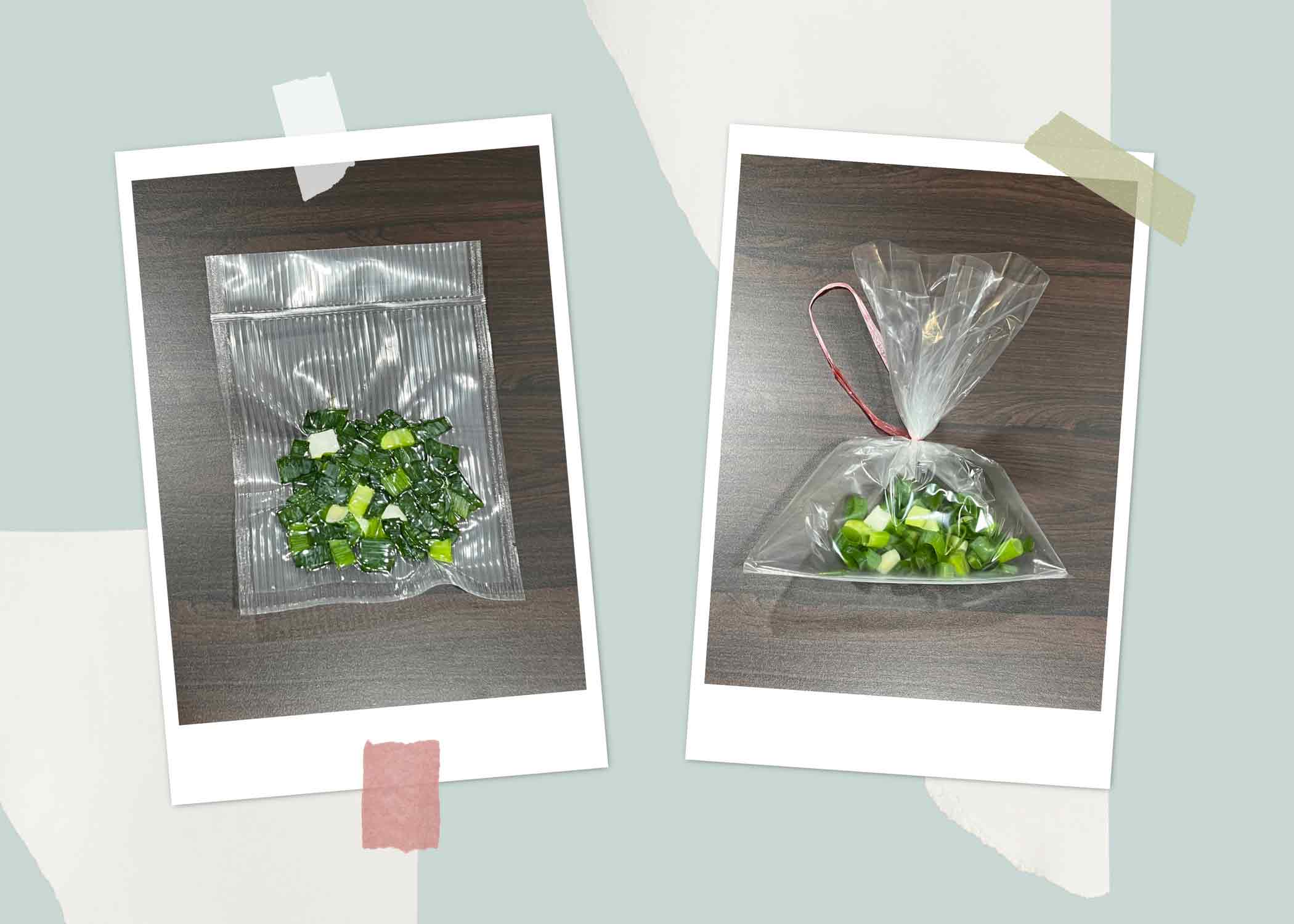
2025/1/8
Vacuum Packaging vs. Traditional Packaging: Which One is Right for You?
Vacuum Packaging vs. Traditional Packaging: Which One is Right for You? Choosing the right packaging method can significantly impact your product’s shelf life and appeal. Two common methods are vacuum sealing and traditional packaging. Here’s a quick
comparison to help you decide. Vacuum Packaging This method removes most air from a package, creating a low-oxygen environment that slows oxidation and bacterial growth. Benefits: ü Extends shelf life. ü Preserves flavor. ü Prevents freezer burn.
ü Reduces waste. ü Reduce packaging volume Drawbacks: ü Higher cost. ü Unsuitable for some products (e.g., gas-releasing items). Traditional Packaging Traditional methods, like plastic bags or cardboard boxes, protect products without removing air.
Benefits: ü Cost-effective. ü Versatile for various products. Drawbacks: ü Shorter shelf life. ü Less protection during shipping. Which Method is Best? Choose vacuum packaging for perishable items like meat or seafood. Opt for traditional packaging
for non-perishables or budget-friendly solutions. Conclusion Both methods have unique advantages. Evaluate your needs to select the best option for your products. Call to Action At DailySealing, we provide versatile packaging solutions. Contact us to
discover how we can help preserve your product’s quality and freshness.
MORE