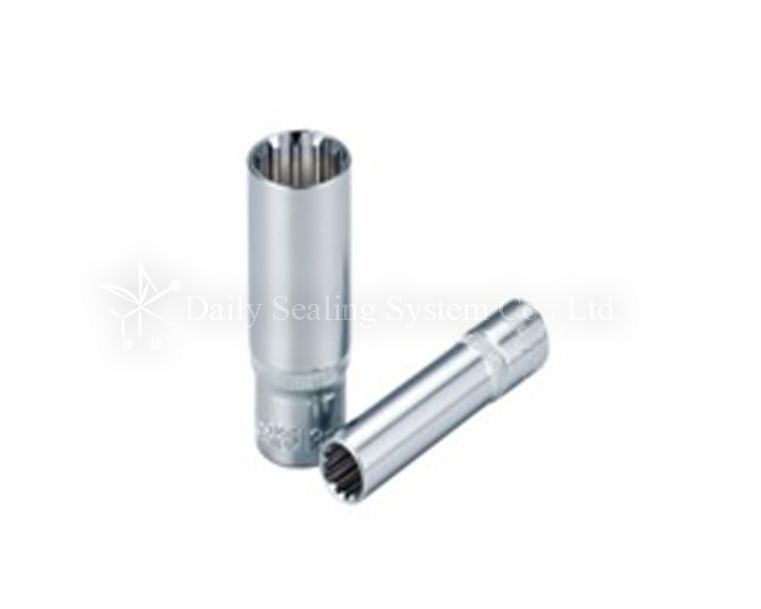
- Detail
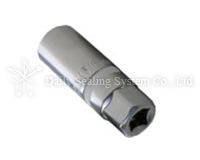
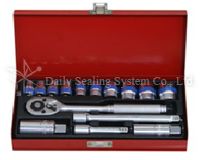
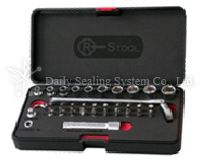
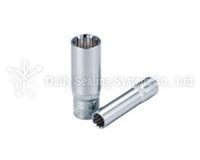
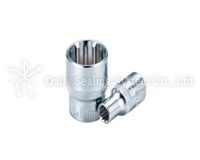
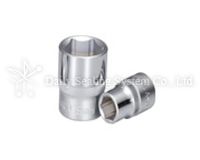
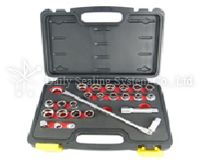
3/8"DR DEEP SOCKET 6PT&12PT
| ITEM NO | SIZE (mm) | SIZE(SAE) | L(mm) |
| CMD3006 | 6 | 1/4" | 63 |
| CMD3007 | 7 | 9/32" | 63 |
| CMD3008 | 8 | 5/16" | 63 |
| CMD3009 | 9 | 11/32" | 63 |
| CMD3010 | 10 | 3/8" | 63 |
| CMD3011 | 11 | 7/16" | 63 |
| CMD3012 | 12 | 15/32" | 63 |
| CMD3013 | 13 | 1/2" | 63 |
| CMD3014 | 14 | 9/16" | 63 |
| CMD3015 | 15 | 19/32" | 63 |
| CMD3016 | 16 | 5/8" | 63 |
| CMD3017 | 17 | 21/32" | 63 |
| CMD3018 | 18 | 11/16" | 63 |
| CMD3019 | 19 | 3/4" | 63 |
| CMD3020 | 20 | 25/32" | 63 |
| CM3021 | 21 | 63 | |
| CMD3021 | 21 | 13/16" | 63 |
| CMD3022 | 22 | 7/8" | 63 |
| CMD3023 | 23 | 63 | |
| CMD3024 | 24 | 15/16" | 63 |
Specification
You May Also Like
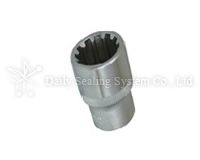
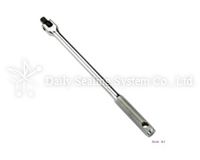
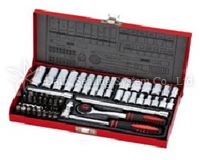

_1.jpg)


.jpg)

_1.jpg)
_1.jpg)
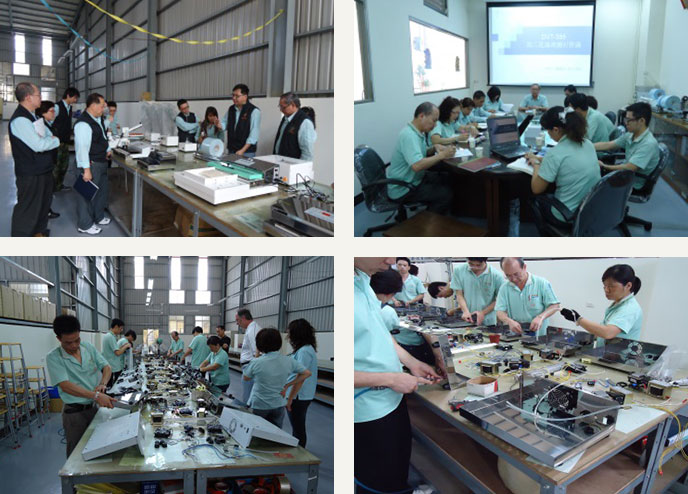
Why Choosing Dailysealing
Parts and material quality control
- Heating elements are from Japan.
- Motor, Transformers, PCB and vacuum bags are made in Taiwan.
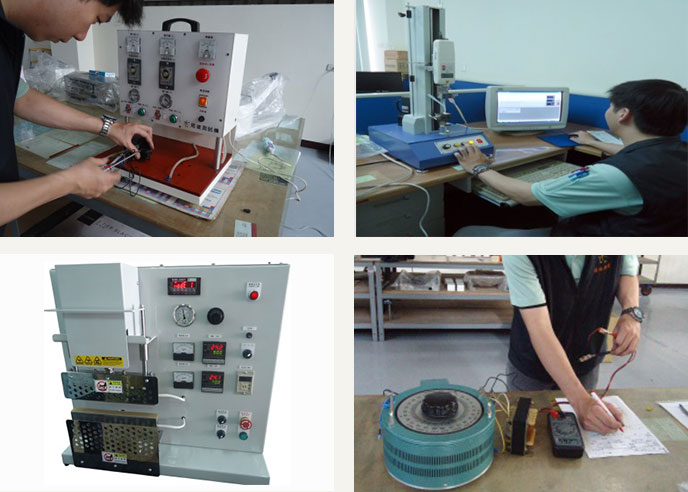
Strict quality control
- 100% product inspection: The inspection is included functions and appearance of sealing machines.
- Tensile strength test to ensure the sealing line tensile strength value reaches the customer standard.
- Electric leakage test: Puncture and insulation test.
- Our production and inspection are all based on ISO 9001.
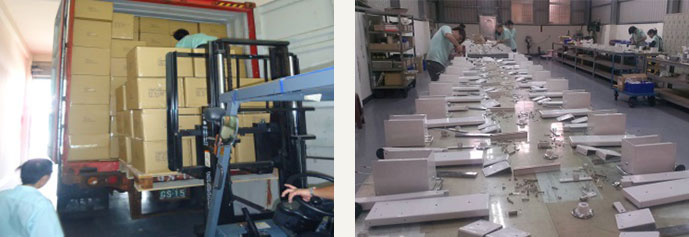
Professional packaging and sealing machine factory
- Produce many kinds sealing machines and ODM/OEM products and provide custom-made services.
- More than 30 year experiences in packaging machines industry.
- Sell sealing machines to America, Europe, Latin America and Asia.
- 85% products in stocks, so we can deliver the products quickly.
- The production process is based on SOP to ensure the quality of sealing machines consistently.
Complete range of specifications of sealing machines
- Complete range of specifications of sealing machines.
- Many kinds of sealing machines and consumptive materials in stocks, so customers can do one-stop shopping here.
- The customers include Biotechnology companies, Medical equipment companies, Food industry, Electronics industry, Handmade soap industry and other industry..
Custom-made sealing machine service
- Custom-made sealing machine service
- Designs of the special sealing machine for irregular shape sealing line, such as U-shape sealing line and L-shape sealing line.
- Different width of sealing line could be custom-made to meet customer requirements.
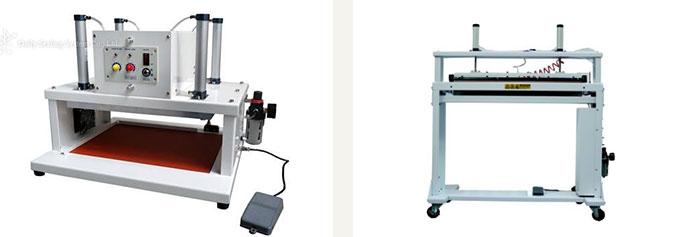
After-sales service of professional sealing machine
- Provide the professional service for repair the broken sealing machine immediately.
- The sufficient supply of parts stock, so don’t worry about the parts replace.
- Some parts of sealing machine are used in common specifications, so it is easy to get the parts for replace.
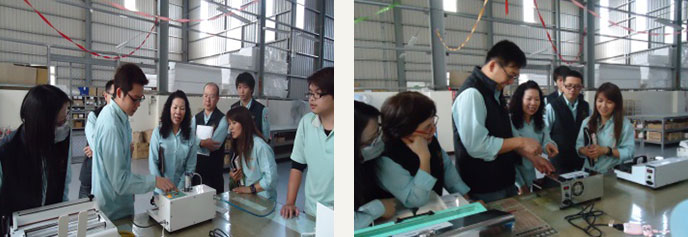
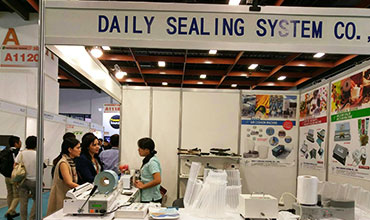
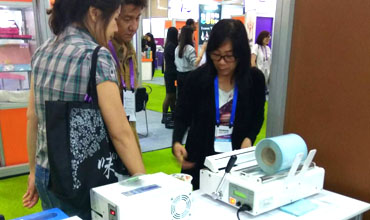
Exhibitions and trade shows







News
2025/12/24
Pro Tips: How to Vacuum Seal Liquids and Moist Foods Without a Mess (Vacuum Sealing, Seale
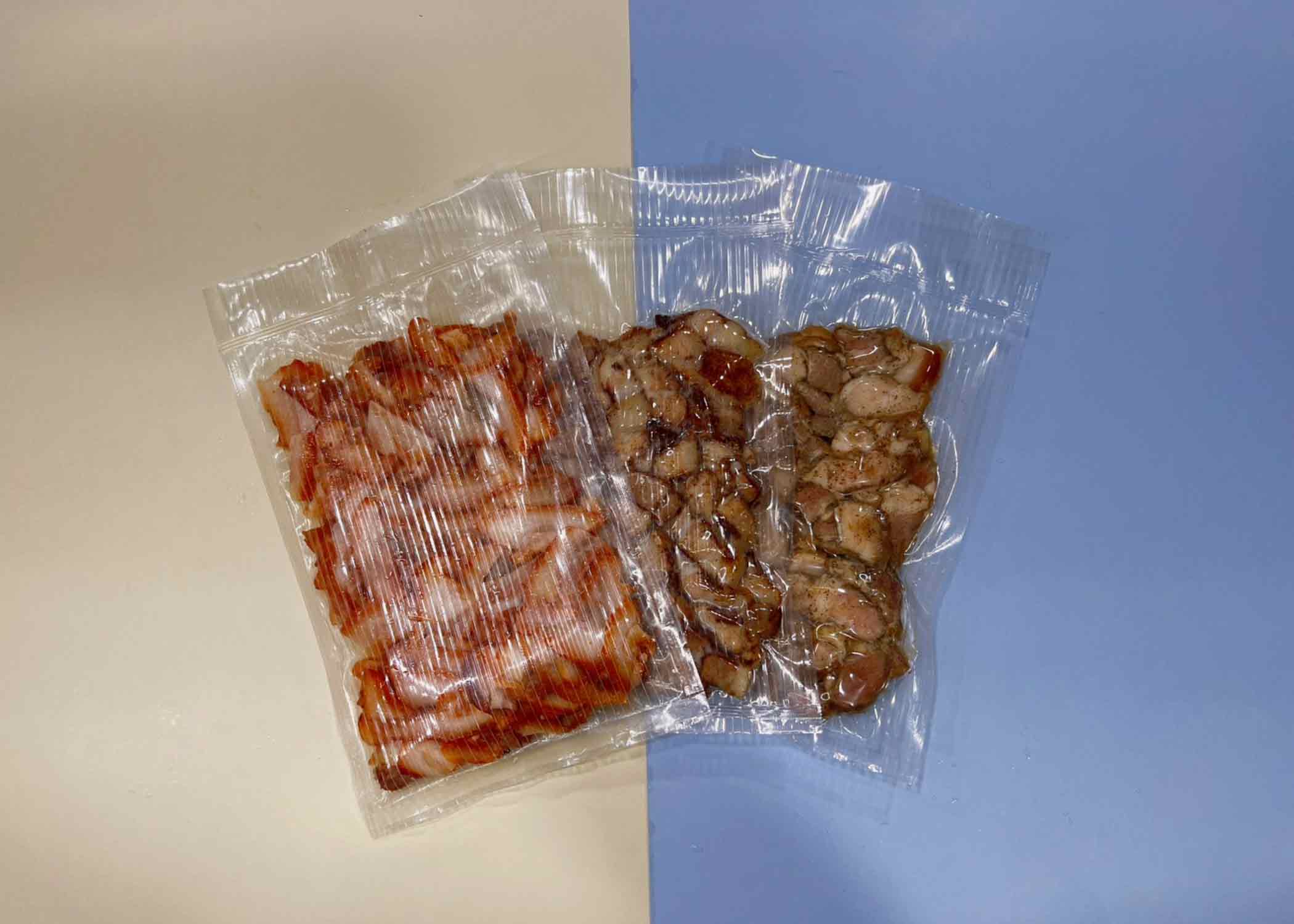
Pro Tips: How to Vacuum Seal Liquids and Moist Foods Without a Mess (Vacuum Sealing, Sealer Tips) One of the biggest frustrations for new users is trying to vacuum seal liquids and moist foods. When the air is pulled out, the liquid can be drawn right
up into the machine, which can ruin the seal, damage the internal pump, and make a huge mess. Follow these pro tips to seal liquids, soups, sauces, and high-moisture items like marinated meats successfully: The
Freezer Trick (The Gold Standard): For any liquid (soups, sauces, stocks) or high-moisture food (marinated chicken), pre-freeze it for 1 to 2 hours until it is slushy or mostly solid. Once partially frozen, the liquid is too dense to be sucked up during the
vacuum process, ensuring a clean, perfect seal. The "Moist" Setting: Many modern vacuum sealers have a "moist" or "liquid" setting. This function typically pulls a weaker or slower vacuum and then seals sooner, giving the liquid less time to migrate to the
sealing bar. Leave Plenty of Headroom: Always leave more space than usual between the food and the top of the bag—at least 3 to 4 inches. This acts as a buffer zone. Use a Paper Towel Buffer: For wet-marinated meats, you can loosely place a small, folded
piece of paper towel just inside the top of the bag, right before the sealing area. It acts as a moisture trap to catch any escaping liquid before it hits the sealing strip. Double Seal: For extra protection on liquids destined for the freezer, press the
seal button a second time right after the first seal is complete. This creates a redundant double seal just above the first one, adding security against leaks.
MORE
2024/5/15
How to Use a Vacuum Sealer?
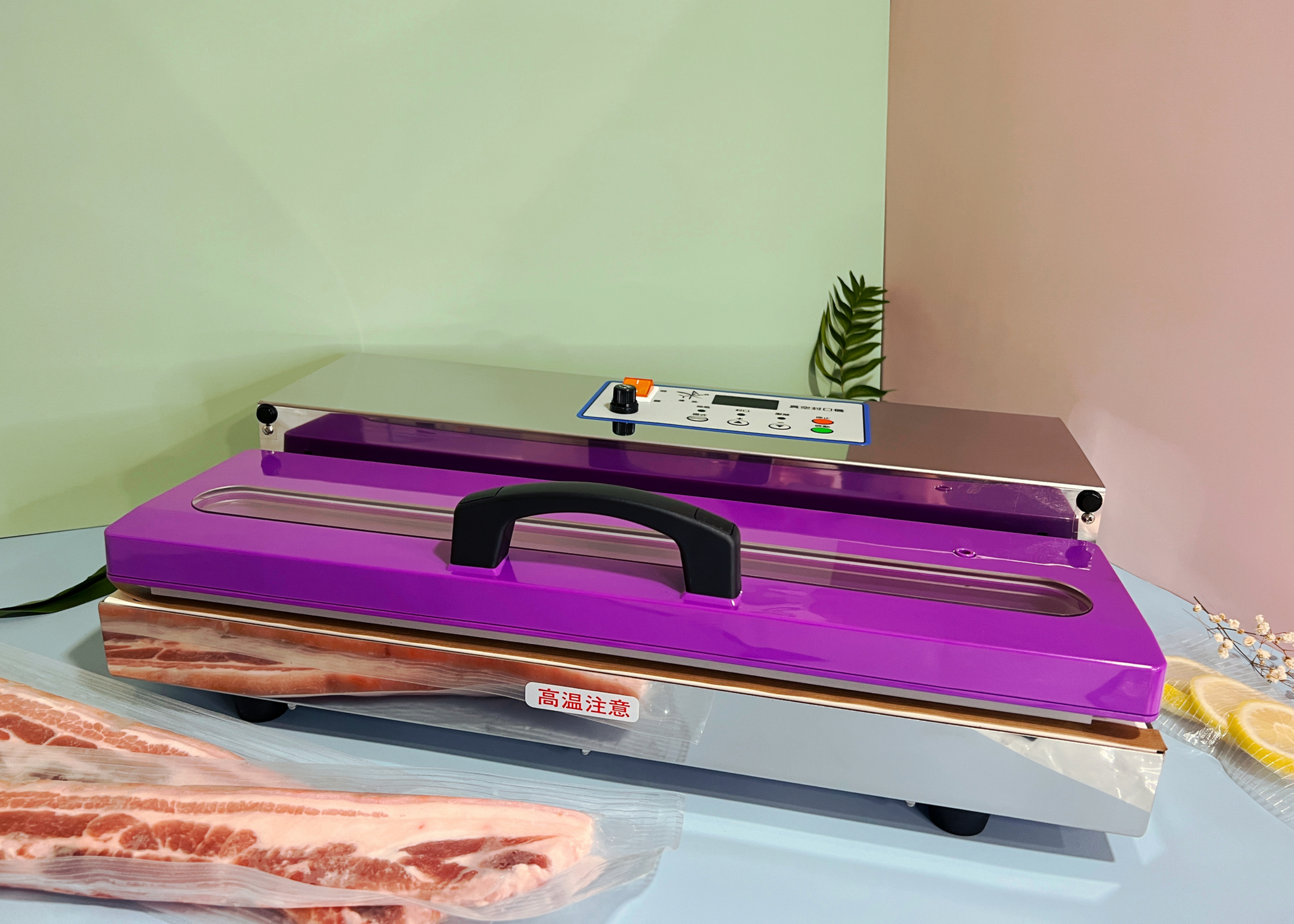
A vacuum sealer is a device widely used in food preservation, electronic product packaging, and other scenarios requiring the removal of air from the packaging. It effectively extends the shelf life of food, reduces microbial growth in the air, and maintains
product freshness. Below, we'll explain step-by-step how to use a vacuum sealer, helping you master this skill with ease. How to Use a Vacuum Sealer 1: Preparation First, ensure your vacuum sealer is properly installed and connected to a power source. Choose
a vacuum sealing bag that fits the item you need to package. Different items may require bags of different sizes or materials. How to Use a Vacuum Sealer 2: Place the Item Place the item you want to seal evenly inside the vacuum bag. Make sure not to exceed
the bag's maximum capacity and leave enough space at the opening of the bag so the vacuum sealer machine can seal it effectively. How to Use a Vacuum Sealer 3: Vacuum and Seal Open the lid of the vacuum sealer and place the opening part of the vacuum bag
smoothly on the machine's sealing area. Depending on the model, you may need to manually or automatically close the lid. Select the vacuum and sealing settings suitable for your item (if the machine offers multiple settings), then start the vacuum machine.
The vacuum machine will automatically remove the air from the bag and seal it. How to Use a Vacuum Sealer 4: Finishing Once the sealing is complete, the vacuum machine will signal or automatically open the lid. At this point, you can remove the now-sealed
bag. Your item is now successfully packaged using a vacuum sealer and ready for storage or transport. How to Use a Vacuum Sealer Tips - Before using the vacuum sealer, check if the bag is damaged or has holes to ensure effective sealing. - For foods with
high moisture content, consider pre-freezing them to prevent moisture from being drawn out during the vacuum process, which could affect the sealing quality. - Regularly clean and inspect your vacuum sealer to ensure its long-term effective operation. How
to Use a Vacuum Sealer?
MORE
2025/2/18
Vacuum Sealing: A Baker's Best Friend
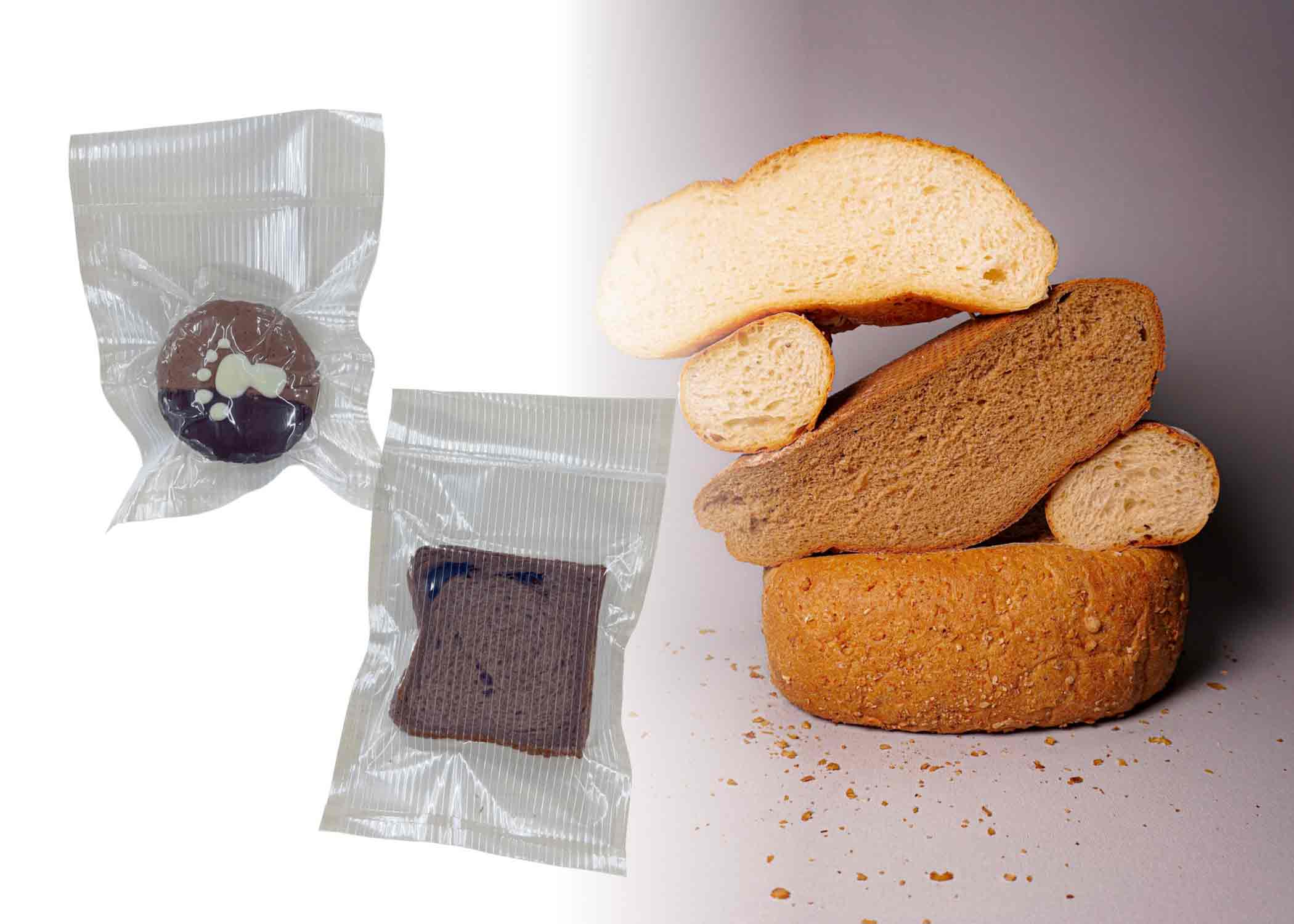
Vacuum Sealing: A Baker's Best Friend Vacuum sealing has revolutionized food storage, and baking is no exception. By removing air from packaging, vacuum sealing helps: ◆Extend Shelf Life: Preserve ingredients like flour, nuts, and yeast for longer,
preventing spoilage and ensuring optimal baking results. ◆Maintain Freshness: Keep baked goods like cookies, cakes, and bread fresher for longer by preventing moisture loss and staling. Daily Sealing Vacuum Sealer is perfect for home bakers. It's designed
to handle both dry and liquid ingredients, making it ideal for preserving a wide range of baking supplies and finished products. Key benefits of using Daily Sealing vacuum sealer: ◆Easy to use: Simple operation for convenient home use. ◆Versatile: Suitable
for various baking ingredients and products. ◆Durable: Built to last for long-term use. Tips for vacuum sealing: ◆Choose the right bags: Use food-grade vacuum bags for safe storage. ◆Set the correct vacuum level: Too much vacuum can damage soft goods,
while too little won't be effective. ◆Store properly: Refrigerate or freeze vacuum-sealed items for optimal preservation. By investing in a vacuum sealer, home bakers can enjoy fresher ingredients, longer-lasting baked goods, and more efficient food storage.
Ready to elevate your baking game? Contact Daily Sealing today for more information and to find the perfect vacuum sealer for your needs.
MORE