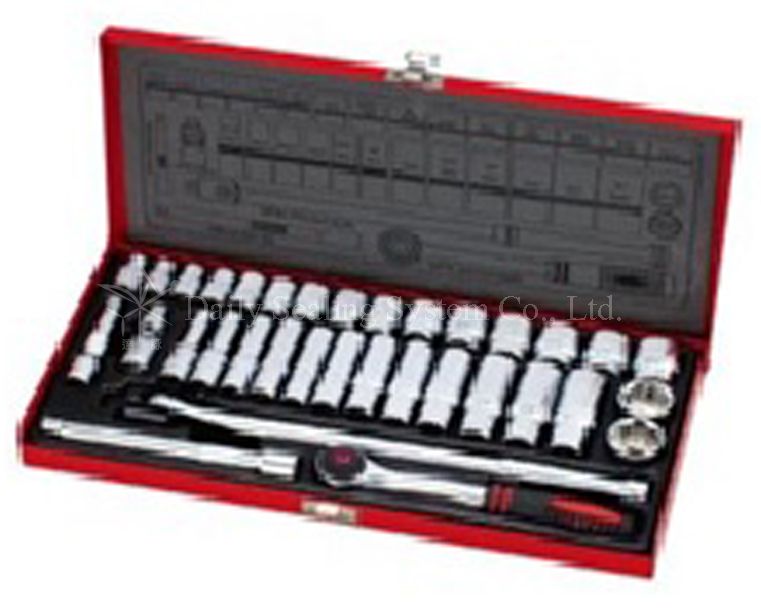
- Detail
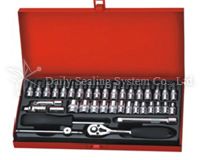
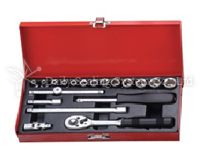
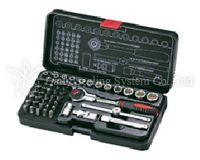
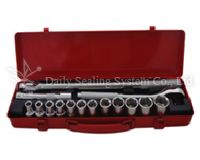
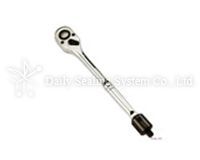
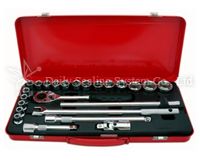
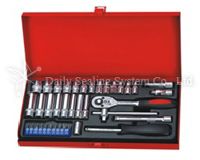
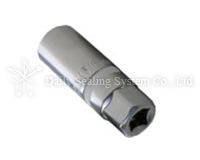
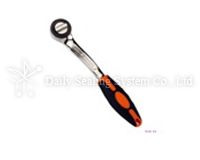
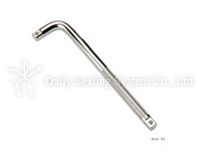
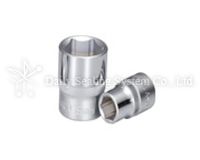
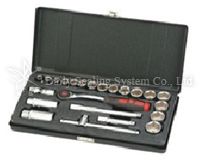
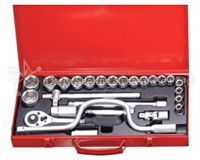
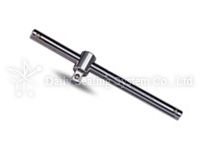
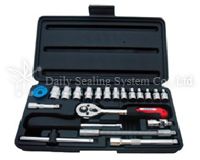
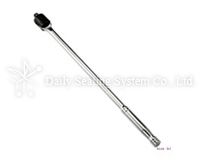
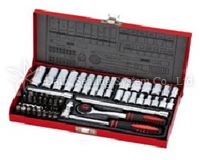
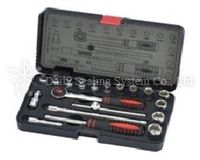
3/8"DR 34PCS 72T SOCKET WRENCH SET
| Material: | CHROME VANADIUM |
| Contents: | 1-MATEL CASE |
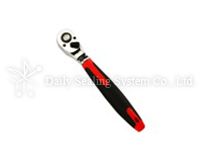
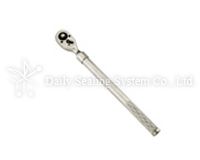
| 1-72T RELERSIBLE RATCHET HANDLE | |
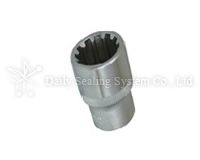
| 17-SOCKET 8-9-10-11-12-13-14-15-16-17-18-19-20-21-22-23-24MM | |
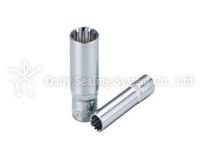
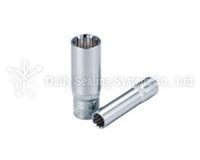
| 12-DEEP SOCKET 8-9-10-11-12-13-14-15-16-17-18-19MM | |
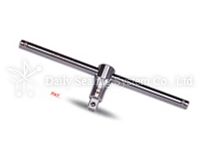
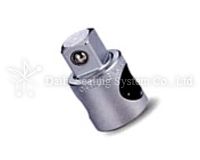
| 1-UNIIVERSAL JOINT | |
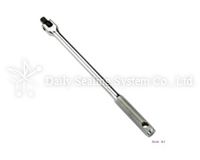
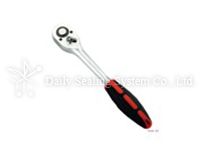
| 1-FLEXIBLE HANDLE | |
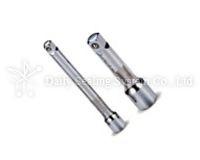
| 2-EXTENSION BAR 75-150MM |
Specification
You May Also Like

_1.jpg)
_1.jpg)

.jpg)
_1.jpg)


Why Choosing Dailysealing
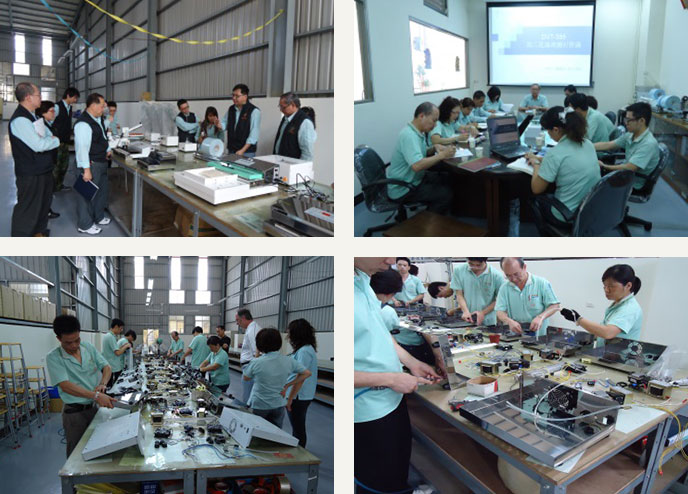
Parts and material quality control
- Heating elements are from Japan.
- Motor, Transformers, PCB and vacuum bags are made in Taiwan.
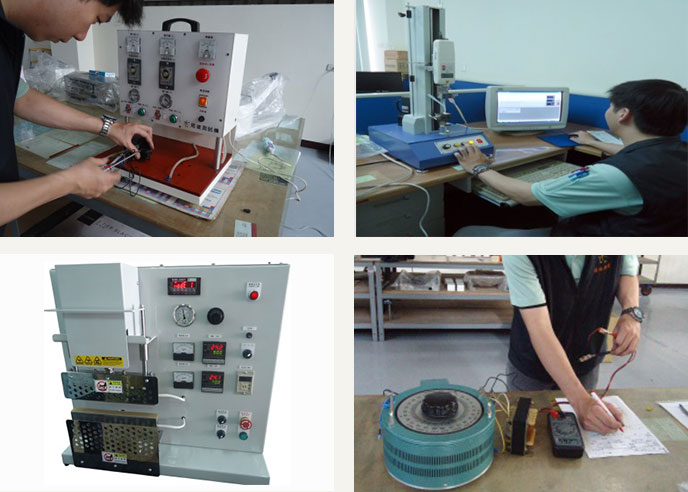
Strict quality control
- 100% product inspection: The inspection is included functions and appearance of sealing machines.
- Tensile strength test to ensure the sealing line tensile strength value reaches the customer standard.
- Electric leakage test: Puncture and insulation test.
- Our production and inspection are all based on ISO 9001.
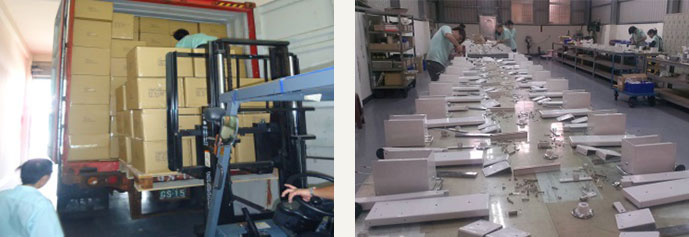
Professional packaging and sealing machine factory
- Produce many kinds sealing machines and ODM/OEM products and provide custom-made services.
- More than 30 year experiences in packaging machines industry.
- Sell sealing machines to America, Europe, Latin America and Asia.
- 85% products in stocks, so we can deliver the products quickly.
- The production process is based on SOP to ensure the quality of sealing machines consistently.
Complete range of specifications of sealing machines
- Complete range of specifications of sealing machines.
- Many kinds of sealing machines and consumptive materials in stocks, so customers can do one-stop shopping here.
- The customers include Biotechnology companies, Medical equipment companies, Food industry, Electronics industry, Handmade soap industry and other industry..
Custom-made sealing machine service
- Custom-made sealing machine service
- Designs of the special sealing machine for irregular shape sealing line, such as U-shape sealing line and L-shape sealing line.
- Different width of sealing line could be custom-made to meet customer requirements.
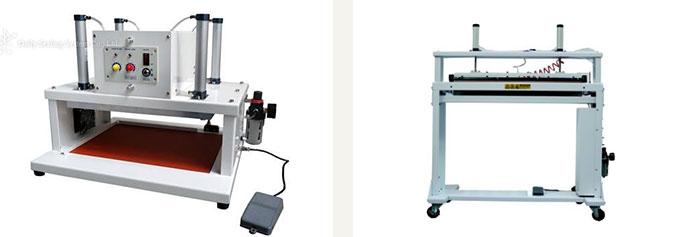
After-sales service of professional sealing machine
- Provide the professional service for repair the broken sealing machine immediately.
- The sufficient supply of parts stock, so don’t worry about the parts replace.
- Some parts of sealing machine are used in common specifications, so it is easy to get the parts for replace.
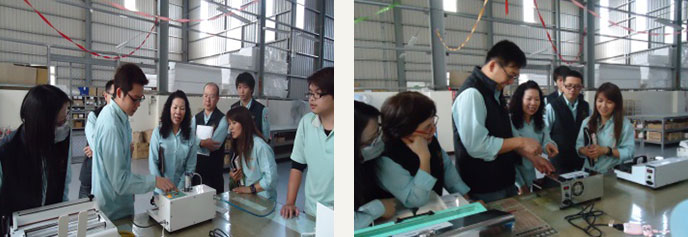
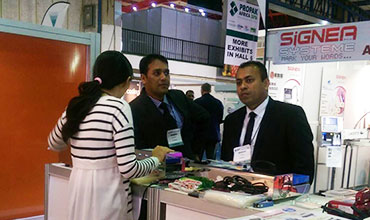
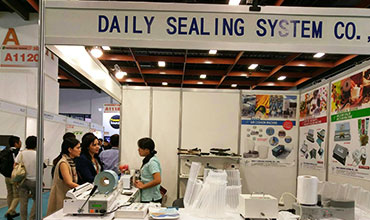
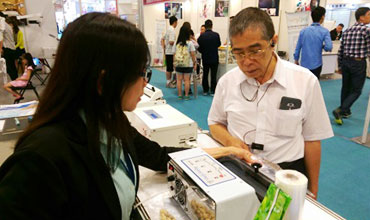
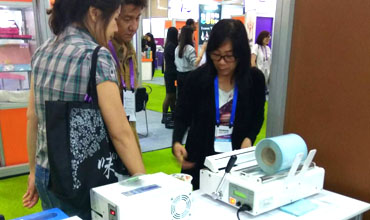
Exhibitions and trade shows





News
2025/12/24
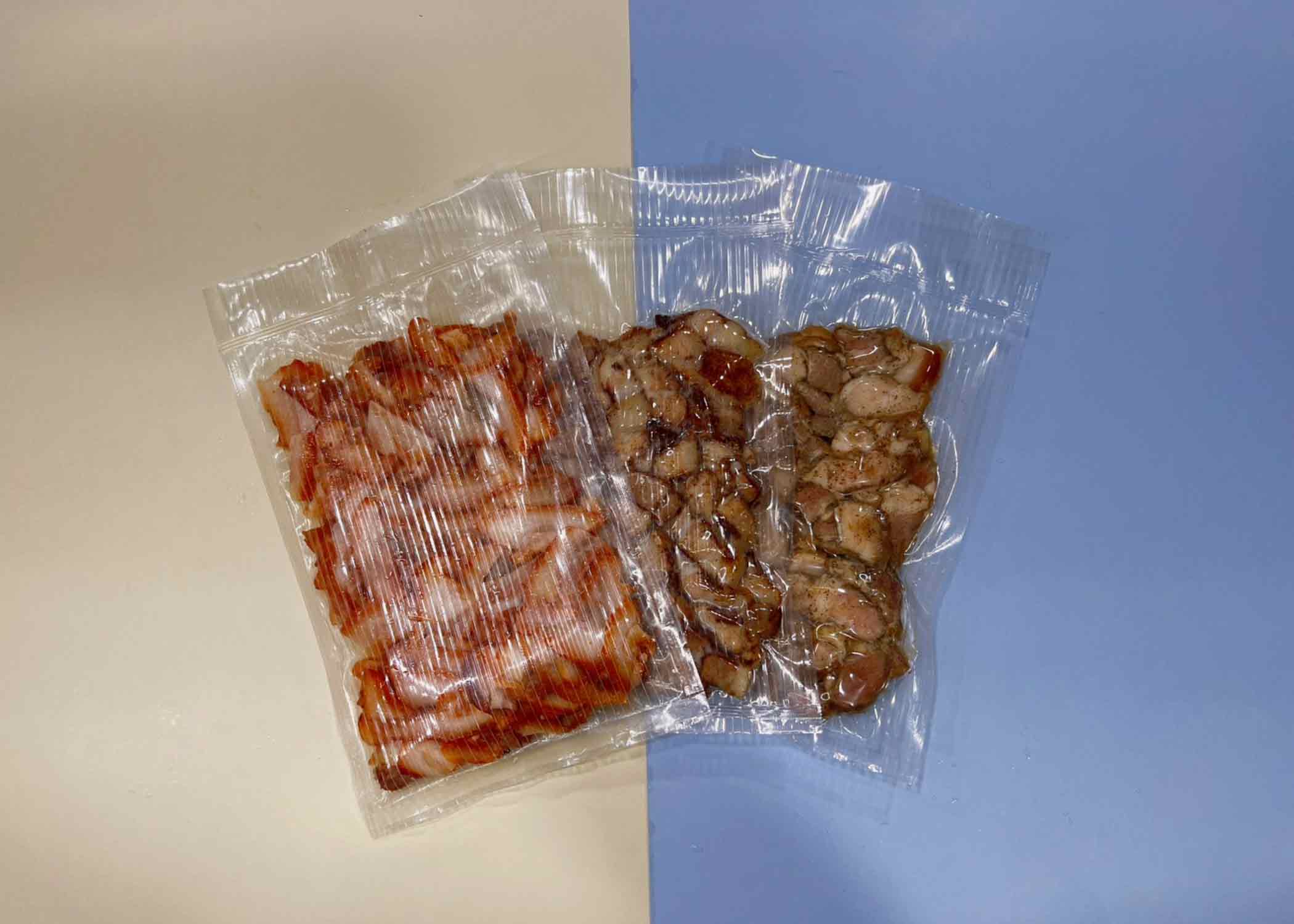
Pro Tips: How to Vacuum Seal Liquids and Moist Foods Without a Mess (Vacuum Sealing, Seale
Pro Tips: How to Vacuum Seal Liquids and Moist Foods Without a Mess (Vacuum Sealing, Sealer Tips) One of the biggest frustrations for new users is trying to vacuum seal liquids and moist foods. When the air is pulled out, the liquid can be drawn right
up into the machine, which can ruin the seal, damage the internal pump, and make a huge mess. Follow these pro tips to seal liquids, soups, sauces, and high-moisture items like marinated meats successfully: The
Freezer Trick (The Gold Standard): For any liquid (soups, sauces, stocks) or high-moisture food (marinated chicken), pre-freeze it for 1 to 2 hours until it is slushy or mostly solid. Once partially frozen, the liquid is too dense to be sucked up during the
vacuum process, ensuring a clean, perfect seal. The "Moist" Setting: Many modern vacuum sealers have a "moist" or "liquid" setting. This function typically pulls a weaker or slower vacuum and then seals sooner, giving the liquid less time to migrate to the
sealing bar. Leave Plenty of Headroom: Always leave more space than usual between the food and the top of the bag—at least 3 to 4 inches. This acts as a buffer zone. Use a Paper Towel Buffer: For wet-marinated meats, you can loosely place a small, folded
piece of paper towel just inside the top of the bag, right before the sealing area. It acts as a moisture trap to catch any escaping liquid before it hits the sealing strip. Double Seal: For extra protection on liquids destined for the freezer, press the
seal button a second time right after the first seal is complete. This creates a redundant double seal just above the first one, adding security against leaks.
MORE
2024/2/23
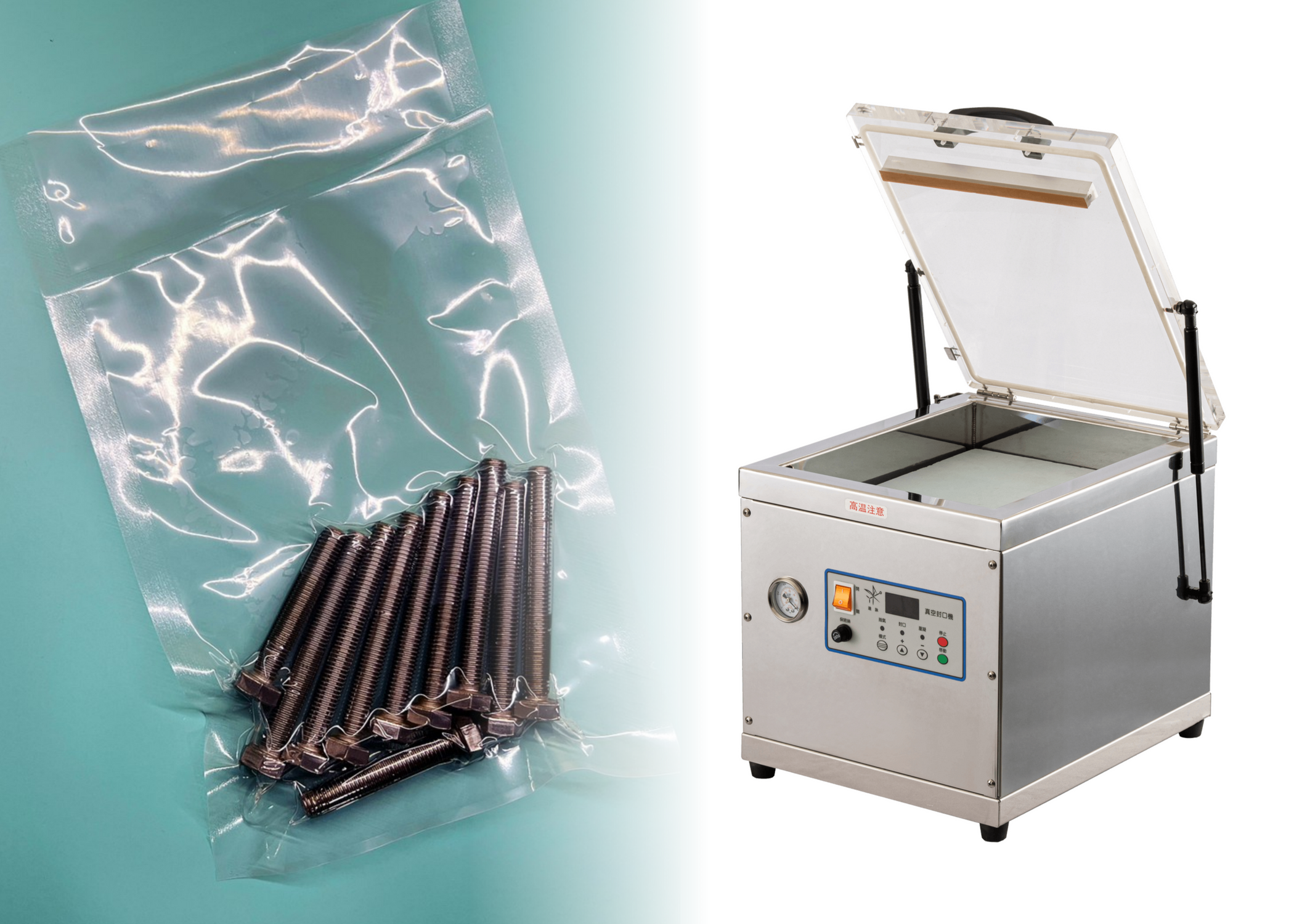
Choosing the Right Vacuum Sealer: Universal vs. Specific Bag Models Explained
Choosing the Right Vacuum Sealer: Universal vs. Specific Bag Models Explained The main difference between universal vacuum sealers and specific bag vacuum sealers lies in their adaptability to materials and types of vacuum seal bags. These differences
directly affect the vacuum sealer's range of use, flexibility, and cost-effectiveness. Universal Vacuum Sealers Universal vacuum sealers, as the name suggests, are machines that can use vacuum seal bags of various materials and thicknesses. The main advantage
of these sealers is their versatility and flexibility. 1. Universal vacuum sealers usually have an open sealing area where users can place food or other items before starting the vacuum sealing process. 2. When using a universal vacuum sealer, there is typically
no need to choose a specific size or type of sealing bag, as they can adapt to different sizes and types of bags. 3. This type of sealer is generally more suitable for home use, as they are simpler and more convenient to operate, requiring less setup and adjustment.
4. Versatility: They can use bags of various materials, including PE, PA, PET, etc., without restrictions on the material of the sealing bag. 5. Cost-effectiveness: Since cheaper, generic bags can be used, it may be more cost-effective in the long run. 6.
Broad applicability: Suitable for packaging a wide range of needs, whether food or non-food items. Specific Bag Sealers Specific bag sealers are machines that can only use vacuum seal bags of a particular material or brand. These sealers are often designed
for special bag materials or specific sealing needs. 1. Specific bag vacuum sealers require the use of particular sizes and types of sealing bags. Before use, users need to place food or other items into the sealing bag, then insert the bag's opening into
the sealer for sealing. 2. This type of sealer typically offers more sealing options, such as different sizes of sealing bags, wet and dry sealing, etc. 3. Specific bag vacuum sealers are generally more suitable for commercial use or situations requiring a
lot of sealing, as they can provide higher efficiency and more options. 4. Specialization: Requires the use of specific materials or brands of bags, which are usually designed to fit the machine's sealing method. 5. Cost: The cost of specialized bags is generally
higher than that of generic bags, which may increase the long-term cost of use. 6. Quality control: Using specialized bags may result in better quality control and sealing effects, as the machine and bags are designed as an integrated system. Considerations
for Choosing Between Universal and Specific Bag Vacuum Sealers 1. Cost: Consider the initial investment and the long-term cost of use. 2. Usage needs: Choose a more flexible universal vacuum sealer if your sealing needs involve frequently changing bag types,
or a specific bag sealer if you have higher requirements for sealing quality. 3. Convenience of operation: Universal vacuum sealers are generally simpler and more convenient to operate, as they have less strict requirements for the bags. In summary, choosing
between a universal vacuum sealer or a specific bag vacuum sealer should be based on your sealing needs, budget, and quality requirements. If you need higher flexibility and cost-effectiveness, a universal model may be a better choice; if you have higher requirements
for sealing effects and do not mind the cost of specialized bags, then a specific bag model may be more suitable. g Choosing the Right Vacuum Sealer: Universal vs. Specific Bag Models Explained
MORE
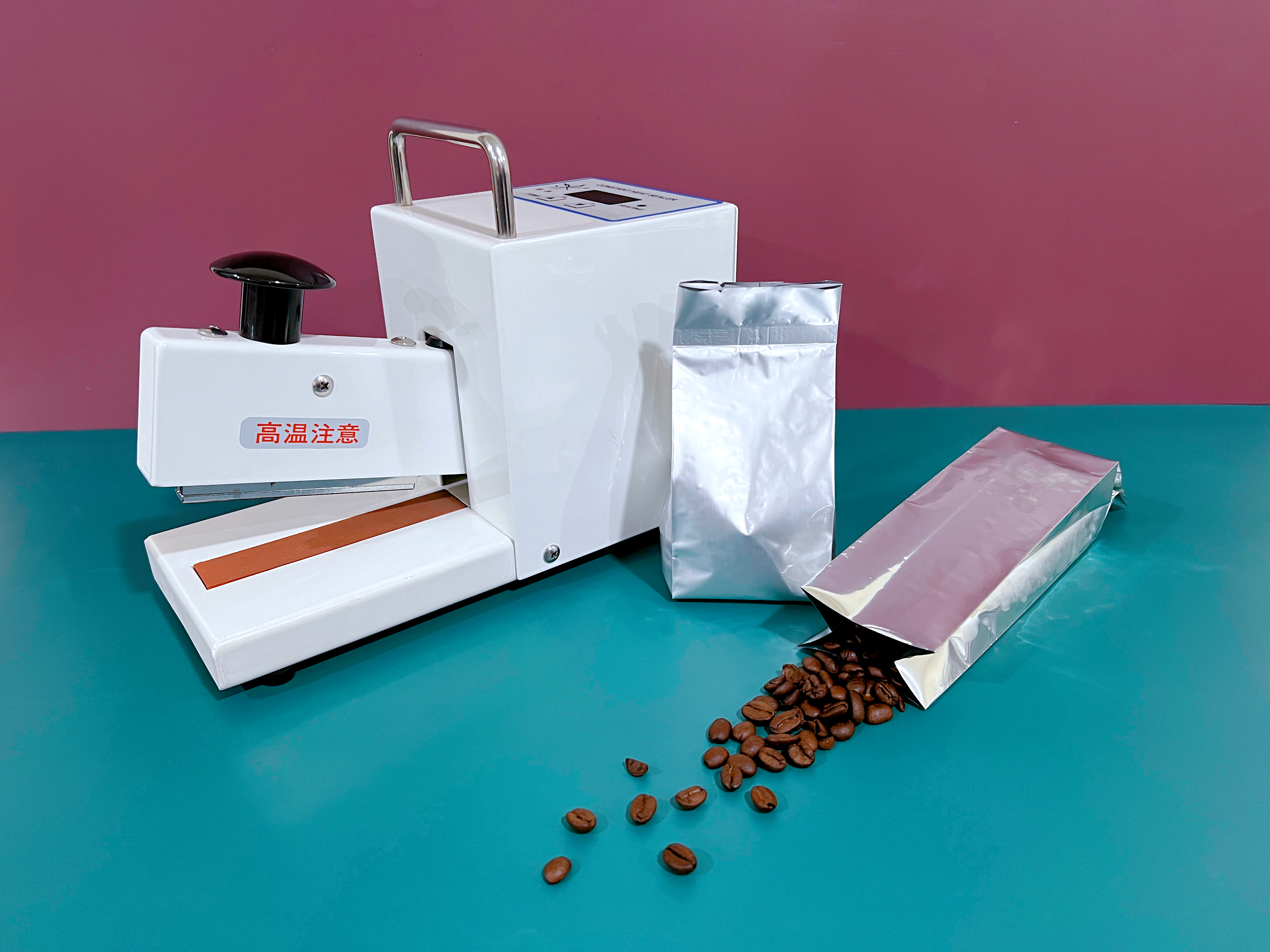
2023/4/28
How to choose a suitable sealing machine? (Impulse heat sealer vs. constant heat sealer)
Various types of sealers on the market have different features and operating methods, how to choose a sealing machine that is easy to use and suitable for you. The following are divided into two types according to the heating method of the sealing machine:
Impulse heat sealers and Constant heat sealers are introduced. Impulse heat sealers can set sealing time to heat. When the operator presses the handle to touch the micro switch, heating element will be heated and when reaching the set sealing time, power
off automatically, the heating element is no longer heating. The impulse heat sealer can be divided into single heating and double heating. The applicable materials are as follows: Single heating: plastic bags, such as PE, PP, non-woven bags etc. Double heating:
aluminum foils gusset bags (such as tea bags), vacuum bags, sterilization bags, and thick bags. The width of the heating element of the impulse heat sealer is divided into 2mm/2.7mm, 5mm and 10mm. If you want to fuse without leaving an edge, you need
to choose a round wire: 0.6mm/0.8mm. Consumables for Impulse heat sealer include heating element, Teflon cloth, and Teflon tape. Different types of sealing machine, such as hand type sealers and foot type sealers, use the different size Teflon tape or Teflon
cloth. Please ask for details of consumables when purchasing. Tips: 1. Different bags require different heating time. We suggest the users set the short time in the beginning. If the sealing line is not complete, the user can set a little longer sealing
time. Please don’t set the maximum sealing time in the beginning. If the sealing time is too long, the bags will be melted. It will also shorten the life of the heating element. If the sealing line melts, please decrease the sealing time. 2. When the
sealing time of the sealing machine reach the target time (the red light is off), stay for a few seconds for the cooling time and then release the handle, the sealing line will be beautiful and complete. 3. If the heating light indictor is on, but the
heating element can't heat up. Please check the heating element, maybe the heating wire is broken. The user can take off the Teflon cloth first to check the heating element. If the Teflon cloth is burnt black, even burned, please replace the Teflon cloth.
If the user doesn’t change the new one, it might make the heating element broken fast. Constant heat sealer is temperature controlled sealing machine. After turning on the power, it needs to warm up for 5-10 minutes. When the temperature of the sealing
seat reaches the set temperature, it will maintain constant temperature. Constant heat sealers use heating tubes or heating plates for heating. Because the heating bars maintain the high temperature, be careful when operating the constant heat sealers. Please
don't touch the heating bar to avoid burns. There are three patterns of sealing line: net pattern (cross pattern), stripes pattern, and flat pattern. More people choose cross patterns. The constant heat sealer is available for aluminum foil bag, vacuum nylon
bag, tinfoil bag, sterilization bag. Please don’t use the constant heat sealer to seal PE, PP and other plastic material bags. The bags will melt and stick to the heating bar. It will be hard to clean up the heating bar, and might make the sealing line incomplete.
The width sealing line of constant heat sealer is 10mm and 15mm. Tips: The different materials bags are suitable for different temperatures. We suggest the users start to seal the bags by low temperature. If the sealing line is not complete, it means the
temperature is not enough, please set a little higher temperature. If the sealing line melts, indicates the temperature is too high, please turn down the temperature. When the users adjust the higher or lower temperature, please wait the few seconds to let
the current temperature to reach the setting temperature.
MORE