Pro Tips: How to Vacuum Seal Liquids and Moist Foods Without a Mess (Vacuum Sealing, Seale
Pro Tips: How to Vacuum Seal Liquids and Moist Foods Without a Mess (Vacuum Sealing, Sealer Tips)
One of the biggest frustrations for new users is trying to vacuum seal liquids and moist foods. When the air is pulled out, the liquid can be drawn right up into the machine, which can ruin the seal, damage the internal pump, and make a huge mess.
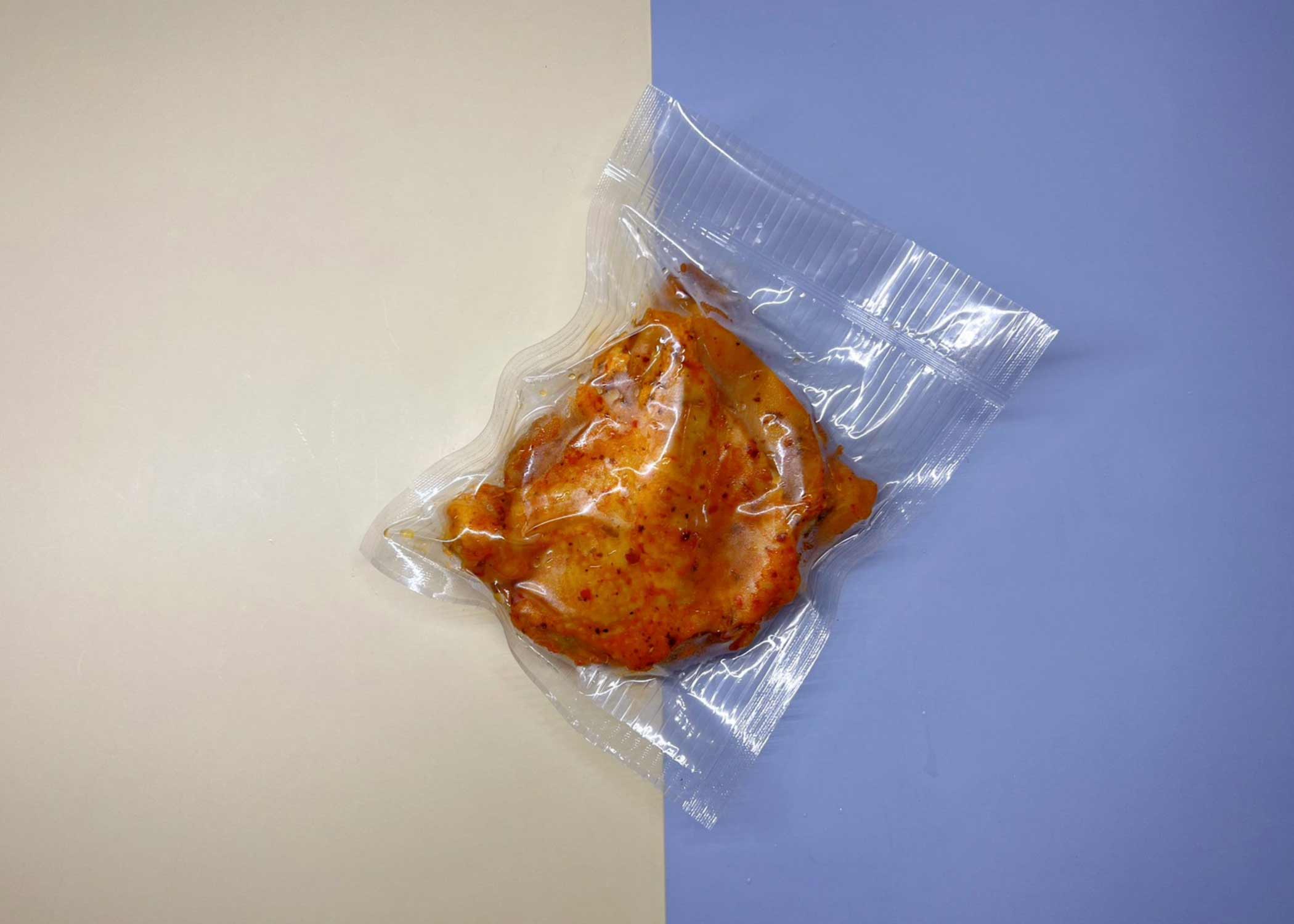
Follow these pro tips to seal liquids, soups, sauces, and high-moisture items like marinated meats successfully:
The Freezer Trick (The Gold Standard): For any liquid (soups, sauces, stocks) or high-moisture food (marinated chicken), pre-freeze it for 1 to 2 hours until it is slushy or mostly solid. Once partially frozen, the liquid is too dense to be sucked up during the vacuum process, ensuring a clean, perfect seal.
The "Moist" Setting: Many modern vacuum sealers have a "moist" or "liquid" setting. This function typically pulls a weaker or slower vacuum and then seals sooner, giving the liquid less time to migrate to the sealing bar.
Leave Plenty of Headroom: Always leave more space than usual between the food and the top of the bag—at least 3 to 4 inches. This acts as a buffer zone.
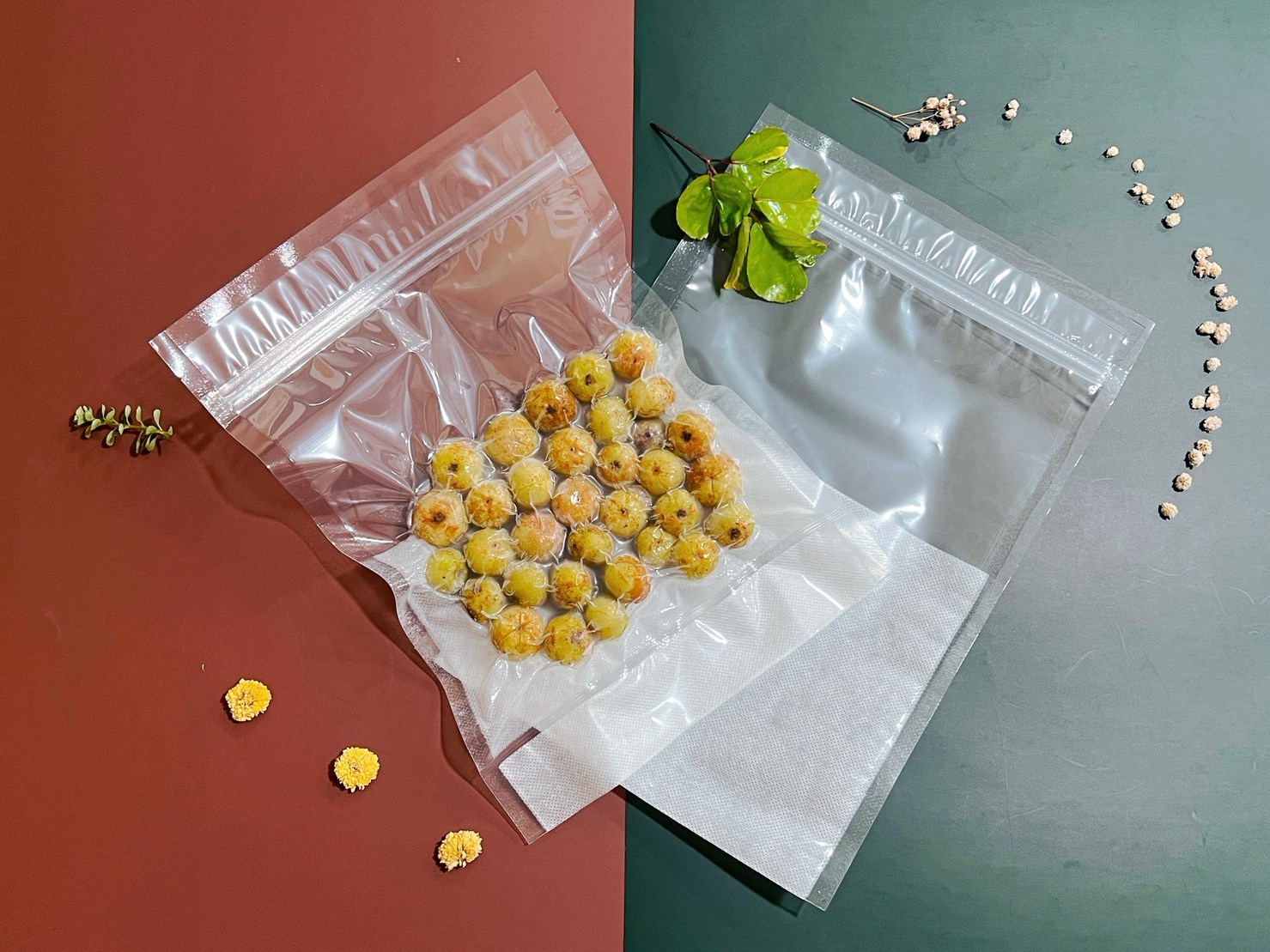
Use a Paper Towel Buffer: For wet-marinated meats, you can loosely place a small, folded piece of paper towel just inside the top of the bag, right before the sealing area. It acts as a moisture trap to catch any escaping liquid before it hits the sealing strip.
Double Seal: For extra protection on liquids destined for the freezer, press the seal button a second time right after the first seal is complete. This creates a redundant double seal just above the first one, adding security against leaks.