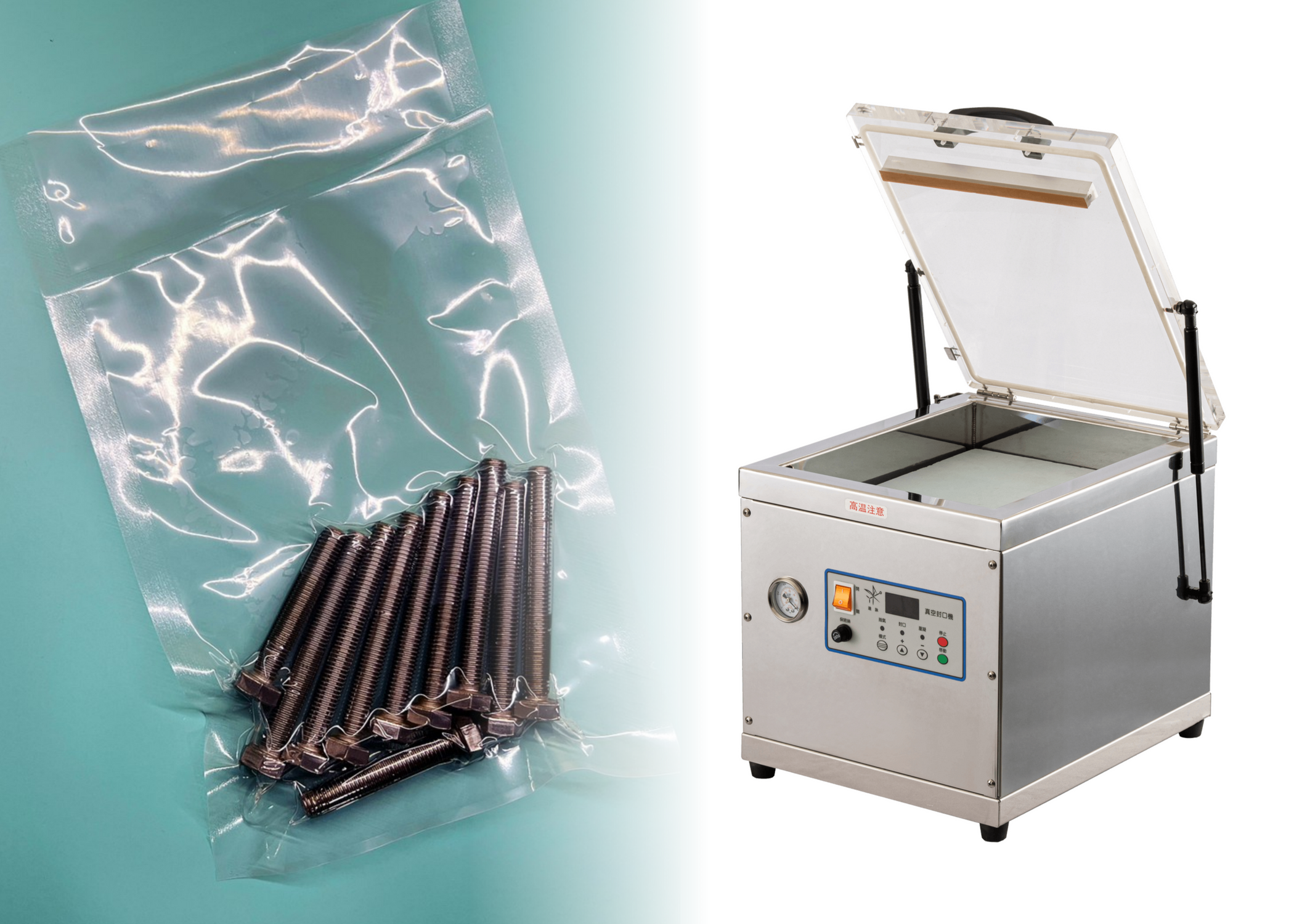
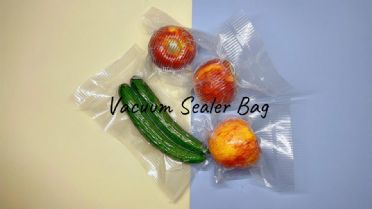
A: Due to the material density, regular plastic bags are usually made of PE material. Even after vacuuming and sealing, air can seep back into the bag. After leaving it for some time, the vacuum effect will disappear.
Q: What types of bags are suitable for vacuum sealers?
A: The most common materials for vacuum packaging bags are nylon (NY) bags and aluminum foil bags. Both materials effectively prevent air from re-entering the vacuum-sealed bag, maintaining the vacuum state inside.
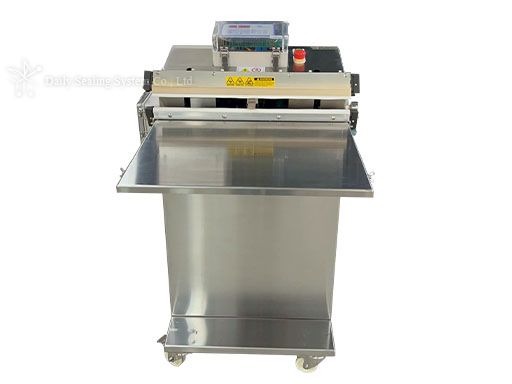
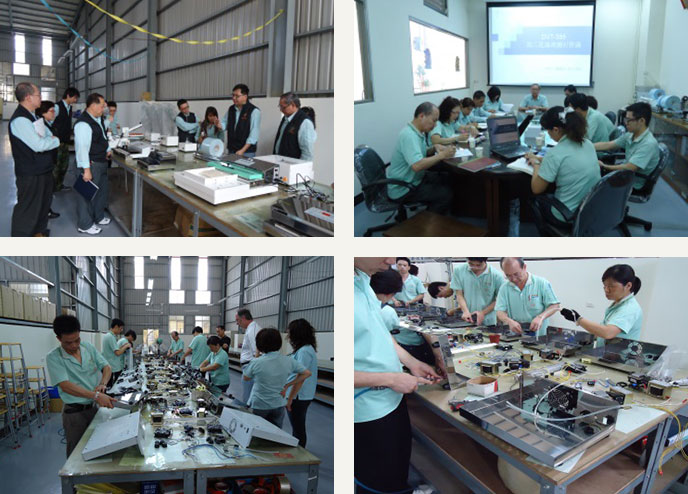
Motor, Transformers, PCB and vacuum bags are made in Taiwan.
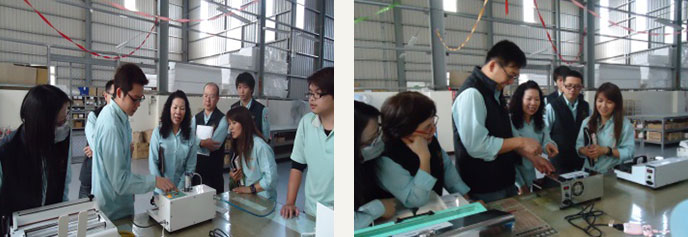
Strict quality control
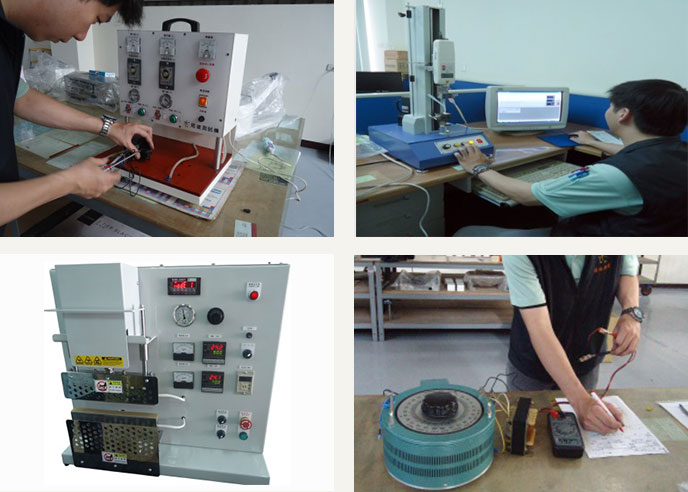
100% product inspection: The inspection is included functions and
appearance of sealing machines.
Tensile strength test to ensure the sealing line tensile strength
value reaches the customer standard.
Electric leakage test: Puncture and insulation test.
Our production and inspection are all based on ISO 9001.
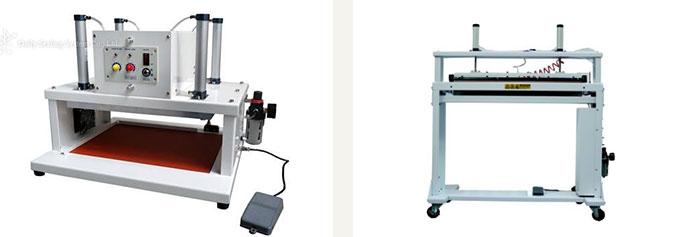
Professional packaging and sealing machine factory
Produce many kinds sealing machines and ODM/OEM products and provide
custom-made services.
More than 30 year experiences in packaging machines industry.
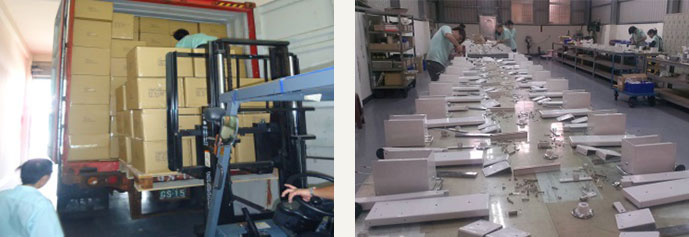
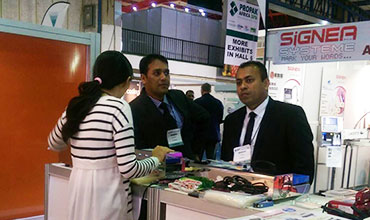
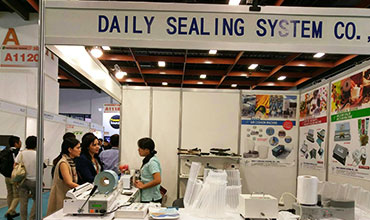
Sell sealing machines to America, Europe, Latin America and Asia.
85% products in stocks, so we can deliver the products quickly.
The production process is based on SOP to ensure the quality of
sealing machines consistently.
Complete range of specifications of sealing machines
Complete range of specifications of sealing machines.
Many kinds of sealing machines and consumptive materials in stocks,
so customers can do one-stop shopping here.
The customers include Biotechnology companies, Medical equipment
companies, Food industry, Electronics industry, Handmade soap
industry and other industry..
Custom-made sealing machine service
Custom-made sealing machine service
Designs of the special sealing machine for irregular shape sealing
line, such as U-shape sealing line and L-shape sealing line.
Different width of sealing line could be custom-made to meet
customer requirements.
After-sales service of professional sealing machine
Provide the professional service for repair the broken sealing
machine immediately.
The sufficient supply of parts stock, so don’t worry about the parts
replace.
Some parts of sealing machine are used in common specifications, so
it is easy to get the parts for replace.
How to Extend Sealing Machine Service Life: 7 Maintenance and Operating Practices For food processors, manufacturers, contract packers and other B2B packaging operations, a sealing machine is often a critical part of daily production. Equipment condition
can directly affect seal consistency, production throughput, maintenance workload and the risk of unplanned downtime. Even two identical machines can have very different service lives when they are operated under different production conditions. Correct heat-sealing
settings, routine cleaning and timely replacement of worn consumables are three of the most practical ways to reduce unnecessary equipment wear. This guide explains seven maintenance and operating practices for impulse sealers, foot sealers, continuous band
sealers, vacuum sealers and other industrial sealing equipment. Quick Answer: 7 Ways to Extend Sealing Machine Service Life Use the correct heat-sealing settings — avoid excessive temperature or heating time. Use packaging materials compatible with the machine
— confirm pouch structure, thickness and sealing method. Clean the sealing area after production — remove oil, powder and product residue. Operate within the machine's rated duty cycle — do not continuously overload intermittent-duty equipment. Inspect and
replace worn consumables — heating elements, PTFE covers and silicone pads should be checked regularly. Store equipment correctly — protect the machine from moisture, dust and unnecessary environmental exposure. Maintain equipment records — document consumable
replacement, settings and abnormal events. 1. Use the Correct Heat-Sealing Settings Excessive heat is one of the common causes of premature wear on sealing-machine consumables. Production operators sometimes assume that a higher temperature or longer heating
time will always create a stronger seal. In practice, excessive thermal input can shorten the service life of heating elements, PTFE covers and silicone pressure pads while also damaging the packaging material. It is also important to understand that not every
machine directly controls temperature. Impulse sealers typically control heating time or output, while constant heat sealers and continuous band sealers commonly use adjustable temperature controls. Potential Effects of Excessive Heat Heating elements may
oxidize, become brittle or fail sooner PTFE covers or heat-resistant tape may discolor, carbonize or wear faster Silicone pressure pads may deform and reduce pressure uniformity Packaging film may burn, shrink or stick to the sealing surface Heat stress may
increase wear on surrounding machine components Better Sealing-Setting Practice Confirm pouch material, structure and thickness Start from the recommended heat or timing range Run sample seals before full production Re-test when the packaging material or supplier
changes Record validated machine settings for repeat production Related Guide: Heat-sealing conditions vary significantly by packaging material. Refer to our Heat Sealing Temperature Guide for Different Packaging Materials. 2. Use Packaging Materials Compatible
with the Sealing Machine Packaging-material compatibility is an important factor in both seal quality and machine life. Different pouch structures require different heating methods, sealing times, pressures and machine configurations. Using a machine outside
its intended material range may force operators to compensate with excessive heat or extended sealing time, which can increase consumable wear without solving the actual compatibility problem. Common Material-to-Machine Compatibility Issues: Thick foil laminates
on a standard impulse sealer: Some multi-layer foil pouches require stable, adjustable heat that a basic impulse sealing system may not provide. Confirm pouch structure and machine capability before production. Vacuum embossed bags on an incompatible vacuum
system: Embossed vacuum bags are commonly used with specific external vacuum systems. Incorrect bag and machine combinations may result in poor air extraction, weak seals or vacuum loss. Bag width exceeding the sealing length: The full bag opening must fit
within the effective sealing length. Increasing heat cannot compensate for a bag opening that extends beyond the sealing bar. Using excessive temperature to compensate for thick material: Pouch thickness is only one factor. Heat method, dwell time, pressure
and sealing width should be evaluated together. 3. Clean the Sealing Area After Daily Production Routine cleaning is one of the simplest preventive-maintenance practices for sealing equipment. Powder, oil, food particles, adhesive residue and moisture can
accumulate around the sealing area. Repeated heating may carbonize this contamination, affecting heat transfer and gradually damaging PTFE covers, heating elements and pressure surfaces. Daily Cleaning Checklist Remove powder, oil and product residue from
the sealing area Inspect the PTFE surface for contamination or damage Remove carbonized residue around the heating area Inspect the sealing bar and pressure surface Confirm that ventilation openings are not blocked Cleaning Precautions Disconnect the machine
from power before maintenance when required by the equipment manual Allow heated components to cool before cleaning Avoid applying liquid cleaner directly to electrical or heating components Do not scrape PTFE surfaces with sharp or abrasive tools Follow the
machine manufacturer's cleaning instructions 4. Operate Within the Machine's Rated Duty Cycle Different sealing machines are designed for different production volumes and operating patterns. A small impulse sealer used intermittently has a different duty requirement
from a continuous band sealer designed for higher-volume production. For B2B buyers, machine selection should therefore be based not only on sealing length and material type, but also on hourly output, daily production volume and expected operating time. Machine
TypeTypical Operating PatternMaintenance / Operating Consideration Hand Impulse Sealer Intermittent manual sealing for low- to medium-volume packaging Follow the rated duty cycle and observe seal consistency during repetitive operation. If production volume
is consistently high, evaluate a higher-duty machine. Foot Impulse Sealer Repeated manual sealing where hands-free operation improves workflow Monitor seal consistency, heating element condition and production frequency. Avoid exceeding the manufacturer's
recommended duty cycle. Continuous Band Sealer Continuous higher-volume packaging Monitor heater condition, temperature stability, conveyor speed and moving components. Follow the manufacturer's inspection and maintenance schedule. Vacuum Sealer Vacuum extraction
and sealing performed as a production cycle Inspect vacuum-pump performance, sealing components and rated cycle frequency. For oil-lubricated pumps, maintain pump oil according to the equipment manual. 5. Inspect Consumables and Replace Them Before Failure
Affects Production Heating elements, PTFE covers and silicone pressure pads are normal wear components on many sealing machines. Their service life depends on machine type, production frequency, material structure, heat settings and operating conditions. Instead
of replacing consumables only after a complete failure, establish regular inspection points and replace parts when visible wear or seal-quality deterioration appears. This helps reduce the risk of secondary damage and unexpected production interruption. Heating
Element / Heater Wire Inspect when: seal lines become uneven, heating becomes inconsistent, the element shows visible discoloration, deformation or signs of fatigue. Why it matters: a deteriorated heating element may create localized heating problems and can
also damage the PTFE cover or pressure surface. PTFE Cover / Heat-Resistant Tape Inspect when: the surface shows abrasion, holes, burnt areas, contamination or sticking during sealing. Why it matters: damaged PTFE material may allow packaging film to contact
the heating element directly, leading to sticking, contamination and additional component wear. Silicone Rubber Pad Inspect when: the pad becomes hardened, uneven, permanently compressed or visibly damaged. Why it matters: an uneven pressure surface can cause
inconsistent sealing pressure across the seal line. 6. Store Sealing Equipment in a Clean, Dry Environment Equipment condition can deteriorate even during periods when the machine is not in production. Moisture, dust, direct sunlight and poor storage practices
may affect metal components, electrical systems, rubber parts and ventilation paths. Recommended Storage Practices: Keep equipment dry: store machines away from water sources, condensation and excessive humidity. Control dust: use an appropriate protective
cover during extended idle periods while keeping required ventilation areas clear. Avoid direct sunlight and heat: prolonged exposure may accelerate aging of plastics and rubber components. Store power cables correctly: avoid excessive bending, crushing or
tension on the cable and plug. Before restarting after long-term storage: inspect the power cable, heating components, moving parts and machine exterior before trial operation. For vacuum sealing machines: check vacuum-pump condition before restarting. Oil-lubricated
pumps should be inspected and serviced according to the manufacturer's instructions. 7. Keep a Preventive Maintenance and Consumables Record For sealing equipment used every day, a simple maintenance record helps production and purchasing teams understand
component replacement patterns, identify recurring failures and prepare spare parts before a machine stops unexpectedly. Recommended Maintenance Record Items: Machine information: model, serial number, purchase date and production line Consumable replacement:
heating element, PTFE cover, silicone pad and other wear parts Process settings: validated temperature, sealing time and conveyor speed for each packaging material Seal-quality observations: recurring seal defects and corrective actions Abnormal events: unusual
noise, overheating, vacuum loss, electrical issues or emergency maintenance Spare-parts inventory: critical consumables and replacement components currently in stock A maintenance record does not need to be complicated. A spreadsheet, maintenance form or digital
equipment-management system can be sufficient. The key is consistent documentation so that operators, maintenance staff and purchasing teams can identify trends and plan replacement parts in advance. B2B Maintenance Priority Summary Maintenance AreaWhy It
MattersRecommended Action Sealing settings Excessive heat or time increases wear and can damage packaging material Validate settings for each pouch structure and document them Daily cleaning Residue affects heat transfer and consumable condition Clean and
inspect the sealing area after production Consumables Worn parts can cause seal inconsistency and secondary damage Inspect regularly and keep critical spare parts available Duty cycle Equipment selected for insufficient production volume may be overloaded
Match machine type to required output and operating hours Maintenance records Recurring failures and spare-part usage become easier to identify Record replacement dates, failures and process settings Key Principle: Proper sealing settings, routine cleaning
and timely consumable inspection are relatively simple preventive-maintenance practices that can help reduce unnecessary wear and improve production consistency. Sealing Machine Spare Parts and Technical Support from Daily Sealing System Daily Sealing System
Co., Ltd. is a Taiwan-based sealing machine manufacturer with an in-house production facility. Our product range includes impulse sealers, foot sealers, constant heat sealers, continuous band sealers, vacuum sealers, medical pouch sealers and customized sealing
equipment. For maintenance and replacement-part inquiries, buyers can provide the machine model, serial number, packaging material, production frequency and current operating condition. Our technical team can help identify compatible consumables, replacement
parts and maintenance requirements. The following questions reflect common sealing-machine maintenance and service-life concerns from food processors, agricultural packaging companies, electronics manufacturers and industrial packaging users. Frequently Asked
Questions Q1: How long does a sealing machine usually last? There is no universal service-life figure for sealing equipment. Machine life depends on production volume, duty cycle, operating environment, packaging materials, maintenance quality and machine
design. Replaceable parts such as heating elements, PTFE covers and silicone pads should be inspected separately from the main equipment structure. Q2: What commonly causes premature sealing machine wear? Common causes include excessive heat-sealing settings,
contamination around the sealing area, operation beyond the machine's rated duty cycle, incompatible packaging materials and continued use of worn consumables. Regular inspection and correct process settings can reduce these risks. Q3: When should heating
elements and PTFE covers be replaced? Replacement should be based on actual condition rather than a universal calendar interval. Inspect these consumables when seal quality becomes uneven, heating becomes inconsistent, PTFE material is worn or burnt, or packaging
begins sticking to the sealing surface. Q4: Can a hand impulse sealer be used continuously for high-volume production? A hand impulse sealer is generally intended for intermittent manual operation. Actual duty capability varies by model. For sustained higher-volume
production, buyers should compare required output, operating hours and cycle frequency with the machine specification and consider a foot sealer, semi-automatic sealer or continuous band sealer when appropriate. Q5: What maintenance information should purchasing
teams keep for sealing equipment? Keep the machine model and serial number, consumable replacement history, validated sealing settings, maintenance dates, abnormal-event records and spare-parts inventory. These records make it easier to plan preventive maintenance
and source replacement parts before an unexpected shutdown. Further Reading Related guides for sealing-machine buyers, maintenance teams and production managers: → Sealing Machine Maintenance Guide: How Often Should You Service Your Equipment? → Heat Sealer
Not Sealing Properly? Common Causes & Fixes → How to Choose the Right Sealing Length and Sealing Width → Sealing Machine Buying Guide: How to Choose the Right Sealer → When Should You Use a Continuous Band Sealer? About This Article This article was prepared
by the Daily Sealing System technical team for purchasing teams, maintenance personnel, production managers and industrial packaging users. Daily Sealing System Co., Ltd. is a Taiwan-based sealing machine manufacturer with an in-house production facility.
The company manufactures vacuum sealers, impulse sealers, foot sealers, constant heat sealers, continuous band sealers, medical pouch sealers and customized sealing equipment, and provides OEM / ODM support. The company operates under ISO 9001:2015 quality
management practices. Certain products and related packaging materials have CE, FDA, EU No.10/2011 and BPA Free compliance or certifications depending on the product and application. This guide is based on Daily Sealing System's manufacturing, maintenance
and after-sales technical support experience since 2010. Actual maintenance intervals and replacement timing vary by machine model, usage frequency, packaging material and production environment, so always follow the applicable machine manual and maintenance
recommendations. Need Help with Sealing Machine Maintenance or Replacement Parts? Send us your machine model, serial number, packaging material, production frequency and current operating condition. Our technical team can help you evaluate consumables, maintenance
requirements and whether a different machine configuration would better match your production volume. View Sealing Machines Contact Our Technical Team // //
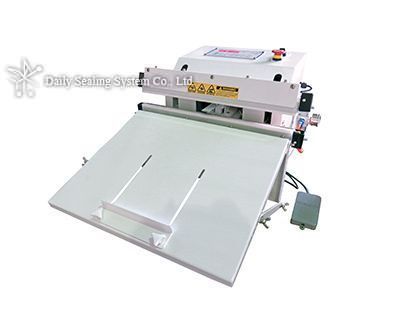
Choosing the Right Vacuum Sealer: Universal vs. Specific Bag Models Explained The main difference between universal vacuum sealers and specific bag vacuum sealers lies in their adaptability to materials and types of vacuum seal bags. These differences
directly affect the vacuum sealer's range of use, flexibility, and cost-effectiveness. Universal Vacuum Sealers Universal vacuum sealers, as the name suggests, are machines that can use vacuum seal bags of various materials and thicknesses. The main advantage
of these sealers is their versatility and flexibility. 1. Universal vacuum sealers usually have an open sealing area where users can place food or other items before starting the vacuum sealing process. 2. When using a universal vacuum sealer, there is typically
no need to choose a specific size or type of sealing bag, as they can adapt to different sizes and types of bags. 3. This type of sealer is generally more suitable for home use, as they are simpler and more convenient to operate, requiring less setup and adjustment.
4. Versatility: They can use bags of various materials, including PE, PA, PET, etc., without restrictions on the material of the sealing bag. 5. Cost-effectiveness: Since cheaper, generic bags can be used, it may be more cost-effective in the long run. 6.
Broad applicability: Suitable for packaging a wide range of needs, whether food or non-food items. Specific Bag Sealers Specific bag sealers are machines that can only use vacuum seal bags of a particular material or brand. These sealers are often designed
for special bag materials or specific sealing needs. 1. Specific bag vacuum sealers require the use of particular sizes and types of sealing bags. Before use, users need to place food or other items into the sealing bag, then insert the bag's opening into
the sealer for sealing. 2. This type of sealer typically offers more sealing options, such as different sizes of sealing bags, wet and dry sealing, etc. 3. Specific bag vacuum sealers are generally more suitable for commercial use or situations requiring a
lot of sealing, as they can provide higher efficiency and more options. 4. Specialization: Requires the use of specific materials or brands of bags, which are usually designed to fit the machine's sealing method. 5. Cost: The cost of specialized bags is generally
higher than that of generic bags, which may increase the long-term cost of use. 6. Quality control: Using specialized bags may result in better quality control and sealing effects, as the machine and bags are designed as an integrated system. Considerations
for Choosing Between Universal and Specific Bag Vacuum Sealers 1. Cost: Consider the initial investment and the long-term cost of use. 2. Usage needs: Choose a more flexible universal vacuum sealer if your sealing needs involve frequently changing bag types,
or a specific bag sealer if you have higher requirements for sealing quality. 3. Convenience of operation: Universal vacuum sealers are generally simpler and more convenient to operate, as they have less strict requirements for the bags. In summary, choosing
between a universal vacuum sealer or a specific bag vacuum sealer should be based on your sealing needs, budget, and quality requirements. If you need higher flexibility and cost-effectiveness, a universal model may be a better choice; if you have higher requirements
for sealing effects and do not mind the cost of specialized bags, then a specific bag model may be more suitable. g Choosing the Right Vacuum Sealer: Universal vs. Specific Bag Models Explained
Vacuum bags have a wide range of applications, especially when used in conjunction with a vacuum sealer machine. Here are some common applications of vacuum bags: Food Storage and Preservation: One of the most common uses of vacuum bags is for storing
and preserving food items. Vacuum sealing removes air from the bag, slowing down the oxidation process and inhibiting the growth of bacteria and molds. This helps keep food fresh for longer periods, whether it's raw meats, vegetables, fruits, or pre-cooked
meals. Vacuum-sealed bags are also popular for storing leftovers and meal prep. Sous Vide Cooking: Vacuum bags are essential for sous vide cooking, a cooking method where food is placed in a vacuum-sealed bag and cooked in a precisely controlled water bath
at a consistent temperature. The vacuum-sealed bags ensure that the food is evenly cooked and retains its natural flavors and juices. Marinating: Vacuum bags can be used for marinating meats and other food items. By removing the air from the bag, the marinade
is more effectively absorbed into the food, resulting in enhanced flavors. Long-term Freezing: Vacuum-sealed bags are excellent for freezing food items. The absence of air prevents freezer burn, maintaining the quality and taste of the food even after prolonged
storage. Travel and Outdoor Activities: Vacuum bags can be used to pack clothes and other travel essentials, compressing them to save space in luggage. They are also used for storing items during camping or hiking trips to protect them from moisture and
keep them organized. Document and Jewelry Storage: Vacuum bags are useful for protecting important documents, photographs, and valuable items like jewelry from dust, moisture, and other elements that could cause damage. Organizing Household Items: Vacuum
bags can be used to store seasonal clothing, blankets, and pillows, reducing their volume for easy storage when not in use. Emergency Preparedness: Vacuum bags can be used for creating emergency kits, preserving food supplies, and organizing essential items
for disaster preparedness. Industrial and Commercial Packaging: Vacuum bags are used in various industries for packaging sensitive or perishable products, ensuring they stay fresh and intact during shipping and storage. It's essential to use vacuum bags
specifically designed for vacuum sealers to ensure proper functioning and safety. The versatility and benefits of vacuum bags make them a practical choice for various storage and preservation needs in both household and commercial settings.
We use cookies to provide a better experience. By proceeding, you agree to our PRIVACY POLICY, including the use of cookies and other tracking technologies.ACCEPT
(35).jpg)
.jpg)
(2).PNG)