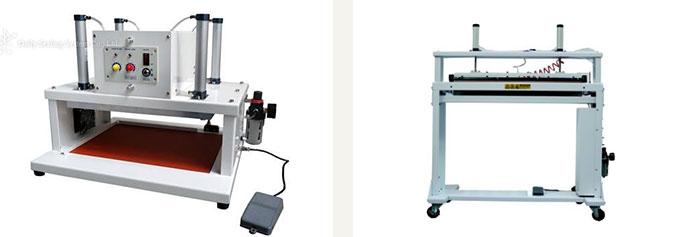
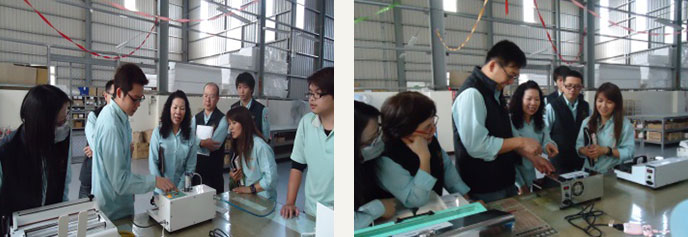
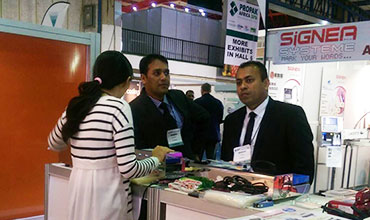
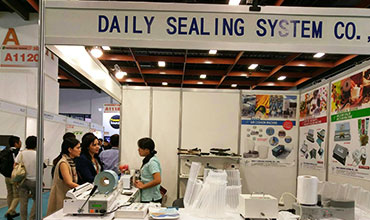
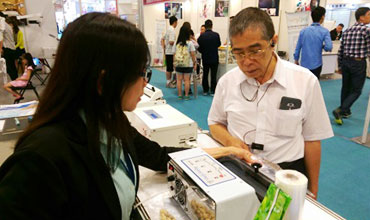
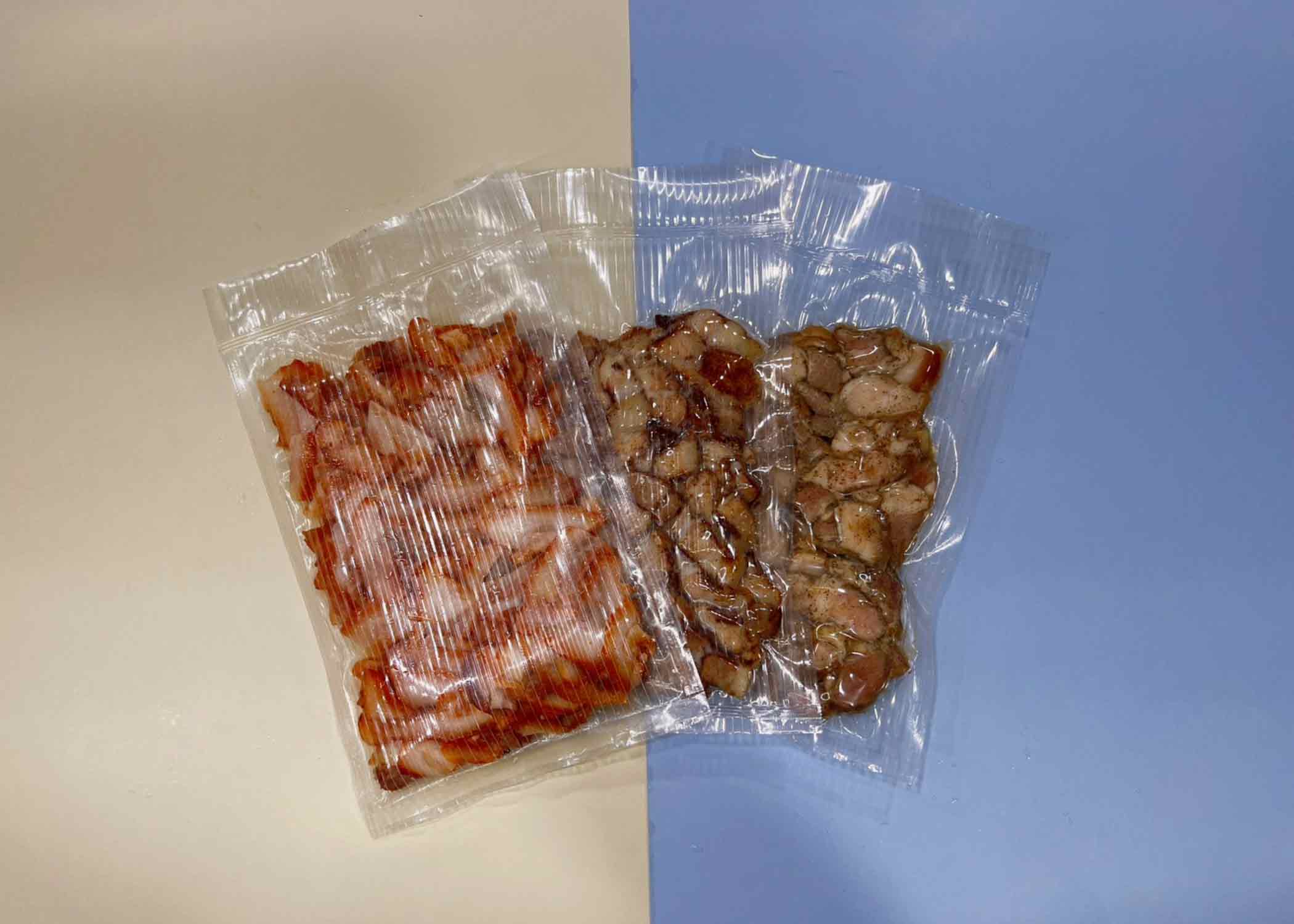
Sealing length: 30cm. Can control vacuum and seal time. Suitable for packing products: tea leaves, soap, meat, nuts, electronic component etc.
Why Choosing Dailysealing
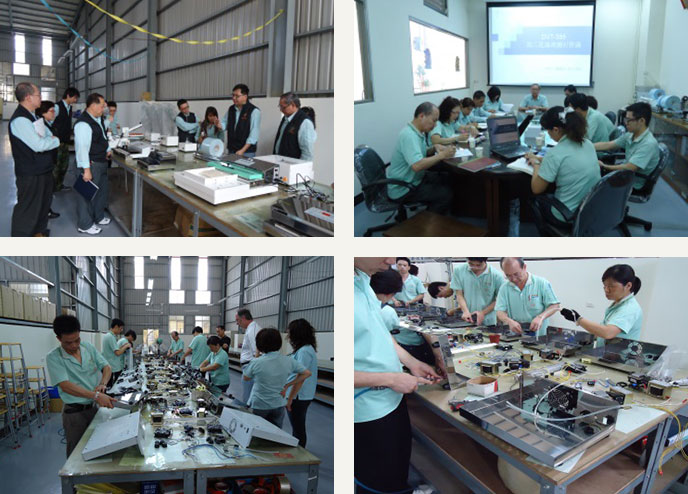
Parts and material quality control
Heating elements are from Japan.
Motor, Transformers, PCB and vacuum bags are made in Taiwan.
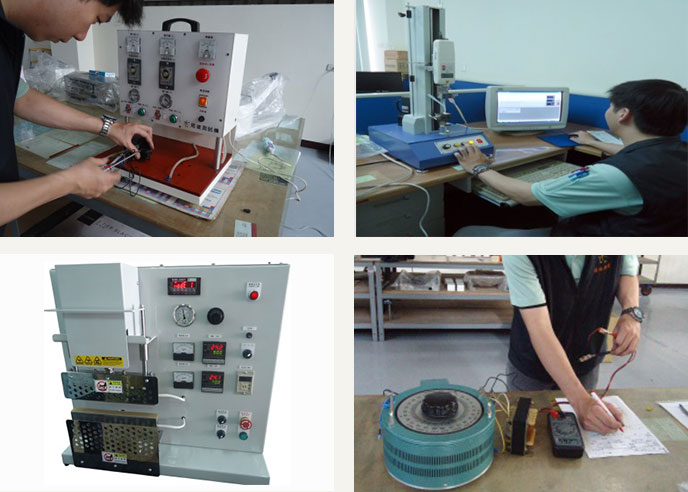
Strict quality control
100% product inspection: The inspection is included functions and
appearance of sealing machines.
Tensile strength test to ensure the sealing line tensile strength
value reaches the customer standard.
Electric leakage test: Puncture and insulation test.
Our production and inspection are all based on ISO 9001.
Professional packaging and sealing machine factory
Produce many kinds sealing machines and ODM/OEM products and provide
custom-made services.
More than 30 year experiences in packaging machines industry.
Sell sealing machines to America, Europe, Latin America and Asia.
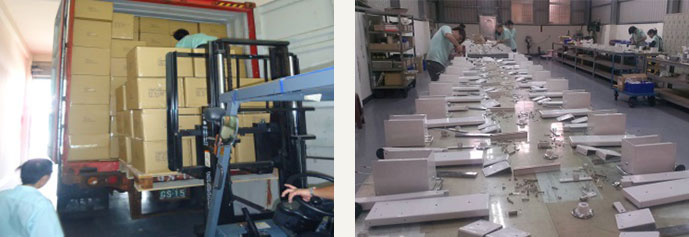
85% products in stocks, so we can deliver the products quickly.
The production process is based on SOP to ensure the quality of
sealing machines consistently.
Complete range of specifications of sealing machines
Complete range of specifications of sealing machines.
Many kinds of sealing machines and consumptive materials in stocks,
so customers can do one-stop shopping here.
The customers include Biotechnology companies, Medical equipment
companies, Food industry, Electronics industry, Handmade soap
industry and other industry..
Custom-made sealing machine service
Custom-made sealing machine service
Designs of the special sealing machine for irregular shape sealing
line, such as U-shape sealing line and L-shape sealing line.
Different width of sealing line could be custom-made to meet
customer requirements.
After-sales service of professional sealing machine
Provide the professional service for repair the broken sealing
machine immediately.
The sufficient supply of parts stock, so don’t worry about the parts
replace.
Some parts of sealing machine are used in common specifications, so
it is easy to get the parts for replace.
Pro Tips: How to Vacuum Seal Liquids and Moist Foods Without a Mess (Vacuum Sealing, Sealer Tips) One of the biggest frustrations for new users is trying to vacuum seal liquids and moist foods. When the air is pulled out, the liquid can be drawn right
up into the machine, which can ruin the seal, damage the internal pump, and make a huge mess. Follow these pro tips to seal liquids, soups, sauces, and high-moisture items like marinated meats successfully: The
Freezer Trick (The Gold Standard): For any liquid (soups, sauces, stocks) or high-moisture food (marinated chicken), pre-freeze it for 1 to 2 hours until it is slushy or mostly solid. Once partially frozen, the liquid is too dense to be sucked up during the
vacuum process, ensuring a clean, perfect seal. The "Moist" Setting: Many modern vacuum sealers have a "moist" or "liquid" setting. This function typically pulls a weaker or slower vacuum and then seals sooner, giving the liquid less time to migrate to the
sealing bar. Leave Plenty of Headroom: Always leave more space than usual between the food and the top of the bag—at least 3 to 4 inches. This acts as a buffer zone. Use a Paper Towel Buffer: For wet-marinated meats, you can loosely place a small, folded
piece of paper towel just inside the top of the bag, right before the sealing area. It acts as a moisture trap to catch any escaping liquid before it hits the sealing strip. Double Seal: For extra protection on liquids destined for the freezer, press the
seal button a second time right after the first seal is complete. This creates a redundant double seal just above the first one, adding security against leaks.
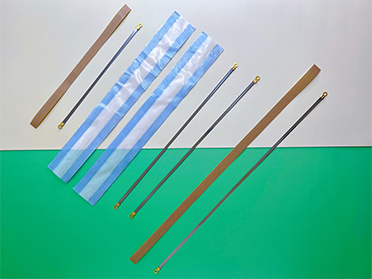
What is Impulse Sealer Heating Element? A Heating Element is a key component in impulse sealers, which are devices used to seal plastic bags and other thermoplastic materials. Here are the main points about this element: Function: The heating element
generates heat when an electrical current passes through it, which melts the thermoplastic material to create a seal. Material: The heating elements are typically made from a nichrome wire (an alloy of nickel and chromium) because of its high resistance
to electricity and ability to withstand high temperatures without breaking down. Operation: In impulse sealers, the heat is only generated when the sealer is in operation (i.e., when the handle is pressed down), which means the wire is only heated for short
periods. This helps prevent the wire from overheating and extends its lifespan. Replacement: Over time, the heating element can wear out due to repeated heating and cooling cycles. It may need to be replaced to maintain the sealer's effectiveness. Installation:
Replacing the heating element typically involves removing the old one, cleaning the sealing bar, and then carefully installing the new one to ensure it is taut and properly positioned. This component is crucial for the proper functioning of impulse sealers,
widely used in packaging industries to ensure seals.
In recent years, vacuum packaging has become very popular, vacuum packaging keeps damp proof, extended shelf life, and reduced storage space. There are various types of vacuum sealing machines available on the market. How to find a suitable vacuum sealer
for your product. The following are specially divided into three categories for the vacuum sealers sold on the market (Chamber Vacuum Sealer, Non-nozzle Vacuum Sealer, and Nozzle Vacuum Sealer) introduce advantages and disadvantages. There are other places
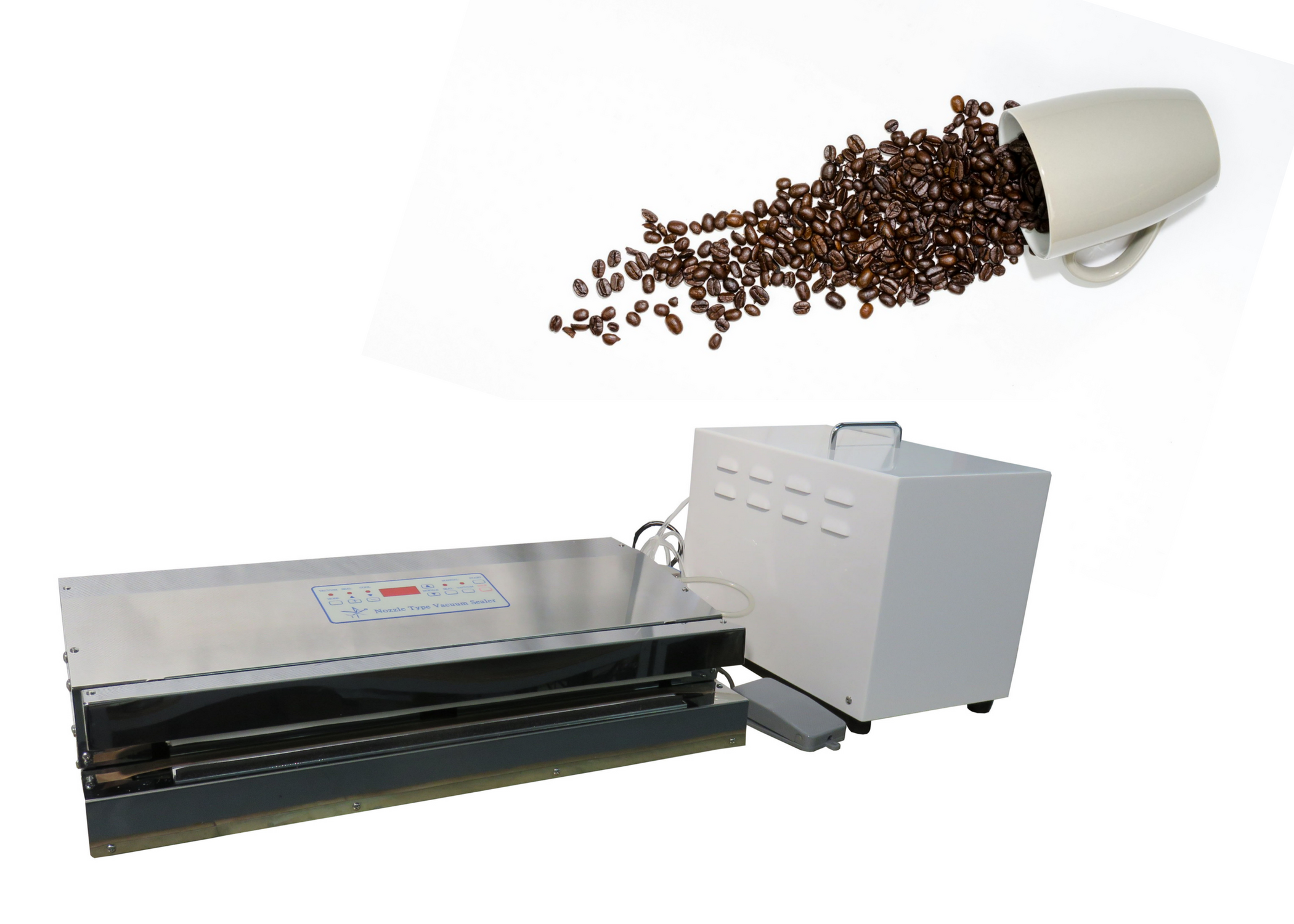
to pay attention to when buying, hope to help everyone buy a suitable vacuum sealer, and enhance the quality of our product. ※ Nozzle vacuum sealer At present, the nozzle vacuum sealer is widely used in the electronics industry. The Nozzle vacuum
sealer and Non-nozzle vacuum sealer are also external, The difference is that the nozzle vacuum sealer uses the nozzle to extend into the vacuum bag to extract the air. Available for vacuum flat bags and aluminum flat bags. Non-nozzle vacuum sealer without
a nozzle. Therefore, only the strips of the vacuum stripe bag can be used to create a pipeline to allow the air to be drawn out. The reason why the nozzle vacuum sealer has a nozzle, after the vacuum, the nozzle must be retracted into the machine and can be
sealed, so when the nozzle moves, a little air enters. Therefore, the vacuum degree of the nozzle vacuum sealer is lower than that of the other two vacuum sealers. The nozzle vacuum sealer is divided into the pneumatic type and electromagnet due to
the driving mode. The advantage of the pneumatic nozzle vacuum sealer is the low sound, the disadvantage is that you need to connect the air compressor. The electromagnetic nozzle vacuum sealer doesn't need to be connected to an air compressor, but the sound
is loud during operation. Most Nozzle vacuum sealers are designed for products with little moisture or powder, add a water filter, keep water and powder in the water filter, Don't allow moisture and powder to flow into the machine, and Avoid damage
to parts. If the product itself is water or powder, never choose a Nozzle vacuum sealer, because when pumping, the nozzle extends into the vacuum bag, it will directly remove the water and powder, It's recommended to choose the Chamber vacuum sealer, when
the Nozzle vacuum sealer in operating, the way the nozzle is placed and the position of the product are very important, related to the vacuum effect. When the vacuum is recommended, keep the nozzle as close as possible to the product, and avoid sticking vacuum
flat bags when pumping, this causes the nozzle to be unable to pump air, but be careful that the nozzle is not blocked the product, it can't be pumping. When operating the Nozzle vacuum sealers, please pay special attention to this technique. Same
to a Non-nozzle vacuum sealer, there are plastic casings for sale in the market. Nozzle vacuum sealer with metal shell (steel plate with powder coating and stainless steel), small size vacuum sealer with plastic casing, cheap price, but long-term operating
with high frequency, it's not recommended to buy the Nozzle vacuum sealer with a plastic casing, because the vacuum sealer will generate heat when sealing, use for a long time, the sealing seat with continuing to heat when the temperature is too high, the
plastic case may be deformed. Just for household or small amounts of use, a Nozzle vacuum sealer can be purchased in a plastic case. If it's a factory or a long-term operator, it's recommended to purchase a Nozzle vacuum sealer with a stainless steel housing,
in addition to not worrying about the deformation of the sealing seat due to high temperature, the vacuum pump installed inside is larger than the Nozzle vacuum sealer with plastic casing, continuous use is not afraid of failure, and the vacuuming ability
is also strong. The Nozzle vacuum sealer is available for a vacuum flat bag, cheaper than a vacuum stripe bag. However, due to the control of the nozzle entering and leaving, the structure is more complicated than the Non-nozzle vacuum sealer. Therefore,
the price of the Nozzle vacuum sealer is higher than that of the Non-nozzle vacuum sealer, price comparison with the Chamber vacuum sealer depends on the vacuum pump built into the Chamber vacuum sealer, Nozzle vacuum sealers are more expensive than Oil-less
type Chamber vacuum sealer, but is lower than the oil type Chamber vacuum sealer. Generally, there is only one nozzle of the Nozzle vacuum sealer, it can add nozzles and inflatable functions according to customer needs, most of them are filled with
nitrogen, option to pump first and then inflate, or function settings such as inflate and then pump after pumping. In addition, there are also inflatable sealing machines that only inflate, it also uses a nozzle to fill the gas into the vacuum bag. The inflatable
has moisture-proof, the advantages of retaining freshness and anti-collision, mostly used in the food industry. The Band sealer also develops the air extraction function, it also uses the nozzle to suck out the air, which belongs to a Nozzle vacuum
sealer, generally known as a Continuous vacuum sealer. The price is much higher than other types of vacuum sealers, and the structure of the Band sealer will also affect the vacuum degree, so the price is also different, to choose a Continuous vacuum sealer,
except for the price, the vacuum degree is also a factor to consider. When purchasing a vacuum sealer, factors to consider include price, the types of vacuum bags it can use, vacuum efficiency, the size and type of products to be sealed, and the operating
method. No matter what kind of product you want to vacuum, it's recommended to bring the product to the site for testing before purchasing, test the vacuum effect and understand how to operate it, this will allow you to choose the most suitable vacuum sealer
for your needs.
We use cookies to provide a better experience. By proceeding, you agree to our PRIVACY POLICY, including the use of cookies and other tracking technologies.ACCEPT
.jpg)
.jpg)
.jpg)
.jpg)
.jpg)
.jpg)
(37).jpg)
.jpg)
(38).jpg)
.jpg)
(39).jpg)
(36).jpg)