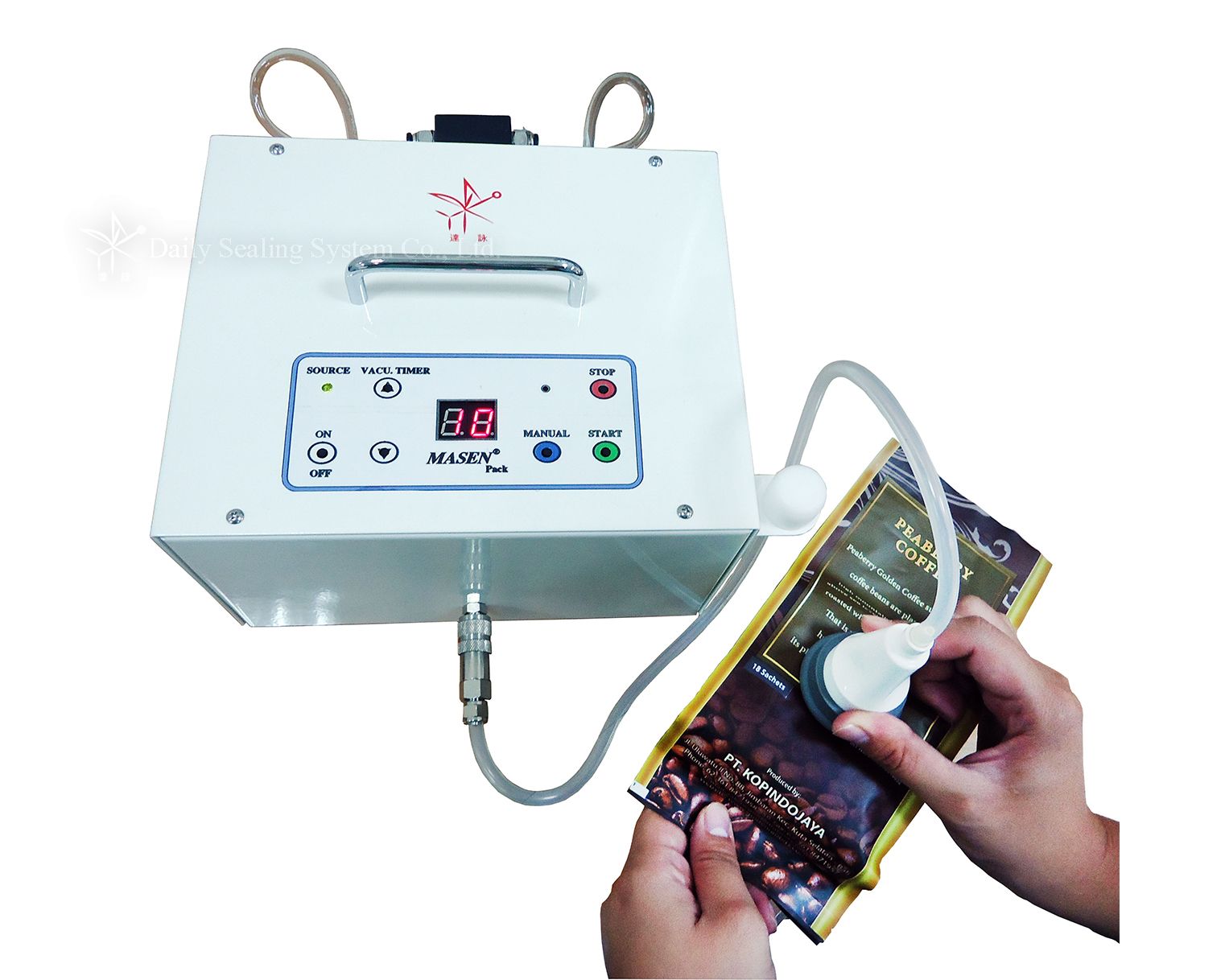
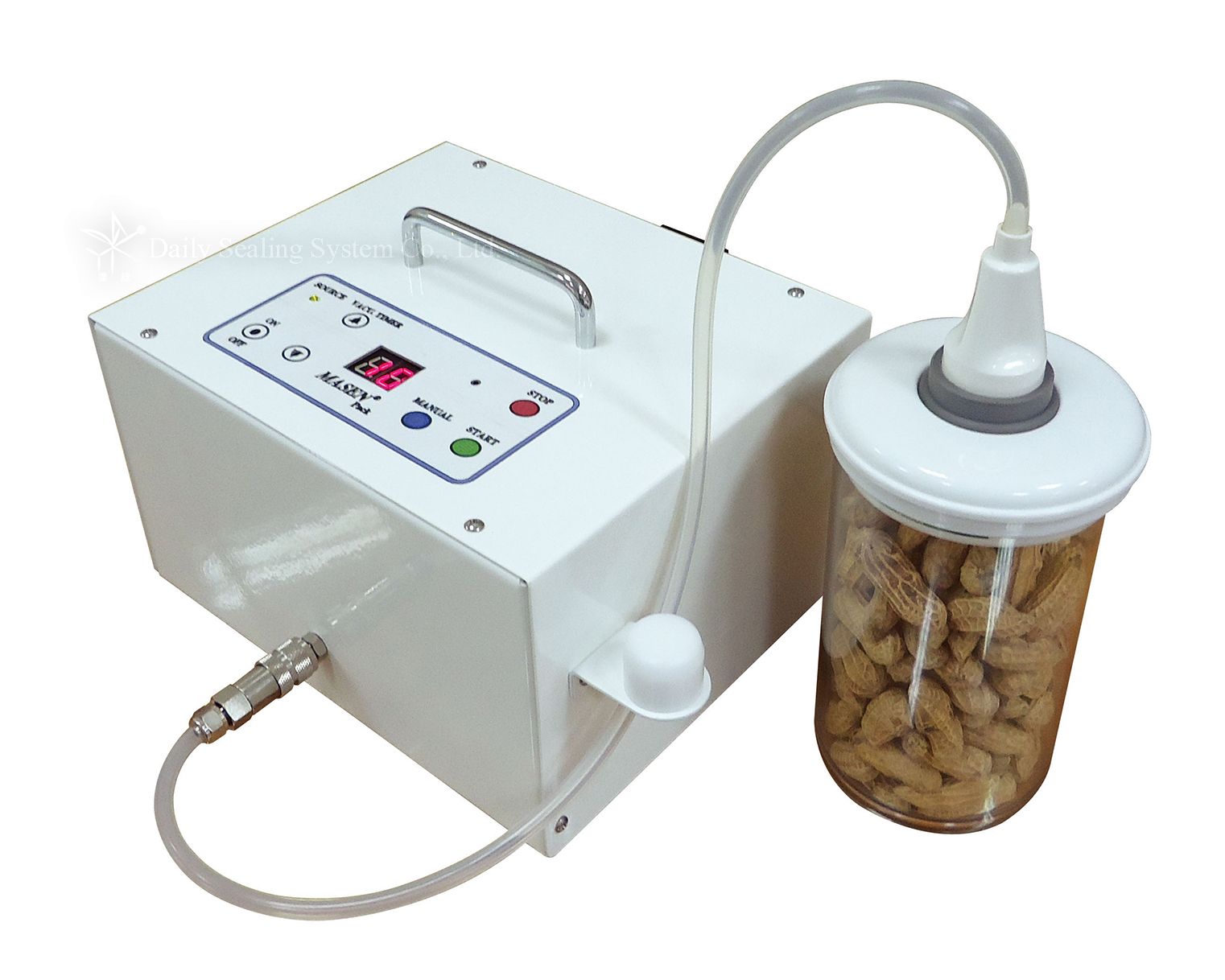
• Designed for vacuum container and air valve bags, it can be easy to vacuum air out.
• Vacuum time controlled:
(1) Manual: hand operation.
(2) Vacuum time controlled: preset the vacuum time to 0-99 seconds.
(3) Pressure sensor switch.
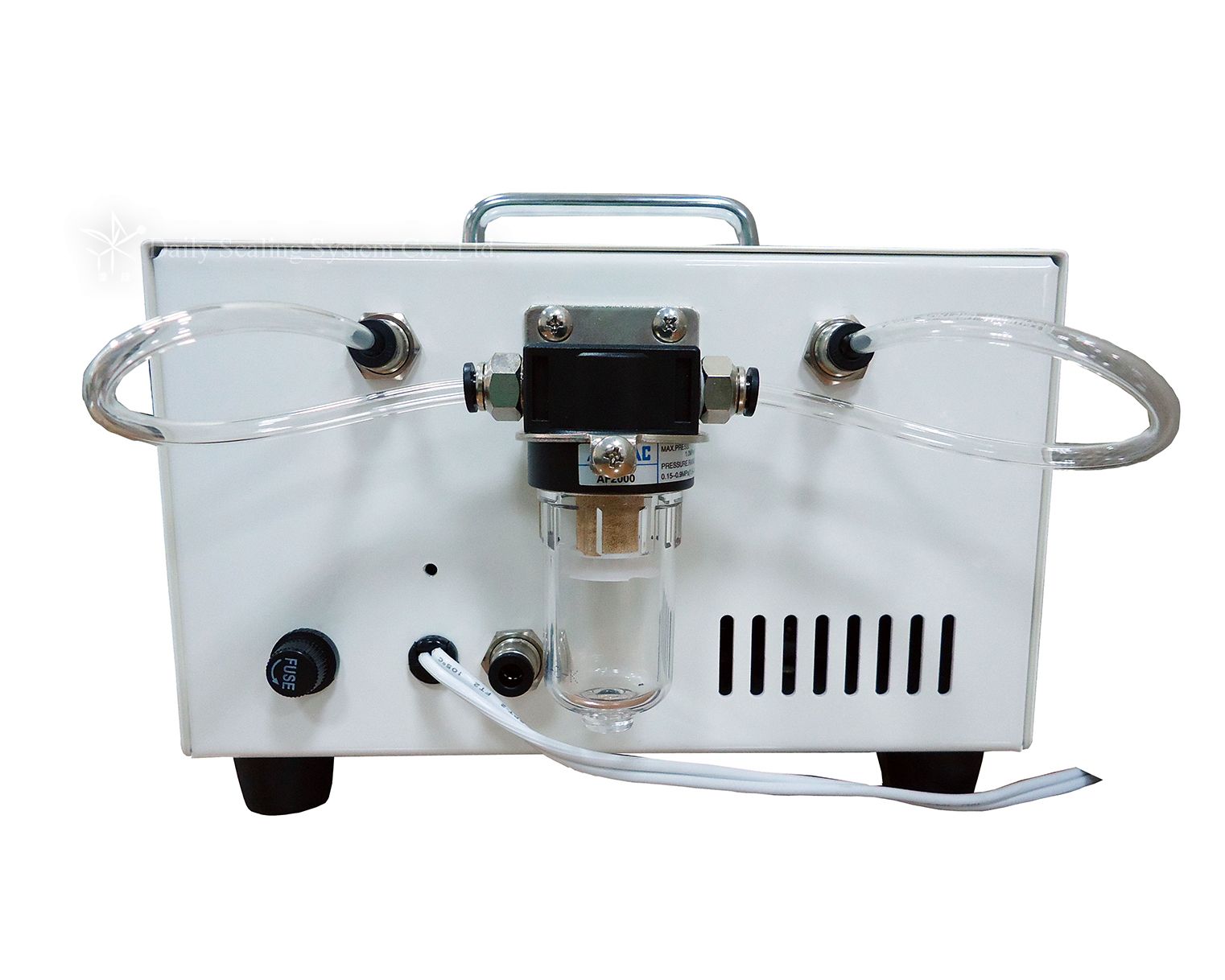
• There is an installation to filter the water out of the air that the machine vacuumed in order to avoid damaging the inner parts of machine by water.
• The vacuum lid could be custom made which depends on customer`s demands.
Keep fresh and prevent food from humidity and pests. Extend its life and reduce damage of goods due to moisture.
Why Choosing Dailysealing
Parts and material quality control
Heating elements are from Japan.
Motor, Transformers, PCB and vacuum bags are made in Taiwan.
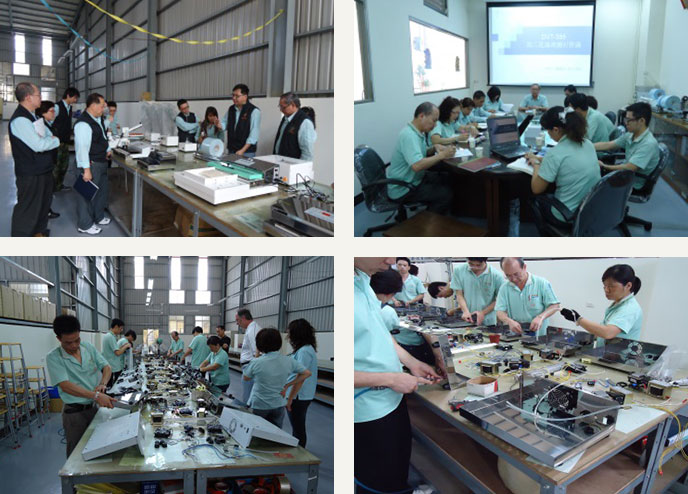
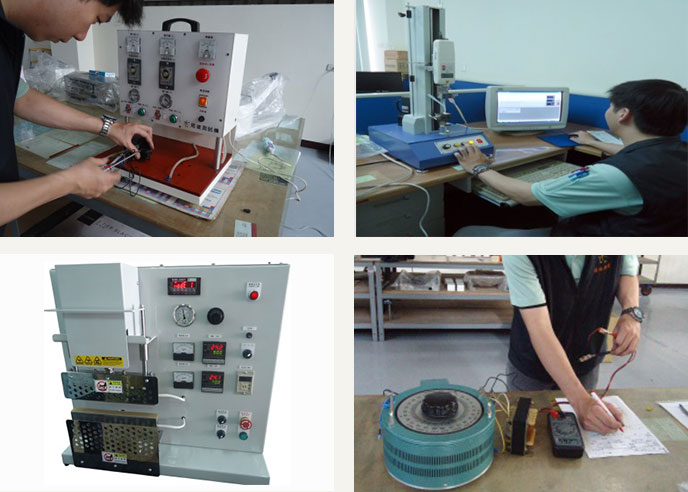
Strict quality control
100% product inspection: The inspection is included functions and
appearance of sealing machines.
Tensile strength test to ensure the sealing line tensile strength
value reaches the customer standard.
Electric leakage test: Puncture and insulation test.
Our production and inspection are all based on ISO 9001.
Professional packaging and sealing machine factory
Produce many kinds sealing machines and ODM/OEM products and provide
custom-made services.
More than 30 year experiences in packaging machines industry.
Sell sealing machines to America, Europe, Latin America and Asia.
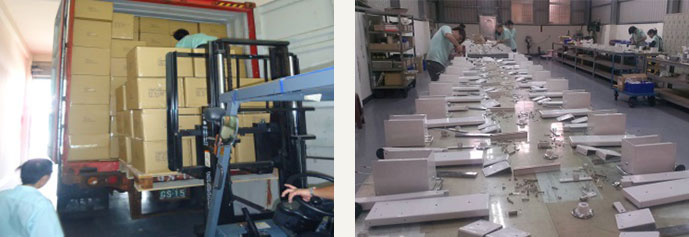
85% products in stocks, so we can deliver the products quickly.
The production process is based on SOP to ensure the quality of
sealing machines consistently.
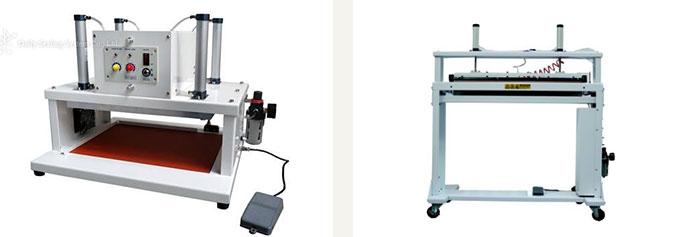
Complete range of specifications of sealing machines
Complete range of specifications of sealing machines.
Many kinds of sealing machines and consumptive materials in stocks,
so customers can do one-stop shopping here.
The customers include Biotechnology companies, Medical equipment
companies, Food industry, Electronics industry, Handmade soap
industry and other industry..
Custom-made sealing machine service
Custom-made sealing machine service
Designs of the special sealing machine for irregular shape sealing
line, such as U-shape sealing line and L-shape sealing line.
Different width of sealing line could be custom-made to meet
customer requirements.
After-sales service of professional sealing machine
Provide the professional service for repair the broken sealing
machine immediately.
The sufficient supply of parts stock, so don’t worry about the parts
replace.
Some parts of sealing machine are used in common specifications, so
it is easy to get the parts for replace.
In recent years, vacuum packaging has become very popular. Vacuum packaging keeps damp proof, extended shelf life, and reduced storage space. There are various types of vacuum sealing machines available on the market. How to find a suitable vacuum sealer
for your product? The following are specially divided into three categories for the vacuum sealers sold on the market (Chamber Vacuum Sealer, Non-nozzle Vacuum Sealer, and Nozzle Vacuum Sealer) to introduce advantages and disadvantages. There are other places
to pay attention to when buying, hope to help everyone buy a suitable vacuum sealer, and enhance the quality of product. ※Non-nozzle Vacuum Sealer A non-nozzle vacuum sealer is a new type of vacuum sealer that has appeared in recent years, in terms
of price, it's cheaper than the Chamber vacuum sealer, although the vacuum degree is lower than that of the Chamber vacuum sealer, for many products it is sufficient. This Non-nozzle vacuum sealer is equipped with an oil-less pump, so if the product itself
has a lot of water (such as soup) or powder, a Non-nozzle vacuum sealer is not recommended, because moisture or powder will be drawn into the machine with the operation of the vacuum pump, easily cause damage to internal parts. Non-nozzle vacuum sealer
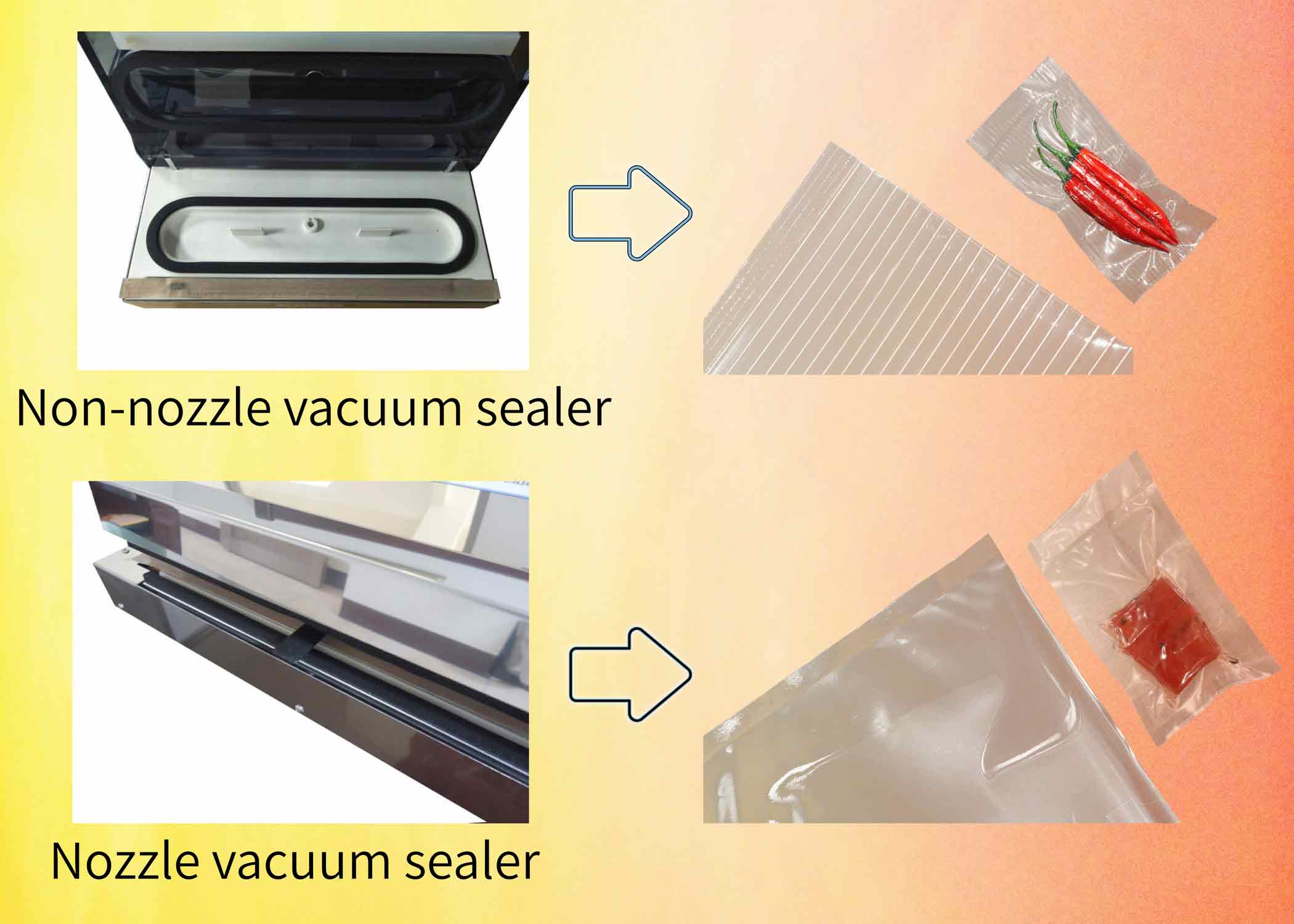
belongs to the external vacuum sealer, different from an internal vacuum sealers, the product is vacuumed outside the machine. Therefore, the product is not limited by the size of the vacuum chamber, unlike the chamber vacuum sealer, as long as the width of
vacuum bags is smaller than the size of the sealing line of the external vacuum sealer, unlimited length, but if the vacuum bag is too long, it is recommended to find an external vacuum sealer with strong vacuum capability. This type of vacuum sealer
on the market has a plastic casing and a stainless steel casing. Non-nozzle vacuum sealer with plastic housing is small in size, and cheap in price, but if it's vacuum packaged for a long time, high frequency of operation, it's not recommended by a Non-nozzle
vacuum sealer with a plastic case, because the vacuum sealer will generate heat when sealing, use for a long time, the sealing seat with continue to heat, when the temperature is too high, the plastic case may be deformed. If just for household or small amounts
of use, a Non-nozzle vacuum sealer can be purchased in a plastic case. It's a factory or a long-term operator, it's recommended to purchase a Non-nozzle vacuum sealer with a stainless steel housing, in addition to not worrying about the deformation of the
sealing seat due to high temperature, the vacuum pump installed inside is larger than the Non-nozzle vacuum sealer with plastic casing, continuous use is not afraid of failure, and the vacuuming ability is also strong. Compared with the Chamber vacuum sealer,
Non-nozzle vacuum sealer is much smaller and easy to carry. Please pay attention to the vacuum bag. Non-nozzle vacuum sealers can't use vacuum flat bags, due to the machine structure, Non-nozzle vacuum sealers are available for vacuum embossed bags (vacuum
stripe bags), nylon gusset vacuum bags, aluminum foil gusset bags, and back seal bags. The price of vacuum embossed bags and gusset bags are slightly higher than that of vacuum flat bags, so please pay the attention. If the product packaging itself is to use
the gusset bag, such as tea leaves, rice, etc. A Non-nozzle vacuum sealer is highly recommended as the results are satisfactory. If you don't care about the price of vacuum bags and hope the price of the vacuum sealer is lower, a Non-nozzle vacuum sealer will
be a good choice. When purchasing a vacuum sealer, factors to consider include price, the suitable types of vacuum bags, vacuum efficiency, the size and type of products to be sealed, and the operating method. No matter what kind of product you want to vacuum,
it's recommended to bring the product to the site for testing before purchasing, test the vacuum effect and understand how to operate it, this will allow you to choose the most suitable vacuum sealer for your needs.
How Often Should You Maintain Your Sealing Machine? Preventive Maintenance Guide for Better Seal Quality Sealing machines are critical equipment in food processing, agricultural packaging, electronics, and industrial manufacturing — but many operators
only consider maintenance after a seal quality problem has already appeared. Waiting until failure typically means higher repair costs, unexpected production downtime, and avoidable product loss. Based on Daily Sealing System's practical experience in sealing
machine manufacturing and after-sales technical support since 2010, the majority of seal quality problems can be prevented through consistent preventive maintenance. This guide explains how often to maintain your sealing machine, what to inspect at each interval,
and how to identify when consumable parts need to be replaced. Quick Answer: How Often Should You Maintain a Sealing Machine? Most sealing machines should be inspected weekly or monthly depending on production volume. Here is the recommended schedule by usage
level: Occasional use: Full inspection every 3–6 months Daily use: Monthly inspection of heating wire (nichrome wire), PTFE tape, and seal quality High-volume continuous production: Weekly inspection of heating system, consumables, and full machine cleaning
Any usage level: If seal quality declines at any point, inspect consumables immediately — do not wait for the next scheduled date Regular maintenance helps extend the service life of sealing machines and prevents most seal quality problems before they affect
production output. 1. Why Do Sealing Machines Need Preventive Maintenance? A sealing machine relies on its heating wire (nichrome wire), PTFE tape (Teflon tape), heating system, and pressure mechanism to create a consistent seal. All of these components are
subject to natural wear over time. A preventive maintenance schedule reduces unexpected downtime and repair costs — and allows problems to be identified and corrected before they escalate into seal failures or production stoppages. Consequences of Neglected
Maintenance Weak or incomplete seals — increased leakage risk Burnt or discolored seal lines Uneven seal appearance affecting product presentation Reduced sealing throughput Significantly shortened equipment service life Higher repair and replacement costs
Benefits of Regular Preventive Maintenance Consistent seal quality across every production run Reduced risk of unexpected equipment failure Extended overall equipment service life Lower repair and consumable costs over time Reduced packaging defect rate Improved
production line reliability and uptime 2. Sealing Machine Maintenance Schedule There is no single fixed maintenance interval that applies to all sealing machines. The right schedule depends on usage frequency, daily output volume, and bag material type. From
Daily Sealing System's after-sales service experience, machines sealing aluminum foil or thick laminated bags wear through consumables noticeably faster than those sealing standard PE bags — and should be inspected more frequently. Usage FrequencyRecommended
Maintenance IntervalMain Inspection Items Occasional use (less than daily) Every 3–6 months Consumable appearance, power cable, seal quality test Daily regular use Monthly Heating wire, PTFE tape, silicone strip, full cleaning High-volume continuous production
Weekly Heating wire, PTFE tape, heating system, full machine cleaning Any usage level — seal quality declines Immediately Inspect consumables first — do not wait for the next scheduled date 📌 Key principle: Most sealing quality problems can be prevented through
routine maintenance. If seal quality starts declining between scheduled maintenance dates, check consumables immediately — this is almost always the fastest, lowest-cost solution. 3. Preventive Maintenance Checklist Use this checklist to establish a consistent
maintenance routine across your production operation. Heating wires (nichrome wire) and PTFE tape (Teflon tape) are consumable parts that require periodic replacement — but proper daily care extends their service life considerably. ⚙️ Before Every Shift ☐
Visually inspect PTFE tape surface ☐ Check heating wire appearance ☐ Run a test seal with a scrap bag ☐ Confirm temperature setting is correct 🗓 Daily (End of Shift) ☐ Clean sealing area — remove powder, oil, debris ☐ Inspect PTFE tape for damage or burn
marks ☐ Confirm heating wire shows no discoloration ☐ Allow machine to cool before shutdown 📅 Weekly ☐ Inspect heating wire for uneven width or gaps ☐ Check PTFE tape for holes or worn areas ☐ Check all screws and fasteners for looseness ☐ Verify temperature
settings vs. production requirements 🔧 Monthly ☐ Replace PTFE tape proactively if showing wear ☐ Inspect power cable for visible damage ☐ Deep clean the full sealing area ☐ Review seal quality trend from past month 📋 Quarterly ☐ Full equipment inspection
☐ Replace heating wire if showing any deterioration ☐ Test temperature calibration accuracy ☐ Contact manufacturer if performance has declined 4. Heating Wire (Nichrome Wire) Replacement: When and How to Tell The heating wire — also referred to as nichrome
wire or sealing wire — is a primary consumable component in impulse sealers and continuous band sealers. It has no fixed replacement interval. Replacement timing depends on usage frequency, bag material type, and observed seal quality. From Daily Sealing System's
technical service experience, machines sealing thicker materials or running high daily volumes will wear through heating wire (nichrome wire) significantly faster. Signs the heating wire (nichrome wire) needs replacing: Seal line width is uneven — some sections
visibly narrower than others Gaps or unheated sections appear within the seal line Heating is non-uniform — part of the seal holds, other sections do not Heating wire appears visibly discolored, brittle, or has broken through Increasing temperature does not
improve seal quality Heating wire (nichrome wire) is a user-replaceable consumable on most sealing machine models. Daily Sealing System can supply original-specification replacement parts and confirm the correct part number for your machine model. 5. PTFE
Tape (Teflon Tape) Replacement: When and How to Tell PTFE tape (Teflon tape) acts as a non-stick barrier between the bag material and the heating wire, preventing the bag from sticking to the sealing bar during heat bonding. PTFE tape wear is one of the most
commonly overlooked causes of declining seal quality. Signs PTFE Tape Needs Replacing Bag material sticks to the sealing bar during operation Irregular pressure marks or uneven texture on the seal line surface Visible holes, tears, or burnt areas on the tape
surface Overall seal line appearance has declined without another obvious cause Replacement Notes Ensure the machine has fully cooled before replacing PTFE tape Confirm the new tape matches the original manufacturer specification Apply the tape flat — no wrinkles
or bubbles Run a test seal with a scrap bag after installation Contact the manufacturer if unsure of the correct specification 6. What Can You Handle In-House — and When to Call a Technician? Most routine sealing machine maintenance can be performed by the
equipment operator without specialist tools. Issues involving internal components or control systems should be handled by a qualified technician to avoid additional damage or warranty issues. Maintenance TaskIn-HouseContact Manufacturer Clean sealing area
✅ Replace heating wire (nichrome wire) ✅ Most models Replace PTFE tape (Teflon tape) ✅ Per operating manual Check and tighten fasteners ✅ Visual check of power cable ✅ Temperature control malfunction or display error ✅ Control board failure ✅
Motor noise or abnormal vibration ✅ Vacuum system not achieving vacuum ✅ Progressive overall performance decline ✅ 7. Operational Habits That Extend Sealing Machine Service Life Beyond scheduled maintenance, daily operating habits have a direct impact
on how long a sealing machine performs reliably. Based on Daily Sealing System's after-sales technical service experience, premature equipment wear is often caused by operating practices rather than product quality issues. Use Compatible Bag Materials Mismatched
bag materials accelerate consumable wear. Before sealing a new material type — PE bags, aluminum foil, or vacuum bags — confirm it is compatible with your machine's heating method and temperature range. Set the Correct Sealing Temperature Running at excessively
high temperatures is one of the primary causes of accelerated consumable degradation. Set temperature based on the bag material specification — not higher than necessary to achieve a reliable seal. Do Not Exceed Operating Limits Impulse sealers and foot sealers
have recommended continuous operation limits. During high-frequency use, allow brief cooling intervals to prevent overheating and premature component wear. Replace Consumables Proactively Do not wait for a machine failure before replacing consumables. Proactively
replacing heating wire (nichrome wire) and PTFE tape on a maintenance schedule significantly reduces the risk of unexpected production stoppages. Related Products If your sealing machine is consistently underperforming despite regular maintenance, it may be
time to evaluate whether a different machine type better fits your current bag material or production volume requirements. Impulse Sealers PE bags, OPP bags, light packaging View Series Continuous Band Sealers High-volume production line sealing View Series
Vacuum Sealers Meat, seafood, food preservation View Series Medical Pouch Sealers Sterilization pouches, medical packaging View Series The following questions are compiled from Daily Sealing System's after-sales technical service experience across food processing,
agricultural packaging, electronics manufacturing, and industrial packaging clients since 2010. Frequently Asked Questions Q1: How often should I maintain my sealing machine? Most sealing machines should be inspected weekly or monthly depending on production
volume. Machines used occasionally should be checked every 3–6 months. Daily-use machines should receive monthly maintenance. High-volume production equipment should be inspected weekly. Regardless of schedule, if seal quality declines at any point, inspect
consumables immediately. Q2: Does declining seal quality always require professional repair? Not necessarily. When seal quality declines, the first step is always to inspect the heating wire (nichrome wire) and PTFE tape — these consumables are the most common
cause of seal quality problems. In many cases, replacing one or both resolves the issue without any professional repair. If quality does not improve after replacing consumables, contact the manufacturer for technical diagnosis. Q3: How often does the heating
wire (nichrome wire) need to be replaced? Heating wire (nichrome wire) has no fixed replacement interval — timing depends on usage frequency and bag material. When the seal line becomes uneven, develops gaps, or the wire shows visible discoloration or brittleness,
replace it promptly. Machines used for high-volume daily production or sealing thicker materials such as aluminum foil bags will wear through heating wire more quickly. Q4: Can I replace the PTFE tape (Teflon tape) myself? Yes, on most sealing machine models
PTFE tape can be replaced in-house without specialized tools. Allow the machine to cool completely before replacing. Confirm the replacement tape matches the original specification. Run a test seal with a scrap bag after installation to confirm correct fit
and restored seal quality. Contact the manufacturer if you are unsure of the correct specification for your model. Q5: Does a sealing machine need to be cleaned regularly? Yes. After each production shift, clean the sealing area to remove powder, oil residue,
food debris, and moisture. Residue buildup directly accelerates PTFE tape and heating wire (nichrome wire) degradation, and is a common contributing factor to seal quality problems. Use a dry cloth and confirm the machine has fully cooled before cleaning —
avoid applying liquid cleaners directly to heating elements. Q6: How can preventive maintenance reduce downtime? Preventive maintenance reduces downtime by identifying consumable wear and developing performance issues before they cause a production stoppage.
Replacing a heating wire or PTFE tape during a scheduled maintenance window takes minutes. Waiting until the machine fails mid-production means unplanned downtime, delayed shipments, and potentially wasted product. A consistent maintenance schedule converts
reactive repair time into planned, controlled maintenance windows — significantly improving overall equipment availability and production reliability. 📖 Further Reading Related articles on sealing machine troubleshooting, selection, and performance: → Heat
Sealer Not Sealing Properly? 5 Common Causes and How to Fix Them → How to Choose the Right Sealing Machine Based on Product Type → How to Choose the Right Sealing Length and Sealing Width → Vacuum Sealer vs. Continuous Band Sealer: Which Should You Choose?
→ When Should You Use a Continuous Band Sealer? About This Article This article was prepared by the Daily Sealing System technical team. It is intended as a practical maintenance reference for packaging engineers, production managers, purchasing teams, and
industrial packaging operators. Daily Sealing System Co., Ltd. is a Taiwan-based sealing machine manufacturer with an in-house production facility. Our product range includes vacuum sealers, external vacuum sealers, chamber vacuum sealers, continuous band
sealers, foot sealers, impulse sealers, medical pouch sealers, and customized sealing equipment. The company holds ISO 9001:2015 certification. Certain products and related materials carry CE, FDA, EU No.10/2011, and BPA Free certifications. Patents are registered
in Taiwan, the United States, Europe, Germany, Japan, and China. Content in this article is based on Daily Sealing System's practical manufacturing experience and after-sales technical service since 2010. The recommendations provided in this article are intended
for general industrial sealing applications. Maintenance intervals may vary depending on machine model, production volume, and packaging material. Need Help Identifying the Correct Maintenance Schedule for Your Sealing Machine? Our technical team can recommend
the appropriate consumables and maintenance intervals based on your machine model and production requirements. Share your machine model and current situation — we'll recommend the most appropriate solution. ✓ Heating wire (nichrome wire) — original specification
✓ PTFE tape (Teflon tape) — multiple widths available ✓ Technical consultation and maintenance guidance ✓ Equipment repair support View All Sealing Machine Series Contact Our Technical Team // //
Vacuum Sealer Bags 101: Can I Reuse Them & What Bags Work with My Machine? (Vacuum Sealer Bags, Consumables) The bags you use are the most important consumables for your vacuum sealer. Understanding the different types and reuse rules can save you money
and ensure a perfect seal every time. Can I Reuse Vacuum Sealer Bags? The short answer is yes, sometimes, but with a big safety caveat. When to Reuse: If the bag contained clean, low-odor, cooked, or dry foods (like baked goods, nuts, or leftover pasta),
you can often wash, dry, and reuse the bag. Just make sure to cut the original seal cleanly and ensure the bag is completely dry before re-sealing. When NOT to Reuse (Safety First): Never reuse bags that have contained raw meat, poultry, fish, or greasy/oily
foods. Even after washing, there is a risk of cross-contamination and the residue may compromise the next seal. When in doubt, use a new bag. Which Bag Type Do You Need? The type of bag you buy depends entirely on the type of vacuum sealer you own: Vacuum
sealer embossed and channel bags (For non-nozzle type vacuum sealer): non-nozzle type vacuum sealer (the most common type, where the bag sits outside the machine) require bags with a special texture or channels inside. This texture allows the air to be successfully
drawn out of the bag and past the sealing area. Smooth Bags (For Nozzle Type Vacuum Sealer and Chamber Vacuum Sealers): Chamber vacuum sealers work by removing all air from a chamber where the bag is fully enclosed. Because of this, they can use more economical
smooth bags that lack the internal texture. Make sure you are purchasing the correct vacuum sealer bags for your machine, as using a smooth bag in a non-nozzle type vacuum sealer will result in a complete vacuum failure.
We use cookies to provide a better experience. By proceeding, you agree to our PRIVACY POLICY, including the use of cookies and other tracking technologies.ACCEPT
(141).jpg)
(57).jpg)





.png)
.jpg)