Vacuum channel Sealer Bags
B02
Vacuum channel Sealer Bags

For non-nozzle vacuum sealer.

FDA and EU approved, NO BPA, available for microwave. 
  • Detail
  • Feature
  • Video

Vacuum Sealer Bags:

 Made in Taiwan.

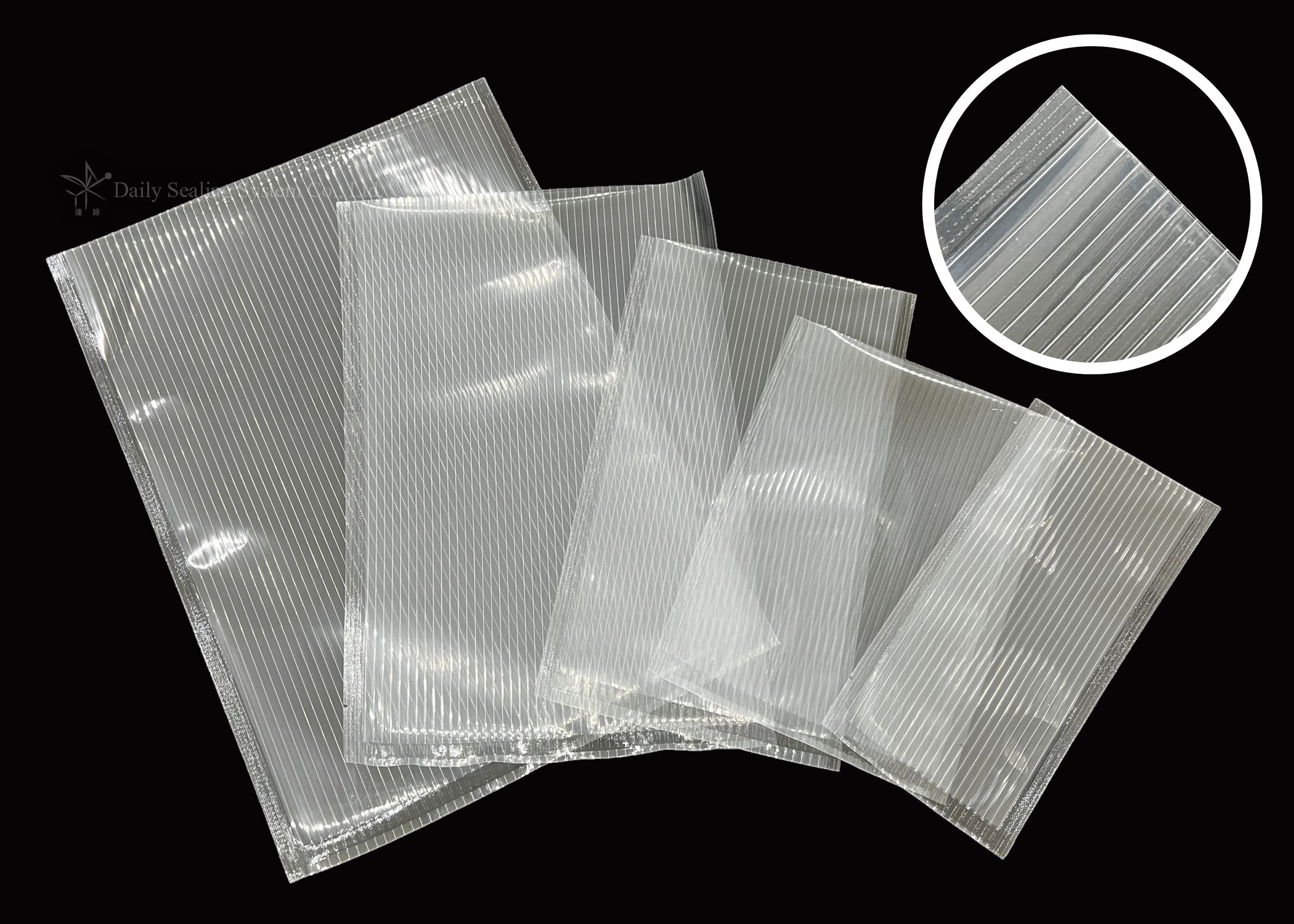
 Nylon Channeled (Embossed) Bags are special for non-nozzle vacuum sealer, embossed lines of inside bag advantages air out.

 FDA and EU approved, NO BPA, endure high temperature, available for microwave.

 Vacuum packing machine nozzle type vacuum sealer can also be suitable used.

 Available for

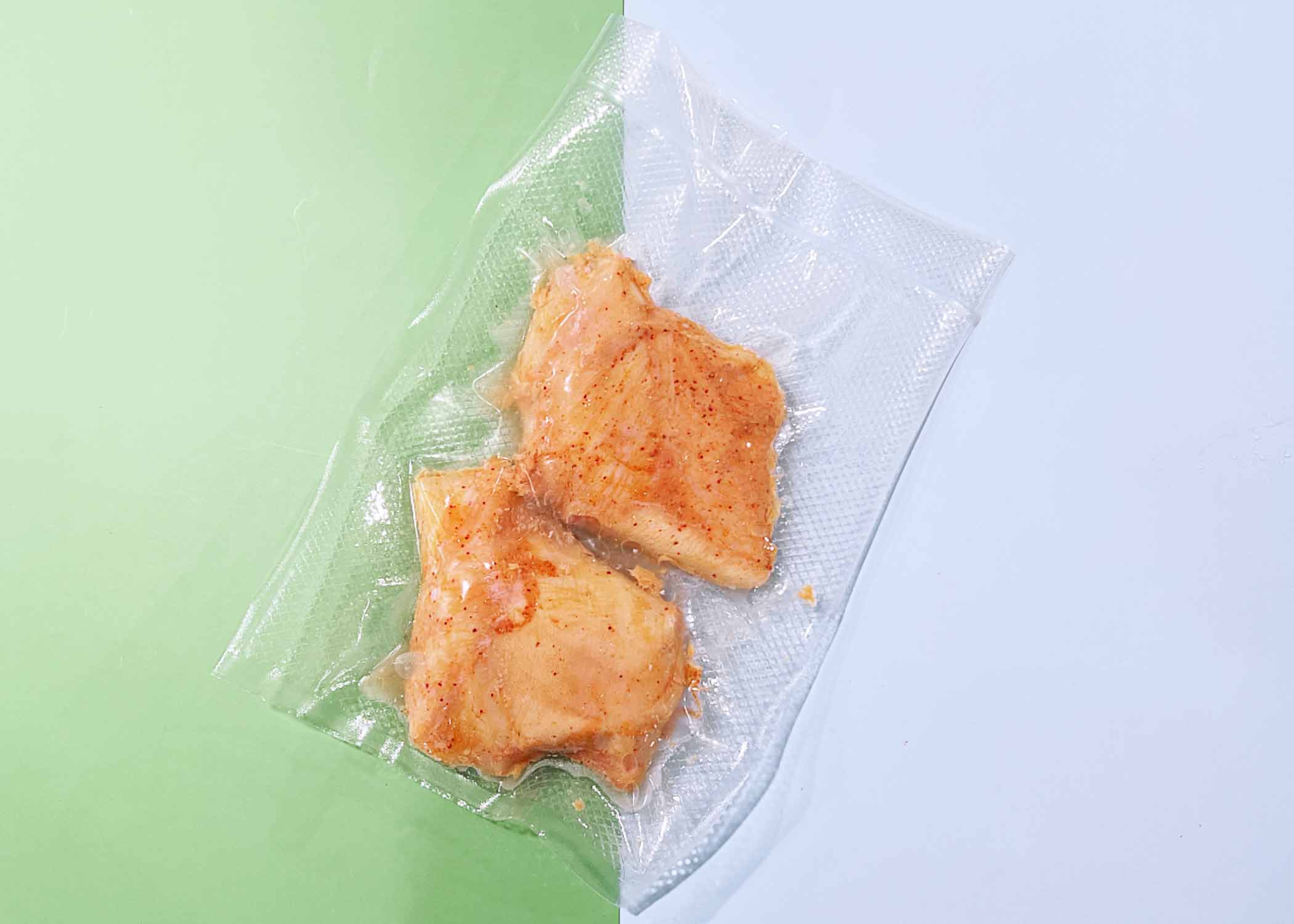
  (1) Meat-processed food
Jerk meat and salted meat (preserved meat).
  (2) Seafood
Fishes and other seafood…etc.
  (3) Processed food
frozen foodmicrowave food...etc.
  (4) Other food
rice, Chinese herbal medicine, tea leaves, bean products, seeds, dried food and nuts.
  (5) Other
Electronic parts and hardware components.

 Options: 

  (1) Vacuum sealer roll bag (Model: B01-2010)
  (2) Non-nozzle vacuum sealing machine (Model: DS-VM405)

Model Bag size 
100 bags / pack
B02-1010 100 x 100 x 0.085mm (WxLxT)
B02-1020 100 x 200 x 0.085mm (WxLxT)
B02-1030 100 x 300 x 0.085mm (WxLxT)
B02-1510 150 x 100 x 0.085mm (WxLxT)
B02-1520 150 x 200 x 0.085mm (WxLxT)
B02-1525 150 x 250 x 0.085mm (WxLxT)
B02-2030 200 x 300 x 0.085mm (WxLxT)
B02-2535 250 x 350 x 0.085mm (WxLxT)
B02-2840 280 x 400 x 0.085mm (WxLxT)
B02-3245 320 x 450 x 0.085mm (WxLxT)


Model Bag size 
100 bags / pack
B02-1045 100 x 450 x 0.085mm (WxLxT)
B02-1050 100 x 500 x 0.085mm (WxLxT)
B02-1545 150 x 450 x 0.085mm (WxLxT)
B02-1550 150 x 500 x 0.085mm (WxLxT)
B02-2045 200 x 450 x 0.085mm (WxLxT)
B02-2061 200 x 610 x 0.085mm (WxLxT)

Specification

Vacuum Sealer Bags:


You May Also Like
Why Choosing Dailysealing
Parts and material quality control
  • Heating elements are from Japan.
  • Motor, Transformers, PCB and vacuum bags are made in Taiwan.
Strict quality control
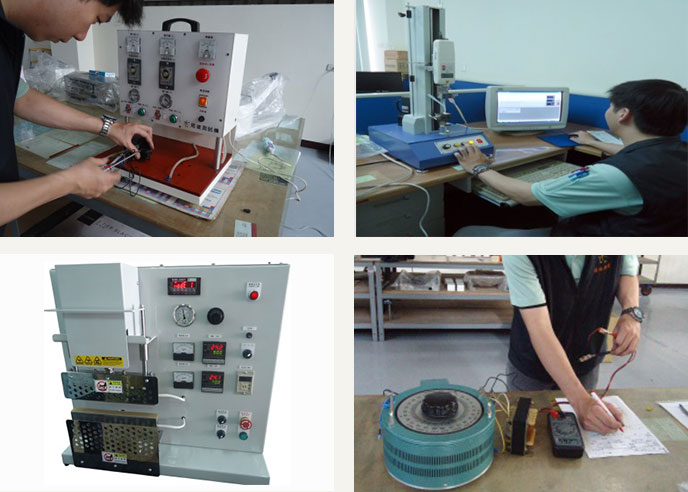
  • 100% product inspection: The inspection is included functions and appearance of sealing machines.
  • Tensile strength test to ensure the sealing line tensile strength value reaches the customer standard.
  • Electric leakage test: Puncture and insulation test.
  • Our production and inspection are all based on ISO 9001.
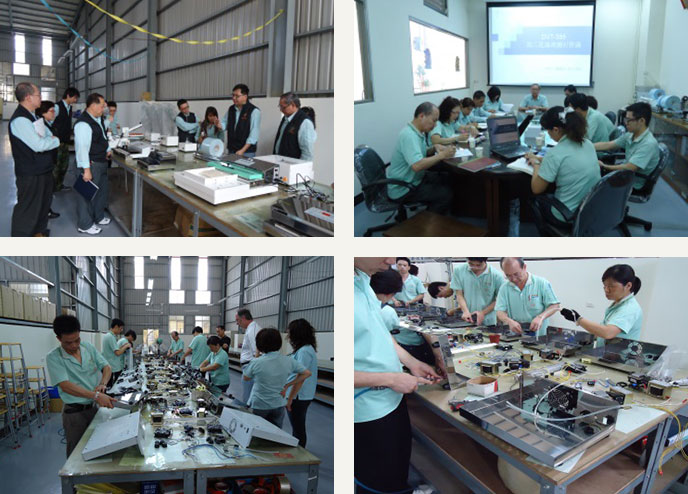
Professional packaging and sealing machine factory
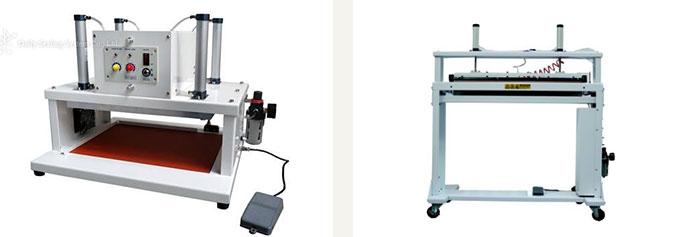
  • Produce many kinds sealing machines and ODM/OEM products and provide custom-made services.
  • More than 30 year experiences in packaging machines industry.
  • Sell sealing machines to America, Europe, Latin America and Asia.
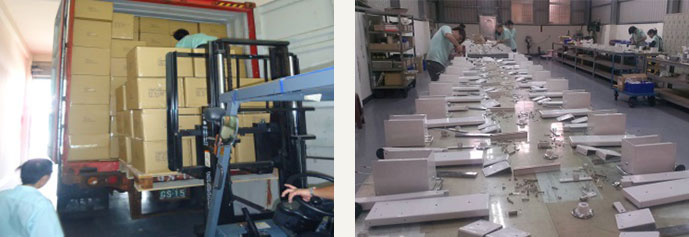
  • 85% products in stocks, so we can deliver the products quickly.
  • The production process is based on SOP to ensure the quality of sealing machines consistently.
Complete range of specifications of sealing machines
  • Complete range of specifications of sealing machines.
  • Many kinds of sealing machines and consumptive materials in stocks, so customers can do one-stop shopping here.
  • The customers include Biotechnology companies, Medical equipment companies, Food industry, Electronics industry, Handmade soap industry and other industry..
Custom-made sealing machine service
  • Custom-made sealing machine service
  • Designs of the special sealing machine for irregular shape sealing line, such as U-shape sealing line and L-shape sealing line.
  • Different width of sealing line could be custom-made to meet customer requirements.
After-sales service of professional sealing machine
  • Provide the professional service for repair the broken sealing machine immediately.
  • The sufficient supply of parts stock, so don’t worry about the parts replace.
  • Some parts of sealing machine are used in common specifications, so it is easy to get the parts for replace.
Exhibitions and trade shows
News
Vacuum Sealer Cleaning and Maintenance: A One-Stop Guide
2024/12/24
Vacuum Sealer Cleaning and Maintenance: A One-Stop Guide
Vacuum Sealer Cleaning and Maintenance: A One-Stop Guide   Vacuum sealers are indispensable equipment in the food packaging industry, helping to maintain the freshness of food or other products and extending the shelf life of products. To ensure that vacuum sealers operate over the long term and maintain optimal performance, regular cleaning and maintenance of the vacuum sealer is essential. Below is a series of professional steps for cleaning and maintaining vacuum sealers to help you achieve this goal.   Vacuum Sealer Cleaning Steps:   1. Daily Cleaning: After using the vacuum sealer, immediately wipe the exterior of the vacuum sealer as well as the sealing chamber and seal groove with warm water and a neutral detergent. Avoid using strong acids, strong alkalis, or abrasive detergents that could damage the surface.   2. Inspection and Replacement of the Vacuum Sealer's Heating element: Regularly check the vacuum sealer's Heating element for damage or wear and replace it in a timely manner to maintain excellent sealing results.   3. Lubrication of Vacuum Sealer Mechanism Parts: According to the operation manual, regularly check and apply a special lubricant to the mechanical parts of the vacuum sealer, such as conveyor belts and bearings.   4. Vacuum Pump Maintenance: For vacuum sealer models equipped with a vacuum pump, it's necessary to regularly clean the vacuum pump filter and replace the filter element to ensure the normal operation of the vacuum pump.   5. Electrical System Inspection: Regularly check the electrical system, including wires, plugs, and switches, to ensure they are safe and reliable.   Vacuum Sealer Maintenance Suggestions:   1. Ensure Good Ventilation: When using the vacuum sealer, ensure the surrounding area is well-ventilated to prevent dust and other foreign objects from entering the inside of the machine.   2. Inspection and Replacement of Vacuum Oil: For oil-type chamber vacuum sealers, regularly check the amount and clarity of the vacuum oil and add or replace the vacuum oil as necessary to maintain a good vacuum.   3. Cleaning of the Sealing Area: After using the vacuum sealer, clean the sealing area to keep it free of dirt and grime, ensuring the sealing effect.   4. Selection of Appropriate Packaging Materials: Choose suitable packaging materials, especially when vacuum sealing liquids, to prevent the liquid from being sucked into the pump.   5. Timely Replacement of Vacuum Sealer Consumables: If any worn or damaged parts are discovered, they should be replaced promptly to avoid affecting the performance of the vacuum sealer.   By following the above methods for cleaning and maintaining your vacuum sealer, you can not only ensure stable performance and efficient sealing results but also extend the lifespan of your vacuum sealer to the greatest extent. Regular maintenance not only helps improve work efficiency but also ensures the safety of the vacuum sealing process and the hygiene quality of the food.   Vacuum Sealer Cleaning and Maintenance
MORE
Vacuum Packaging in Agricultural Product Processing: Extending Freshness and Enhancing Qua
2024/12/19
Vacuum Packaging in Agricultural Product Processing: Extending Freshness and Enhancing Qua
Vacuum Packaging in Agricultural Product Processing: Extending Freshness and Enhancing Quality   In the agricultural product processing industry, one of the key challenges is preserving the freshness of ingredients, extending shelf life, and enhancing product quality. With the advancement of vacuum packaging technology, more and more agricultural product processing factories are adopting this technique, achieving remarkable results. Vacuum packaging not only effectively extends the shelf life of agricultural products but also protects their nutrients and original flavors. Below are the main applications of vacuum packaging in agricultural product processing:   1. Extending the Freshness of Agricultural Products For fresh vegetables, fruits, meat, and seafood, maintaining freshness after processing is a critical concern for processing factories. Vacuum packaging effectively isolates air, reducing the exposure of ingredients to oxygen, which helps slow down oxidation and prevent spoilage. This not only extends the freshness of agricultural products but also ensures that their taste and nutrients are preserved, meeting consumer demand for fresh products.   2. Optimal Storage for Frozen Foods Frozen agricultural products, such as frozen vegetables, fruits, and meats, are common products in many processing factories. Using vacuum packaging can effectively prevent freezer burn, preserving the texture and nutritional value of the food. Vacuum sealing reduces moisture loss, maintains the color, taste, and texture of the product, ensuring it remains in optimal condition even after long storage, making it suitable for distribution and sales.   3. Preservation of Dry Goods and Dried Fruits Dry fruits, dried vegetables, and other dry goods play an important role in agricultural product processing. The preservation of these products heavily relies on vacuum packaging, which effectively prevents moisture and insect infestation, protecting the taste, aroma, and nutritional value. Whether it's nuts, dried fruits, or herbs, vacuum packaging extends shelf life, reducing losses caused by environmental factors.                4. Meeting the Demand for Ready-to-Eat Agricultural Products As consumer demand for convenient foods rises, many agricultural product processing factories have begun producing ready-to-eat agricultural products. These products, such as pre-packaged salad greens and frozen ready-to-eat meals, benefit from vacuum packaging, which helps retain freshness and nutrients. Vacuum packaging not only maintains the taste and texture of the products but also enhances their market competitiveness, meeting consumers’ desires for both health and convenience.   5. Seed Packaging and Protection Agricultural product processing factories are not only concerned with food processing but also the handling of agricultural seeds. Seed packaging requires sealing to maintain dryness, prevent moisture, and protect the seeds from environmental factors. Vacuum packaging plays a significant role in seed packaging, improving germination rates and ensuring the productivity of crops.   Conclusion Vacuum packaging technology in agricultural product processing has a wide range of applications, from preserving freshness, freezing, and dry goods storage to meeting the demand for ready-to-eat products. It plays a vital role in extending shelf life, protecting the flavor of ingredients, and enhancing market competitiveness. As the need for diverse agricultural products and high-quality food grows, vacuum packaging continues to be an essential technology for agricultural processing.
MORE
Vacuum Packaging vs. Traditional Packaging: Which One is Right for You?
2025/1/8
Vacuum Packaging vs. Traditional Packaging: Which One is Right for You?
Vacuum Packaging vs. Traditional Packaging: Which One is Right for You?   Choosing the right packaging method can significantly impact your product’s shelf life and appeal. Two common methods are vacuum sealing and traditional packaging. Here’s a quick comparison to help you decide.   Vacuum Packaging This method removes most air from a package, creating a low-oxygen environment that slows oxidation and bacterial growth.   Benefits: ü   Extends shelf life. ü   Preserves flavor. ü   Prevents freezer burn. ü   Reduces waste. ü   Reduce packaging volume Drawbacks: ü   Higher cost. ü   Unsuitable for some products (e.g., gas-releasing items).   Traditional Packaging Traditional methods, like plastic bags or cardboard boxes, protect products without removing air.   Benefits: ü   Cost-effective. ü   Versatile for various products. Drawbacks: ü   Shorter shelf life. ü   Less protection during shipping.   Which Method is Best? Choose vacuum packaging for perishable items like meat or seafood. Opt for traditional packaging for non-perishables or budget-friendly solutions.   Conclusion Both methods have unique advantages. Evaluate your needs to select the best option for your products.   Call to Action   At DailySealing, we provide versatile packaging solutions. Contact us to discover how we can help preserve your product’s quality and freshness.  
MORE
TOP
We use cookies to provide a better experience. By proceeding, you agree to our PRIVACY POLICY, including the use of cookies and other tracking technologies.ACCEPT