
- Detail
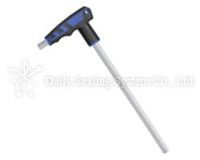
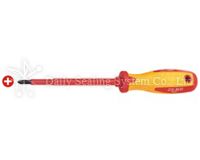
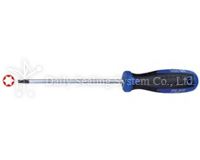
9PCS EXTRA LONG STAR KEY WRENCH SET
| Material: | CHRME VANAIUM | |||
| Name: | DPHK-2009P | |||
| Contents: | T10-T15-T20-T25-T27-T30-T40-T45-T50 | |||
Specification
You May Also Like

.jpg)
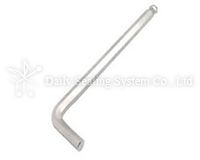

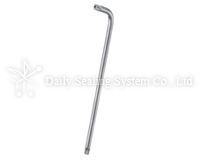
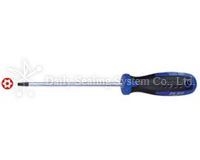

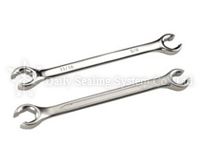

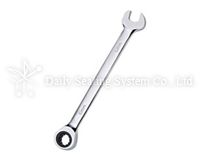
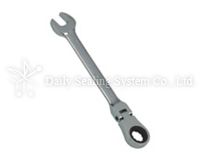
FLEXIBLE HEAD ONE-WAY RATCHETING COMBINATION WRENC
FLEXIBLE HEAD ONE-WAY RATCHETING COMBINATION WRENCH
.jpg)





Why Choosing Dailysealing
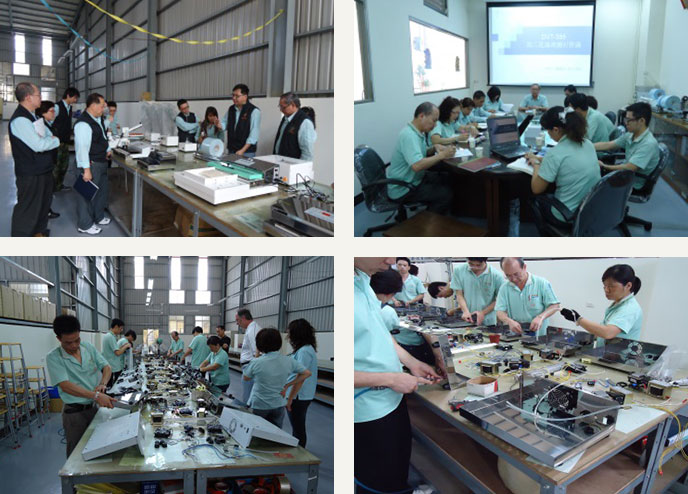
Parts and material quality control
- Heating elements are from Japan.
- Motor, Transformers, PCB and vacuum bags are made in Taiwan.
Strict quality control
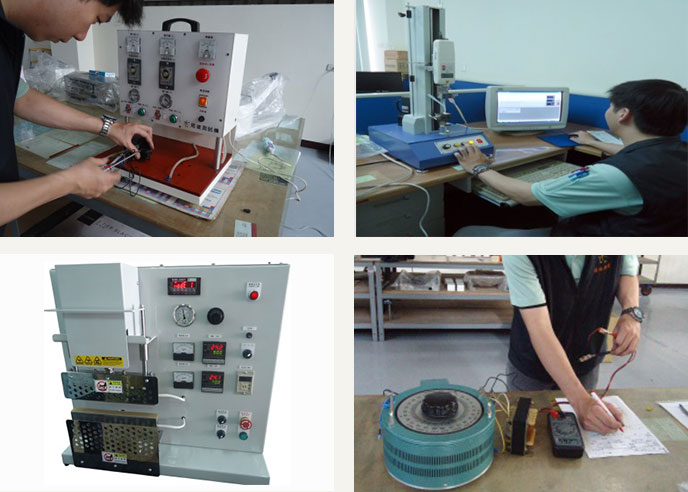
- 100% product inspection: The inspection is included functions and appearance of sealing machines.
- Tensile strength test to ensure the sealing line tensile strength value reaches the customer standard.
- Electric leakage test: Puncture and insulation test.
- Our production and inspection are all based on ISO 9001.
Professional packaging and sealing machine factory
- Produce many kinds sealing machines and ODM/OEM products and provide custom-made services.
- More than 30 year experiences in packaging machines industry.
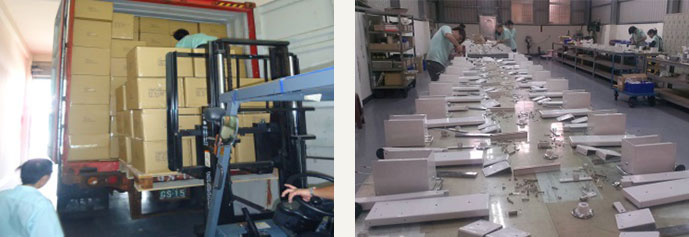
- Sell sealing machines to America, Europe, Latin America and Asia.
- 85% products in stocks, so we can deliver the products quickly.
- The production process is based on SOP to ensure the quality of sealing machines consistently.
Complete range of specifications of sealing machines
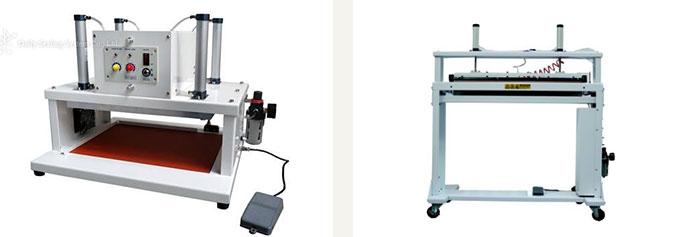
- Complete range of specifications of sealing machines.
- Many kinds of sealing machines and consumptive materials in stocks, so customers can do one-stop shopping here.
- The customers include Biotechnology companies, Medical equipment companies, Food industry, Electronics industry, Handmade soap industry and other industry..
Custom-made sealing machine service
- Custom-made sealing machine service
- Designs of the special sealing machine for irregular shape sealing line, such as U-shape sealing line and L-shape sealing line.
- Different width of sealing line could be custom-made to meet customer requirements.
After-sales service of professional sealing machine
- Provide the professional service for repair the broken sealing machine immediately.
- The sufficient supply of parts stock, so don’t worry about the parts replace.
- Some parts of sealing machine are used in common specifications, so it is easy to get the parts for replace.
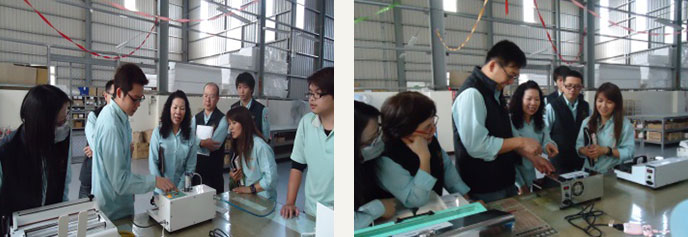
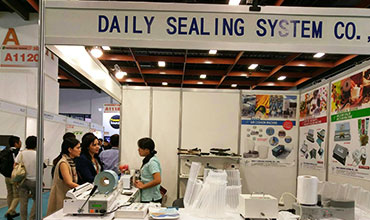
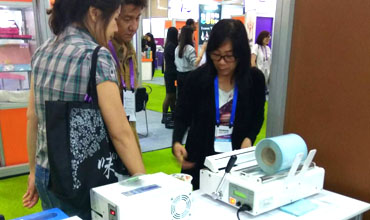
Exhibitions and trade shows







News
.jpg)
2026/4/27
What Industries Use Vacuum Sealers? Applications & Buying Guide for Packaging Machines
Vacuum Sealer Applications by Industry: Food, Medical, Electronics & Industrial Packaging Guide Vacuum sealers are widely used across food processing, restaurant central kitchens, agricultural produce, electronics manufacturing, medical device packaging,
and industrial parts storage. By removing air from the package before sealing, vacuum packaging machines effectively reduce oxidation, moisture damage, and contamination — making them a critical investment for businesses that need to protect product quality
and extend shelf life at scale. Quick Summary: What Industries Need Vacuum Packaging? Any industry that requires extended shelf life, moisture protection, oxidation prevention, contamination control, or consistent packaging quality can benefit from vacuum
sealing machines. Below are the most common industrial vacuum sealer uses across B2B sectors. Food Processing Central Kitchen Agricultural Produce Electronics Medical & Life Sciences Industrial Parts 1. Food Processing: Extend Shelf Life and Improve Packaging
Consistency Food processing is the most common vacuum sealer application across industries. Manufacturers packaging meat, seafood, cooked food, frozen meals, ready-to-eat products, and marinated goods rely on vacuum packaging machines to reduce air contact,
slow oxidation, and prevent off-flavors — all of which directly impact product quality and distribution range. Common vacuum sealer applications in food processing: Fresh meat and seafood portioning and packaging Cooked food, braised products, and meal kit
preservation Frozen food and cold-chain distribution packaging Marinated products, cured meats, and processed food packaging For high-volume food production lines, we recommend evaluating a Chamber Vacuum Sealer or Nozzle Type Vacuum Band Sealer to achieve
consistent throughput and stable vacuum quality. 2. Restaurants & Central Kitchens: Improve Prep Efficiency and Inventory Control For restaurant chains and central kitchen operations, vacuum sealers support standardized food prep, portion control, and cold
storage management. A commercial vacuum sealer for central kitchen environments reduces ingredient waste and enables cleaner inventory tracking across multiple locations. Key operational benefits: High-volume daily ingredient prep and portioning Refrigerated
and frozen food storage Takeaway, delivery, and cold-chain logistics packaging Reducing moisture loss and oxidation in prepped ingredients 3. Agricultural Produce Processing: Extend Sales Window and Reduce Transit Loss Post-harvest agricultural products are
highly susceptible to moisture, air, and temperature fluctuations. Vacuum packaging is widely used for tea, coffee beans, dried goods, grains, and processed fruits and vegetables — stabilizing quality and increasing the marketable value of the product during
export shipping and distribution. Smaller agricultural processors with lower packaging volumes may start with a Non-Nozzle Type Vacuum Sealer. Operations that require higher throughput should evaluate chamber or band sealer models. 4. Electronics & Precision
Parts: Moisture Protection, Oxidation Prevention, Anti-Rust Electronic components, metal parts, and precision instruments are highly sensitive to humidity and oxidation. A vacuum packaging machine for electronics provides reliable moisture protection during
warehousing, export shipping, and long-term storage — significantly reducing product failure rates caused by environmental exposure. Common industrial vacuum sealer uses for electronics and parts: Moisture-proof packaging for electronic components and PCBs
Anti-rust packaging for metal parts and machined components Transit protection for precision instruments and assemblies Long-term warehouse storage with stable vacuum conditions 5. Medical & Life Sciences: Seal Integrity and Packaging Compliance Medical device
manufacturers and life science companies require packaging that meets strict sealing standards. For sterilization pouch sealing, medical consumables, or specialized packaging applications, equipment selection must align with the material type, required seal
width, and production workflow. For sterilization pouch packaging, refer to our Medical Pouch Sealer Series — designed specifically for vacuum sealer medical packaging requirements. 6. How to Choose a Vacuum Sealer by Industry When selecting a vacuum packaging
machine, price alone should not be the deciding factor. Different industries have different requirements in terms of product content, packaging volume, bag material, and production line configuration. Understanding your actual operating conditions is essential
before making a purchasing decision. Application ScenarioRecommended Equipment Small-batch food or produce packaging Non-nozzle or nozzle type vacuum sealer High-volume food processing / central kitchen Chamber vacuum sealer, vacuum band sealer Electronics
and industrial parts moisture protection Vacuum sealer with compatible bag materials Medical consumables / sterilization pouch sealing Medical pouch sealer 7. Before Purchasing a Vacuum Packaging Machine: 4 Things to Confirm 1. Product Type Solid, liquid,
powder, or high-moisture products each require different sealing approaches and machine configurations. 2. Daily Output Volume Low volume fits basic models; high-volume production lines need chamber or continuous vacuum sealing equipment. 3. Bag / Pouch Material
Bag thickness, structure, and material type directly affect vacuum performance and seal integrity. 4. Custom Requirements Non-standard product dimensions or specialized production line setups may require custom sealing solutions. Dailysealing: Vacuum Sealing
Solutions for Industrial & Commercial Applications Dailysealing is a professional vacuum sealer and sealing machine manufacturer with an in-house factory and decades of experience in packaging machinery production. We support B2B buyers across food processing,
electronics, medical packaging, and industrial parts applications — helping clients evaluate the right vacuum packaging machine for their product type, bag material, and production volume. Frequently Asked Questions Q1: Are vacuum sealers only used in the
food industry? No. While food processing is the most common application, vacuum packaging machines are also widely used for moisture protection of electronics, anti-rust packaging of metal parts, agricultural produce preservation, medical consumables, and
industrial parts storage. Q2: What industries need vacuum packaging machines for export shipping? Industries that commonly use vacuum packaging for export include food processing, electronics, precision parts manufacturing, and agricultural produce. Vacuum
sealing helps prevent moisture damage and oxidation during long-distance transit and extended storage. Q3: What vacuum sealer is recommended for food processing plants? Food processing facilities with high daily output should prioritize chamber vacuum sealers
or nozzle-type vacuum band sealers. These models offer stable throughput and consistent vacuum quality suited for commercial and industrial-scale packaging. Q4: Can vacuum sealers be used for electronics and industrial parts packaging? Yes. Electronic components
and metal parts are prone to moisture damage and oxidation. Vacuum packaging provides reliable moisture sealing for warehouse storage, transit protection, and long-term product preservation. Q5: How do I choose the right vacuum sealer for my industry? Start
by identifying your product type, bag material, daily packaging volume, and whether the product contains liquid or moisture. Sharing these details with a packaging machine specialist allows for a more accurate equipment recommendation tailored to your production
needs. Looking for a Vacuum Sealer for Your Industry? Share your product type, bag dimensions, daily output, and application requirements. Our team at Dailysealing can help you identify the right vacuum packaging machine and sealing solution for your business.
View Vacuum Sealer Series Contact Us // //
MORE
2024/6/13
How to choose a vacuum sealing machine? (Nozzle vacuum sealer)
In recent years, vacuum packaging has become very popular, vacuum packaging keeps damp proof, extended shelf life, and reduced storage space. There are various types of vacuum sealing machines available on the market. How to find a suitable vacuum sealer
for your product. The following are specially divided into three categories for the vacuum sealers sold on the market (Chamber Vacuum Sealer, Non-nozzle Vacuum Sealer, and Nozzle Vacuum Sealer) introduce advantages and disadvantages. There are other places
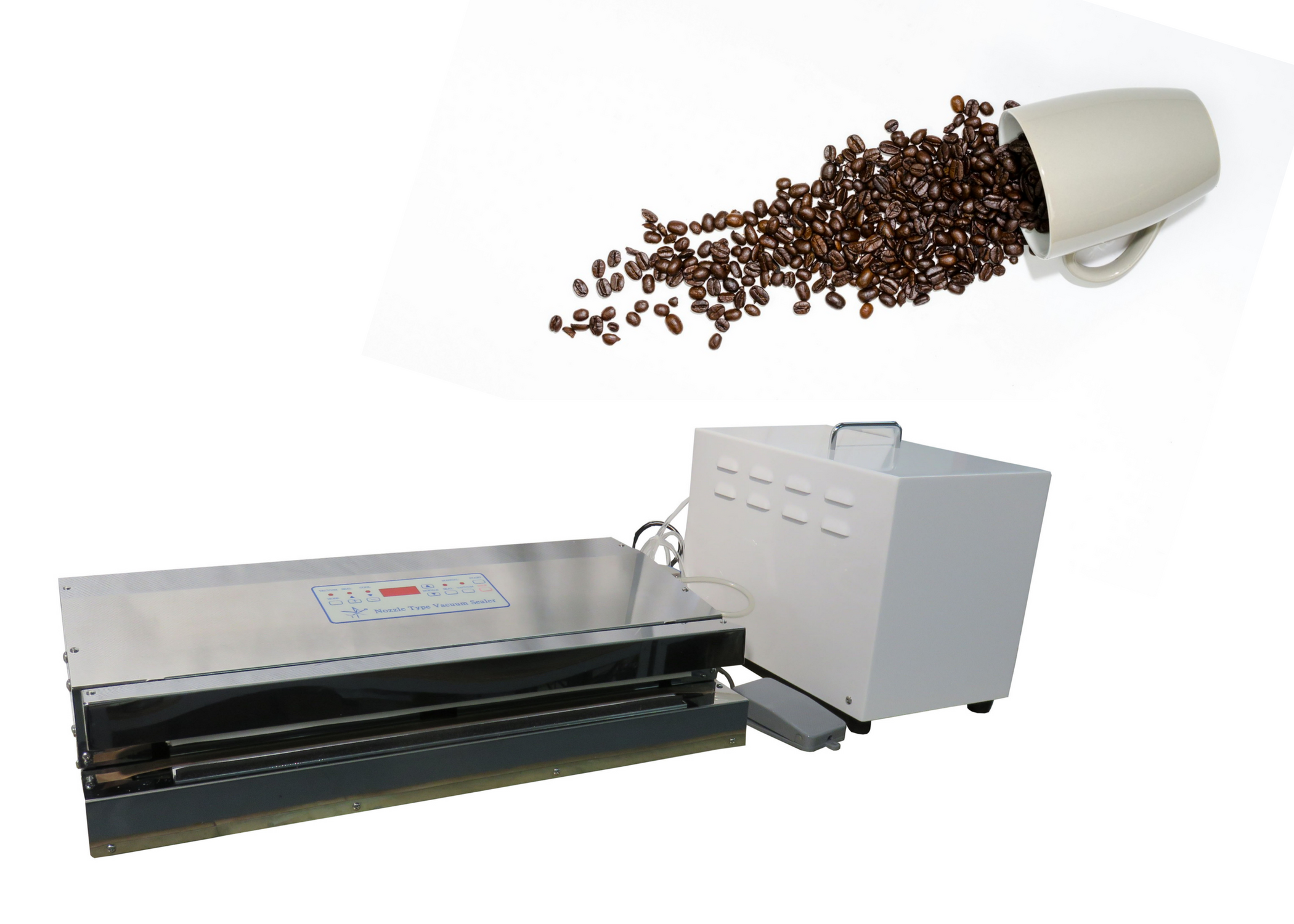
to pay attention to when buying, hope to help everyone buy a suitable vacuum sealer, and enhance the quality of our product. ※ Nozzle vacuum sealer At present, the nozzle vacuum sealer is widely used in the electronics industry. The Nozzle vacuum
sealer and Non-nozzle vacuum sealer are also external, The difference is that the nozzle vacuum sealer uses the nozzle to extend into the vacuum bag to extract the air. Available for vacuum flat bags and aluminum flat bags. Non-nozzle vacuum sealer without
a nozzle. Therefore, only the strips of the vacuum stripe bag can be used to create a pipeline to allow the air to be drawn out. The reason why the nozzle vacuum sealer has a nozzle, after the vacuum, the nozzle must be retracted into the machine and can be
sealed, so when the nozzle moves, a little air enters. Therefore, the vacuum degree of the nozzle vacuum sealer is lower than that of the other two vacuum sealers. The nozzle vacuum sealer is divided into the pneumatic type and electromagnet due to
the driving mode. The advantage of the pneumatic nozzle vacuum sealer is the low sound, the disadvantage is that you need to connect the air compressor. The electromagnetic nozzle vacuum sealer doesn't need to be connected to an air compressor, but the sound
is loud during operation. Most Nozzle vacuum sealers are designed for products with little moisture or powder, add a water filter, keep water and powder in the water filter, Don't allow moisture and powder to flow into the machine, and Avoid damage
to parts. If the product itself is water or powder, never choose a Nozzle vacuum sealer, because when pumping, the nozzle extends into the vacuum bag, it will directly remove the water and powder, It's recommended to choose the Chamber vacuum sealer, when
the Nozzle vacuum sealer in operating, the way the nozzle is placed and the position of the product are very important, related to the vacuum effect. When the vacuum is recommended, keep the nozzle as close as possible to the product, and avoid sticking vacuum
flat bags when pumping, this causes the nozzle to be unable to pump air, but be careful that the nozzle is not blocked the product, it can't be pumping. When operating the Nozzle vacuum sealers, please pay special attention to this technique. Same
to a Non-nozzle vacuum sealer, there are plastic casings for sale in the market. Nozzle vacuum sealer with metal shell (steel plate with powder coating and stainless steel), small size vacuum sealer with plastic casing, cheap price, but long-term operating
with high frequency, it's not recommended to buy the Nozzle vacuum sealer with a plastic casing, because the vacuum sealer will generate heat when sealing, use for a long time, the sealing seat with continuing to heat when the temperature is too high, the
plastic case may be deformed. Just for household or small amounts of use, a Nozzle vacuum sealer can be purchased in a plastic case. If it's a factory or a long-term operator, it's recommended to purchase a Nozzle vacuum sealer with a stainless steel housing,
in addition to not worrying about the deformation of the sealing seat due to high temperature, the vacuum pump installed inside is larger than the Nozzle vacuum sealer with plastic casing, continuous use is not afraid of failure, and the vacuuming ability
is also strong. The Nozzle vacuum sealer is available for a vacuum flat bag, cheaper than a vacuum stripe bag. However, due to the control of the nozzle entering and leaving, the structure is more complicated than the Non-nozzle vacuum sealer. Therefore,
the price of the Nozzle vacuum sealer is higher than that of the Non-nozzle vacuum sealer, price comparison with the Chamber vacuum sealer depends on the vacuum pump built into the Chamber vacuum sealer, Nozzle vacuum sealers are more expensive than Oil-less
type Chamber vacuum sealer, but is lower than the oil type Chamber vacuum sealer. Generally, there is only one nozzle of the Nozzle vacuum sealer, it can add nozzles and inflatable functions according to customer needs, most of them are filled with
nitrogen, option to pump first and then inflate, or function settings such as inflate and then pump after pumping. In addition, there are also inflatable sealing machines that only inflate, it also uses a nozzle to fill the gas into the vacuum bag. The inflatable
has moisture-proof, the advantages of retaining freshness and anti-collision, mostly used in the food industry. The Band sealer also develops the air extraction function, it also uses the nozzle to suck out the air, which belongs to a Nozzle vacuum
sealer, generally known as a Continuous vacuum sealer. The price is much higher than other types of vacuum sealers, and the structure of the Band sealer will also affect the vacuum degree, so the price is also different, to choose a Continuous vacuum sealer,
except for the price, the vacuum degree is also a factor to consider. When purchasing a vacuum sealer, factors to consider include price, the types of vacuum bags it can use, vacuum efficiency, the size and type of products to be sealed, and the operating
method. No matter what kind of product you want to vacuum, it's recommended to bring the product to the site for testing before purchasing, test the vacuum effect and understand how to operate it, this will allow you to choose the most suitable vacuum sealer
for your needs.
MORE
.jpg)
2026/6/12
Vacuum Sealer vs. Continuous Band Sealer: Key Differences, Applications, and Buying Guide
Vacuum Sealer vs. Continuous Band Sealer: Key Differences, Applications, and Buying Guide Many businesses face the same question when selecting packaging equipment: Should I choose a vacuum sealer or a continuous band sealer? Although both machines are
used for packaging and sealing products, they serve very different purposes. A vacuum sealer removes air before sealing, making it ideal for products requiring freshness preservation and oxidation prevention. A continuous band sealer focuses on high-speed
sealing, making it the preferred choice for high-volume packaging operations. Choosing the wrong equipment can lead to reduced efficiency, poor packaging quality, and unnecessary costs. Quick Answer: Vacuum Sealer or Continuous Band Sealer? Need to extend
shelf life or prevent oxidation: Choose a vacuum sealer Need high-speed, high-volume sealing: Choose a continuous band sealer Need both vacuum packaging and high volume: Evaluate a continuous vacuum sealer Need only standard bag sealing at lower volume: An
impulse sealer or foot sealer may be sufficient 1. What Is a Vacuum Sealer? A vacuum sealer removes air from the package before creating the final seal. By reducing oxygen inside the package, vacuum sealing helps extend shelf life, reduce oxidation, prevent
moisture damage, and improve storage stability. Vacuum sealers are ideal for extending shelf life — making them a standard choice for food processing, agricultural products, and moisture-sensitive industrial components. Based on Dailysealing's practical experience
across food processing, agricultural packaging, and electronic components applications, products sensitive to oxygen or moisture consistently benefit most from vacuum packaging. Fresh meat, seafood, cooked foods, and agricultural produce are among the most
common vacuum packaging applications. Common Vacuum Sealer Applications Fresh meat and seafood Cooked and processed foods Coffee beans, tea, and nuts Agricultural produce Electronic components and precision parts Medical supplies and consumables Key Advantages
of Vacuum Sealers Extends product shelf life significantly Reduces oxidation and moisture damage Improves food freshness and storage quality Protects sensitive components from environmental exposure Available in multiple configurations for different output
volumes If your primary packaging goal is preservation rather than just sealing, a vacuum sealer will almost always outperform a standard bag sealer. 2. What Is a Continuous Band Sealer? A continuous band sealer is designed for continuous sealing operations.
Products move through a conveyor system where the bag passes through heating and cooling zones to create a consistent seal — without stopping between bags. Continuous band sealers are suitable for high-volume packaging where throughput and consistency are
the priority, not air extraction. From Dailysealing's experience serving clients in food manufacturing, agricultural processing, and industrial packaging, businesses typically transition from manual impulse or foot sealers to continuous band sealers when daily
packaging volume exceeds several hundred bags — significantly improving production efficiency and seal consistency. Common Continuous Band Sealer Applications Snacks, candies, cookies Dry goods, tea, coffee Powder and granule products Hardware and industrial
components Agricultural goods (rice, grains, feed) General PE, aluminum foil, and laminated pouches Key Advantages of Continuous Band Sealers High throughput for large-volume operations Consistent seal quality across all bags Reduced manual handling and labor
costs Continuous operation without stops between bags Compatible with production line integration If your product does not require vacuum packaging but your daily output is growing, a continuous band sealer delivers far better efficiency than manual sealing
equipment at scale. 3. Vacuum Sealer vs. Continuous Band Sealer: Full Comparison The best choice depends on product characteristics and packaging volume. The table below covers the key differences across the most important evaluation criteria for B2B packaging
buyers: FeatureVacuum SealerContinuous Band Sealer Primary Function Removes air, then seals Seals continuously at high speed Shelf Life Improvement ✅ Excellent Limited Packaging Speed Moderate ✅ High High-Volume Production Depends on model ✅ Excellent Oxidation
Protection ✅ Excellent Limited Food Preservation ✅ Excellent Moderate Production Line Integration Available on certain models ✅ Excellent Labor Reduction Moderate ✅ High 4. Which Is Better for Food Packaging? The answer depends on the specific food product.
Based on Dailysealing's technical team's experience across food processing, central kitchen, and agricultural packaging clients, different food categories have distinctly different packaging equipment requirements: Recommended equipment by food product type:
Fresh meat, seafood, cooked foods: Vacuum sealer — shelf life extension is the priority Tea, coffee beans: Vacuum sealer or continuous band sealer, depending on preservation requirements Snacks, cookies, candy: Continuous band sealer — high-volume sealing
efficiency Dry goods, powders, grains: Continuous band sealer High-volume food processing: Continuous band sealer or continuous vacuum sealer 5. When Should You Choose a Vacuum Sealer? ① Product Requires Longer Shelf Life Meat, seafood, cooked foods, and marinated
products deteriorate quickly when exposed to air. Vacuum packaging significantly extends their usable shelf life. ② Product Is Prone to Oxidation Tea, coffee, nuts, and electronic components degrade when exposed to oxygen and humidity. Vacuum packaging significantly
reduces this risk. ③ Product Needs Cold-Chain or Long-Distance Shipping Products going through freezing, refrigeration, or long-distance transit benefit from the added protection vacuum packaging provides during extended storage. ④ Product Contains Liquid
or Moisture Liquid-content products are better handled by a chamber vacuum sealer, which creates negative pressure around the entire bag rather than extracting directly from inside. 6. When Should You Choose a Continuous Band Sealer? ① Daily Packaging Volume
Is High When daily output reaches hundreds of bags or more, manual sealing equipment creates a production bottleneck. A continuous band sealer dramatically improves throughput. ② Product Does Not Require Vacuum If the packaging goal is containment, moisture
resistance, or dust protection — rather than air removal — a continuous band sealer is the more efficient solution. ③ Consistent Seal Quality Is Required The conveyor-driven process maintains a consistent sealing speed, eliminating operator-to-operator variation
and improving overall packaging quality. ④ Labor Efficiency Is a Priority Continuous sealing machines significantly reduce manual sealing time, freeing operators for other production tasks and lowering cost per unit packaged. 7. What If You Need Both Vacuum
Sealing and High Volume? Some operations require both vacuum packaging and high production output simultaneously. In these situations, a continuous vacuum sealer combines automated conveyor operation with integrated vacuum packaging — making it suitable for
food processing plants, meat and seafood producers, and large-scale agricultural packaging operations. A continuous vacuum sealer may be the right solution when: Vacuum packaging is required and daily output is high Production line efficiency needs to be maximized
Reducing manual labor in the packaging process is a priority Both shelf-life extension and high-volume output are required simultaneously 8. Four Questions to Answer Before Choosing When selecting between a vacuum sealer and a continuous band sealer, equipment
price should not be the primary factor. The right machine is the one that matches your product characteristics, packaging requirements, and production volume. 1. Does the product need vacuum packaging? Products requiring freshness or oxidation protection need
a vacuum sealer. If only containment sealing is needed, a continuous band sealer is more efficient. 2. What is your daily packaging volume? Low volumes suit manual or compact equipment. Higher volumes justify a continuous band sealer or continuous vacuum sealer
investment. 3. What packaging material are you using? PE bags, aluminum foil, laminated pouches, and vacuum channel bags each require different sealing temperatures and machine configurations. 4. Does the product contain liquid or moisture? Liquid-content
products require specialized vacuum sealing configurations. A chamber vacuum sealer is often the most appropriate solution for wet or high-moisture products. The following questions are compiled from Dailysealing's technical team's experience working with
clients in food processing, agricultural packaging, electronics manufacturing, and industrial packaging applications. Frequently Asked Questions Q1: What is the main difference between a vacuum sealer and a continuous band sealer? A vacuum sealer removes air
from the package before sealing — this is its defining function. A continuous band sealer seals the bag opening at high speed without extracting air. The core difference is whether air removal is part of the packaging requirement. If shelf life and oxidation
protection matter, a vacuum sealer is the right choice. If throughput and efficiency at volume are the priority, a continuous band sealer is more appropriate. Q2: Which machine is better for food packaging? It depends on the product. For meat, seafood, cooked
foods, and products requiring shelf-life extension, a vacuum sealer is generally the better choice. For snacks, dry goods, and high-volume food manufacturing that does not require vacuum packaging, a continuous band sealer provides higher efficiency and output
consistency. Q3: Can a continuous band sealer perform vacuum packaging? No. Standard continuous band sealers only heat-seal the bag opening and do not extract air. For vacuum packaging requirements, a vacuum sealer is necessary. For operations that need both
vacuum packaging and high-volume continuous output, a continuous vacuum sealer performs both functions in a single automated process. Q4: Which machine is better for large-scale production? For high-volume packaging that does not require vacuum sealing, a
continuous band sealer offers superior throughput and operational efficiency. If high-volume vacuum packaging is required, evaluate a continuous vacuum sealer — which integrates automated conveyor operation with vacuum packaging capability in a production
line format. Q5: How do I choose between the two? Start by answering four questions: Does the product need vacuum packaging? What is your daily output volume? What bag material are you using? Does the product contain liquid or moisture? These four criteria
— product characteristics, packaging volume, bag material, and moisture content — will narrow down the right equipment type for your application. About This Article This article was prepared by the Dailysealing technical team. Daily Sealing System Co., Ltd.
is a Taiwan-based manufacturer specializing in sealing machines and vacuum packaging equipment. Our product range includes vacuum sealers, external vacuum sealers, chamber vacuum sealers, continuous band sealers, continuous vacuum sealers, foot sealers, impulse
sealers, medical pouch sealers, and customized sealing equipment. The company holds ISO 9001:2015 certification and carries CE, FDA, EU No.10/2011, and BPA Free certifications. Patents are registered in Taiwan, the United States, Europe, Germany, Japan, and
China. Content in this article is based on actual packaging equipment application experience, equipment specifications, and industry practice — intended to support equipment evaluation by B2B buyers and procurement teams. Not Sure Whether to Choose a Vacuum
Sealer or a Continuous Band Sealer? Share your product type, bag material, and daily output volume. The Dailysealing technical team can evaluate your requirements and recommend the most suitable sealing equipment for your operation. View All Sealing Machine
Series Contact Us // //
MORE