
- Detail
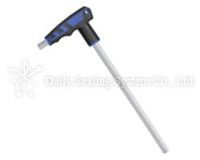
T-HANDLE SOCKET
| Material: | CHRME VANAIUM | |||
| Finished: | SATIN/POLISH/DOUBLE COLOR | |||
| Contents: | ITEM | SIZE | L(mm) | (g) kg |
| T-HS08 | 8MM | 300 | 310 | |
| T-HS09 | 9MM | 300 | 310 | |
| T-HS10 | 10MM | 300 | 318 | |
| T-HS11 | 11MM | 300 | 330 | |
| T-HS12 | 12MM | 300 | 330 | |
| T-HS13 | 13MM | 300 | 332 | |
| T-HS14 | 14MM | 300 | 350 | |
| T-HS17 | 17MM | 314 | 513 | |
| T-HS19 | 19MM | 314 | 532 | |
Specification
You May Also Like
.jpg)


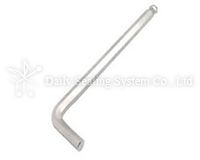
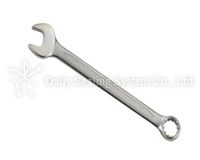
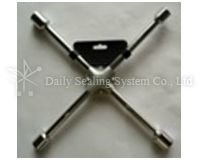

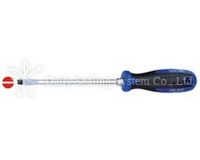
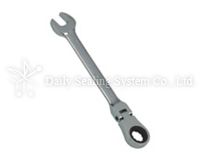
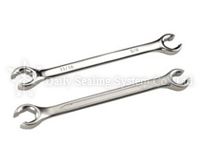
FLEXIBLE HEAD ONE-WAY RATCHETING COMBINATION WRENC
FLEXIBLE HEAD ONE-WAY RATCHETING COMBINATION WRENCH





.jpg)
Why Choosing Dailysealing
Parts and material quality control
- Heating elements are from Japan.
- Motor, Transformers, PCB and vacuum bags are made in Taiwan.
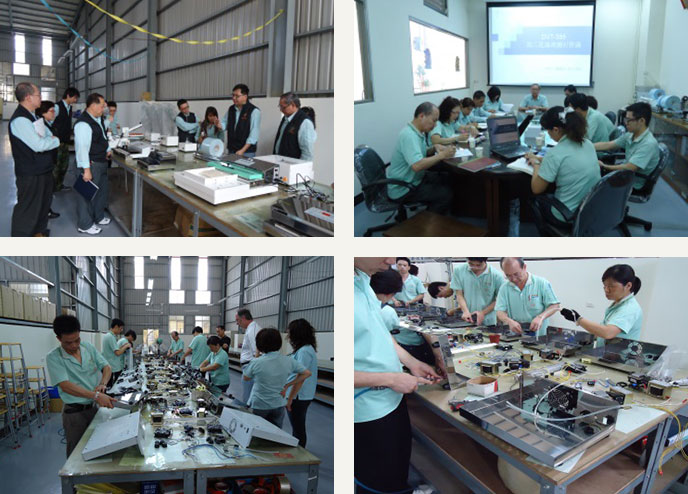
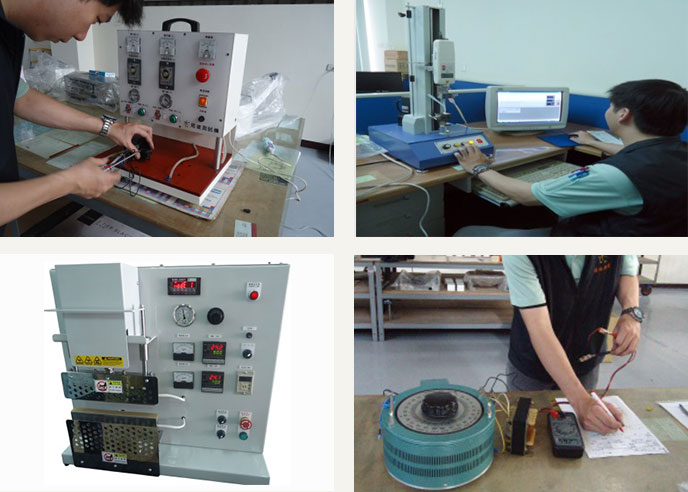
Strict quality control
- 100% product inspection: The inspection is included functions and appearance of sealing machines.
- Tensile strength test to ensure the sealing line tensile strength value reaches the customer standard.
- Electric leakage test: Puncture and insulation test.
- Our production and inspection are all based on ISO 9001.
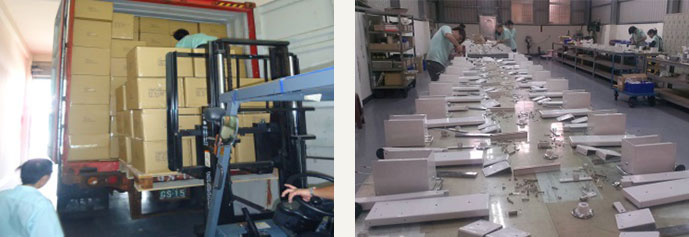
Professional packaging and sealing machine factory
- Produce many kinds sealing machines and ODM/OEM products and provide custom-made services.
- More than 30 year experiences in packaging machines industry.
- Sell sealing machines to America, Europe, Latin America and Asia.
- 85% products in stocks, so we can deliver the products quickly.
- The production process is based on SOP to ensure the quality of sealing machines consistently.
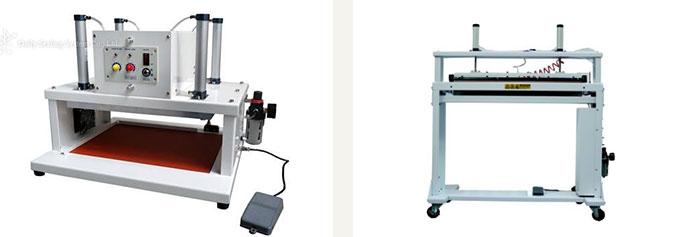
Complete range of specifications of sealing machines
- Complete range of specifications of sealing machines.
- Many kinds of sealing machines and consumptive materials in stocks, so customers can do one-stop shopping here.
- The customers include Biotechnology companies, Medical equipment companies, Food industry, Electronics industry, Handmade soap industry and other industry..
Custom-made sealing machine service
- Custom-made sealing machine service
- Designs of the special sealing machine for irregular shape sealing line, such as U-shape sealing line and L-shape sealing line.
- Different width of sealing line could be custom-made to meet customer requirements.
After-sales service of professional sealing machine
- Provide the professional service for repair the broken sealing machine immediately.
- The sufficient supply of parts stock, so don’t worry about the parts replace.
- Some parts of sealing machine are used in common specifications, so it is easy to get the parts for replace.
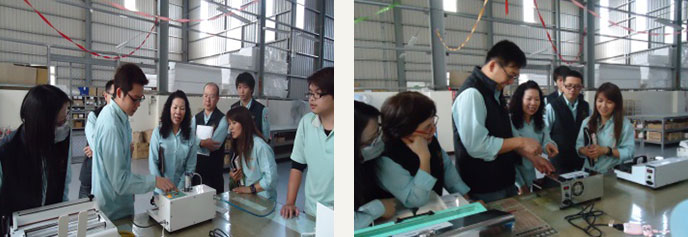
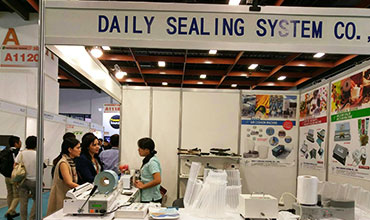
Exhibitions and trade shows







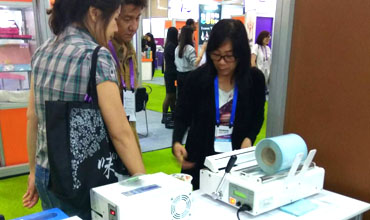
News
.jpg)
2022/12/15
Vacuum Sealer Bag
Vacuum package have to use the vacuum sealer bags, and it can keep the vacuum effect. Daily’s vacuum sealer bags are made in Taiwan, and have SGS approval, pass BPA FREE test, FDA and EU standards. ※ Kinds of Vacuum sealer bags: - Vacuum channel Sealer
Bags / Vacuum embossed sealer bags It is suitable for non-nozzle vacuum sealers. The straight lines on the vacuum channel sealer bags will make the channels help non-nozzle vacuum sealers to vacuum the air from the bags. We have stocks of all standard sizes
of vacuum channel sealer bags. We also can produce custom-made size and printing of vacuum channel sealer bags, but it has the minimum order quantity limit. Vacuum channel sealer bags: one side is straight lines and the thickness is 0.3mm, and the other side
is flat and the thickness is 0.085mm. - Vacuum sealer bag It is suitable for nozzle type vacuum sealer and chamber vacuum sealer. We have stocks of all standard sizes of vacuum sealer bags. We also can produce custom-made size and printing of vacuum sealer
bags, but it has the minimum order quantity limit. the thickness of vacuum sealer bags is 0.08mm, and we can accept custom-made thickness, but it has the minimum order quantity limit. ※ Vacuum sealer bags material: - NY+PE: NY can block the air into the
vacuum sealer bags, so it can keep the vacuum effect. ※ Functions of vacuum sealer bags: - Keeps food safe and fresh - Simmer - Microwave-safe ※ Spec. of Vacuum sealer bags : There are two kinds of vacuum sealer bags: standard size vacuum sealer bags and
vacuum sealer roll bags. - Standard size vacuum sealer bags is already cut to the standard size. They are in stock. We also accept the order of custom-made special size and printing. - Vacuum sealer roll bags: We produce the roll bags for vacuum channel sealer
bags. The standard length of vacuum channel sealer roll bags is 10M and 20M. The size of vacuum channel sealer roll bags also can be custom-made. It is suitable for many sizes of package articles but the small quantity. More details: Click here
MORE
.jpg)
2026/6/5
When Should You Use a Continuous Band Sealer?
When Should You Use a Continuous Band Sealer? Applications, Benefits, and Selection Guide Many businesses begin their packaging process with manual sealing equipment such as impulse sealers or foot sealers. However, as production volume increases, these
machines may no longer provide sufficient efficiency or consistency. At this stage, many manufacturers start considering whether a continuous band sealer is the right solution. This guide will help you understand the key applications, advantages, and selection
criteria for continuous sealing machines. Quick Answer: 4 Signs You Need a Continuous Band Sealer Daily packaging volume has grown to hundreds or thousands of bags and your current equipment can no longer keep up Operators spend most of their time manually
sealing bags, driving up labor costs Sealing quality is inconsistent across different operators or shifts Order volume is growing and you need a stable, scalable packaging workflow 1. What Is a Continuous Band Sealer? A continuous band sealer is a packaging
machine designed to seal bags continuously through a conveyor system. Unlike manual sealers that require individual operation for each package, a continuous sealing machine automatically transports bags through heating and cooling sections to create a consistent
seal. Continuous band sealers are ideal for high-volume packaging operations — making them a standard choice for food processing, agricultural goods, electronics, industrial components, and OEM manufacturing environments. A continuous band sealer is particularly
suited for: High-volume packaging with hundreds or thousands of bags per day Repetitive sealing operations requiring consistent output Continuous production environments and integrated packaging lines 2. When Your Packaging Volume Continues to Increase One
of the most common reasons businesses upgrade to a continuous band sealer is increasing production demand. Continuous sealing machines improve packaging efficiency and consistency — particularly when daily output reaches a scale where manual sealing creates
bottlenecks. Daily OutputRecommended DirectionSuitable Equipment Under 50 bags/day Low volume, flexibility priority Impulse sealer, foot sealer 100–300 bags/day Medium volume, evaluate semi-automatic Semi-automatic sealer, foot sealer Hundreds to thousands/day,
extended runs High volume, build a stable production line Continuous band sealer, continuous vacuum sealer At high volumes, manual sealing becomes a significant bottleneck — slowing output, increasing errors, and raising labor costs. A continuous band sealer
maintains consistent throughput and frees up labor for other production tasks. 3. When You Need to Reduce Labor Costs Manual sealing requires operators to position each bag, activate the sealing process, and wait for the seal to complete — a process repeated
hundreds of times per shift. A continuous band sealer reduces manual sealing time by automating the bag transport and sealing process, delivering measurable operational benefits. Reduced Manual Handling Operators feed bags into the conveyor — the machine handles
transport, sealing, and cooling automatically, freeing labor for upstream or downstream tasks. Increased Productivity Continuous operation without stops between bags significantly increases units sealed per hour compared to manual methods. Improved Consistency
Automated sealing eliminates operator-to-operator variation, producing uniform seal quality across every bag in the production run. 4. Industries That Commonly Use Continuous Band Sealers Different packaging materials may require different sealing machine
configurations. Here are the industries that most commonly rely on continuous sealing equipment and why: 🍪 Food Processing The largest user segment for continuous sealing equipment. Typical applications include snacks, coffee beans, tea products, frozen foods,
ready-to-eat meals, and dried goods — all requiring high-volume, consistent bag sealing. → Priority: throughput and seal consistency 🌾 Agricultural Products Agricultural packaging typically involves long, repetitive sealing runs. Common applications include
rice, grains, tea leaves, dried fruits, and animal feed — products requiring reliable, high-volume sealing capability. → Priority: stable long-run operation ⚡ Electronics & Industrial Components Electronic components require protection against dust, moisture,
and contamination. For manufacturers shipping large quantities, continuous sealing equipment provides reliable and consistent package integrity at scale. → Priority: seal quality and reliability 🏭 Chemical & Industrial Products Powders, granules, industrial
chemicals, and raw materials often require long production runs with durable sealing performance. Continuous band sealers are a standard choice for these demanding packaging environments. → Priority: high-volume output 🍱 Restaurant & Central Kitchen Central
kitchen operations require large-scale daily portioning and sealing of ingredients and prepared meals. Continuous band sealers integrate well with kitchen production workflows and support consistent high-volume output. → Priority: production line compatibility
📦 OEM & Contract Manufacturing OEM and contract manufacturers handle diverse sealing requirements across different clients and product types. Continuous band sealers offer the flexibility and throughput needed to accommodate high-volume, multi-product packaging
operations. → Priority: flexibility and efficiency 5. Situations Where a Continuous Band Sealer May Not Be Necessary Although continuous sealing machines offer many advantages, they are not always the best fit. Two common scenarios where alternative equipment
may be more appropriate: Small-Batch or Custom Packaging If daily production volume is low, an impulse sealer or foot sealer is typically more cost-effective. Continuous band sealers are optimized for high-volume repetitive operations — at low volumes, the
equipment cost may not justify the investment. Vacuum Packaging Applications If the primary requirement is shelf-life extension or oxidation prevention — such as for meat, seafood, or fresh produce — a vacuum sealer or chamber vacuum sealer is more appropriate
than a standard continuous band sealer. For high-volume vacuum packaging, a continuous vacuum sealer may be the right solution. 6. Signs That It Is Time to Upgrade to a Continuous Band Sealer Consider upgrading when your operation shows one or more of the
following indicators: ✅ Packaging Volume Is Growing Current equipment can no longer meet daily output requirements. Overtime or missed shipments are becoming more frequent. ✅ Sealing Is a Labor Bottleneck Operators spend the majority of their shift on manual
sealing, limiting throughput and increasing labor cost per unit. ✅ Seal Quality Is Inconsistent Different operators produce varying sealing results, leading to product returns or complaints related to seal failure. ✅ Business Is Expanding Growing order volume
requires a more scalable packaging solution that can support long-term production growth. 7. Key Considerations When Selecting a Continuous Band Sealer Once you have confirmed the need for a continuous sealing machine, evaluate the following factors before
purchasing: ConsiderationDetails Bag material PE bags, aluminum foil, and laminated pouches each require different sealing temperatures. Confirm the machine is compatible with your bag material. Sealing length Sealing length must exceed your bag opening width.
Measure your largest bag mouth before specifying the machine. Vacuum sealing required? If vacuum sealing is needed, select a continuous vacuum sealer rather than a standard band sealer. Production line compatibility Confirm machine dimensions, conveyor direction,
and layout fit within your existing production floor space. Future capacity needs If output is expected to grow further, select a model with sufficient capacity headroom to avoid premature upgrades. 8. Conclusion: Continuous Band Sealers Support Growing Operations
A continuous band sealer is not simply a faster sealing machine — it is a solution for businesses seeking greater efficiency, consistency, and scalability. The real value lies in establishing a stable, repeatable packaging workflow that scales with your production
demands. If your operation involves high-volume packaging, repetitive sealing tasks, increasing production demand, or labor-intensive packaging processes, a continuous sealing machine may be the right next step for improving packaging performance and supporting
long-term business growth. Dailysealing: Continuous Band Sealers for Industrial and Commercial Applications Dailysealing is a professional sealing machine manufacturer with an in-house production facility and extensive experience in industrial packaging equipment.
We supply continuous band sealers and continuous vacuum sealers for food processing, agricultural, electronics, and industrial packaging applications. OEM and ODM support is available. If you are evaluating whether a continuous sealing machine fits your production
requirements, our team can assess your bag specifications, daily output, and production line configuration to recommend the most suitable solution. Frequently Asked Questions Q1: What products can be packaged with a continuous band sealer? Continuous band
sealers are commonly used for food products (snacks, coffee, tea, frozen foods), agricultural goods (rice, grains, dried fruits), electronics and industrial components, powders, granules, and chemical raw materials. The key requirement is high daily packaging
volume with repetitive sealing operations that do not require vacuum packaging. Q2: Can a continuous band sealer seal vacuum bags? A standard continuous band sealer heat-seals the bag opening only — it does not extract air. For vacuum packaging applications,
a vacuum sealer is required before sealing. If you need high-volume vacuum packaging in a production line format, a continuous vacuum sealer performs both operations simultaneously. Q3: How many bags per day justify using a continuous sealing machine? There
is no fixed threshold, but businesses packaging hundreds of bags per day — or those running extended daily production shifts — typically benefit from upgrading to a continuous band sealer. At low volumes, impulse sealers or foot sealers are often more cost-effective.
The right decision depends on daily output, labor cost, and the consistency requirements of your packaging operation. Q4: What is the difference between a continuous band sealer and an impulse sealer? An impulse sealer requires individual operation for each
bag — the operator positions the bag, activates the seal, and waits for the cycle to complete. A continuous band sealer uses a conveyor system to transport bags automatically through heating and cooling sections without stopping between bags. The difference
is in throughput scale, automation level, and labor requirements — not in fundamental sealing quality. Q5: Can continuous band sealers be integrated into automated packaging lines? Yes. Continuous band sealers are designed for production line integration and
can be positioned inline with filling, weighing, labeling, or conveyor systems. For operations planning higher-level automation, providing your production line layout and output requirements allows packaging equipment specialists to recommend the most compatible
configuration. Evaluating Whether a Continuous Band Sealer Is Right for Your Operation? Share your bag specifications, daily output volume, and production line layout. Dailysealing can help you identify the most suitable continuous sealing solution for your
packaging requirements. View Continuous Band Sealer Series Contact Us // //
MORE
.png)
2024/6/21
FAQs (Frequently Asked Questions) about vacuum packaging
FAQs (Frequently Asked Questions) about vacuum packaging Vacuum packaging is currently a trend, and recently, many users have purchased vacuum sealers or vacuum bags, generating a lot of questions. Here are answers to the most commonly asked questions:
1. Which vacuum sealer is suitable for me? A: There are many vacuum sealers on the market, and it is not easy to choose a suitable vacuum sealer. I have previously written about "How to Choose a Vacuum Sealer". Those with questions can refer to it for
getting more information. "How to choose a vacuum sealing machine", please check the following website address. *Nozzle type vacuum sealer: https://www.dailysealing.com/news_detail.aspx?seq=1116 *Non-nozzle type vacuum sealer: https://www.dailysealing.com/news_detail.aspx?seq=1115
*Chamber vacuum sealer: https://www.dailysealing.com/news_detail.aspx?seq=1114 2. Why can't I use PE bags for vacuum packaging? A: Due to the density of the bag material. Even after air is removed and sealed, air can still seep back into the bag. Therefore,
after packaging, if left alone for a period of time, the vacuum effect will be lost. 3. What type of bag material is suitable for vacuum packaging? A: The most common vacuum bag materials are nylon (NY) bags and aluminum foil bags. Both of these materials
can prevent air from seeping back into the bag and maintain a vacuum state inside the bag. 4. Why can't I maintain a vacuum effect even after using vacuum bags? A: If you have confirmed that you are using vacuum bags, you can first check if the seal
is defective. Some vacuum bags are too thick and require a longer sealing time, such as foldable bags (tea bags), which have four layers. If the seal is confirmed to be perfect, check if there are any holes in the vacuum bag. When vacuuming, the bag will adhere
closely to the contents. If the contents have sharp edges, it is possible to puncture the bag and lose the vacuum effect. 5. Many users who have bought vacuum sealers or vacuum bags are confused when they find that they can't remove the air from flat
vacuum bags. What should they do? A: This is because they have purchased a vacuum sealer without a nozzle. The non-nozzle type vacuum sealers have to use the special vacuum bags (channel bags, embossed bags and gusset bags) to remove air, so if users use flat
vacuum bags, they will find the vacuum sealer and vacuum bag can't work. 6. If someone accidentally purchases a non-nozzle vacuum sealer (such as FOODSAVER), what types of vacuum bags can they use? A: The following types of vacuum bags can be used:
(1) Vacuum sealer embossed bags (vacuum channel sealer bags): vacuum bags with straight stripes. (2) Fold-over bags: such as tea bags with two sides folded in to become a four-layer bag. (3) Back-sealed bags: vacuum bags with one side flat and the
other side with an additional spine. Remember to choose aluminum foil bags and nylon bags as the material for vacuum bags. 7. What is the difference between a vacuum flat bag and a vacuum striped channel sealer bag? A: A vacuum flat bag is like a regular
plastic bag with both sides being flat are smooth, but the material of a vacuum flat bag is made of nylon (NY) or aluminum foil. A vacuum channel sealer bag has one flat smooth side and the other side has straight stripes. 8. Why can a vacuum channel
sealer bag be used with a Non-nozzle vacuum sealer? A: The key is in the straight stripes of the vacuum channel bag. The structure of a Non-nozzle vacuum sealer requires a straight stripe to create a channel for the air inside the bag to be removed. If the
stripes are too shallow, it may still be unable to vacuum out the air.
MORE