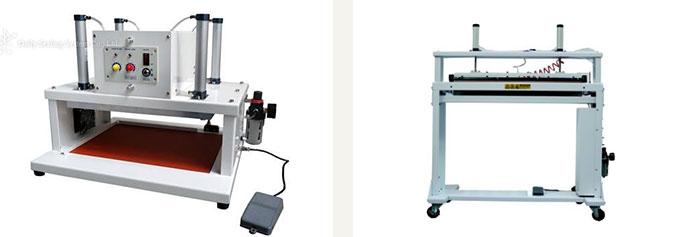
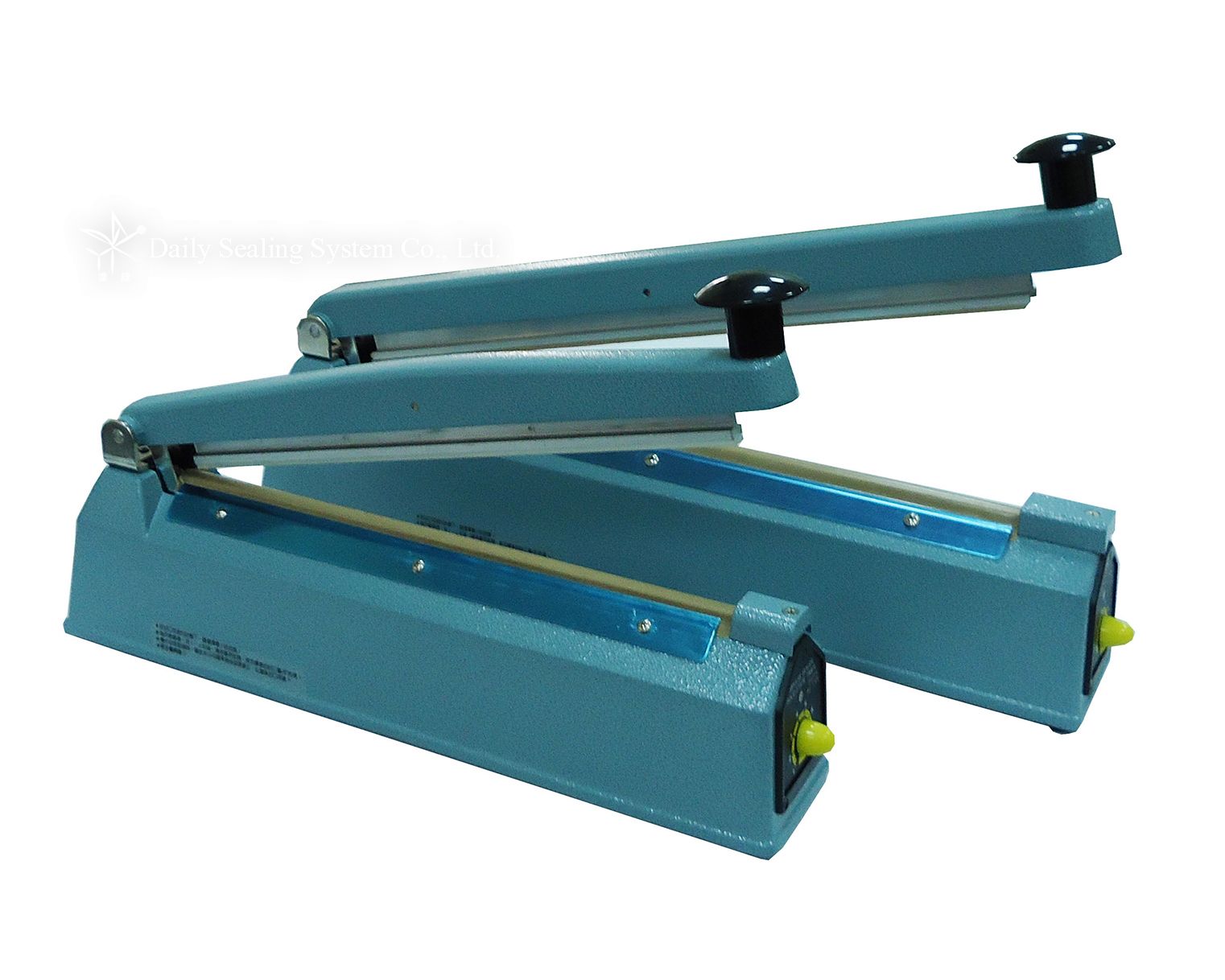
Sealing length: 10cm. Suitable material for kinds of plastic bags (PE, PP, OPP, PVC, OPF, NY), non-woven bag, thin alum. bags.
Why Choosing Dailysealing
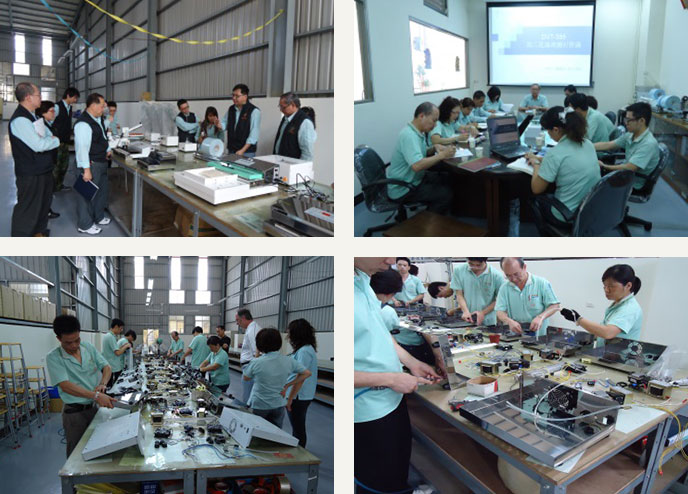
Parts and material quality control
Heating elements are from Japan.
Motor, Transformers, PCB and vacuum bags are made in Taiwan.
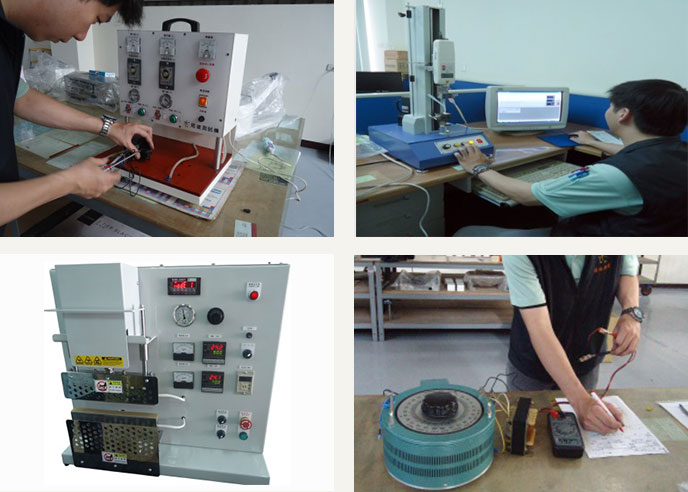
Strict quality control
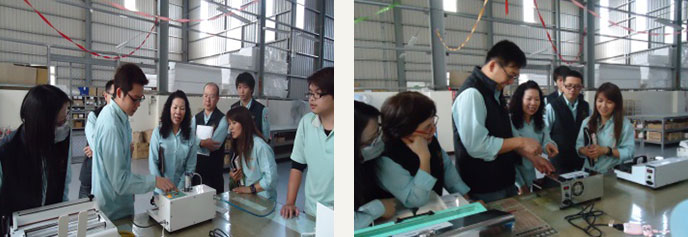
100% product inspection: The inspection is included functions and
appearance of sealing machines.
Tensile strength test to ensure the sealing line tensile strength
value reaches the customer standard.
Electric leakage test: Puncture and insulation test.
Our production and inspection are all based on ISO 9001.
Professional packaging and sealing machine factory
Produce many kinds sealing machines and ODM/OEM products and provide
custom-made services.
More than 30 year experiences in packaging machines industry.
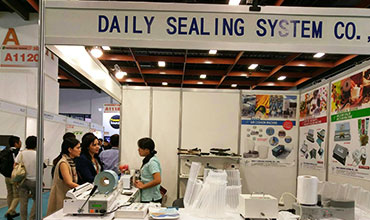
Sell sealing machines to America, Europe, Latin America and Asia.
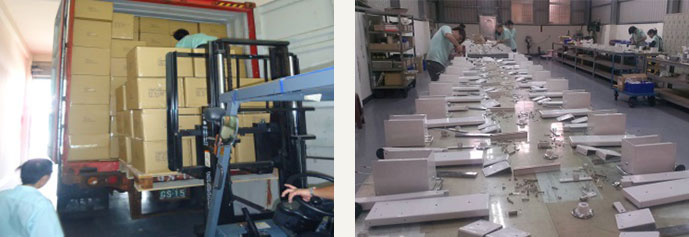
85% products in stocks, so we can deliver the products quickly.
The production process is based on SOP to ensure the quality of
sealing machines consistently.
Complete range of specifications of sealing machines
Complete range of specifications of sealing machines.
Many kinds of sealing machines and consumptive materials in stocks,
so customers can do one-stop shopping here.
The customers include Biotechnology companies, Medical equipment
companies, Food industry, Electronics industry, Handmade soap
industry and other industry..
Custom-made sealing machine service
Designs of the special sealing machine for irregular shape sealing
line, such as U-shape sealing line and L-shape sealing line.
Different width of sealing line could be custom-made to meet
customer requirements.
After-sales service of professional sealing machine
Provide the professional service for repair the broken sealing
machine immediately.
The sufficient supply of parts stock, so don’t worry about the parts
replace.
Some parts of sealing machine are used in common specifications, so
it is easy to get the parts for replace.
Heat Sealing Masterclass: Essential Tips for the Perfect, Airtight Seal Every Time (Heat Sealing Machine, Tips) Whether you use a simple impulse sealer, a band sealer, or a vacuum sealing machine, the quality of your seal depends on mastering the process.
A perfect heat seal requires balancing three key elements: Heat, Time, and Pressure. The Three Pillars of a Perfect Heat Seal Heat (Temperature): The element must be hot enough to melt the thermoplastic material of the bag. Tip: If the plastic burns or
melts through, the heat is too high. If the bag pulls apart easily, the heat is too low. Start with a medium setting and adjust based on the material thickness (thicker materials need more heat). Time (Cooling Time): This is how long the heat and pressure
are applied to the bag. Tip: A proper heat sealing machine allows the plastic to melt, fuse together, and then cool while still under pressure. If you remove the bag too quickly, the seal will be weak. Follow the manufacturer's recommended cycle time or
wait for the cooling light/beep. Pressure: Uniform pressure ensures that the two layers of plastic are pressed together evenly. Tip: Ensure the sealing bar and the opposing pressure bar are clean. Uneven pressure (often due to debris) can lead to a wrinkled
or weak point in your seal. Maintenance for Perfect Seals To keep your heat sealing machine performing at its best, pay attention to the consumables: Heat-resistant tape/ cloth : The heat-resistant tape prevents the molten plastic from sticking to the
heating element. If the tape is worn, torn, or damaged, replace it immediately to avoid a messy, incomplete seal. Keep it Clean: Always wipe down the sealing element after use. Even minor food dust or crumbs can disrupt the bond between the plastic films.
Vacuum Packaging in Agricultural Product Processing: Extending Freshness and Enhancing Quality In the agricultural product processing industry, one of the key challenges is preserving the freshness of ingredients, extending shelf life, and enhancing
product quality. With the advancement of vacuum packaging technology, more and more agricultural product processing factories are adopting this technique, achieving remarkable results. Vacuum packaging not only effectively extends the shelf life of agricultural
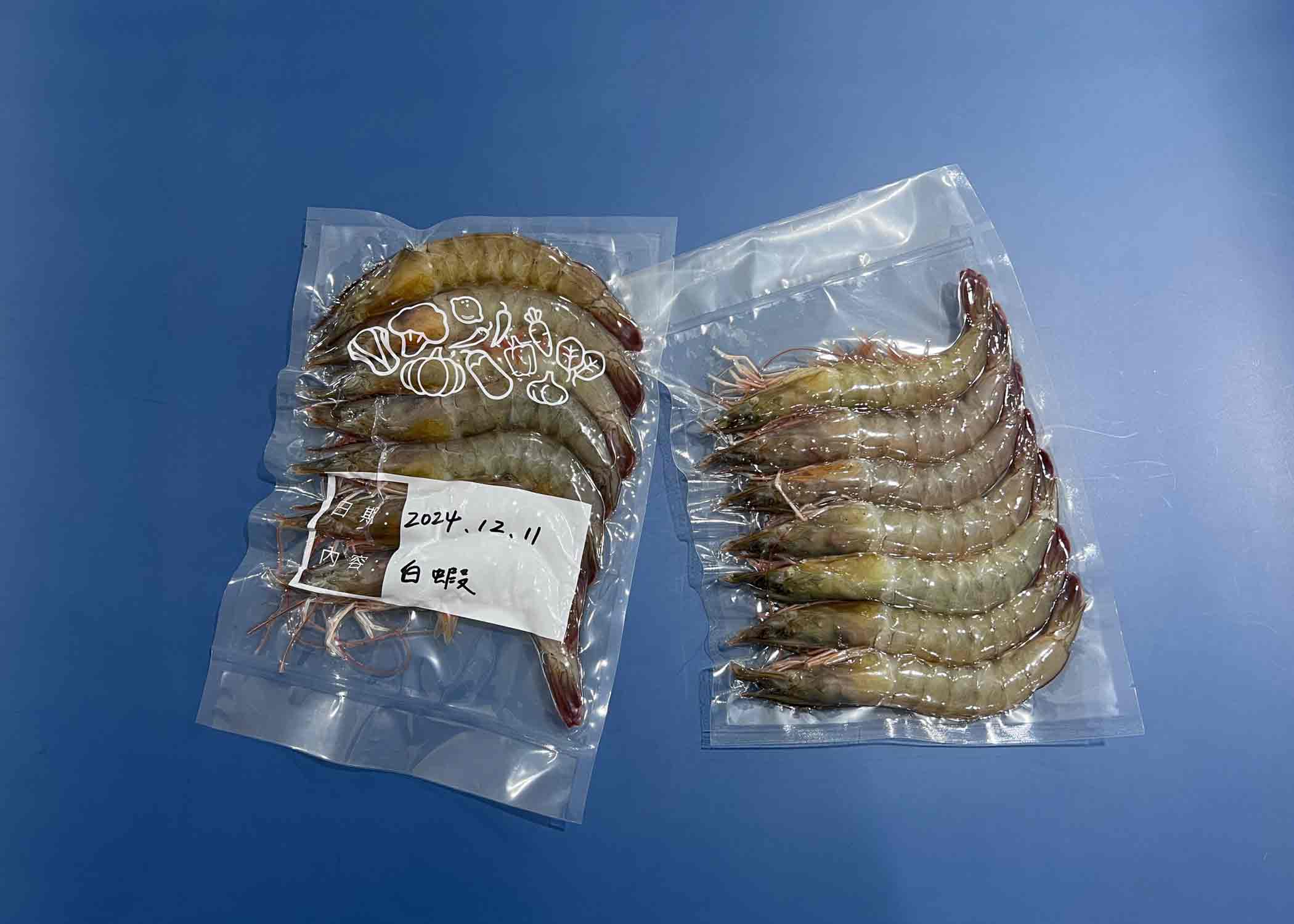
products but also protects their nutrients and original flavors. Below are the main applications of vacuum packaging in agricultural product processing: 1. Extending the Freshness of Agricultural Products For fresh vegetables, fruits, meat, and seafood,
maintaining freshness after processing is a critical concern for processing factories. Vacuum packaging effectively isolates air, reducing the exposure of ingredients to oxygen, which helps slow down oxidation and prevent spoilage. This not only extends the
freshness of agricultural products but also ensures that their taste and nutrients are preserved, meeting consumer demand for fresh products. 2. Optimal Storage for Frozen Foods Frozen agricultural products, such as frozen vegetables, fruits, and meats,
are common products in many processing factories. Using vacuum packaging can effectively prevent freezer burn, preserving the texture and nutritional value of the food. Vacuum sealing reduces moisture loss, maintains the color, taste, and texture of the product,
ensuring it remains in optimal condition even after long storage, making it suitable for distribution and sales. 3. Preservation of Dry Goods and Dried Fruits Dry fruits, dried vegetables, and other dry goods play an important role in agricultural product
processing. The preservation of these products heavily relies on vacuum packaging, which effectively prevents moisture and insect infestation, protecting the taste, aroma, and nutritional value. Whether it's nuts, dried fruits, or herbs, vacuum packaging extends
shelf life, reducing losses caused by environmental factors. 4. Meeting the Demand for Ready-to-Eat Agricultural Products As consumer demand for convenient foods rises, many agricultural product processing factories have begun producing ready-to-eat
agricultural products. These products, such as pre-packaged salad greens and frozen ready-to-eat meals, benefit from vacuum packaging, which helps retain freshness and nutrients. Vacuum packaging not only maintains the taste and texture of the products but
also enhances their market competitiveness, meeting consumers’ desires for both health and convenience. 5. Seed Packaging and Protection Agricultural product processing factories are not only concerned with food processing but also the handling of agricultural
seeds. Seed packaging requires sealing to maintain dryness, prevent moisture, and protect the seeds from environmental factors. Vacuum packaging plays a significant role in seed packaging, improving germination rates and ensuring the productivity of crops.
Conclusion Vacuum packaging technology in agricultural product processing has a wide range of applications, from preserving freshness, freezing, and dry goods storage to meeting the demand for ready-to-eat products. It plays a vital role in extending shelf
life, protecting the flavor of ingredients, and enhancing market competitiveness. As the need for diverse agricultural products and high-quality food grows, vacuum packaging continues to be an essential technology for agricultural processing.
Vacuum Sealer Bags 101: Can I Reuse Them & What Bags Work with My Machine? (Vacuum Sealer Bags, Consumables) The bags you use are the most important consumables for your vacuum sealer. Understanding the different types and reuse rules can save you money
and ensure a perfect seal every time. Can I Reuse Vacuum Sealer Bags? The short answer is yes, sometimes, but with a big safety caveat. When to Reuse: If the bag contained clean, low-odor, cooked, or dry foods (like baked goods, nuts, or leftover pasta),
you can often wash, dry, and reuse the bag. Just make sure to cut the original seal cleanly and ensure the bag is completely dry before re-sealing. When NOT to Reuse (Safety First): Never reuse bags that have contained raw meat, poultry, fish, or greasy/oily
foods. Even after washing, there is a risk of cross-contamination and the residue may compromise the next seal. When in doubt, use a new bag. Which Bag Type Do You Need? The type of bag you buy depends entirely on the type of vacuum sealer you own: Vacuum
sealer embossed and channel bags (For non-nozzle type vacuum sealer): non-nozzle type vacuum sealer (the most common type, where the bag sits outside the machine) require bags with a special texture or channels inside. This texture allows the air to be successfully
drawn out of the bag and past the sealing area. Smooth Bags (For Nozzle Type Vacuum Sealer and Chamber Vacuum Sealers): Chamber vacuum sealers work by removing all air from a chamber where the bag is fully enclosed. Because of this, they can use more economical
smooth bags that lack the internal texture. Make sure you are purchasing the correct vacuum sealer bags for your machine, as using a smooth bag in a non-nozzle type vacuum sealer will result in a complete vacuum failure.
We use cookies to provide a better experience. By proceeding, you agree to our PRIVACY POLICY, including the use of cookies and other tracking technologies.ACCEPT