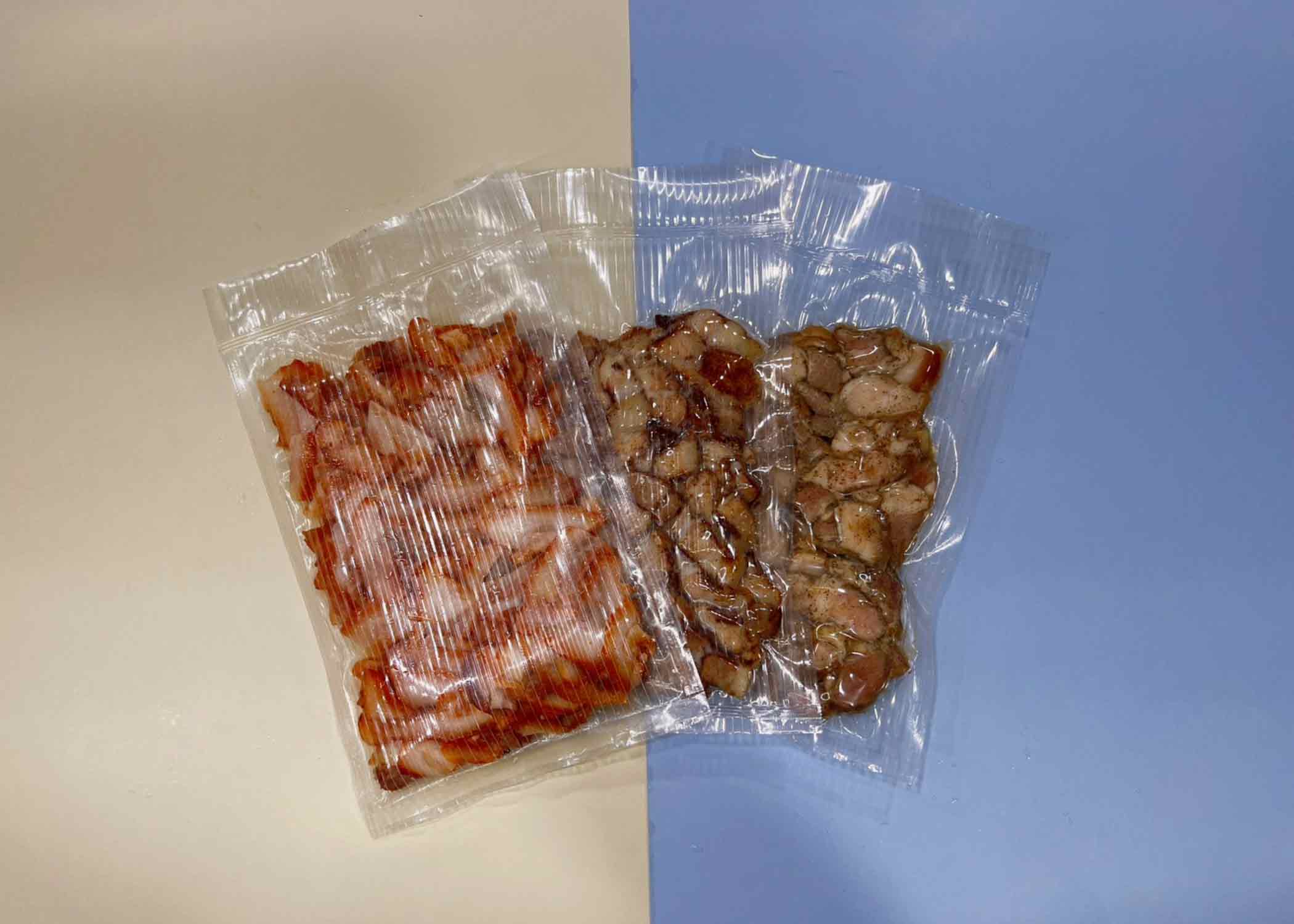
Pro Tips: How to Vacuum Seal Liquids and Moist Foods Without a Mess (Vacuum Sealing, Sealer Tips) One of the biggest frustrations for new users is trying to vacuum seal liquids and moist foods. When the air is pulled out, the liquid can be drawn right
up into the machine, which can ruin the seal, damage the internal pump, and make a huge mess. Follow these pro tips to seal liquids, soups, sauces, and high-moisture items like marinated meats successfully: The
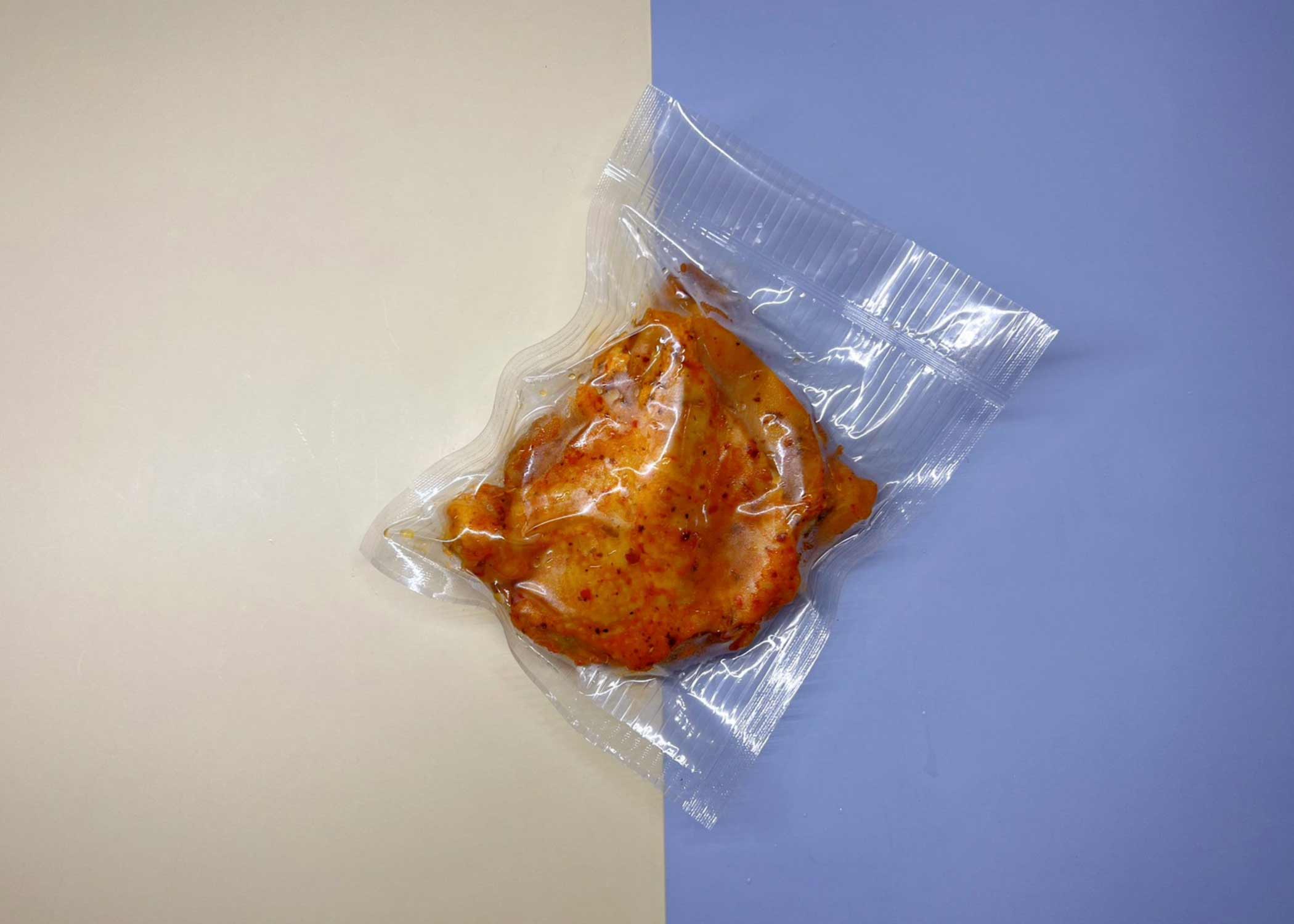
Freezer Trick (The Gold Standard): For any liquid (soups, sauces, stocks) or high-moisture food (marinated chicken), pre-freeze it for 1 to 2 hours until it is slushy or mostly solid. Once partially frozen, the liquid is too dense to be sucked up during the
vacuum process, ensuring a clean, perfect seal. The "Moist" Setting: Many modern vacuum sealers have a "moist" or "liquid" setting. This function typically pulls a weaker or slower vacuum and then seals sooner, giving the liquid less time to migrate to the
sealing bar. Leave Plenty of Headroom: Always leave more space than usual between the food and the top of the bag—at least 3 to 4 inches. This acts as a buffer zone. Use a Paper Towel Buffer: For wet-marinated meats, you can loosely place a small, folded
piece of paper towel just inside the top of the bag, right before the sealing area. It acts as a moisture trap to catch any escaping liquid before it hits the sealing strip. Double Seal: For extra protection on liquids destined for the freezer, press the
seal button a second time right after the first seal is complete. This creates a redundant double seal just above the first one, adding security against leaks.
Vacuum Sealer Bags 101: Can I Reuse Them & What Bags Work with My Machine? (Vacuum Sealer Bags, Consumables) The bags you use are the most important consumables for your vacuum sealer. Understanding the different types and reuse rules can save you money
and ensure a perfect seal every time. Can I Reuse Vacuum Sealer Bags? The short answer is yes, sometimes, but with a big safety caveat. When to Reuse: If the bag contained clean, low-odor, cooked, or dry foods (like baked goods, nuts, or leftover pasta),
you can often wash, dry, and reuse the bag. Just make sure to cut the original seal cleanly and ensure the bag is completely dry before re-sealing. When NOT to Reuse (Safety First): Never reuse bags that have contained raw meat, poultry, fish, or greasy/oily
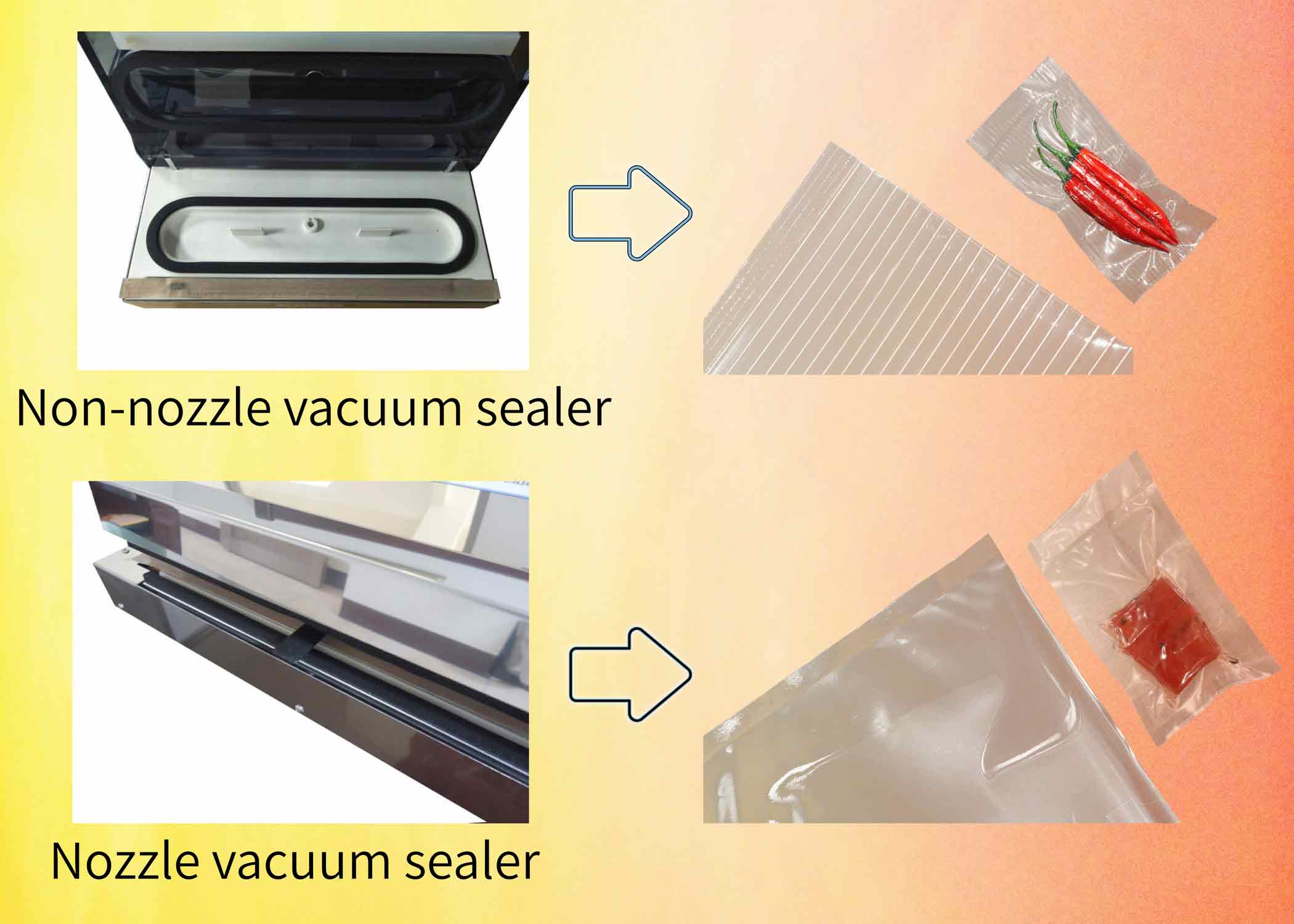
foods. Even after washing, there is a risk of cross-contamination and the residue may compromise the next seal. When in doubt, use a new bag. Which Bag Type Do You Need? The type of bag you buy depends entirely on the type of vacuum sealer you own: Vacuum
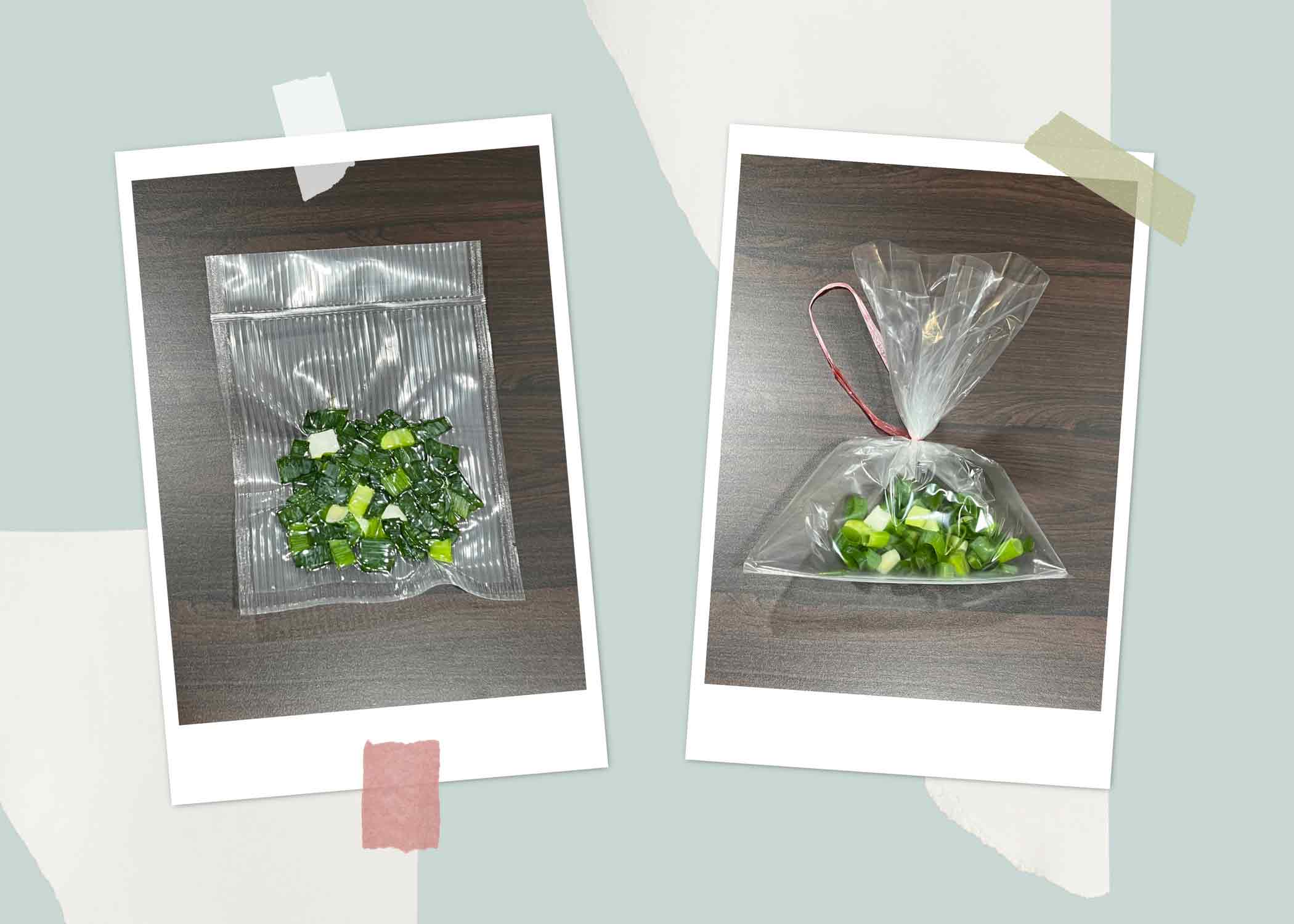
sealer embossed and channel bags (For non-nozzle type vacuum sealer): non-nozzle type vacuum sealer (the most common type, where the bag sits outside the machine) require bags with a special texture or channels inside. This texture allows the air to be successfully
drawn out of the bag and past the sealing area. Smooth Bags (For Nozzle Type Vacuum Sealer and Chamber Vacuum Sealers): Chamber vacuum sealers work by removing all air from a chamber where the bag is fully enclosed. Because of this, they can use more economical
smooth bags that lack the internal texture. Make sure you are purchasing the correct vacuum sealer bags for your machine, as using a smooth bag in a non-nozzle type vacuum sealer will result in a complete vacuum failure.
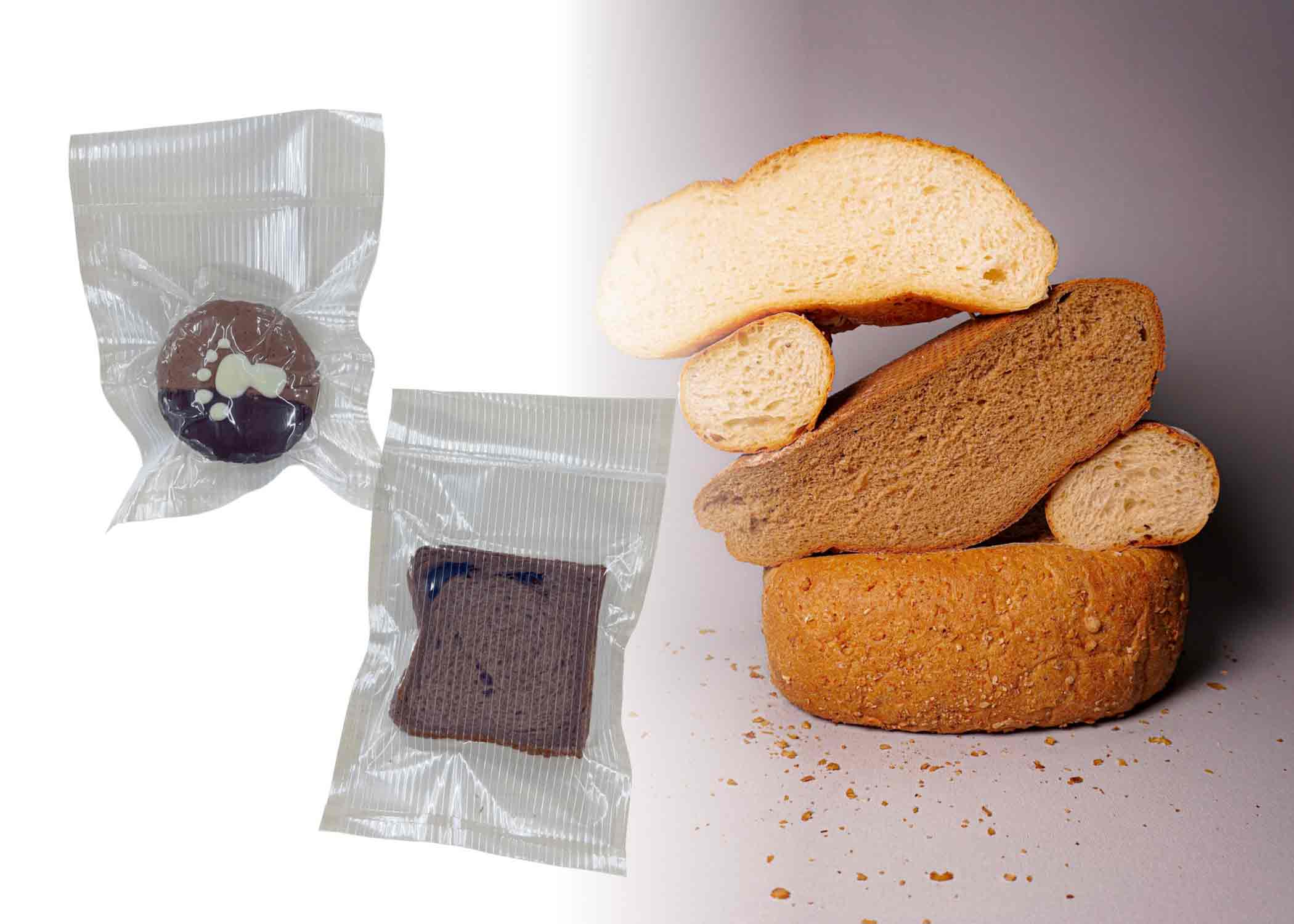
Vacuum Sealing: A Baker's Best Friend Vacuum sealing has revolutionized food storage, and baking is no exception. By removing air from packaging, vacuum sealing helps: ◆Extend Shelf Life: Preserve ingredients like flour, nuts, and yeast for longer,
preventing spoilage and ensuring optimal baking results. ◆Maintain Freshness: Keep baked goods like cookies, cakes, and bread fresher for longer by preventing moisture loss and staling. Daily Sealing Vacuum Sealer is perfect for home bakers. It's designed
to handle both dry and liquid ingredients, making it ideal for preserving a wide range of baking supplies and finished products. Key benefits of using Daily Sealing vacuum sealer: ◆Easy to use: Simple operation for convenient home use. ◆Versatile: Suitable
for various baking ingredients and products. ◆Durable: Built to last for long-term use. Tips for vacuum sealing: ◆Choose the right bags: Use food-grade vacuum bags for safe storage. ◆Set the correct vacuum level: Too much vacuum can damage soft goods,
while too little won't be effective. ◆Store properly: Refrigerate or freeze vacuum-sealed items for optimal preservation. By investing in a vacuum sealer, home bakers can enjoy fresher ingredients, longer-lasting baked goods, and more efficient food storage.
Ready to elevate your baking game? Contact Daily Sealing today for more information and to find the perfect vacuum sealer for your needs.
Vacuum Packaging in the Foodservice Industry: Enhancing Efficiency, Freshness, and Quality In modern foodservice, vacuum packaging has become an essential tool for many restaurants and food businesses. This technology not only helps extend the shelf life
of ingredients but also improves food quality, reduces waste, and enhances operational efficiency. Here are the main applications of vacuum packaging in the foodservice industry: 1. Extending the Freshness of Ingredients For restaurants, managing the freshness
of ingredients is crucial. Vacuum packaging effectively isolates food from air, reducing oxidation and bacterial growth, which helps extend the shelf life of ingredients. Whether it's meat, vegetables, or seafood, vacuum packaging helps preserve freshness
and reduce spoilage, ensuring less food waste. 2. Prepping Ingredients for Increased Efficiency During busy times, restaurants often need to prep ingredients in advance. Vacuum packaging allows kitchens to prepare ingredients ahead of time while maintaining
their freshness. For example, vacuum-sealing chopped vegetables, marinaded meats, or pre-mixed seasonings ensures quick access to fresh ingredients when needed. This increases efficiency and speeds up food preparation. 3. Improving Consistency and Quality
of Dishes Vacuum packaging ensures consistency and quality, which is especially important in high-end or chain restaurants where customers expect a high standard. By vacuum-sealing ingredients before cooking, restaurants can better control the quality of food,
maintaining consistent taste, texture, and presentation. This results in a more reliable dining experience for customers. 4. Long-Term Storage of Frozen Foods For ingredients or prepared dishes that need to be stored for a long period, vacuum packaging is
ideal. Restaurants can vacuum-seal and freeze pre-made dishes (like roasted meats or stews) to retain their flavor and quality. Vacuum packaging minimizes freezer burn and moisture loss, ensuring that food stays in top condition even after extended storage.
When needed, the vacuum-sealed food can be defrosted and reheated for quick service. 5. Reducing Kitchen Waste Vacuum packaging helps reduce food waste in restaurant kitchens. By extending the shelf life of ingredients, restaurants can buy in bulk and store
leftovers properly without worrying about spoilage. This reduces food waste and cuts costs, helping businesses operate more efficiently. 6. Food Delivery and Takeout With the rise of food delivery services, many restaurants need to ensure that food maintains
its quality during transportation. Vacuum packaging plays a significant role in the takeout business by preserving the freshness of food while preventing texture and flavor changes during delivery. This ensures a better customer experience and helps sustain
the quality of food in takeout or delivery orders. 7. Meeting Special Dietary Needs Vacuum packaging can help restaurants cater to customers with special dietary needs (such as allergies or vegetarian diets). Restaurants can prepare meals in advance according
to specific dietary requirements and vacuum-seal them for storage. This ensures that the food remains fresh and safe while meeting customer preferences or restrictions. Conclusion Vacuum packaging technology offers multiple benefits to the foodservice industry,
from improving ingredient management and reducing waste to enhancing food quality and customer satisfaction. As the demand for high-quality food and efficient service continues to grow, vacuum packaging will undoubtedly become an indispensable tool in the
future of foodservice operations.
The Ultimate Freshness Hack for Homemakers: How a Vacuum Sealer Can Extend Food Freshness! In today’s busy households, preserving food effectively and minimizing waste is essential for every homemaker. Fresh ingredients are delicious, but they can spoil
quickly if not stored properly, especially when buying in bulk. The vacuum sealer has become a game-changer, helping manage food storage like never before. Here’s how homemakers can use a vacuum sealer to extend the freshness of food, ensuring every meal is
as fresh and delicious as possible! 1. Extend Fresh Ingredient Shelf Life: Stress-Free Meal Prep For busy homemakers, buying fresh meat and seafood in bulk is routine. Using a vacuum sealer to store these fresh ingredients in the freezer effectively blocks
out air, reducing oxidation and bacterial growth, and keeping them fresh. Whether prepping for next week’s family gathering or planning daily meals, a vacuum sealer provides convenience and peace of mind. 2. Lock in Freshness for Dry Goods and Snacks: Ready
to Enjoy Anytime Staple items like nuts, grains, and even kids' favorite snacks are often hard to keep fresh once opened, quickly becoming stale or damp. A vacuum sealer not only extends the shelf life of these foods but also preserves their original crunchy
texture. Simply portion and seal them—each time you open a bag, it’ll be as fresh as when you first bought it! 3. Maximize Fridge Space: Organized and Easy to Access Vacuum sealers also help homemakers optimize fridge space. By portioning and vacuum-sealing
foods as needed, you not only extend freshness but also save room. From vegetables and meats to fruits, everything can be neatly stored in the fridge, making it easier to access and helping you track what’s left, avoiding unnecessary purchases. 4. Preserve
Flavor for Spices and Homemade Marinades: Enhancing Every Dish For homemakers who love cooking, spices and homemade marinades are a must. A vacuum sealer lets you store spices effortlessly, keeping them fresh and protected from moisture. Besides, if you enjoy
making your own marinades, vacuum sealing speeds up the marinating process and intensifies flavor, making every home-cooked meal more delicious and rich in taste. 5. Reduce Food Waste: Make Every Meal Count For budget-conscious homemakers, a vacuum sealer
is a fantastic tool for reducing food waste. By portioning and vacuum-sealing items that may not be used immediately, you can extend their freshness and minimize waste, ensuring that each meal is filled with care and intention. Conclusion Whether you’re
buying fresh ingredients in bulk or trying to keep snacks and dry goods from going stale, a vacuum sealer offers a convenient, efficient way to preserve food. Let each ingredient stay at its best, keeping every meal fresh, healthy, and tasty. Discover the
joy of a kitchen full of surprises and fresh flavors with a vacuum sealer—your ultimate tool for food preservation!
What is Sous Vide? Sous vide, meaning "under vacuum," is a method where food is vacuum-sealed and cooked in a water bath at a precise temperature. This ensures even cooking while enhancing flavor, tenderness, and nutrients. Benefits of Sous Vide Consistency:
Perfect doneness every time. Tenderness: Breaks down tough tissues. Flavor: Cooks in its juices. Nutrient Retention: Preserves vitamins. Versatility: Works for meats, vegetables, and more. Vacuum Sealing Advantages Locks in flavor and juices. Ensures even
cooking. Prevents oxidation and spoilage. Tools You Need Vacuum Sealer: For vacuum sealing. Sous Vide Cooker: Maintains water temperature. Vacuum Sealer Bags: Designed for water baths. Elevate your meals effortlessly with sous vide precision and vacuum
sealing.
Dear Sirs, By government guidelines on the Lunar New Year Festival, Daily Sealing will be closed for a vacation break from January 25 to February 02, 2025. We are very grateful for your patronage and collaboration in the past year, and would like to take
this wonderful opportunity to wish you Happy New Year of The Snake Yours truly, Daily Sealing System Co., Ltd.
Vacuum Packaging vs. Traditional Packaging: Which One is Right for You? Choosing the right packaging method can significantly impact your product’s shelf life and appeal. Two common methods are vacuum sealing and traditional packaging. Here’s a quick
comparison to help you decide. Vacuum Packaging This method removes most air from a package, creating a low-oxygen environment that slows oxidation and bacterial growth. Benefits: ü Extends shelf life. ü Preserves flavor. ü Prevents freezer burn.
ü Reduces waste. ü Reduce packaging volume Drawbacks: ü Higher cost. ü Unsuitable for some products (e.g., gas-releasing items). Traditional Packaging Traditional methods, like plastic bags or cardboard boxes, protect products without removing air.
Benefits: ü Cost-effective. ü Versatile for various products. Drawbacks: ü Shorter shelf life. ü Less protection during shipping. Which Method is Best? Choose vacuum packaging for perishable items like meat or seafood. Opt for traditional packaging
for non-perishables or budget-friendly solutions. Conclusion Both methods have unique advantages. Evaluate your needs to select the best option for your products. Call to Action At DailySealing, we provide versatile packaging solutions. Contact us to
discover how we can help preserve your product’s quality and freshness.
We use cookies to provide a better experience. By proceeding, you agree to our PRIVACY POLICY, including the use of cookies and other tracking technologies.ACCEPT
 2025/12/24Pro Tips: How to Vacuum Seal Liquids and Moist Foods Without a Mess (Vacuum Sealing, SealePro Tips: How to Vacuum Seal Liquids and Moist Foods Without a Mess (Vacuum Sealing, Sealer Tips) One of the biggest frustrations for new users is trying to vacuum seal liquids and moist foods. When the air is pulled out, the liquid can be drawn right up into the machine, which can ruin the seal, damage the internal pump, and make a huge mess. Follow these pro tips to seal liquids, soups, sauces, and high-moisture items like marinated meats successfully: The Freezer Trick (The Gold Standard): For any liquid (soups, sauces, stocks) or high-moisture food (marinated chicken), pre-freeze it for 1 to 2 hours until it is slushy or mostly solid. Once partially frozen, the liquid is too dense to be sucked up during the vacuum process, ensuring a clean, perfect seal. The "Moist" Setting: Many modern vacuum sealers have a "moist" or "liquid" setting. This function typically pulls a weaker or slower vacuum and then seals sooner, giving the liquid less time to migrate to the sealing bar. Leave Plenty of Headroom: Always leave more space than usual between the food and the top of the bag—at least 3 to 4 inches. This acts as a buffer zone. Use a Paper Towel Buffer: For wet-marinated meats, you can loosely place a small, folded piece of paper towel just inside the top of the bag, right before the sealing area. It acts as a moisture trap to catch any escaping liquid before it hits the sealing strip. Double Seal: For extra protection on liquids destined for the freezer, press the seal button a second time right after the first seal is complete. This creates a redundant double seal just above the first one, adding security against leaks.MORE
 2025/12/24Vacuum Sealer Bags 101: Can I Reuse Them & What Bags Work with My Machine? (Vacuum SealerVacuum Sealer Bags 101: Can I Reuse Them & What Bags Work with My Machine? (Vacuum Sealer Bags, Consumables) The bags you use are the most important consumables for your vacuum sealer. Understanding the different types and reuse rules can save you money and ensure a perfect seal every time. Can I Reuse Vacuum Sealer Bags? The short answer is yes, sometimes, but with a big safety caveat. When to Reuse: If the bag contained clean, low-odor, cooked, or dry foods (like baked goods, nuts, or leftover pasta), you can often wash, dry, and reuse the bag. Just make sure to cut the original seal cleanly and ensure the bag is completely dry before re-sealing. When NOT to Reuse (Safety First): Never reuse bags that have contained raw meat, poultry, fish, or greasy/oily foods. Even after washing, there is a risk of cross-contamination and the residue may compromise the next seal. When in doubt, use a new bag. Which Bag Type Do You Need? The type of bag you buy depends entirely on the type of vacuum sealer you own: Vacuum sealer embossed and channel bags (For non-nozzle type vacuum sealer): non-nozzle type vacuum sealer (the most common type, where the bag sits outside the machine) require bags with a special texture or channels inside. This texture allows the air to be successfully drawn out of the bag and past the sealing area. Smooth Bags (For Nozzle Type Vacuum Sealer and Chamber Vacuum Sealers): Chamber vacuum sealers work by removing all air from a chamber where the bag is fully enclosed. Because of this, they can use more economical smooth bags that lack the internal texture. Make sure you are purchasing the correct vacuum sealer bags for your machine, as using a smooth bag in a non-nozzle type vacuum sealer will result in a complete vacuum failure.MORE
 2025/2/18Vacuum Sealing: A Baker's Best FriendVacuum Sealing: A Baker's Best Friend Vacuum sealing has revolutionized food storage, and baking is no exception. By removing air from packaging, vacuum sealing helps: ◆Extend Shelf Life: Preserve ingredients like flour, nuts, and yeast for longer, preventing spoilage and ensuring optimal baking results. ◆Maintain Freshness: Keep baked goods like cookies, cakes, and bread fresher for longer by preventing moisture loss and staling. Daily Sealing Vacuum Sealer is perfect for home bakers. It's designed to handle both dry and liquid ingredients, making it ideal for preserving a wide range of baking supplies and finished products. Key benefits of using Daily Sealing vacuum sealer: ◆Easy to use: Simple operation for convenient home use. ◆Versatile: Suitable for various baking ingredients and products. ◆Durable: Built to last for long-term use. Tips for vacuum sealing: ◆Choose the right bags: Use food-grade vacuum bags for safe storage. ◆Set the correct vacuum level: Too much vacuum can damage soft goods, while too little won't be effective. ◆Store properly: Refrigerate or freeze vacuum-sealed items for optimal preservation. By investing in a vacuum sealer, home bakers can enjoy fresher ingredients, longer-lasting baked goods, and more efficient food storage. Ready to elevate your baking game? Contact Daily Sealing today for more information and to find the perfect vacuum sealer for your needs.MORE
.png) 2025/2/18Vacuum Packaging in the Foodservice Industry: Enhancing Efficiency, Freshness, and QualityVacuum Packaging in the Foodservice Industry: Enhancing Efficiency, Freshness, and Quality In modern foodservice, vacuum packaging has become an essential tool for many restaurants and food businesses. This technology not only helps extend the shelf life of ingredients but also improves food quality, reduces waste, and enhances operational efficiency. Here are the main applications of vacuum packaging in the foodservice industry: 1. Extending the Freshness of Ingredients For restaurants, managing the freshness of ingredients is crucial. Vacuum packaging effectively isolates food from air, reducing oxidation and bacterial growth, which helps extend the shelf life of ingredients. Whether it's meat, vegetables, or seafood, vacuum packaging helps preserve freshness and reduce spoilage, ensuring less food waste. 2. Prepping Ingredients for Increased Efficiency During busy times, restaurants often need to prep ingredients in advance. Vacuum packaging allows kitchens to prepare ingredients ahead of time while maintaining their freshness. For example, vacuum-sealing chopped vegetables, marinaded meats, or pre-mixed seasonings ensures quick access to fresh ingredients when needed. This increases efficiency and speeds up food preparation. 3. Improving Consistency and Quality of Dishes Vacuum packaging ensures consistency and quality, which is especially important in high-end or chain restaurants where customers expect a high standard. By vacuum-sealing ingredients before cooking, restaurants can better control the quality of food, maintaining consistent taste, texture, and presentation. This results in a more reliable dining experience for customers. 4. Long-Term Storage of Frozen Foods For ingredients or prepared dishes that need to be stored for a long period, vacuum packaging is ideal. Restaurants can vacuum-seal and freeze pre-made dishes (like roasted meats or stews) to retain their flavor and quality. Vacuum packaging minimizes freezer burn and moisture loss, ensuring that food stays in top condition even after extended storage. When needed, the vacuum-sealed food can be defrosted and reheated for quick service. 5. Reducing Kitchen Waste Vacuum packaging helps reduce food waste in restaurant kitchens. By extending the shelf life of ingredients, restaurants can buy in bulk and store leftovers properly without worrying about spoilage. This reduces food waste and cuts costs, helping businesses operate more efficiently. 6. Food Delivery and Takeout With the rise of food delivery services, many restaurants need to ensure that food maintains its quality during transportation. Vacuum packaging plays a significant role in the takeout business by preserving the freshness of food while preventing texture and flavor changes during delivery. This ensures a better customer experience and helps sustain the quality of food in takeout or delivery orders. 7. Meeting Special Dietary Needs Vacuum packaging can help restaurants cater to customers with special dietary needs (such as allergies or vegetarian diets). Restaurants can prepare meals in advance according to specific dietary requirements and vacuum-seal them for storage. This ensures that the food remains fresh and safe while meeting customer preferences or restrictions. Conclusion Vacuum packaging technology offers multiple benefits to the foodservice industry, from improving ingredient management and reducing waste to enhancing food quality and customer satisfaction. As the demand for high-quality food and efficient service continues to grow, vacuum packaging will undoubtedly become an indispensable tool in the future of foodservice operations.MORE
2025/2/18Vacuum Packaging in the Foodservice Industry: Enhancing Efficiency, Freshness, and QualityVacuum Packaging in the Foodservice Industry: Enhancing Efficiency, Freshness, and Quality In modern foodservice, vacuum packaging has become an essential tool for many restaurants and food businesses. This technology not only helps extend the shelf life of ingredients but also improves food quality, reduces waste, and enhances operational efficiency. Here are the main applications of vacuum packaging in the foodservice industry: 1. Extending the Freshness of Ingredients For restaurants, managing the freshness of ingredients is crucial. Vacuum packaging effectively isolates food from air, reducing oxidation and bacterial growth, which helps extend the shelf life of ingredients. Whether it's meat, vegetables, or seafood, vacuum packaging helps preserve freshness and reduce spoilage, ensuring less food waste. 2. Prepping Ingredients for Increased Efficiency During busy times, restaurants often need to prep ingredients in advance. Vacuum packaging allows kitchens to prepare ingredients ahead of time while maintaining their freshness. For example, vacuum-sealing chopped vegetables, marinaded meats, or pre-mixed seasonings ensures quick access to fresh ingredients when needed. This increases efficiency and speeds up food preparation. 3. Improving Consistency and Quality of Dishes Vacuum packaging ensures consistency and quality, which is especially important in high-end or chain restaurants where customers expect a high standard. By vacuum-sealing ingredients before cooking, restaurants can better control the quality of food, maintaining consistent taste, texture, and presentation. This results in a more reliable dining experience for customers. 4. Long-Term Storage of Frozen Foods For ingredients or prepared dishes that need to be stored for a long period, vacuum packaging is ideal. Restaurants can vacuum-seal and freeze pre-made dishes (like roasted meats or stews) to retain their flavor and quality. Vacuum packaging minimizes freezer burn and moisture loss, ensuring that food stays in top condition even after extended storage. When needed, the vacuum-sealed food can be defrosted and reheated for quick service. 5. Reducing Kitchen Waste Vacuum packaging helps reduce food waste in restaurant kitchens. By extending the shelf life of ingredients, restaurants can buy in bulk and store leftovers properly without worrying about spoilage. This reduces food waste and cuts costs, helping businesses operate more efficiently. 6. Food Delivery and Takeout With the rise of food delivery services, many restaurants need to ensure that food maintains its quality during transportation. Vacuum packaging plays a significant role in the takeout business by preserving the freshness of food while preventing texture and flavor changes during delivery. This ensures a better customer experience and helps sustain the quality of food in takeout or delivery orders. 7. Meeting Special Dietary Needs Vacuum packaging can help restaurants cater to customers with special dietary needs (such as allergies or vegetarian diets). Restaurants can prepare meals in advance according to specific dietary requirements and vacuum-seal them for storage. This ensures that the food remains fresh and safe while meeting customer preferences or restrictions. Conclusion Vacuum packaging technology offers multiple benefits to the foodservice industry, from improving ingredient management and reducing waste to enhancing food quality and customer satisfaction. As the demand for high-quality food and efficient service continues to grow, vacuum packaging will undoubtedly become an indispensable tool in the future of foodservice operations.MORE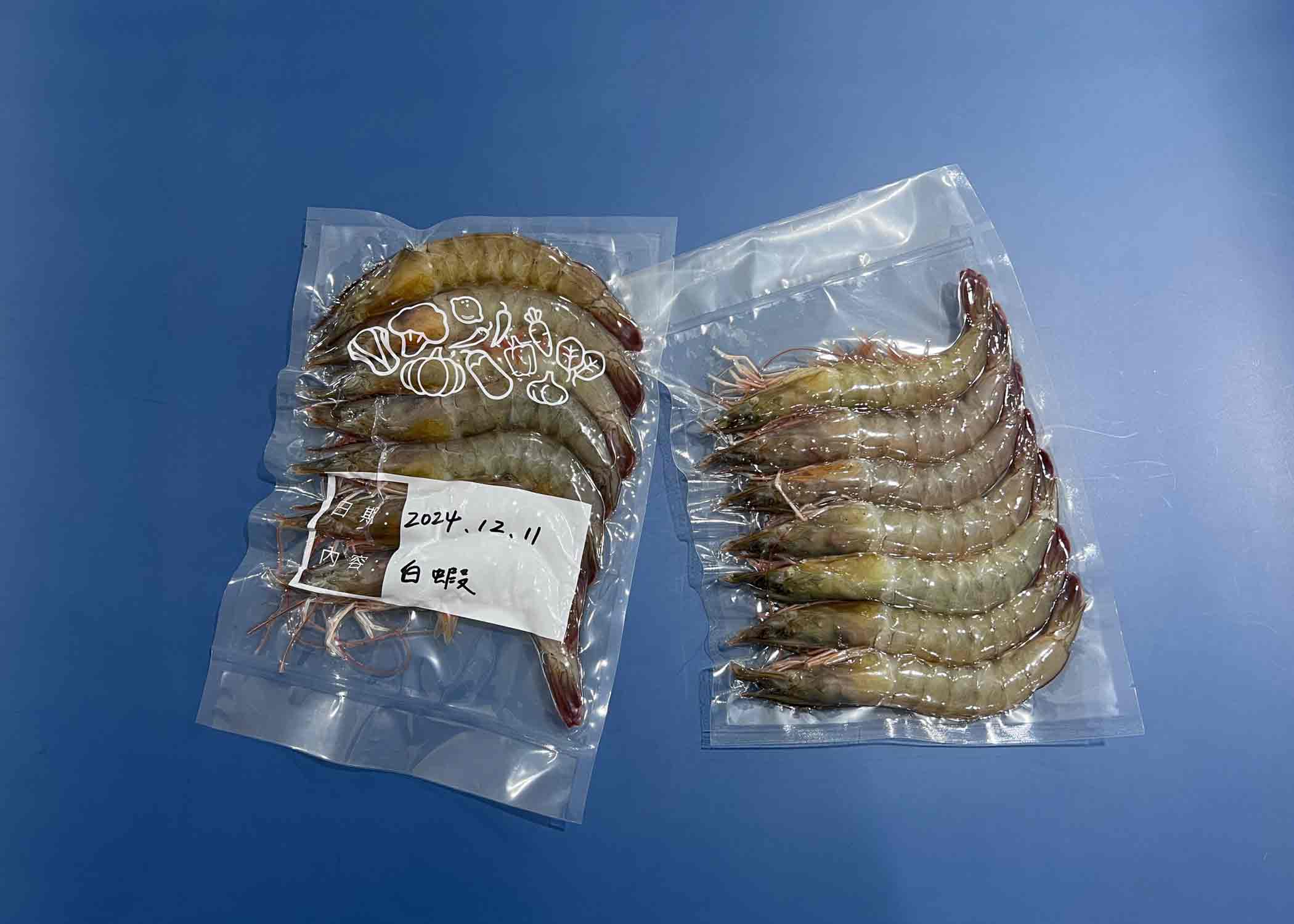 2025/2/18The Ultimate Freshness Hack for Homemakers: How a Vacuum Sealer Can Extend Food Freshness!The Ultimate Freshness Hack for Homemakers: How a Vacuum Sealer Can Extend Food Freshness! In today’s busy households, preserving food effectively and minimizing waste is essential for every homemaker. Fresh ingredients are delicious, but they can spoil quickly if not stored properly, especially when buying in bulk. The vacuum sealer has become a game-changer, helping manage food storage like never before. Here’s how homemakers can use a vacuum sealer to extend the freshness of food, ensuring every meal is as fresh and delicious as possible! 1. Extend Fresh Ingredient Shelf Life: Stress-Free Meal Prep For busy homemakers, buying fresh meat and seafood in bulk is routine. Using a vacuum sealer to store these fresh ingredients in the freezer effectively blocks out air, reducing oxidation and bacterial growth, and keeping them fresh. Whether prepping for next week’s family gathering or planning daily meals, a vacuum sealer provides convenience and peace of mind. 2. Lock in Freshness for Dry Goods and Snacks: Ready to Enjoy Anytime Staple items like nuts, grains, and even kids' favorite snacks are often hard to keep fresh once opened, quickly becoming stale or damp. A vacuum sealer not only extends the shelf life of these foods but also preserves their original crunchy texture. Simply portion and seal them—each time you open a bag, it’ll be as fresh as when you first bought it! 3. Maximize Fridge Space: Organized and Easy to Access Vacuum sealers also help homemakers optimize fridge space. By portioning and vacuum-sealing foods as needed, you not only extend freshness but also save room. From vegetables and meats to fruits, everything can be neatly stored in the fridge, making it easier to access and helping you track what’s left, avoiding unnecessary purchases. 4. Preserve Flavor for Spices and Homemade Marinades: Enhancing Every Dish For homemakers who love cooking, spices and homemade marinades are a must. A vacuum sealer lets you store spices effortlessly, keeping them fresh and protected from moisture. Besides, if you enjoy making your own marinades, vacuum sealing speeds up the marinating process and intensifies flavor, making every home-cooked meal more delicious and rich in taste. 5. Reduce Food Waste: Make Every Meal Count For budget-conscious homemakers, a vacuum sealer is a fantastic tool for reducing food waste. By portioning and vacuum-sealing items that may not be used immediately, you can extend their freshness and minimize waste, ensuring that each meal is filled with care and intention. Conclusion Whether you’re buying fresh ingredients in bulk or trying to keep snacks and dry goods from going stale, a vacuum sealer offers a convenient, efficient way to preserve food. Let each ingredient stay at its best, keeping every meal fresh, healthy, and tasty. Discover the joy of a kitchen full of surprises and fresh flavors with a vacuum sealer—your ultimate tool for food preservation!MORE
 2025/2/18What is Sous Vide?What is Sous Vide? Sous vide, meaning "under vacuum," is a method where food is vacuum-sealed and cooked in a water bath at a precise temperature. This ensures even cooking while enhancing flavor, tenderness, and nutrients. Benefits of Sous Vide Consistency: Perfect doneness every time. Tenderness: Breaks down tough tissues. Flavor: Cooks in its juices. Nutrient Retention: Preserves vitamins. Versatility: Works for meats, vegetables, and more. Vacuum Sealing Advantages Locks in flavor and juices. Ensures even cooking. Prevents oxidation and spoilage. Tools You Need Vacuum Sealer: For vacuum sealing. Sous Vide Cooker: Maintains water temperature. Vacuum Sealer Bags: Designed for water baths. Elevate your meals effortlessly with sous vide precision and vacuum sealing.MORE
 2025/1/82025 Chinese New Year FestivalDear Sirs, By government guidelines on the Lunar New Year Festival, Daily Sealing will be closed for a vacation break from January 25 to February 02, 2025. We are very grateful for your patronage and collaboration in the past year, and would like to take this wonderful opportunity to wish you Happy New Year of The Snake Yours truly, Daily Sealing System Co., Ltd.MORE
 2025/1/8Vacuum Packaging vs. Traditional Packaging: Which One is Right for You?Vacuum Packaging vs. Traditional Packaging: Which One is Right for You? Choosing the right packaging method can significantly impact your product’s shelf life and appeal. Two common methods are vacuum sealing and traditional packaging. Here’s a quick comparison to help you decide. Vacuum Packaging This method removes most air from a package, creating a low-oxygen environment that slows oxidation and bacterial growth. Benefits: ü Extends shelf life. ü Preserves flavor. ü Prevents freezer burn. ü Reduces waste. ü Reduce packaging volume Drawbacks: ü Higher cost. ü Unsuitable for some products (e.g., gas-releasing items). Traditional Packaging Traditional methods, like plastic bags or cardboard boxes, protect products without removing air. Benefits: ü Cost-effective. ü Versatile for various products. Drawbacks: ü Shorter shelf life. ü Less protection during shipping. Which Method is Best? Choose vacuum packaging for perishable items like meat or seafood. Opt for traditional packaging for non-perishables or budget-friendly solutions. Conclusion Both methods have unique advantages. Evaluate your needs to select the best option for your products. Call to Action At DailySealing, we provide versatile packaging solutions. Contact us to discover how we can help preserve your product’s quality and freshness.MORE