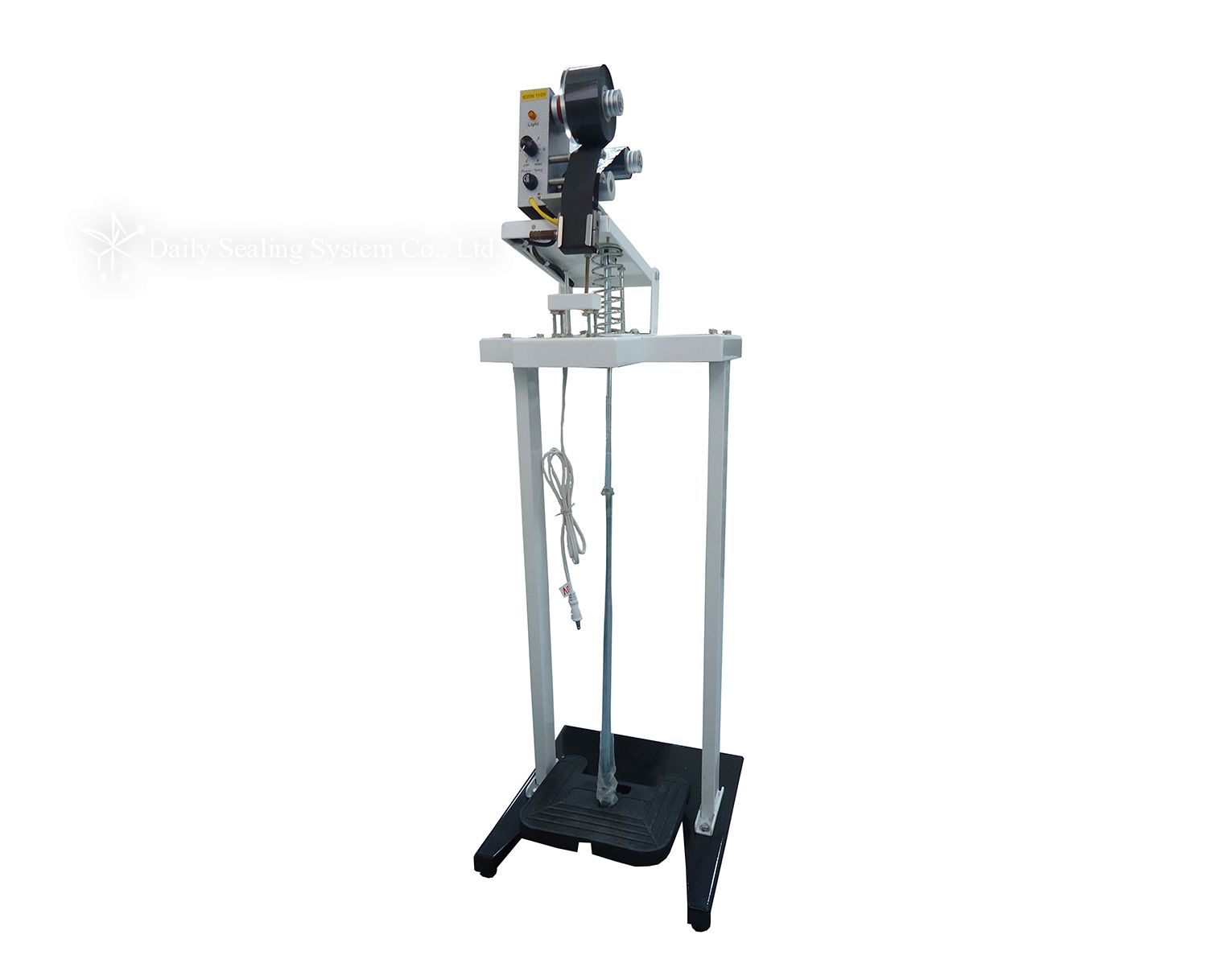
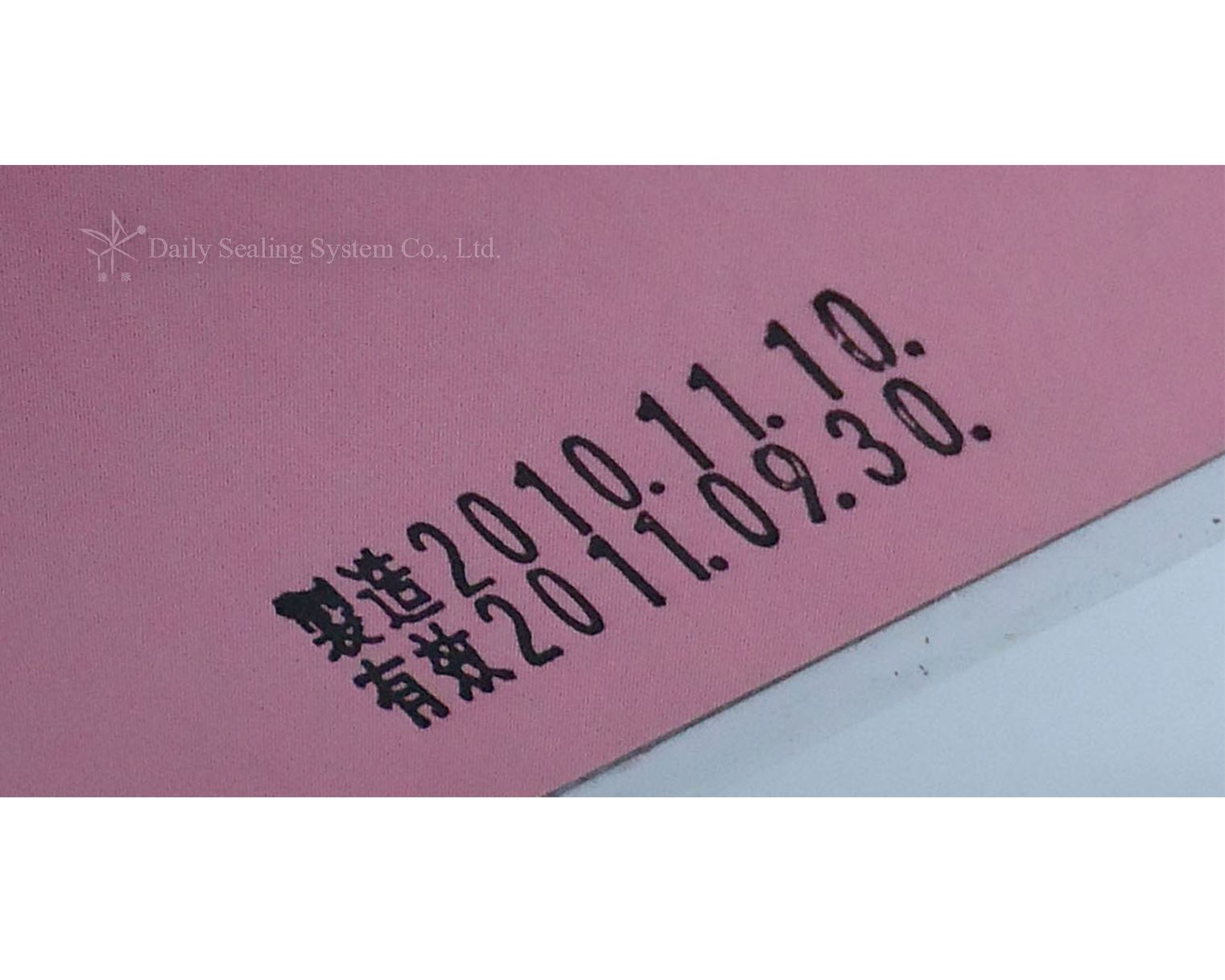
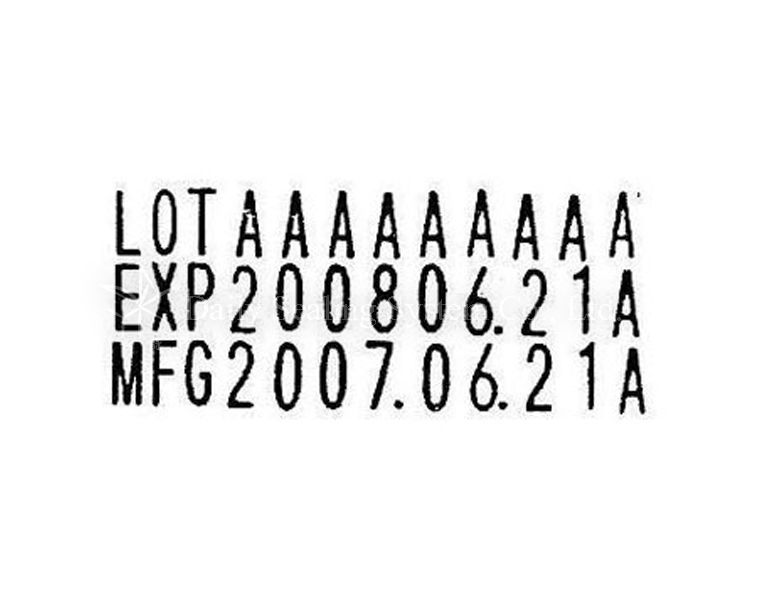
Made in Taiwan. 3 printing lines and can put 9 letters per printing line.
Why Choosing Dailysealing
Parts and material quality control
Heating elements are from Japan.
Motor, Transformers, PCB and vacuum bags are made in Taiwan.
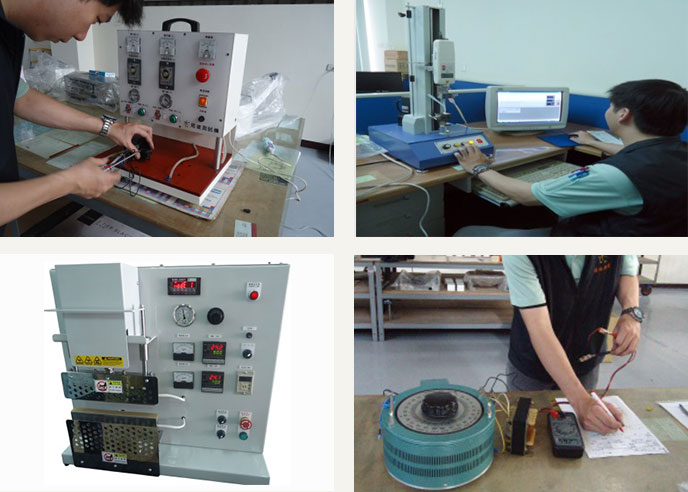
Strict quality control
100% product inspection: The inspection is included functions and
appearance of sealing machines.
Tensile strength test to ensure the sealing line tensile strength
value reaches the customer standard.
Electric leakage test: Puncture and insulation test.
Our production and inspection are all based on ISO 9001.
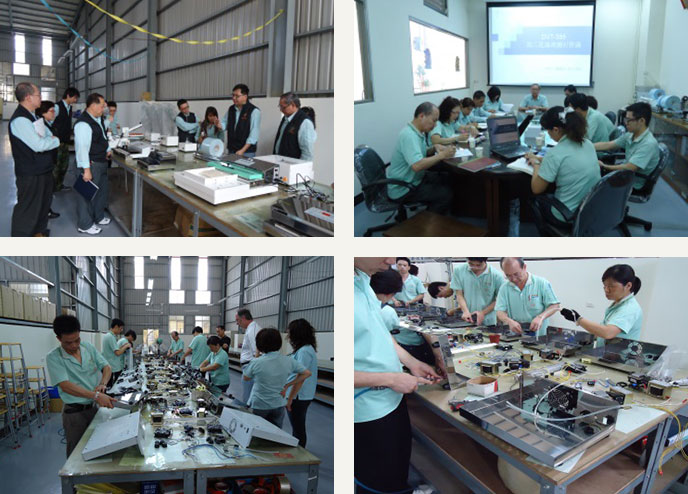
Professional packaging and sealing machine factory
Produce many kinds sealing machines and ODM/OEM products and provide
custom-made services.
More than 30 year experiences in packaging machines industry.
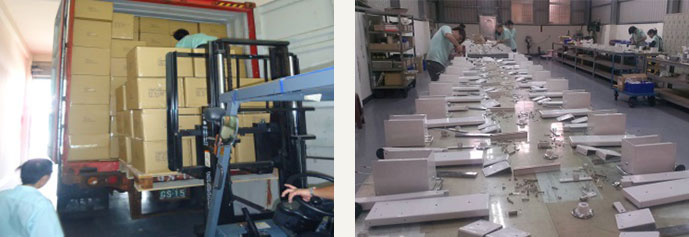
Sell sealing machines to America, Europe, Latin America and Asia.
85% products in stocks, so we can deliver the products quickly.
The production process is based on SOP to ensure the quality of
sealing machines consistently.
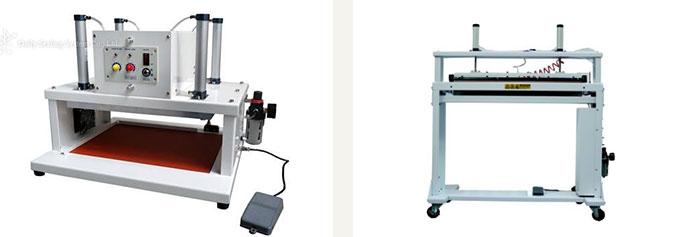
Complete range of specifications of sealing machines
Complete range of specifications of sealing machines.
Many kinds of sealing machines and consumptive materials in stocks,
so customers can do one-stop shopping here.
The customers include Biotechnology companies, Medical equipment
companies, Food industry, Electronics industry, Handmade soap
industry and other industry..
Custom-made sealing machine service
Custom-made sealing machine service
Designs of the special sealing machine for irregular shape sealing
line, such as U-shape sealing line and L-shape sealing line.
Different width of sealing line could be custom-made to meet
customer requirements.
After-sales service of professional sealing machine
Provide the professional service for repair the broken sealing
machine immediately.
The sufficient supply of parts stock, so don’t worry about the parts
replace.
Some parts of sealing machine are used in common specifications, so
it is easy to get the parts for replace.
How to Choose the Right Sealing Length and Sealing Width for a Sealing Machine Many buyers focus on brand or price when selecting a sealing machine — and overlook the two most critical sealing machine specifications: sealing length and sealing width. Choosing
the wrong values means the machine may not seal your bags at all, or may produce weak seals that fail during storage or transit. This guide explains both specifications clearly, so you can select the right heat sealer for your packaging requirements. Quick
Answer: Sealing Length vs Sealing Width Sealing length determines whether the bag can be sealed — sealing length should be wider than the bag opening, or the seal will be incomplete Sealing width determines how strong the seal is — sealing width affects sealing
strength, and thicker materials and the heavier the contents require wider sealing width 1. What Is Sealing Length? Sealing length refers to the maximum distance the sealing machine can heat-seal in a single operation — essentially the effective length of
the heating element or sealing bar. This value must correspond to the width of your bag opening. How Sealing Length Relates to Bag Size Sealing length should be wider than the bag opening. If the sealing bar is shorter than the bag mouth, the edges will not
be heat-bonded, leaving gaps that allow air ingress and cause seal failure. As a general rule, allow 10–20mm of clearance beyond the bag opening width to account for slight misalignment or variation between bag batches. Common Sealing Length Options 200mm:
Small packaging — tea bags, snack pouches, pharmaceutical sachets 300mm: Most common mid-range size — food bags, coffee pouches, grain bags 400–450mm: Larger packaging — rice bags, feed bags, industrial parts pouches 600mm and above: Heavy-duty industrial
packaging 📌 Buying tip: Measure the widest bag opening you regularly use, then select a machine with a sealing length that exceeds it. If you work with multiple bag sizes, base your selection on the largest. 2. What Is Sealing Width? Sealing width — also
referred to as seal line width — is the width of the heat-bonded area after the seal is completed. A wider sealing width means a larger bonding surface, which directly translates to higher sealing strength. Common Sealing Width Options and Their Applications
Sealing WidthCharacteristicsTypical Use 2mm / 2.7mm Narrow seal line, clean appearance Thin PE bags, lightweight dry products 5mm Standard width, most common General food bags, vacuum bags, snacks, tea 10mm+ Heavy-duty, pressure-resistant sealing Aluminum
foil bags, thick materials, industrial packaging Thicker materials require wider sealing width. As bag thickness or product weight increases, a wider sealing line is necessary to ensure the heat penetrates fully through the material layers and creates a reliable
bond. A narrow seal on thick material may appear closed on the surface but fail under pressure. 3. Recommended Sealing Specifications for Different Products Different packaging materials require different sealing specifications. Here is a breakdown by common
packaging type: PE Bags Standard thin plastic pouches. Low sealing strength requirements. Sealing width of 2–5mm is sufficient. Compatible with an impulse sealer or foot sealer for most applications. Vacuum Channel Bags / Vacuum Sealer Bag After vacuum extraction,
internal pressure creates continuous stress on the seal. Sealing width of 5mm or 10mm is recommended to withstand the pressure differential over time. Must be paired with a compatible vacuum sealer. Liquid Packaging Liquid or high-moisture products can leave
residue at the bag mouth, weakening the seal. Sealing width of 5mm or 10mm is recommended. Ensure the bag opening is clean and dry before sealing to avoid seal contamination. Aluminum Foil Bags Laminated composite structure with a higher melting point. Sealing
width of 10mm or above is recommended, paired with an adjustable-temperature constant heat sealer to ensure sufficient heat penetration through the material layers. Thick or Heavy-Duty Packaging Bags for heavy products such as rice, feed, or industrial components.
Sealing width of 10mm or above is recommended. For high-volume operations, evaluate a continuous band sealer for consistent throughput. 4. What Happens If the Sealing Length Is Too Short? When the sealing bar is shorter than the bag opening width, the following
problems occur: Incomplete seal: The edges of the bag opening extend beyond the heating element and cannot be heat-bonded, leaving unsealed gaps Multiple sealing passes required: Operators must reposition the bag and seal in segments, significantly reducing
packaging efficiency Air leakage: Unsealed gaps allow air to re-enter, making vacuum packaging ineffective and shortening product shelf life Uneven seal appearance: Segmented sealing leaves visible overlap marks, reducing packaging presentation quality Higher
return risk: Incomplete seals are more likely to fail during shipping, leading to product contamination or damage claims 5. What Happens If the Sealing Width Is Too Narrow? A narrow sealing width may appear visually sealed but will underperform under real-world
conditions: Seal failure under pressure: During transit or stacking, the small bonding surface cannot withstand mechanical stress and splits open Weak sealing strength: Particularly critical for vacuum-packed products where internal pressure continuously stresses
the seal line Shorter shelf life: Micro-gaps in a narrow seal allow slow air and moisture ingress, degrading product quality over time Poor performance on thick materials: Aluminum foil and laminated bags require larger bonding surface area to achieve full-depth
fusion — a narrow seal line may only bond the outer layer Customer returns and complaints: Packaging failures caused by insufficient sealing strength are a common source of product complaints in food and industrial sectors 6. Recommended Sealing Specifications
by Application Use the table below as a reference when evaluating heat sealer specifications for your packaging operation: ApplicationRecommended Sealing LengthRecommended Sealing WidthMachine Direction Tea, snacks, small food pouches 200–300mm 2 / 2.7mm–5mm
Impulse sealer, foot sealer Coffee bags, grain, general food packaging 300–400mm 5mm Impulse sealer, foot sealer Vacuum channel bags (meat, seafood) Based on bag opening 5mm or 10mm Vacuum sealer Liquid and sauce packaging Based on bag opening 5mm or 10mm
Chamber vacuum sealer Aluminum foil bags, laminated pouches Based on bag opening 10mm+ Constant heat sealer (adjustable temp.) Large-format / high-volume production 450mm+ Based on material thickness Continuous band sealer 7. Measure Your Bag First — Then
Match the Specifications Sealing length and sealing width are the two most directly impactful sealing machine specifications — and the most commonly overlooked during procurement. Sealing Length → Can It Seal? Sealing length should be wider than the bag opening.
Measure your largest bag mouth width before purchasing, and add 10–20mm clearance. Sealing Width → How Strong Is the Seal? Sealing width affects sealing strength. Thicker materials require wider sealing width to ensure full-depth bonding that holds under pressure,
transit, and long-term storage. Before placing an order, confirm these three things: Measure your bag opening width — select sealing length accordingly (largest bag size as baseline) Identify your bag material and thickness — determines the required sealing
width and heating method Estimate your daily output volume — determines whether an impulse sealer, foot sealer, or continuous band sealer best fits your operation Dailysealing: Sealing Machine Specifications Tailored to Your Packaging Requirements Dailysealing
is a professional sealing machine and vacuum sealer manufacturer with an in-house production facility and extensive experience in industrial packaging machinery. We offer a wide range of sealing lengths and sealing widths across our product line, with OEM
and ODM support available. If you are unsure which heat sealer specifications fit your bag size, material, and production volume, our team can evaluate your requirements and recommend the most suitable sealing machine configuration. Frequently Asked Questions
Q1: Is a longer sealing length always better? Not necessarily. Sealing length should match your bag opening size. An oversized sealing bar increases equipment cost and workspace footprint without operational benefit. Select a sealing length that exceeds your
largest bag opening by 10–20mm — no more than needed. Q2: Does wider sealing width always mean stronger sealing? Generally yes, but sealing width must be paired with the correct temperature and dwell time settings. A wider seal line increases the bonding surface
area and typically produces a stronger seal. However, if the temperature is insufficient, even a wide seal line may only bond the surface layer without fully fusing the material underneath. Q3: Do vacuum bags require wider sealing width? Yes. After vacuum
extraction, the pressure differential between the inside and outside of the bag applies continuous stress to the seal line. A sealing width of 5mm or 10mm is recommended for vacuum channel bags to ensure the seal holds throughout storage and handling. Q4:
How do I determine the correct sealing machine size for my bags? Confirm three things: your bag opening width (determines minimum sealing length), your bag material and thickness (determines required sealing width and heating method), and whether vacuum sealing
is needed. With these three data points, you can accurately identify the right sealing machine specifications for your application. Q5: What happens if the sealing width is too narrow? A sealing width that is too narrow results in insufficient sealing strength.
The seal may appear closed visually but will fail under pressure, transit stress, or long-term storage. For thicker materials such as aluminum foil or laminated bags, a narrow seal line may only bond the outer surface while the inner layers remain unfused
— leading to seal failure and product exposure. Not Sure Which Sealing Machine Specifications Are Right for You? Share your bag dimensions, material type, and daily output volume. Dailysealing will help you identify the correct sealing length, sealing width,
and machine configuration for your packaging operation. View All Sealing Machine Series Contact Us // //
Vacuum Packaging in the Foodservice Industry: Enhancing Efficiency, Freshness, and Quality In modern foodservice, vacuum packaging has become an essential tool for many restaurants and food businesses. This technology not only helps extend the shelf life
of ingredients but also improves food quality, reduces waste, and enhances operational efficiency. Here are the main applications of vacuum packaging in the foodservice industry: 1. Extending the Freshness of Ingredients For restaurants, managing the freshness
of ingredients is crucial. Vacuum packaging effectively isolates food from air, reducing oxidation and bacterial growth, which helps extend the shelf life of ingredients. Whether it's meat, vegetables, or seafood, vacuum packaging helps preserve freshness
and reduce spoilage, ensuring less food waste. 2. Prepping Ingredients for Increased Efficiency During busy times, restaurants often need to prep ingredients in advance. Vacuum packaging allows kitchens to prepare ingredients ahead of time while maintaining
their freshness. For example, vacuum-sealing chopped vegetables, marinaded meats, or pre-mixed seasonings ensures quick access to fresh ingredients when needed. This increases efficiency and speeds up food preparation. 3. Improving Consistency and Quality
of Dishes Vacuum packaging ensures consistency and quality, which is especially important in high-end or chain restaurants where customers expect a high standard. By vacuum-sealing ingredients before cooking, restaurants can better control the quality of food,
maintaining consistent taste, texture, and presentation. This results in a more reliable dining experience for customers. 4. Long-Term Storage of Frozen Foods For ingredients or prepared dishes that need to be stored for a long period, vacuum packaging is
ideal. Restaurants can vacuum-seal and freeze pre-made dishes (like roasted meats or stews) to retain their flavor and quality. Vacuum packaging minimizes freezer burn and moisture loss, ensuring that food stays in top condition even after extended storage.
When needed, the vacuum-sealed food can be defrosted and reheated for quick service. 5. Reducing Kitchen Waste Vacuum packaging helps reduce food waste in restaurant kitchens. By extending the shelf life of ingredients, restaurants can buy in bulk and store
leftovers properly without worrying about spoilage. This reduces food waste and cuts costs, helping businesses operate more efficiently. 6. Food Delivery and Takeout With the rise of food delivery services, many restaurants need to ensure that food maintains
its quality during transportation. Vacuum packaging plays a significant role in the takeout business by preserving the freshness of food while preventing texture and flavor changes during delivery. This ensures a better customer experience and helps sustain
the quality of food in takeout or delivery orders. 7. Meeting Special Dietary Needs Vacuum packaging can help restaurants cater to customers with special dietary needs (such as allergies or vegetarian diets). Restaurants can prepare meals in advance according
to specific dietary requirements and vacuum-seal them for storage. This ensures that the food remains fresh and safe while meeting customer preferences or restrictions. Conclusion Vacuum packaging technology offers multiple benefits to the foodservice industry,
from improving ingredient management and reducing waste to enhancing food quality and customer satisfaction. As the demand for high-quality food and efficient service continues to grow, vacuum packaging will undoubtedly become an indispensable tool in the
future of foodservice operations.
**Why Do You Need a Vacuum Sealer?** A vacuum sealer can extend the shelf life of food, prevent oxidation and bacterial growth, avoid freezer burn, and save storage space. Vacuum sealers are also ideal for making DIY cooking packs, convenient for outdoor
activities. **Key Points for Buying Home vs. Commercial Vacuum Sealers** 1. **Home Vacuum Sealers:** Suitable for smaller-scale food preservation and meal preparation, focusing on ease of use and compactness of the device. Home models typically have
basic vacuum and sealing functions, ideal for everyday household use. 2. **Commercial Vacuum Sealers:** Designed for large-scale food processing and continuous operation over long periods. Commercial models offer higher vacuum strength and sealing efficiency,
with greater durability and reliability, making them suitable for restaurants, food processing plants, and other commercial purposes. **Vacuum Sealer Buying Guide - Voltage and Current Specifications** - **Voltage:** Choose a vacuum sealer with a voltage
specification that matches the power supply in your area (e.g., 110V or 220V). - **Current:** Verify the power and current requirements of the vacuum sealer to ensure your electrical system can support the operation of the device. **Vacuum Sealer Buying
Guide - Maintenance and Care** - **Regular Checks:** Periodically inspect the vacuum sealer's sealing strip, vacuum pump, and other wear-prone parts. - **Cleaning and Maintenance:** Follow the manufacturer's instructions for cleaning and maintenance to extend
the lifespan of your vacuum sealer. - **Professional Repairs:** For any technical issues, it's recommended to contact a professional vacuum sealer repair service, especially for high-end commercial models. **Vacuum Sealer Buying Guide - Consumables and Vacuum
Seal Bags Selection** - **Bag Material:** Choose the right material for your vacuum sealer bags, such as PE (Polyethylene) or PET (Polyethylene Terephthalate). - **Bag Size and Type:** Select the appropriate bag size and type based on the size and type of
items you are packaging, such as flat bags, stand-up bags, etc. - **Bag Quality:** Using high-quality vacuum seal bags can ensure better preservation effects and avoid issues during the sealing process. Vacuum Sealer Buying Guide
We use cookies to provide a better experience. By proceeding, you agree to our PRIVACY POLICY, including the use of cookies and other tracking technologies.ACCEPT
(9).jpg)
(46).jpg)
(45).jpg)








.png)
.png)
.jpg)