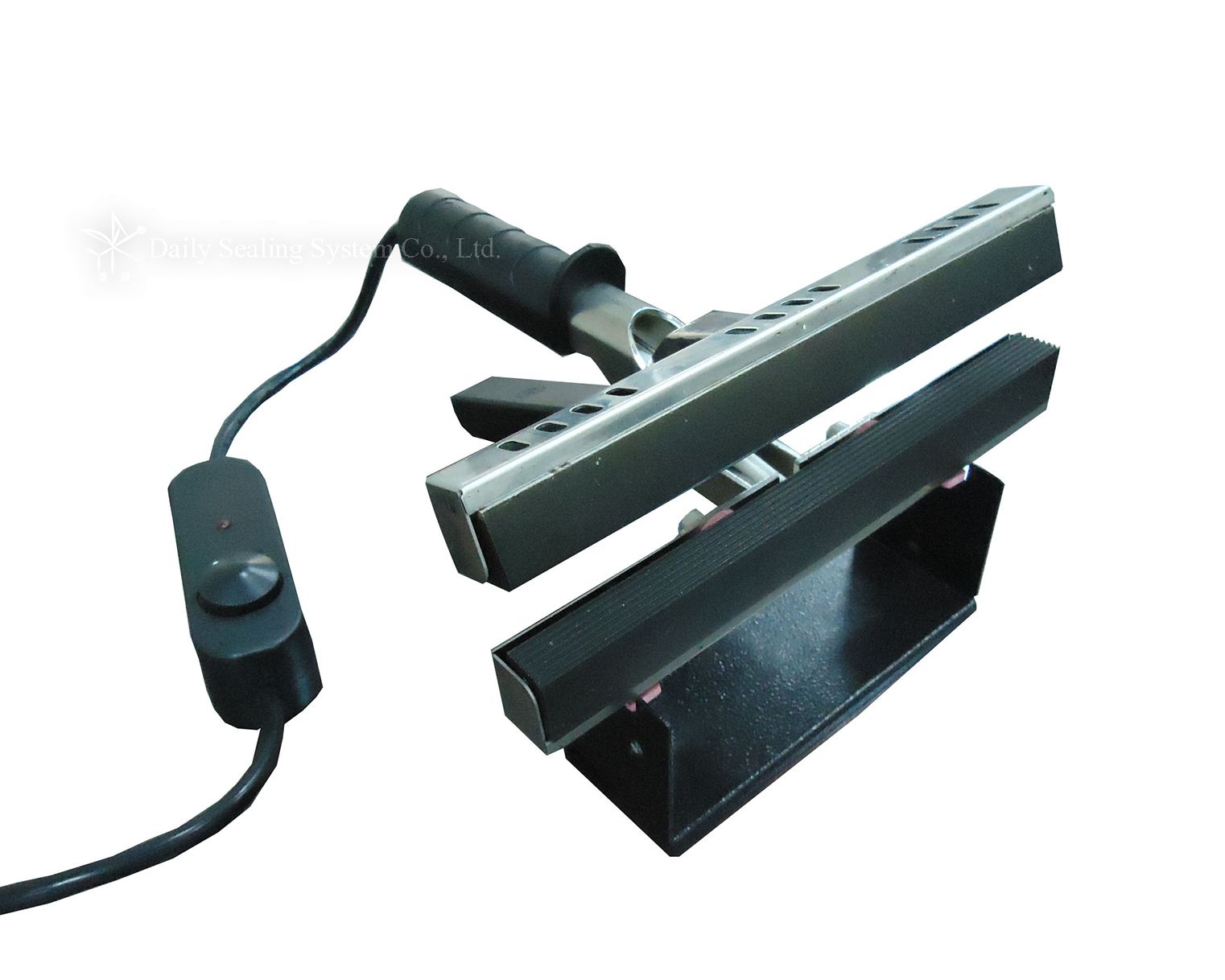
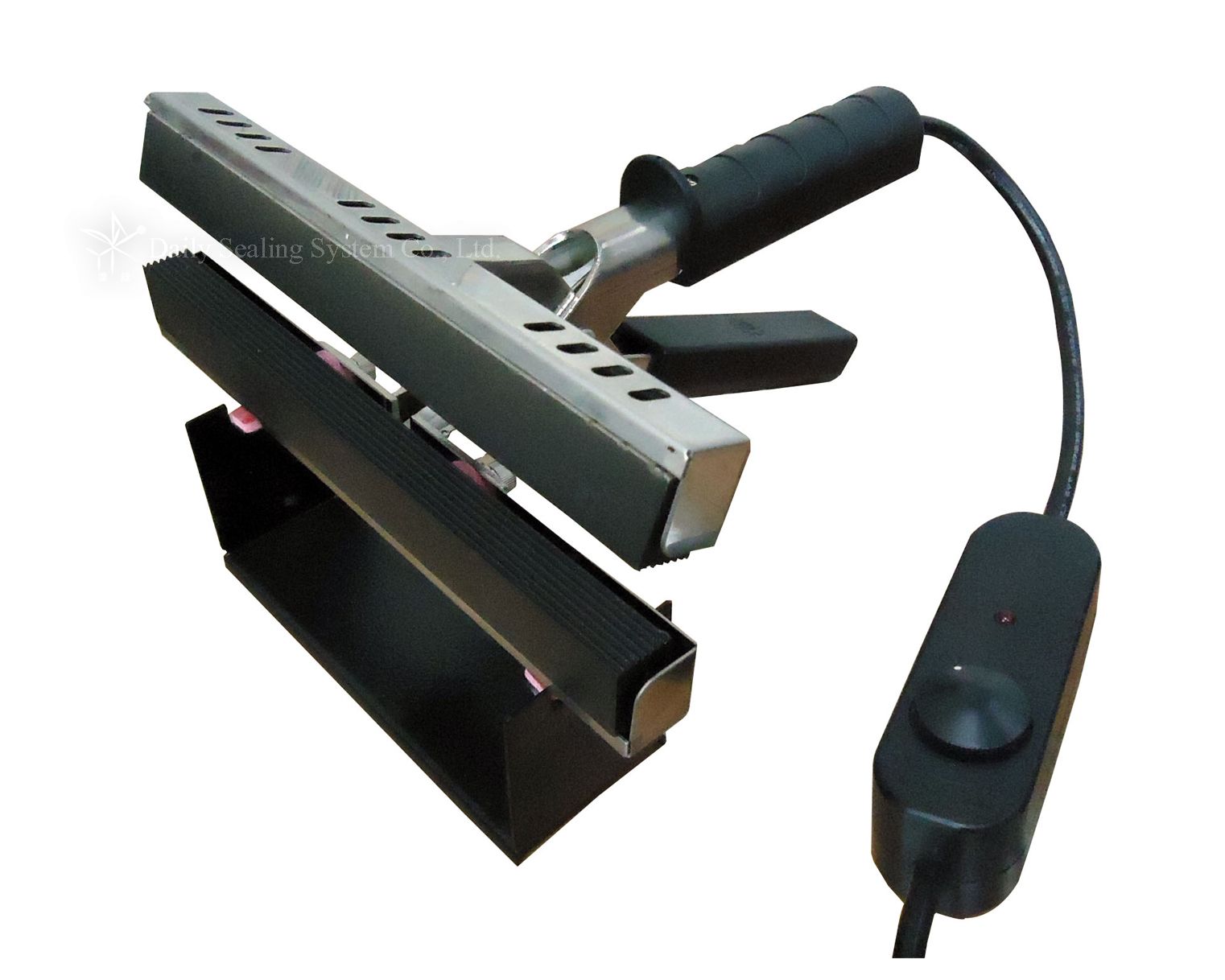
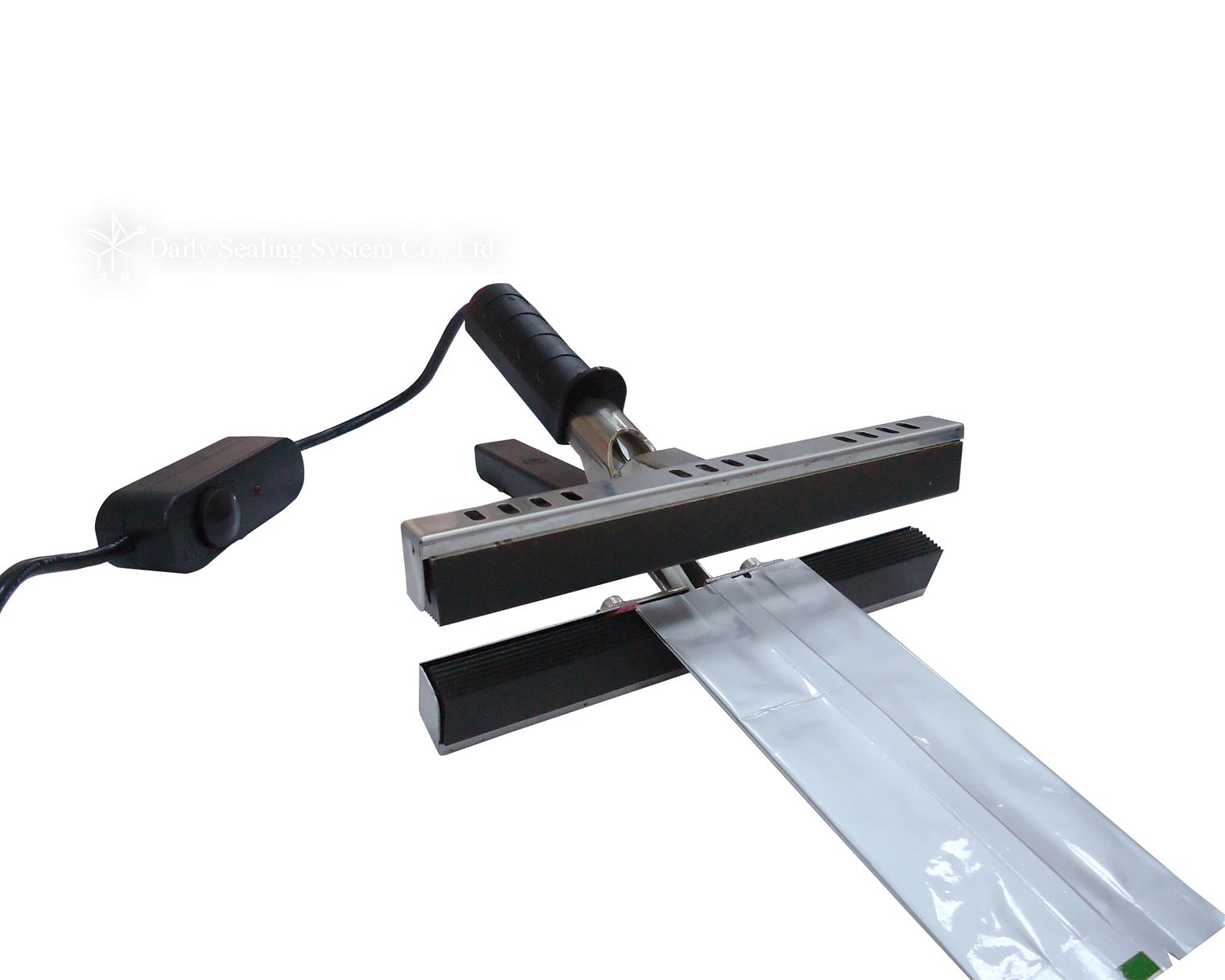
Sealing length: 15cm. Available for: PE, PP, plastic bags.
Why Choosing Dailysealing
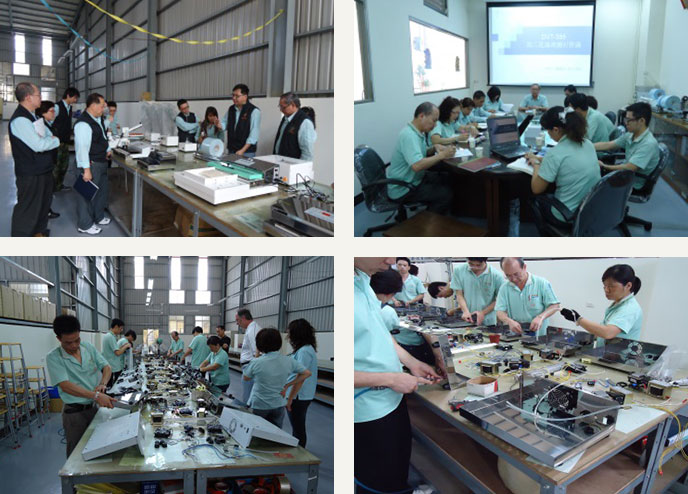
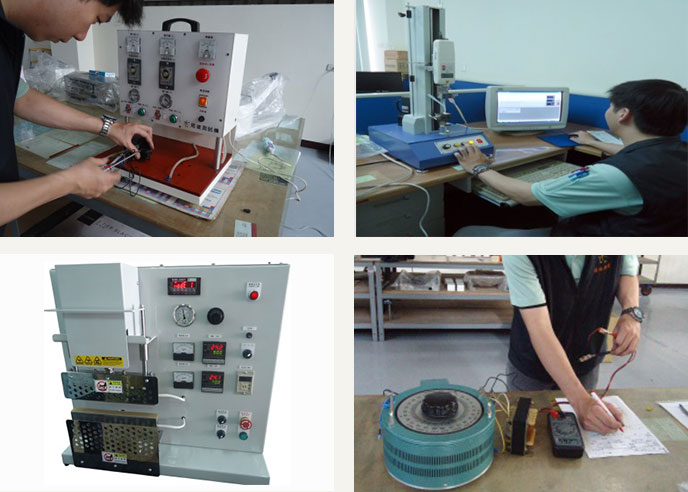
Parts and material quality control
Heating elements are from Japan.
Motor, Transformers, PCB and vacuum bags are made in Taiwan.
Strict quality control
100% product inspection: The inspection is included functions and
appearance of sealing machines.
Tensile strength test to ensure the sealing line tensile strength
value reaches the customer standard.
Electric leakage test: Puncture and insulation test.
Our production and inspection are all based on ISO 9001.
Professional packaging and sealing machine factory
Produce many kinds sealing machines and ODM/OEM products and provide
custom-made services.
More than 30 year experiences in packaging machines industry.
Sell sealing machines to America, Europe, Latin America and Asia.
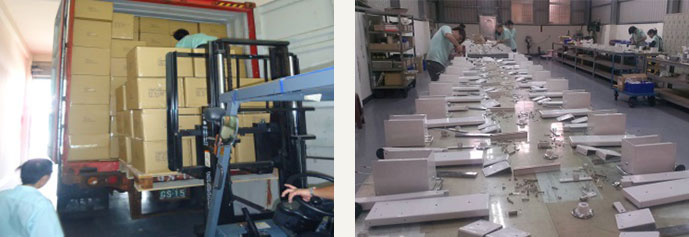
85% products in stocks, so we can deliver the products quickly.
The production process is based on SOP to ensure the quality of
sealing machines consistently.
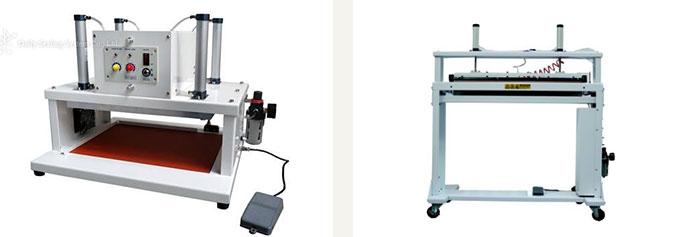
Complete range of specifications of sealing machines
Complete range of specifications of sealing machines.
Many kinds of sealing machines and consumptive materials in stocks,
so customers can do one-stop shopping here.
The customers include Biotechnology companies, Medical equipment
companies, Food industry, Electronics industry, Handmade soap
industry and other industry..
Custom-made sealing machine service
Custom-made sealing machine service
Designs of the special sealing machine for irregular shape sealing
line, such as U-shape sealing line and L-shape sealing line.
Different width of sealing line could be custom-made to meet
customer requirements.
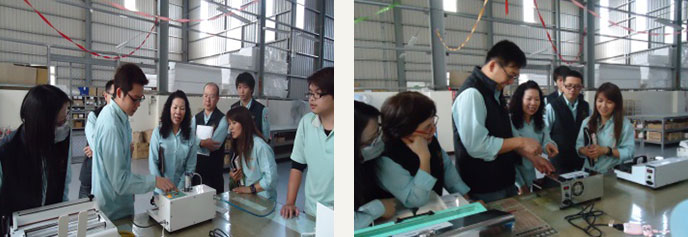
After-sales service of professional sealing machine
Provide the professional service for repair the broken sealing
machine immediately.
The sufficient supply of parts stock, so don’t worry about the parts
replace.
Some parts of sealing machine are used in common specifications, so
it is easy to get the parts for replace.
Commercial vs Household Vacuum Sealers: Which One is Right for Your Business? One of the most common questions buyers ask when sourcing a vacuum sealer is: "Should I get a commercial or household model?" The difference between commercial and home vacuum
sealers goes far beyond price — they differ significantly in usage frequency, vacuum consistency, seal quality, machine durability, and operational capacity. Choosing the wrong type leads to packaging inefficiency, higher maintenance costs, and a shorter equipment
lifespan. This guide breaks down exactly when to upgrade to a commercial vacuum sealer for your business. Quick Answer: Commercial vs Home Vacuum Sealer — How to Choose If you're packaging for household use or occasional small batches, a household vacuum sealer
may be sufficient. However, if you're running a food business, restaurant, processing operation, or e-commerce packaging line with consistent daily volume, a commercial vacuum sealer is the right choice for long-term reliability and output quality. Food Business
Restaurant Prep Food Processing High-Volume Packaging E-Commerce Fulfillment 1. Usage Frequency: Occasional Use vs. Daily Production Operations Household vacuum sealers are designed for light, infrequent use — portioning meat for the freezer, preserving fresh
produce, or occasional meal prep. They are not built for sustained operation. Commercial vacuum sealers are engineered for daily or continuous use in food production environments. Whether it's a vacuum sealer for restaurant operations, a central kitchen, a
food processing facility, or a packaging business, commercial-grade machines maintain consistent performance under high-frequency workloads where household units would degrade quickly. How to choose based on usage frequency: Occasional or low-volume packaging:
household or compact vacuum sealer Daily fixed-volume packaging: commercial vacuum sealer High-volume continuous production: chamber vacuum sealer or vacuum band sealer 2. Vacuum Performance: Commercial Units Deliver More Consistent Results Vacuum consistency
directly affects product shelf life and packaging integrity. Household models perform adequately for dry goods and standard freezer items. However, for high-moisture products, seafood, marinated meats, or applications that require a stronger, more reliable
vacuum level, commercial vacuum sealers outperform household units significantly. For food production, central kitchen operations, and vacuum sealer for food production vs home use comparisons, a Chamber Vacuum Sealer provides the stable, measurable vacuum
levels required for commercial-grade packaging. 3. Seal Quality: Commercial Machines Handle Demanding Materials and Higher Throughput Seal quality directly determines whether a package leaks, allows moisture ingress, or maintains its vacuum over time. Household
sealers can handle standard bag materials for basic applications, but may produce inconsistent seals under sustained operation or with thicker packaging materials. Commercial vacuum sealers feature more robust sealing bar construction and are compatible with
a wider range of bag materials — making them the preferred choice for food businesses, electronics packaging, medical consumables, and industrial applications where seal failure has real operational consequences. 4. Machine Durability: Heavy-Duty Vacuum Sealer
vs. Small Machine Household vacuum sealers prioritize compact form factor and ease of use for home storage. Commercial and heavy-duty vacuum sealers are built with more robust internal components, designed to withstand the mechanical stress of daily production
environments. Signs you need to upgrade to a commercial vacuum sealer: Daily packaging operations with fixed output requirements Processing large batch quantities in a single shift Seal quality directly impacts product shelf life or customer experience Packaging
heavier, thicker, or larger bag materials 5. Target Users: Household Prioritizes Convenience, Commercial Prioritizes Throughput Household vacuum sealers are designed for individual consumers who need simple, accessible food storage. Commercial vacuum sealers
are built for businesses that require reliable throughput, consistent seal quality, and equipment that scales with production demands. ComparisonHousehold Vacuum SealerCommercial Vacuum Sealer Primary Use Home food storage, small batches Food processing, restaurant,
commercial packaging Usage Frequency Occasional Daily or continuous production Vacuum Consistency Basic level Stable and measurable, suited for commercial use Seal Quality Standard bag materials Higher seal integrity, wider material compatibility Equipment
Cost Lower upfront cost Higher initial investment, lower long-term operating cost 6. Choosing the Right Vacuum Sealer for Your Business Scenario For home food storage or very low-volume prep, a compact household unit is a cost-effective starting point. But
for any business operation — restaurant, food producer, e-commerce packager, or small business with regular daily output — a commercial vacuum sealer provides the durability and consistency that household machines cannot deliver over time. Recommended direction
by business type: Home or personal use: compact vacuum sealer Restaurant or central kitchen: chamber vacuum sealer recommended Food processing or high-volume production: vacuum band sealer or continuous model Small business or e-commerce packaging: nozzle
or non-nozzle commercial vacuum sealer If you're evaluating models, browse the Vacuum Sealer Series to compare equipment types before deciding based on your product type and output volume. 7. Before Purchasing: 4 Key Questions to Answer 1. Daily Output Volume
Higher volume demands more durable commercial equipment with consistent throughput capacity. 2. Product Content Solid, liquid, powder, or high-moisture products require different vacuum sealing configurations. 3. Bag Material & Size Bag dimensions, thickness,
and material structure all affect sealing performance and vacuum results. 4. Long-Term Operating Cost Commercial machines carry a higher upfront cost but deliver lower cost-per-unit over sustained daily use. Dailysealing: Commercial Vacuum Sealer Supplier
for B2B Buyers Dailysealing is a professional vacuum sealer and sealing machine manufacturer with an in-house production facility and extensive experience in commercial packaging machinery. If you're unsure whether a commercial or household unit fits your
operation, our team can assess your product type, bag material, daily output, and operational requirements to recommend the most suitable vacuum sealing solution. Frequently Asked Questions Q1: Can a household vacuum sealer be used for commercial purposes?
Not recommended for sustained commercial use. Household vacuum sealers are designed for low-frequency, small-batch packaging. Using them at commercial volumes will degrade machine performance and shorten equipment lifespan significantly. Q2: Are commercial
vacuum sealers always more expensive than household models? Commercial machines carry a higher initial price, but their durability, vacuum consistency, and seal performance deliver lower long-term operating costs. For businesses with regular packaging needs,
the total cost of ownership typically favors a commercial unit. Q3: Is a commercial vacuum sealer necessary for restaurants? For low-volume prep, a household unit may work short-term. However, for daily large-batch ingredient portioning, refrigerated storage
management, or central kitchen distribution, a commercial vacuum sealer for restaurant use delivers the consistency and durability required for professional operations. Q4: What about vacuum sealers for small businesses or e-commerce packaging? For low and
irregular shipment volumes, a compact model may be sufficient. However, as daily order volume grows, or if packaging quality directly affects the customer experience, upgrading to a commercial vacuum sealer for small business use will reduce errors and improve
output consistency. Q5: When should I upgrade from a household to a commercial vacuum sealer? Consider upgrading when your daily packaging volume becomes consistent, when seal failures affect product shelf life or customer returns, or when your product type
(liquid, high-moisture, or thick bag material) exceeds the capability of your current household unit. Need Help Choosing the Right Vacuum Sealer for Your Business? Tell us about your product type, bag dimensions, daily output, and operating environment. Dailysealing
can help you evaluate the right commercial vacuum sealer for your packaging operation. View Vacuum Sealer Series Contact Us // //
In recent years, vacuum packaging has become very popular. Vacuum packaging keeps damp proof, extended shelf life, and reduced storage space. There are various types of vacuum sealing machines available on the market. How to find a suitable vacuum sealer
for your product? The following are specially divided into three categories for the vacuum sealers sold on the market (Chamber Vacuum Sealer, Non-nozzle Vacuum Sealer, and Nozzle Vacuum Sealer) to introduce advantages and disadvantages. There are other places
to pay attention to when buying, hope to help everyone buy a suitable vacuum sealer, and enhance the quality of product. ※Non-nozzle Vacuum Sealer A non-nozzle vacuum sealer is a new type of vacuum sealer that has appeared in recent years, in terms
of price, it's cheaper than the Chamber vacuum sealer, although the vacuum degree is lower than that of the Chamber vacuum sealer, for many products it is sufficient. This Non-nozzle vacuum sealer is equipped with an oil-less pump, so if the product itself
has a lot of water (such as soup) or powder, a Non-nozzle vacuum sealer is not recommended, because moisture or powder will be drawn into the machine with the operation of the vacuum pump, easily cause damage to internal parts. Non-nozzle vacuum sealer
belongs to the external vacuum sealer, different from an internal vacuum sealers, the product is vacuumed outside the machine. Therefore, the product is not limited by the size of the vacuum chamber, unlike the chamber vacuum sealer, as long as the width of
vacuum bags is smaller than the size of the sealing line of the external vacuum sealer, unlimited length, but if the vacuum bag is too long, it is recommended to find an external vacuum sealer with strong vacuum capability. This type of vacuum sealer
on the market has a plastic casing and a stainless steel casing. Non-nozzle vacuum sealer with plastic housing is small in size, and cheap in price, but if it's vacuum packaged for a long time, high frequency of operation, it's not recommended by a Non-nozzle
vacuum sealer with a plastic case, because the vacuum sealer will generate heat when sealing, use for a long time, the sealing seat with continue to heat, when the temperature is too high, the plastic case may be deformed. If just for household or small amounts
of use, a Non-nozzle vacuum sealer can be purchased in a plastic case. It's a factory or a long-term operator, it's recommended to purchase a Non-nozzle vacuum sealer with a stainless steel housing, in addition to not worrying about the deformation of the
sealing seat due to high temperature, the vacuum pump installed inside is larger than the Non-nozzle vacuum sealer with plastic casing, continuous use is not afraid of failure, and the vacuuming ability is also strong. Compared with the Chamber vacuum sealer,
Non-nozzle vacuum sealer is much smaller and easy to carry. Please pay attention to the vacuum bag. Non-nozzle vacuum sealers can't use vacuum flat bags, due to the machine structure, Non-nozzle vacuum sealers are available for vacuum embossed bags (vacuum
stripe bags), nylon gusset vacuum bags, aluminum foil gusset bags, and back seal bags. The price of vacuum embossed bags and gusset bags are slightly higher than that of vacuum flat bags, so please pay the attention. If the product packaging itself is to use
the gusset bag, such as tea leaves, rice, etc. A Non-nozzle vacuum sealer is highly recommended as the results are satisfactory. If you don't care about the price of vacuum bags and hope the price of the vacuum sealer is lower, a Non-nozzle vacuum sealer will
be a good choice. When purchasing a vacuum sealer, factors to consider include price, the suitable types of vacuum bags, vacuum efficiency, the size and type of products to be sealed, and the operating method. No matter what kind of product you want to vacuum,
it's recommended to bring the product to the site for testing before purchasing, test the vacuum effect and understand how to operate it, this will allow you to choose the most suitable vacuum sealer for your needs.
How to Set Sealing Time for Impulse, Constant Heat and Continuous Band Sealers How long should a sealing machine seal a bag? There is no single sealing time that works for every packaging material or sealing machine. The correct heat-sealing process depends
on several variables, including the sealing method, pouch structure, material thickness, seal width, pressure, temperature and production speed. This is especially important for B2B packaging operations because impulse sealers, constant heat sealers, continuous
band sealers and vacuum sealers do not control heat in the same way. For production teams, the goal should not be to find a universal number of seconds — the better approach is to establish a tested and documented sealing condition for the specific machine,
packaging material and production requirement. Quick Answer: How Long Should Sealing Time Be? There is no universal sealing time. Impulse sealers: commonly control heating time or output rather than actual sealing temperature Constant heat sealers: require
the correct combination of temperature, contact time and pressure Continuous band sealers: temperature and conveyor speed must be evaluated together, since line speed changes heat exposure Vacuum sealers: sealing time or temperature depends on machine design,
pouch structure and sealing requirements When material changes: re-test the sealing conditions whenever pouch structure, thickness, supplier or machine configuration changes For industrial production, sealing time should always be treated as one process parameter
rather than a standalone setting. 1. Why Is There No Universal Sealing Time? Heat sealing works by applying sufficient thermal energy to the pouch sealant layer while maintaining the required contact pressure for an appropriate period. This means that two
machines sealing what appears to be the same pouch may still require different settings. Sealing Method Impulse, constant heat and continuous sealing systems transfer heat differently. An impulse sealer heats only during the sealing cycle, while a constant
heat sealer maintains a heated sealing surface. A continuous band sealer moves the pouch through heating and cooling sections. Packaging Material Structure PE, PA/PE, PET/PE and other laminated films use different sealant layers and material structures. The
outer material name alone does not determine the correct sealing time. Material Thickness Thickness affects heat transfer, but a thicker pouch does not automatically mean operators should simply increase temperature or extend heating time. Material structure,
sealant layer and machine capability must also be considered. Seal Width and Pressure Seal width, contact area and pressure can affect how thermal energy is transferred across the sealing zone. A change in sealing width or pressure may therefore require process
settings to be re-tested. Related guide: How to Choose the Right Sealing Length and Sealing Width 2. Impulse Sealers: Start with Heating Time or Output Hand impulse sealers, many foot impulse sealers and other impulse-type machines heat the sealing element
only during the sealing cycle. For this reason, many impulse sealers do not directly control the actual surface temperature. Instead, the operator commonly adjusts heating time, timer level or output. Recommended adjustment process: Confirm the pouch structure
and thickness Start from the machine manual or an existing tested setting Test the actual packaging material used in production Begin with a relatively low setting and increase gradually Change only one major parameter at a time Allow the seal area to cool
appropriately before evaluating the result Record the confirmed machine and material settings Some impulse sealing systems also require a short pressure or cooling period after heating stops. Moving the pouch too early can affect a newly formed seal. Avoid
this common mistake: if a pouch does not seal properly, do not immediately turn the timer to the maximum setting. Excessive heat input may cause pouch shrinkage, melting or burn-through, excessive seal distortion, material sticking, or unnecessary wear on
heating elements or PTFE covers. The objective is not to apply maximum heat — it is to apply enough controlled heat to create a reliable seal without damaging the packaging material. 3. Constant Heat Sealers: Sealing Time Is Only One Part of the Process Constant
heat sealers maintain the sealing jaws or heating surface at a controlled temperature. For these machines, sealing performance depends on the combined effect of sealing temperature, contact or dwell time, sealing pressure, pouch structure and material thickness.
If the temperature is too low, simply holding the pouch longer may not produce a reliable seal. If temperature and dwell time are both excessive, the pouch may distort, thin out or melt through. For constant heat sealing, a better process is: pouch structure
→ suitable temperature range → dwell time → pressure → seal-quality verification — rather than asking only "how many seconds should I seal this bag?" For material-specific temperature guidance, see: Heat Sealing Temperature Guide for Different Packaging Materials.
4. Continuous Band Sealers: Conveyor Speed Changes Heat Exposure A continuous band sealer moves the pouch continuously through a heating section. For this reason, conveyor speed affects how long the packaging material remains exposed to heat. Production ChangePossible
Effect Higher conveyor speed Shorter exposure time in the heating zone; existing temperature settings may provide insufficient heat Lower conveyor speed Longer heat exposure; excessive temperature may distort or overheat the pouch Different pouch thickness
or laminate Temperature and conveyor speed should be re-tested together Temperature and conveyor speed should therefore be treated as linked process variables. A production team that increases line speed without rechecking the sealing condition may see previously
stable seals become weak or inconsistent. Similarly, slowing the line while maintaining an unnecessarily high temperature may create excessive heat exposure. For higher-volume packaging operations, both seal consistency and production throughput should be
considered when validating the settings. Related guide: When Should You Use a Continuous Band Sealer? 5. How Should Sealing Time Be Set on a Vacuum Sealer? A vacuum sealer normally performs at least two different process stages: air evacuation and heat sealing.
The vacuum cycle and the sealing cycle should therefore be evaluated separately. Depending on machine design, the operator may adjust sealing time, temperature or another heat-control setting. Whenever the vacuum pouch supplier, material structure or thickness
changes, the sealing condition should be re-tested — even if the vacuum extraction performance remains unchanged. If Sealing Heat Is Insufficient Incomplete seal formation Weak seal strength Gradual loss of vacuum Leakage after handling or storage If Heat
Input Is Excessive Seal-area distortion Pouch shrinkage Melt-through Weakening of the seal area Always confirm the specific vacuum sealer design and pouch structure before establishing production settings. 6. How Can You Tell If Sealing Time Is Too Short or
Too Long? The seal result provides useful clues, but one symptom does not always point to only one cause. Seal ConditionPossible Direction to Check Seal opens easily or contains unfused areas Heat input may be insufficient; also check material compatibility,
pressure and contamination Seal line shrinks or wrinkles Possible excessive heat or unsuitable settings Pouch melts through or burns Heat input may be excessive The same section repeatedly fails to seal Check heating element, PTFE cover, pressure pad or sealing-area
alignment rather than only increasing time Seal quality changes after switching pouch supplier Re-test material structure, thickness and sealing parameters If increasing sealing time does not improve the result, do not continue increasing it indefinitely.
The problem may instead involve an incompatible packaging material, insufficient or excessive temperature, uneven pressure, contamination in the sealing area, a worn heating element, damaged PTFE material, or other machine-related issues. Related guide: Heat
Sealer Not Sealing Properly? 5 Common Causes and How to Fix Them 7. How to Validate Sealing Time After Changing Packaging Material For manufacturers, food processors, contract packers and other B2B users, a pouch change should be treated as a process change.
This includes changes in packaging supplier, resin or laminate structure, material thickness, bag dimensions, sealing machine, and production speed. 01 Confirm the Packaging Specification Record the material structure, total thickness and sealant layer when
available 02 Confirm the Sealing Machine Type Impulse, constant heat, continuous band or vacuum sealer 03 Establish a Starting Setting Use manufacturer instructions or a previously confirmed condition 04 Keep Other Variables Stable Change only one major parameter
at a time 05 Adjust Gradually Make small changes and compare seal results 06 Allow the Seal to Stabilize Allow sufficient cooling before judging the seal 07 Record the Confirmed Production Setting Document the machine, material and operating parameters 8.
For Production Lines, Do Not Record Only "2 Seconds" or "3 Seconds" For repeat B2B production, a single sealing-time number is usually not enough. If the packaging material or equipment changes later, a record such as "seal for 2 seconds" provides very little
information about why the process originally worked. A more useful production record should include: Sealing machine model Packaging material structure Pouch thickness Sealing time or output setting Sealing temperature, when applicable Conveyor speed for continuous
band sealers Seal width Product type Pouch opening condition Seal inspection result Packaging-material supplier or batch, when relevant This makes it easier to reproduce confirmed conditions and troubleshoot future process changes. 9. B2B Sealing-Process Checklist:
What Information Should Buyers Prepare? When contacting a sealing-machine manufacturer or packaging equipment supplier, providing complete process information can help identify the correct machine configuration and starting settings more efficiently. Prepare:
Current sealing machine model Pouch material structure Pouch thickness Bag opening width Required sealing length Required seal width Product being packaged Dry, oily, powder or liquid product condition Current sealing time or timer setting Current temperature,
when applicable Conveyor speed, when applicable Daily production volume Required production speed Current seal-quality problem Target market or special packaging requirement For OEM / ODM or new packaging projects, this information is also useful when determining
whether the existing sealing method is suitable for the required output and material. The following questions are compiled from Daily Sealing System's manufacturing, packaging-material testing and after-sales technical support experience since 2010. Frequently
Asked Questions Q1: How many seconds should a heat sealer be set for? There is no universal sealing time. The correct setting depends on machine type, pouch structure, thickness, seal width, pressure and other process conditions. Always validate the setting
using the actual production material. Q2: Does a thicker bag always require a longer sealing time? No. Thickness can affect heat transfer, but material structure, sealant layer, temperature, machine output and pressure also influence the result. Thickness
alone should not determine sealing time. Q3: Should I adjust temperature or time on an impulse sealer? Many impulse sealers primarily control heating time or output rather than actual sealing temperature. Machine designs vary, so always confirm the controls
specified for the model. Q4: Why does my continuous band sealer produce weak seals after increasing conveyor speed? Increasing conveyor speed reduces the time the pouch remains in the heating zone. If other parameters remain unchanged, the material may receive
insufficient heat. Re-test temperature and conveyor speed together. Q5: Why does the bag still not seal even after increasing sealing time? The problem may not be insufficient time. Check packaging-material compatibility, sealing temperature or output, pressure,
contamination, heating elements and PTFE components before continuing to increase the setting. Q6: Do sealing settings need to be re-tested when changing pouch suppliers? Yes. Even when the material name and nominal thickness appear similar, the sealant layer,
laminate structure and production specifications may differ. Re-test and document the sealing condition before full production. 📖 Further Reading For sealing-machine buyers, packaging engineers and production teams: → Heat Sealing Temperature Guide for PE,
OPP & Foil Bags → Heat Sealer Not Sealing Properly? Common Causes and How to Fix Them → How to Choose the Right Sealing Length and Sealing Width → When Should You Use a Continuous Band Sealer? → Sealing Machine Maintenance: 7 Ways to Extend Service Life About
This Article This article was prepared by the Daily Sealing System technical team for purchasing teams, packaging engineers, production managers, contract packers and industrial packaging users. Daily Sealing System Co., Ltd. is a Taiwan-based sealing machine
manufacturer with an in-house production facility. The company provides impulse sealers, foot sealers, constant heat sealers, continuous band sealers, vacuum sealers, medical pouch sealers and customized sealing equipment, together with OEM / ODM support and
after-sales technical service. This guide is based on Daily Sealing System's manufacturing, packaging-material testing and after-sales technical support experience since 2010. Actual sealing time, temperature, pressure and conveyor-speed settings vary by machine
model, packaging material and production conditions. Production parameters should always be tested and confirmed using the actual machine and pouch specification. Need Help Determining the Right Sealing Settings for Your Packaging Material? Send us your machine
model, pouch structure, pouch thickness, bag dimensions, product type, current sealing settings, daily production requirement and current seal result. Our technical team can help you evaluate the appropriate sealing-machine configuration and starting process
settings for your packaging application. View Sealing Machines Contact Our Technical Team // //
We use cookies to provide a better experience. By proceeding, you agree to our PRIVACY POLICY, including the use of cookies and other tracking technologies.ACCEPT
.jpg)
(3).jpg)
.jpg)
(14).jpg)
.jpg)
(15).jpg)






.jpg)
.png)
.jpg)