DTC-200C
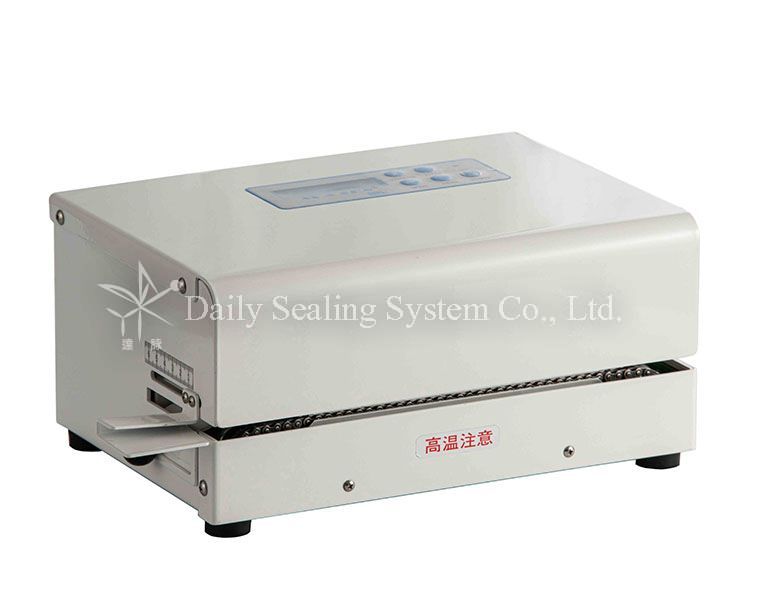
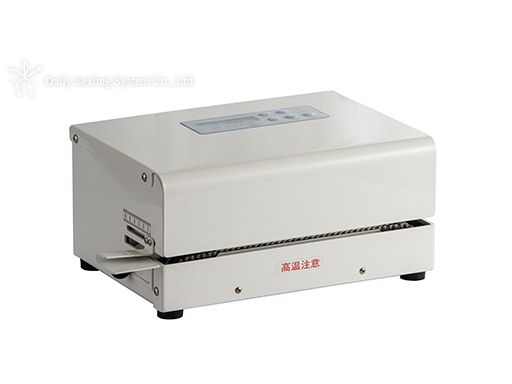
Rotary sealer for sterilization bag

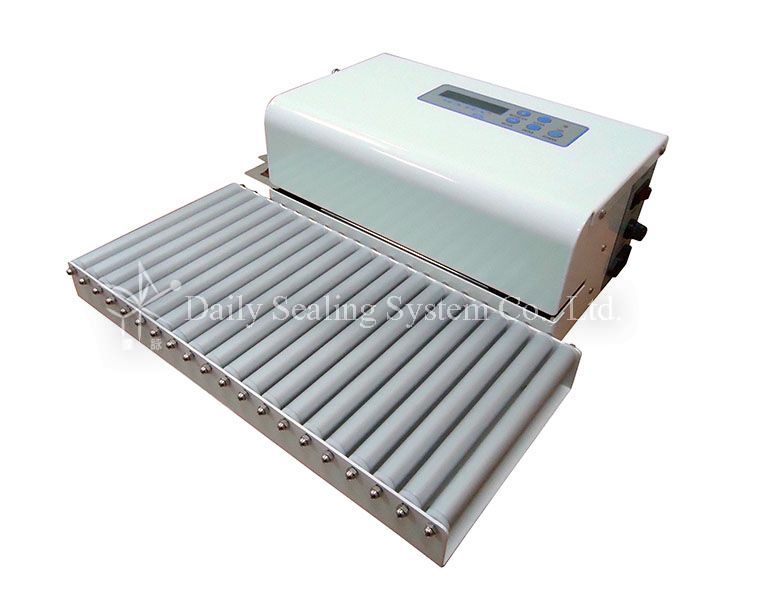
Small type band sealer for medical bags.

The distance of bag lid and sealing line can be adjusted 0-5 cm.

Recommended tension reference value when replacing the consumable (rubber wheel).

Record motor operating hours.
  • Detail
  • Feature
  • Video

Rotary sealer for sterilization bag-Appearance Features

● Rotary sealer with a compact and simple design.

 Equipped with a bag guide slot on one side for easy placement of sterilization bag.

 Available in stainless steel construction upon request.


Rotary sealer for sterilization bag-Machine Features

 The upper section features an operation panel and display window for adjustable parameters, showing the recommended tension reference value when replacing the consumable (rubber wheel) and recording the motor operating hours.

 Continuous sealing operation helps improve productivity and efficiency.

 Energy-saving: the motor will shut off when not in use for 5 min, but the temperature still keeps.

 Heating temperature can be adjusted according to the packaging material and its thickness.

 CE safety certified; noise level: 70 dB(A).

 Adjustable sealing line distance from the bag edge: 0–5 cm, providing operational flexibility.

 Built-in counter automatically counts the number of sealed bags; users can preset the desired sealing quantity. Once the target count is reached, the motor stops automatically.

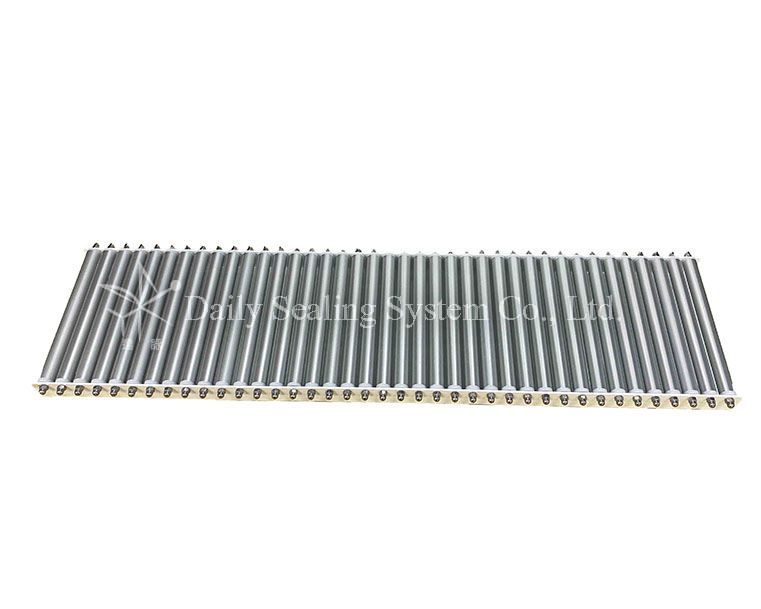
 Optional roller or worktable available to enhance operation smoothness.


Rotary sealer for sterilization bag-Maintenance Method

 No need for oil change maintenance.

 When the tension value shows below 250 g (this data is for reference only and may vary depending on usage conditions), it is recommended to return the machine to the factory for maintenance.

 The motor operating hours are displayed, allowing users to determine the frequency of consumable replacement.


Rotary sealer for sterilization bag-Suitable for

 Medical industry, dental equipment suppliers: medical device packaging, cosmetic and medical instruments

 Laboratory and biotechnology industries: sterile consumables, specimen packaging bags, reagent sealing bags


Other options

DTC-200 Rotary sealer for sterilization bag

DTC-200B Rotary sealer for sterilization bag


Rotary sealer for sterilization bag-Suitable material of bag

medical bag, sterilization bag, aluminum foil bag, tinfoil bag.


FAQs

Q: Can this machine be used with non-medical sterilization bags?

A: It is recommended to contact us to confirm whether the bag specifications and sealing conditions are compatible to ensure sealing quality, or to provide sample bags for testing.


Q: The edges of the bags are wrinkled, and the seal is not secure. What could be the cause?

A: It is recommended to first check the distance between the sealing line and the bag edge (adjustable 0–5 cm), reset the temperature, and ensure the bags are fed in smoothly and flat.


Q: What should I do if the conveyor belt jams the bags?

A: First, stop the machine and disconnect the power. Check for any foreign objects causing the jam, and we recommend contacting us to resolve the issue.


Q: How to test the suitable temperature for bags?

A: Different bag materials require different temperatures. It is recommended to start testing from a low temperature and increase it if necessary.


Specification
Model No. DTC-200C
Sealing type Constant Heat
Type
Voltage/Ampere 110V /220V
Power 390W(110V),380W(220V)
Vacuum capacity
Max.sealing
Vacuum time
Sealing time
Cooling time
Machine weight 10.75 kg
Machine size 330 x 210 x 155 mm
Vacuum flow
Pump capacity
Pump type
Chamber size
Sealing width
Sealing and conveyor speed
Bag total thickness
Bag size
Sealing Temperate 100 - 250℃
Conveyor width
Conveyor height adjusting range
Conveyor loading weight
Machine size
Packing
Warm up time
Heating
Temperature
Adjusting height of working table
Width of ribbon
Size of letter
Number of letters
Printing area
Size of metal bar
Quantity of knives
Length of knives
Max. consumption electric power
Oscillation frequency
Max. welding
Film position
Size of heating board
Max. size of film
Inner core
Packing size
Working table size
PS2
PS3
Certification
Machine material steel plate with powder coating
Suitable material of bag medical bag, sterilization bag, aluminum foil bag, tinfoil bag.
Suitable for packing products Surgical instruments, bandage materials, and medical supplies
Spare parts
Warranty 1-year guarantee
Origin Taiwan

You May Also Like
Why Choosing Dailysealing
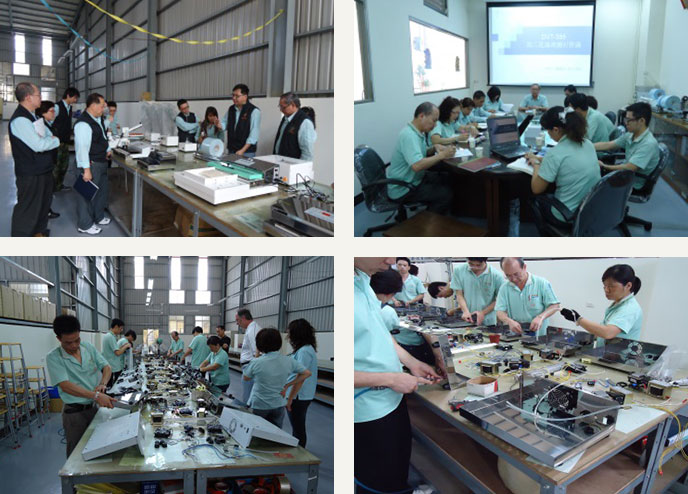
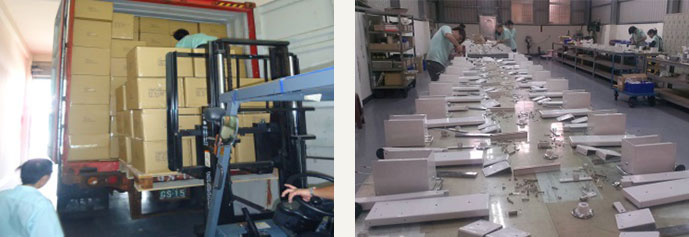
Parts and material quality control
  • Heating elements are from Japan.
  • Motor, Transformers, PCB and vacuum bags are made in Taiwan.
Strict quality control
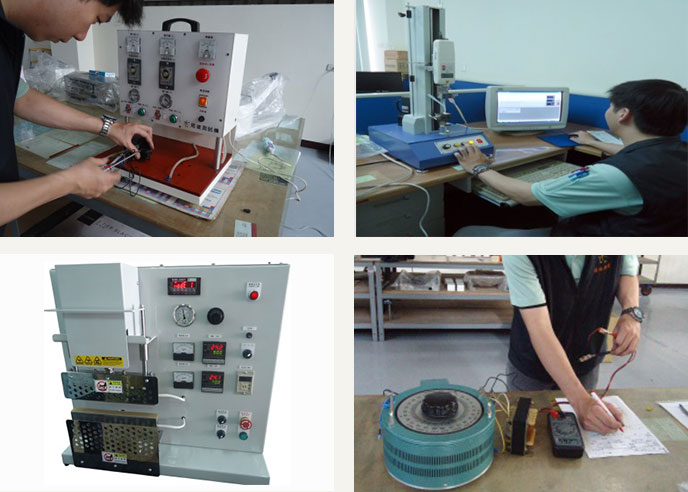
  • 100% product inspection: The inspection is included functions and appearance of sealing machines.
  • Tensile strength test to ensure the sealing line tensile strength value reaches the customer standard.
  • Electric leakage test: Puncture and insulation test.
  • Our production and inspection are all based on ISO 9001.
Professional packaging and sealing machine factory
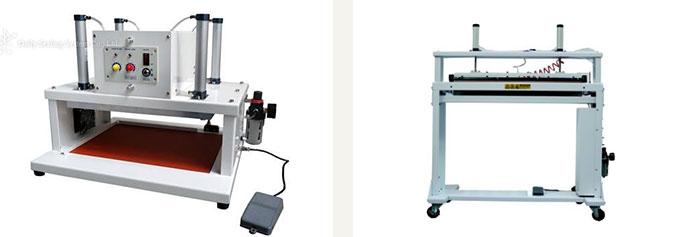
  • Produce many kinds sealing machines and ODM/OEM products and provide custom-made services.
  • More than 30 year experiences in packaging machines industry.
  • Sell sealing machines to America, Europe, Latin America and Asia.
  • 85% products in stocks, so we can deliver the products quickly.
  • The production process is based on SOP to ensure the quality of sealing machines consistently.
Complete range of specifications of sealing machines
  • Complete range of specifications of sealing machines.
  • Many kinds of sealing machines and consumptive materials in stocks, so customers can do one-stop shopping here.
  • The customers include Biotechnology companies, Medical equipment companies, Food industry, Electronics industry, Handmade soap industry and other industry..
Custom-made sealing machine service
  • Custom-made sealing machine service
  • Designs of the special sealing machine for irregular shape sealing line, such as U-shape sealing line and L-shape sealing line.
  • Different width of sealing line could be custom-made to meet customer requirements.
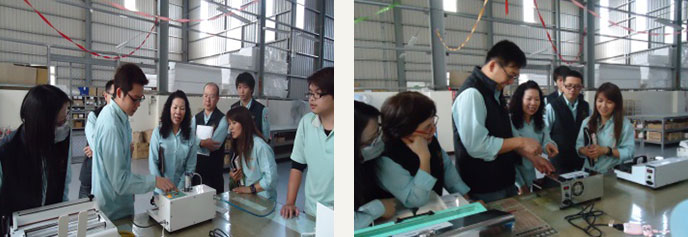
After-sales service of professional sealing machine
  • Provide the professional service for repair the broken sealing machine immediately.
  • The sufficient supply of parts stock, so don’t worry about the parts replace.
  • Some parts of sealing machine are used in common specifications, so it is easy to get the parts for replace.
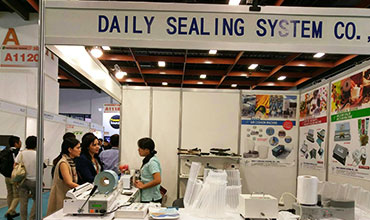
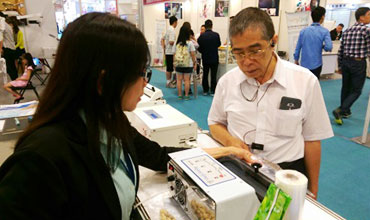
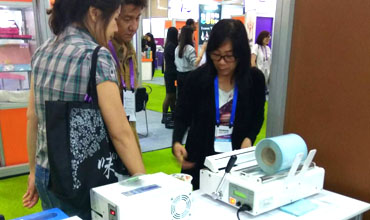
Exhibitions and trade shows
News
Vacuum Packaging in the Foodservice Industry: Enhancing Efficiency, Freshness, and Quality
2025/2/18
Vacuum Packaging in the Foodservice Industry: Enhancing Efficiency, Freshness, and Quality
Vacuum Packaging in the Foodservice Industry: Enhancing Efficiency, Freshness, and Quality In modern foodservice, vacuum packaging has become an essential tool for many restaurants and food businesses. This technology not only helps extend the shelf life of ingredients but also improves food quality, reduces waste, and enhances operational efficiency. Here are the main applications of vacuum packaging in the foodservice industry:   1. Extending the Freshness of Ingredients For restaurants, managing the freshness of ingredients is crucial. Vacuum packaging effectively isolates food from air, reducing oxidation and bacterial growth, which helps extend the shelf life of ingredients. Whether it's meat, vegetables, or seafood, vacuum packaging helps preserve freshness and reduce spoilage, ensuring less food waste.   2. Prepping Ingredients for Increased Efficiency During busy times, restaurants often need to prep ingredients in advance. Vacuum packaging allows kitchens to prepare ingredients ahead of time while maintaining their freshness. For example, vacuum-sealing chopped vegetables, marinaded meats, or pre-mixed seasonings ensures quick access to fresh ingredients when needed. This increases efficiency and speeds up food preparation.   3. Improving Consistency and Quality of Dishes Vacuum packaging ensures consistency and quality, which is especially important in high-end or chain restaurants where customers expect a high standard. By vacuum-sealing ingredients before cooking, restaurants can better control the quality of food, maintaining consistent taste, texture, and presentation. This results in a more reliable dining experience for customers.   4. Long-Term Storage of Frozen Foods For ingredients or prepared dishes that need to be stored for a long period, vacuum packaging is ideal. Restaurants can vacuum-seal and freeze pre-made dishes (like roasted meats or stews) to retain their flavor and quality. Vacuum packaging minimizes freezer burn and moisture loss, ensuring that food stays in top condition even after extended storage. When needed, the vacuum-sealed food can be defrosted and reheated for quick service.   5. Reducing Kitchen Waste Vacuum packaging helps reduce food waste in restaurant kitchens. By extending the shelf life of ingredients, restaurants can buy in bulk and store leftovers properly without worrying about spoilage. This reduces food waste and cuts costs, helping businesses operate more efficiently.   6. Food Delivery and Takeout With the rise of food delivery services, many restaurants need to ensure that food maintains its quality during transportation. Vacuum packaging plays a significant role in the takeout business by preserving the freshness of food while preventing texture and flavor changes during delivery. This ensures a better customer experience and helps sustain the quality of food in takeout or delivery orders.   7. Meeting Special Dietary Needs Vacuum packaging can help restaurants cater to customers with special dietary needs (such as allergies or vegetarian diets). Restaurants can prepare meals in advance according to specific dietary requirements and vacuum-seal them for storage. This ensures that the food remains fresh and safe while meeting customer preferences or restrictions.   Conclusion Vacuum packaging technology offers multiple benefits to the foodservice industry, from improving ingredient management and reducing waste to enhancing food quality and customer satisfaction. As the demand for high-quality food and efficient service continues to grow, vacuum packaging will undoubtedly become an indispensable tool in the future of foodservice operations.  
MORE
FAQs (Frequently Asked Questions) about vacuum packaging
2024/6/21
FAQs (Frequently Asked Questions) about vacuum packaging
FAQs (Frequently Asked Questions) about vacuum packaging Vacuum packaging is currently a trend, and recently, many users have purchased vacuum sealers or vacuum bags, generating a lot of questions. Here are answers to the most commonly asked questions: 1.     Which vacuum sealer is suitable for me? A: There are many vacuum sealers on the market, and it is not easy to choose a suitable vacuum sealer. I have previously written about "How to Choose a Vacuum Sealer". Those with questions can refer to it for getting more information. "How to choose a vacuum sealing machine", please check the following website address. *Nozzle type vacuum sealer: https://www.dailysealing.com/news_detail.aspx?seq=1116 *Non-nozzle type vacuum sealer: https://www.dailysealing.com/news_detail.aspx?seq=1115 *Chamber vacuum sealer: https://www.dailysealing.com/news_detail.aspx?seq=1114   2.     Why can't I use PE bags for vacuum packaging? A: Due to the density of the bag material. Even after air is removed and sealed, air can still seep back into the bag. Therefore, after packaging, if left alone for a period of time, the vacuum effect will be lost.   3.     What type of bag material is suitable for vacuum packaging? A: The most common vacuum bag materials are nylon (NY) bags and aluminum foil bags. Both of these materials can prevent air from seeping back into the bag and maintain a vacuum state inside the bag.   4.     Why can't I maintain a vacuum effect even after using vacuum bags? A: If you have confirmed that you are using vacuum bags, you can first check if the seal is defective. Some vacuum bags are too thick and require a longer sealing time, such as foldable bags (tea bags), which have four layers. If the seal is confirmed to be perfect, check if there are any holes in the vacuum bag. When vacuuming, the bag will adhere closely to the contents. If the contents have sharp edges, it is possible to puncture the bag and lose the vacuum effect.   5.     Many users who have bought vacuum sealers or vacuum bags are confused when they find that they can't remove the air from flat vacuum bags. What should they do? A: This is because they have purchased a vacuum sealer without a nozzle. The non-nozzle type vacuum sealers have to use the special vacuum bags (channel bags, embossed bags and gusset bags) to remove air, so if users use flat vacuum bags, they will find the vacuum sealer and vacuum bag can't work.     6.     If someone accidentally purchases a non-nozzle vacuum sealer (such as FOODSAVER), what types of vacuum bags can they use? A: The following types of vacuum bags can be used: (1)    Vacuum sealer embossed bags (vacuum channel sealer bags): vacuum bags with straight stripes. (2)    Fold-over bags: such as tea bags with two sides folded in to become a four-layer bag. (3)    Back-sealed bags: vacuum bags with one side flat and the other side with an additional spine. Remember to choose aluminum foil bags and nylon bags as the material for vacuum bags.   7.     What is the difference between a vacuum flat bag and a vacuum striped channel sealer bag? A: A vacuum flat bag is like a regular plastic bag with both sides being flat are smooth, but the material of a vacuum flat bag is made of nylon (NY) or aluminum foil. A vacuum channel sealer bag has one flat smooth side and the other side has straight stripes.   8.     Why can a vacuum channel sealer bag be used with a Non-nozzle vacuum sealer? A: The key is in the straight stripes of the vacuum channel bag. The structure of a Non-nozzle vacuum sealer requires a straight stripe to create a channel for the air inside the bag to be removed. If the stripes are too shallow, it may still be unable to vacuum out the air.
MORE
What is Sous Vide?
2025/2/18
What is Sous Vide?
What is Sous Vide? Sous vide, meaning "under vacuum," is a method where food is vacuum-sealed and cooked in a water bath at a precise temperature. This ensures even cooking while enhancing flavor, tenderness, and nutrients.   Benefits of Sous Vide Consistency: Perfect doneness every time. Tenderness: Breaks down tough tissues. Flavor: Cooks in its juices. Nutrient Retention: Preserves vitamins. Versatility: Works for meats, vegetables, and more.   Vacuum Sealing Advantages Locks in flavor and juices. Ensures even cooking. Prevents oxidation and spoilage.   Tools You Need Vacuum Sealer: For vacuum sealing. Sous Vide Cooker: Maintains water temperature. Vacuum Sealer Bags: Designed for water baths.   Elevate your meals effortlessly with sous vide precision and vacuum sealing.  
MORE
TOP
We use cookies to provide a better experience. By proceeding, you agree to our PRIVACY POLICY, including the use of cookies and other tracking technologies.ACCEPT