Vacuum Packaging in Agricultural Product Processing: Extending Freshness and Enhancing Quality In the agricultural product processing industry, one of the key challenges is preserving the freshness of ingredients, extending shelf life, and enhancing
product quality. With the advancement of vacuum packaging technology, more and more agricultural product processing factories are adopting this technique, achieving remarkable results. Vacuum packaging not only effectively extends the shelf life of agricultural
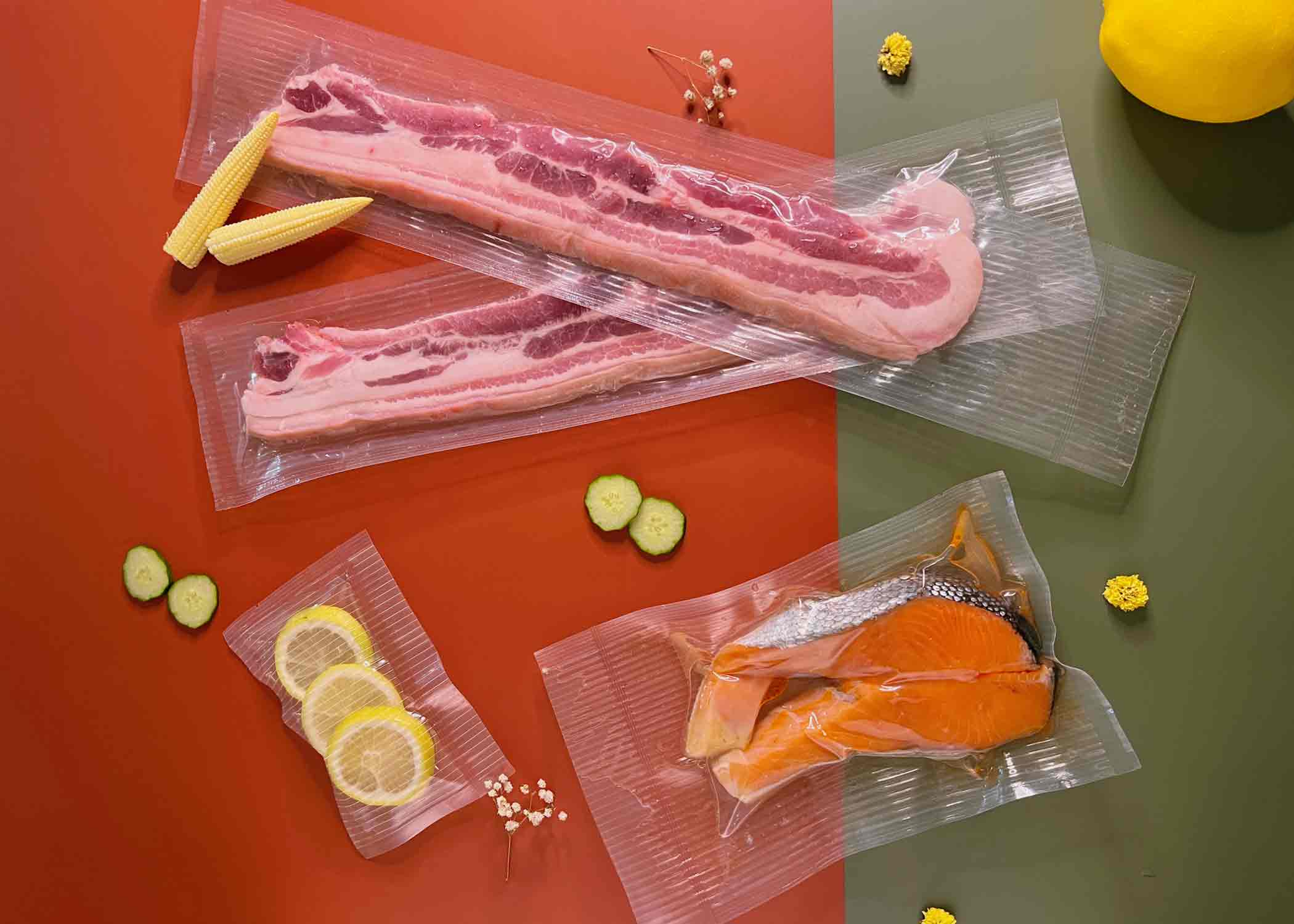
products but also protects their nutrients and original flavors. Below are the main applications of vacuum packaging in agricultural product processing: 1. Extending the Freshness of Agricultural Products For fresh vegetables, fruits, meat, and seafood,
maintaining freshness after processing is a critical concern for processing factories. Vacuum packaging effectively isolates air, reducing the exposure of ingredients to oxygen, which helps slow down oxidation and prevent spoilage. This not only extends the
freshness of agricultural products but also ensures that their taste and nutrients are preserved, meeting consumer demand for fresh products. 2. Optimal Storage for Frozen Foods Frozen agricultural products, such as frozen vegetables, fruits, and meats,
are common products in many processing factories. Using vacuum packaging can effectively prevent freezer burn, preserving the texture and nutritional value of the food. Vacuum sealing reduces moisture loss, maintains the color, taste, and texture of the product,
ensuring it remains in optimal condition even after long storage, making it suitable for distribution and sales. 3. Preservation of Dry Goods and Dried Fruits Dry fruits, dried vegetables, and other dry goods play an important role in agricultural product
processing. The preservation of these products heavily relies on vacuum packaging, which effectively prevents moisture and insect infestation, protecting the taste, aroma, and nutritional value. Whether it's nuts, dried fruits, or herbs, vacuum packaging extends
shelf life, reducing losses caused by environmental factors. 4. Meeting the Demand for Ready-to-Eat Agricultural Products As consumer demand for convenient foods rises, many agricultural product processing factories have begun producing ready-to-eat
agricultural products. These products, such as pre-packaged salad greens and frozen ready-to-eat meals, benefit from vacuum packaging, which helps retain freshness and nutrients. Vacuum packaging not only maintains the taste and texture of the products but
also enhances their market competitiveness, meeting consumers’ desires for both health and convenience. 5. Seed Packaging and Protection Agricultural product processing factories are not only concerned with food processing but also the handling of agricultural
seeds. Seed packaging requires sealing to maintain dryness, prevent moisture, and protect the seeds from environmental factors. Vacuum packaging plays a significant role in seed packaging, improving germination rates and ensuring the productivity of crops.
Conclusion Vacuum packaging technology in agricultural product processing has a wide range of applications, from preserving freshness, freezing, and dry goods storage to meeting the demand for ready-to-eat products. It plays a vital role in extending shelf
life, protecting the flavor of ingredients, and enhancing market competitiveness. As the need for diverse agricultural products and high-quality food grows, vacuum packaging continues to be an essential technology for agricultural processing.
The Magic of Vacuum Marinading: The Secret to Locking in Deliciousness ◆The Principle of Vacuum Marinading Vacuum marinading reduces the air in the bag, accelerating flavor absorption. By creating a vacuum, the pressure drops, opening the food's cellular
structure for deeper marinade penetration. This method allows you to achieve marinated results in just thirty minutes compared to several hours with traditional methods. ◆Benefits of Vacuum Marinading Shortened Marinading Time: Achieve flavor infusion
in just thirty minutes. Enhanced Flavor Depth: Deeper penetration means richer flavors with less seasoning. Preservation of Freshness: Removes oxygen, reducing oxidation and retaining nutrients. Extended Shelf Life: Vacuum-sealed food lasts longer, making
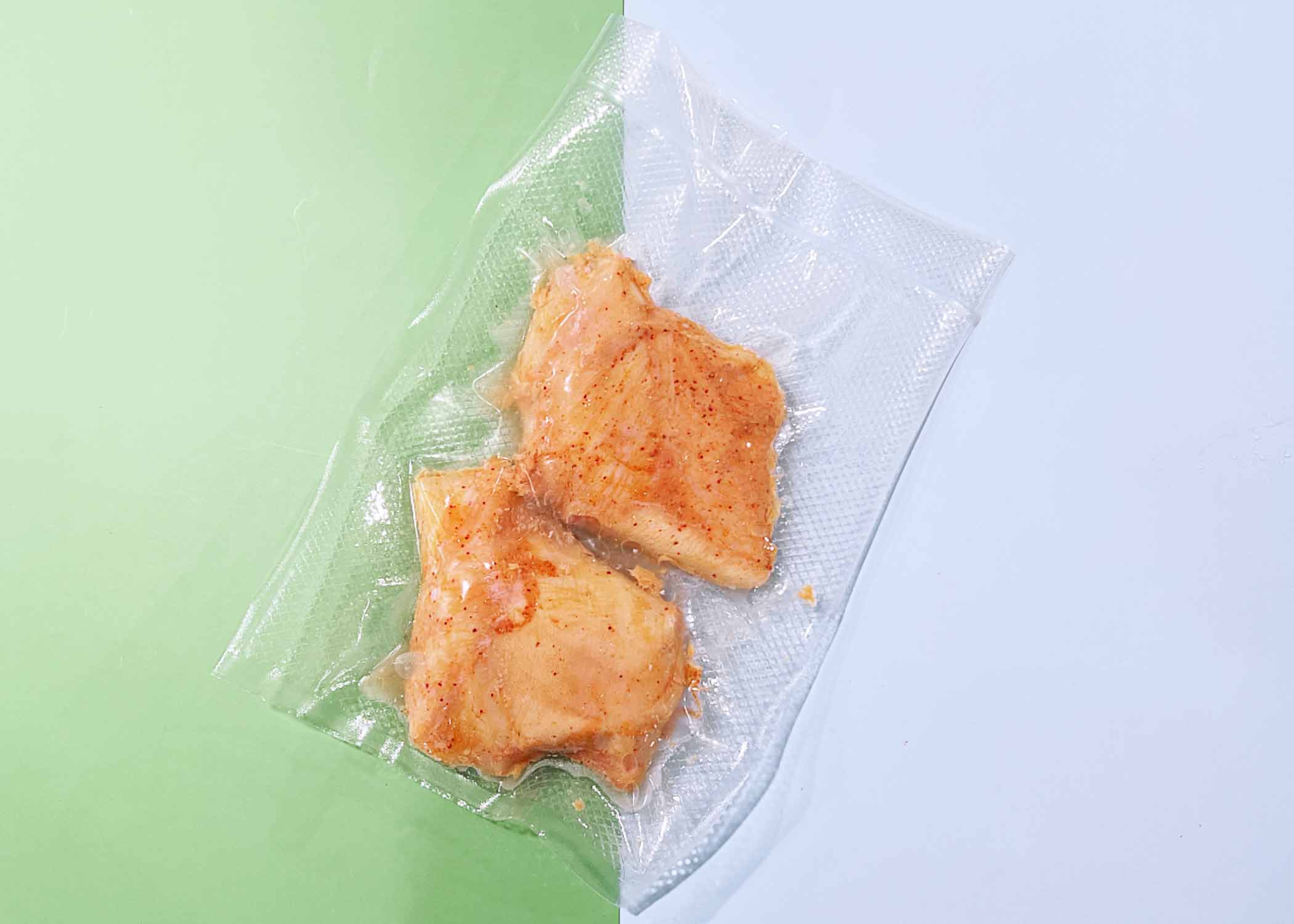
it perfect for meal prep. ◆Vacuum Marinading Meat Recipe: Honey Garlic Chicken Breast *Ingredients: 2 chicken breasts 2 tablespoons honey 3 cloves garlic (minced) 50ml soy sauce ½ teaspoon black pepper 1 teaspoon rosemary *Instructions: Combine chicken,
honey, garlic, soy sauce, pepper, and rosemary in a vacuum bag. Vacuum seal and refrigerate for 30-40 minutes. Cook by pan-frying, baking, or air-frying until golden and tender. ◆Vacuum Marinading Fruit Recipe: Plum-Infused Tomatoes *Ingredients: 300 grams
cherry tomatoes 3 tablespoons plum sauce (or plum powder) 1 tablespoon lemon juice 50ml water *Instructions: Mix tomatoes with plum sauce, lemon juice, and water in a vacuum bag. Vacuum seal and refrigerate for 30 minutes. Serve directly as a refreshing snack
or salad addition. ◆Conclusion Vacuum marinading enhances efficiency and preserves the flavor and nutrition of your ingredients. It’s a quick and effective way to enjoy delicious, flavorful meals with minimal effort!
How Do You Operate a Vacuum Sealer? In this article, we delve into the "operation methods of a vacuum sealer," providing you with a clear and understandable guide. Whether you are a newcomer to vacuum sealers or a professional seeking to improve operational
efficiency, the following steps will help you better understand how to operate a vacuum sealer. How Do You Operate a Vacuum Sealer? 1: Preparation 1. Check the Vacuum Sealer: Before starting, ensure the vacuum machine is intact and all power connections
are secure. 2. Preheat the Vacuum Machine: Preheat the vacuum sealer to the appropriate temperature according to the manufacturer's instruction manual. How Do You Operate a Vacuum Sealer? 2: Placing the Vacuum Bag 1. Open the Lid: Gently open the lid of
the vacuum sealer. 2. Insert the Sealing Bag: Place the item you need to package into a specialized vacuum sealing bag, ensuring the bag's mouth is smooth and there is enough space to place it in the sealing slot. How Do You Operate a Vacuum Sealer? 3: Vacuum
Sealing 1. Start Vacuum Sealing: Close the lid, select the appropriate vacuum sealing mode, and start the machine to begin the vacuuming process. 2. Sealing: After completing the vacuuming, the machine will automatically seal the bag to ensure it is completely
sealed inside. How Do You Operate a Vacuum Sealer? 4: Finalizing the Seal 1. Check the Seal: After vacuum sealing and sealing, open the lid and take out the sealed bag. Check if the seal is strong to ensure there are no leaks. 2. Further Processing: Store
the sealed item as needed or proceed with further packaging. How Do You Operate a Vacuum Sealer? Tips: - Maintain Cleanliness: Ensure the vacuum sealer is clean before and after use to prevent food residue or other substances from affecting the seal quality.
- Regular Inspection: Regularly check for wear and tear on the vacuum machine, especially the sealing bar, to ensure the best sealing results. By following the above "operation methods of a vacuum sealer," you can easily complete the sealing process. Whether
it's for home use or commercial production, this ensures the freshness and extended shelf life of food, or allows you to reduce the volume and lower the air content of the items you vacuum seal. Conclusion Mastering the correct "operation methods of a vacuum
sealer" can not only improve work efficiency but also ensure packaging quality and extend the preservation time of food. How Do You Operate a Vacuum Sealer?
What is Impulse Sealer Heating Element? A Heating Element is a key component in impulse sealers, which are devices used to seal plastic bags and other thermoplastic materials. Here are the main points about this element: Function: The heating element
generates heat when an electrical current passes through it, which melts the thermoplastic material to create a seal. Material: The heating elements are typically made from a nichrome wire (an alloy of nickel and chromium) because of its high resistance
to electricity and ability to withstand high temperatures without breaking down. Operation: In impulse sealers, the heat is only generated when the sealer is in operation (i.e., when the handle is pressed down), which means the wire is only heated for short
periods. This helps prevent the wire from overheating and extends its lifespan. Replacement: Over time, the heating element can wear out due to repeated heating and cooling cycles. It may need to be replaced to maintain the sealer's effectiveness. Installation:
Replacing the heating element typically involves removing the old one, cleaning the sealing bar, and then carefully installing the new one to ensure it is taut and properly positioned. This component is crucial for the proper functioning of impulse sealers,
widely used in packaging industries to ensure seals.
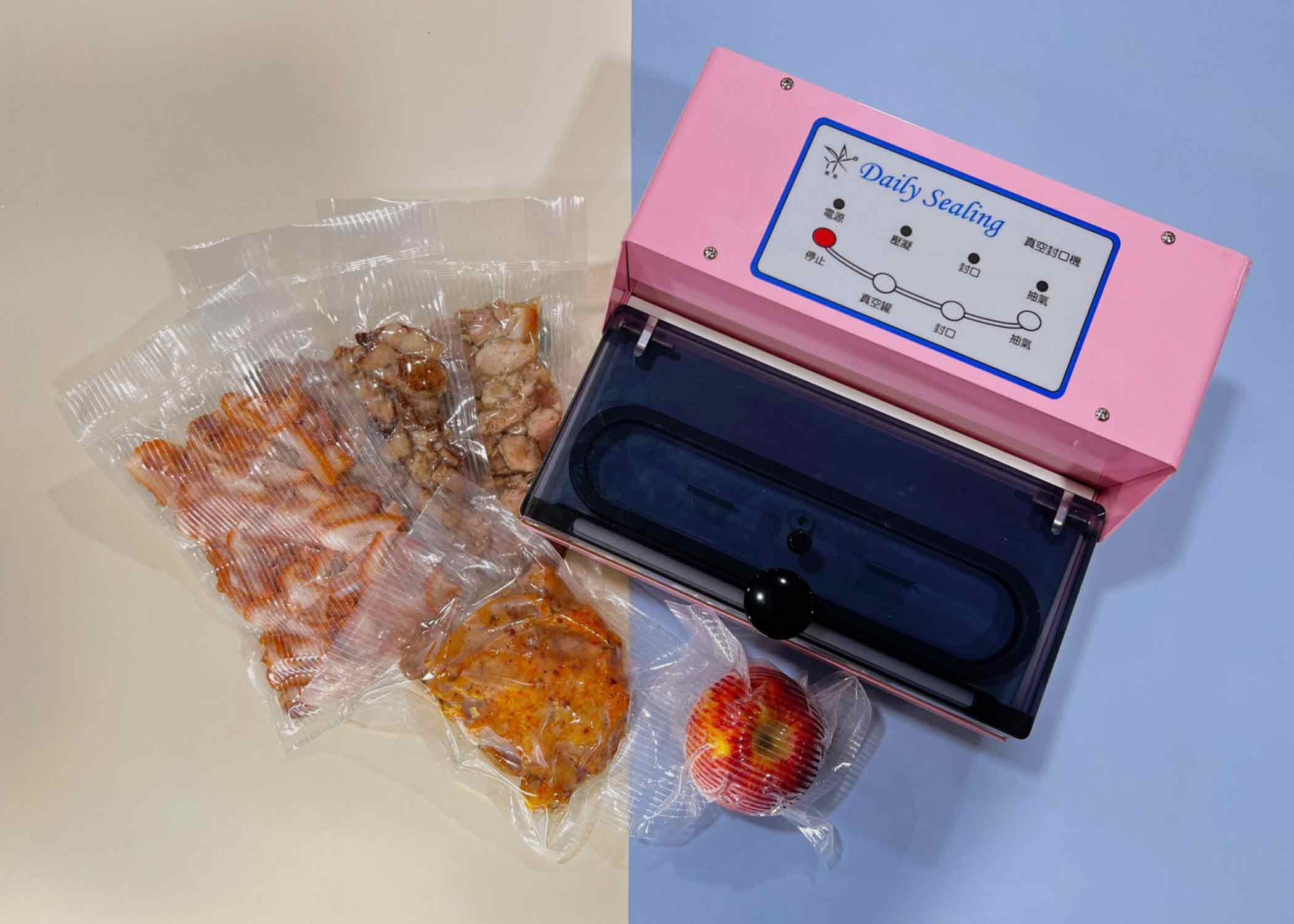
What is a Vacuum Sealer? A vacuum sealer is a device that vacuum seals by removing air from the packaging bag, primarily used for packaging food, pharmaceuticals, chemicals, and electronic products to extend their shelf life and maintain their freshness
and quality. Vacuum sealers create an oxygen-free packaging environment, effectively slowing down the oxidation, mold growth, or bacterial proliferation of products. During the vacuum sealing process, the vacuum sealer first places the product into a specially
made vacuum bag, then the machine removes the air from the bag, and finally, it heat-seals the bag opening to ensure that no air can re-enter. This method of vacuum-sealed packaging not only extends the shelf life of food but is also suitable for non-food
products that need to be stored in a sterile or specific gas environment. Features of Vacuum Sealing: - Extended Shelf Life: By creating a vacuum oxygen-free environment, vacuum sealers help extend the product's shelf life. - Maintains Freshness and Quality:
Beyond extending shelf life, vacuum packaging also maintains the freshness and taste of food. - Multifunctional Application: Suitable not only for food but also for pharmaceuticals, chemicals, and electronic products that need to be stored in a sterile or
specific gas environment. - Easy to Operate: Modern vacuum sealers are designed with user-friendliness in mind, offering simple and convenient operation. What is a Vacuum Sealer?
**Why Do You Need a Vacuum Sealer?** A vacuum sealer can extend the shelf life of food, prevent oxidation and bacterial growth, avoid freezer burn, and save storage space. Vacuum sealers are also ideal for making DIY cooking packs, convenient for outdoor
activities. **Key Points for Buying Home vs. Commercial Vacuum Sealers** 1. **Home Vacuum Sealers:** Suitable for smaller-scale food preservation and meal preparation, focusing on ease of use and compactness of the device. Home models typically have
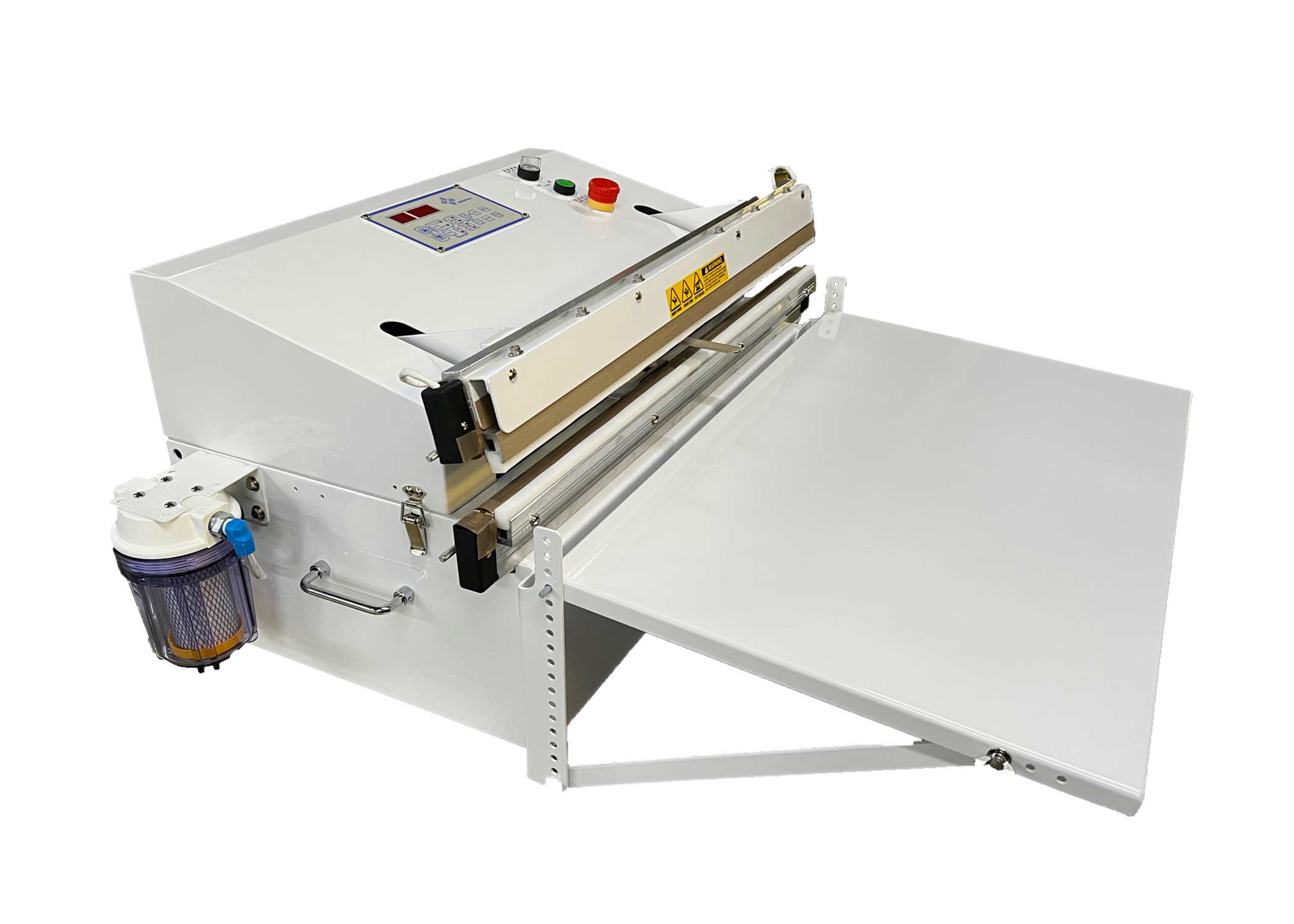
basic vacuum and sealing functions, ideal for everyday household use. 2. **Commercial Vacuum Sealers:** Designed for large-scale food processing and continuous operation over long periods. Commercial models offer higher vacuum strength and sealing efficiency,
with greater durability and reliability, making them suitable for restaurants, food processing plants, and other commercial purposes. **Vacuum Sealer Buying Guide - Voltage and Current Specifications** - **Voltage:** Choose a vacuum sealer with a voltage
specification that matches the power supply in your area (e.g., 110V or 220V). - **Current:** Verify the power and current requirements of the vacuum sealer to ensure your electrical system can support the operation of the device. **Vacuum Sealer Buying
Guide - Maintenance and Care** - **Regular Checks:** Periodically inspect the vacuum sealer's sealing strip, vacuum pump, and other wear-prone parts. - **Cleaning and Maintenance:** Follow the manufacturer's instructions for cleaning and maintenance to extend
the lifespan of your vacuum sealer. - **Professional Repairs:** For any technical issues, it's recommended to contact a professional vacuum sealer repair service, especially for high-end commercial models. **Vacuum Sealer Buying Guide - Consumables and Vacuum
Seal Bags Selection** - **Bag Material:** Choose the right material for your vacuum sealer bags, such as PE (Polyethylene) or PET (Polyethylene Terephthalate). - **Bag Size and Type:** Select the appropriate bag size and type based on the size and type of
items you are packaging, such as flat bags, stand-up bags, etc. - **Bag Quality:** Using high-quality vacuum seal bags can ensure better preservation effects and avoid issues during the sealing process. Vacuum Sealer Buying Guide
Why can’t the vacuum effect be maintained after using the vacuum sealer? The following are possible reasons. Users can check by themselves first. 1. The wrong material of packing bags: the material of plastic bags is PE, PP which can’t maintain the vacuum
effect. The air will enter into the bags after the vacuum sealer finishing working. It is recommended to choose Nylon bags, Aluminum foil bags which can maintain the vacuum effect for a long time. 2. The sealing line is not sealed well: please check whether
the sealing line is complete or not. If the sealing line is not closed, the air will run into the bags. (1) If the bag is too thick, and the vacuum sealer wasn't set for enough sealing time, the heat wasn't enough to seal the bag. If the vacuum sealer can
adjust the sealing time, users can add more seconds to test whether the sealing is firm. If the vacuum sealer can't adjust the sealing time, users may need to replace the thinner bag or buy another vacuum sealer with setting sealing time function. (2)
There have also been cases where the bottom seal of the original bag was not sealed properly. In this case, seal the bottom sealing line again before vacuuming. 3. Vacuum bag styles are not suitable for vacuum sealers: non-nozzle vacuum sealers can't
be used for vacuum flat bags. Therefore, if you buy a non-nozzle vacuum sealer, you must pay attention to the style of the bag you use. This vacuum sealer is a must-to-use vacuum embossed bag or Nylon gusset vacuum bag. It is recommended that when purchasing
a vacuum sealing machine or vacuum bag, it is more appropriate to confirm with the supplier first. 4. The vacuum bag is broken: (1) If the package article has acute angles, be careful not to cut the vacuum bag when putting it into the vacuum bag. (2)
Vacuum sealer in the process of pumping, when the bag is shrunk to the package, it may be punctured by the packaging.
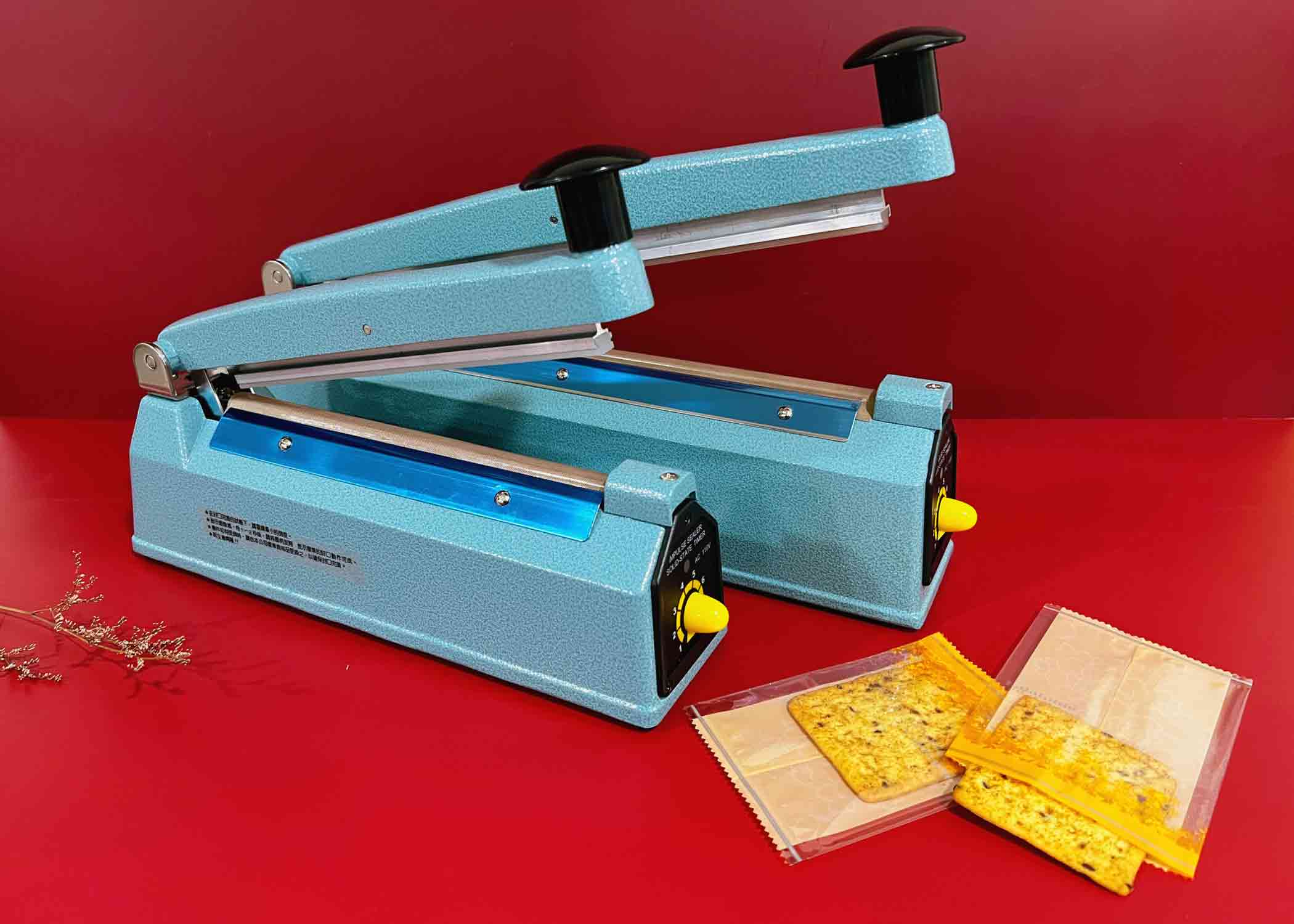
Q&A How to make the sealing line of the impulse sealer even and beautiful? Q: Users often want to know why the sealing line is crooked and thin, rather than the flat and complete 2mm or 5mm wide sealing line tested by the manufacturer. A: The key point
is cooling time. For impulse sealers, whether hand type or foot-operated type, both the sealing and cooling time are manually controlled. In order to shorten the package time, many users will ignore the cooling time directly. As soon as the heating time is
up and the heating light goes off, they release the handle or foot pedal. This will result in uneven sealing lines. Q: How long does the cooling time need to be? A: It is recommended to refer to the sealing time. If the heating time is longer, the cooling
time should be increased accordingly, but not necessarily in a proportional manner. It still needs to be tested. Based on the experience, if using regular bags and the sealing time is not set for a long time, it is recommended that customers press for an additional
1 second after the heating light goes off (the editor usually counts to 3 in their mind) before releasing the handle or foot pedal. Q: If I don't care about the appearance of the sealing line, can I ignore the cooling time? A: It is still recommended to
have some cooling time. A complete sealing line is not only visually appealing to customers, but the most important, it ensures the bag is securely sealed. The impulse sealer uses heat to stick the bag mouth and seal it tightly, and then cools the sealing
line by pressing the bag. This is how the sealing line can be both firm and smooth. Without cooling time to cool the sealing line, the sealing line of the bag mouth may be thin and easily melt and break, which could lead to bag rupture and increase the workload
instead.
We use cookies to provide a better experience. By proceeding, you agree to our PRIVACY POLICY, including the use of cookies and other tracking technologies.ACCEPT
 2024/12/19Vacuum Packaging in Agricultural Product Processing: Extending Freshness and Enhancing QuaVacuum Packaging in Agricultural Product Processing: Extending Freshness and Enhancing Quality In the agricultural product processing industry, one of the key challenges is preserving the freshness of ingredients, extending shelf life, and enhancing product quality. With the advancement of vacuum packaging technology, more and more agricultural product processing factories are adopting this technique, achieving remarkable results. Vacuum packaging not only effectively extends the shelf life of agricultural products but also protects their nutrients and original flavors. Below are the main applications of vacuum packaging in agricultural product processing: 1. Extending the Freshness of Agricultural Products For fresh vegetables, fruits, meat, and seafood, maintaining freshness after processing is a critical concern for processing factories. Vacuum packaging effectively isolates air, reducing the exposure of ingredients to oxygen, which helps slow down oxidation and prevent spoilage. This not only extends the freshness of agricultural products but also ensures that their taste and nutrients are preserved, meeting consumer demand for fresh products. 2. Optimal Storage for Frozen Foods Frozen agricultural products, such as frozen vegetables, fruits, and meats, are common products in many processing factories. Using vacuum packaging can effectively prevent freezer burn, preserving the texture and nutritional value of the food. Vacuum sealing reduces moisture loss, maintains the color, taste, and texture of the product, ensuring it remains in optimal condition even after long storage, making it suitable for distribution and sales. 3. Preservation of Dry Goods and Dried Fruits Dry fruits, dried vegetables, and other dry goods play an important role in agricultural product processing. The preservation of these products heavily relies on vacuum packaging, which effectively prevents moisture and insect infestation, protecting the taste, aroma, and nutritional value. Whether it's nuts, dried fruits, or herbs, vacuum packaging extends shelf life, reducing losses caused by environmental factors. 4. Meeting the Demand for Ready-to-Eat Agricultural Products As consumer demand for convenient foods rises, many agricultural product processing factories have begun producing ready-to-eat agricultural products. These products, such as pre-packaged salad greens and frozen ready-to-eat meals, benefit from vacuum packaging, which helps retain freshness and nutrients. Vacuum packaging not only maintains the taste and texture of the products but also enhances their market competitiveness, meeting consumers’ desires for both health and convenience. 5. Seed Packaging and Protection Agricultural product processing factories are not only concerned with food processing but also the handling of agricultural seeds. Seed packaging requires sealing to maintain dryness, prevent moisture, and protect the seeds from environmental factors. Vacuum packaging plays a significant role in seed packaging, improving germination rates and ensuring the productivity of crops. Conclusion Vacuum packaging technology in agricultural product processing has a wide range of applications, from preserving freshness, freezing, and dry goods storage to meeting the demand for ready-to-eat products. It plays a vital role in extending shelf life, protecting the flavor of ingredients, and enhancing market competitiveness. As the need for diverse agricultural products and high-quality food grows, vacuum packaging continues to be an essential technology for agricultural processing.MORE
 2024/12/6The Magic of Vacuum Marinading: The Secret to Locking in DeliciousnessThe Magic of Vacuum Marinading: The Secret to Locking in Deliciousness ◆The Principle of Vacuum Marinading Vacuum marinading reduces the air in the bag, accelerating flavor absorption. By creating a vacuum, the pressure drops, opening the food's cellular structure for deeper marinade penetration. This method allows you to achieve marinated results in just thirty minutes compared to several hours with traditional methods. ◆Benefits of Vacuum Marinading Shortened Marinading Time: Achieve flavor infusion in just thirty minutes. Enhanced Flavor Depth: Deeper penetration means richer flavors with less seasoning. Preservation of Freshness: Removes oxygen, reducing oxidation and retaining nutrients. Extended Shelf Life: Vacuum-sealed food lasts longer, making it perfect for meal prep. ◆Vacuum Marinading Meat Recipe: Honey Garlic Chicken Breast *Ingredients: 2 chicken breasts 2 tablespoons honey 3 cloves garlic (minced) 50ml soy sauce ½ teaspoon black pepper 1 teaspoon rosemary *Instructions: Combine chicken, honey, garlic, soy sauce, pepper, and rosemary in a vacuum bag. Vacuum seal and refrigerate for 30-40 minutes. Cook by pan-frying, baking, or air-frying until golden and tender. ◆Vacuum Marinading Fruit Recipe: Plum-Infused Tomatoes *Ingredients: 300 grams cherry tomatoes 3 tablespoons plum sauce (or plum powder) 1 tablespoon lemon juice 50ml water *Instructions: Mix tomatoes with plum sauce, lemon juice, and water in a vacuum bag. Vacuum seal and refrigerate for 30 minutes. Serve directly as a refreshing snack or salad addition. ◆Conclusion Vacuum marinading enhances efficiency and preserves the flavor and nutrition of your ingredients. It’s a quick and effective way to enjoy delicious, flavorful meals with minimal effort!MORE
 2024/11/15How Do You Operate a Vacuum Sealer?How Do You Operate a Vacuum Sealer? In this article, we delve into the "operation methods of a vacuum sealer," providing you with a clear and understandable guide. Whether you are a newcomer to vacuum sealers or a professional seeking to improve operational efficiency, the following steps will help you better understand how to operate a vacuum sealer. How Do You Operate a Vacuum Sealer? 1: Preparation 1. Check the Vacuum Sealer: Before starting, ensure the vacuum machine is intact and all power connections are secure. 2. Preheat the Vacuum Machine: Preheat the vacuum sealer to the appropriate temperature according to the manufacturer's instruction manual. How Do You Operate a Vacuum Sealer? 2: Placing the Vacuum Bag 1. Open the Lid: Gently open the lid of the vacuum sealer. 2. Insert the Sealing Bag: Place the item you need to package into a specialized vacuum sealing bag, ensuring the bag's mouth is smooth and there is enough space to place it in the sealing slot. How Do You Operate a Vacuum Sealer? 3: Vacuum Sealing 1. Start Vacuum Sealing: Close the lid, select the appropriate vacuum sealing mode, and start the machine to begin the vacuuming process. 2. Sealing: After completing the vacuuming, the machine will automatically seal the bag to ensure it is completely sealed inside. How Do You Operate a Vacuum Sealer? 4: Finalizing the Seal 1. Check the Seal: After vacuum sealing and sealing, open the lid and take out the sealed bag. Check if the seal is strong to ensure there are no leaks. 2. Further Processing: Store the sealed item as needed or proceed with further packaging. How Do You Operate a Vacuum Sealer? Tips: - Maintain Cleanliness: Ensure the vacuum sealer is clean before and after use to prevent food residue or other substances from affecting the seal quality. - Regular Inspection: Regularly check for wear and tear on the vacuum machine, especially the sealing bar, to ensure the best sealing results. By following the above "operation methods of a vacuum sealer," you can easily complete the sealing process. Whether it's for home use or commercial production, this ensures the freshness and extended shelf life of food, or allows you to reduce the volume and lower the air content of the items you vacuum seal. Conclusion Mastering the correct "operation methods of a vacuum sealer" can not only improve work efficiency but also ensure packaging quality and extend the preservation time of food. How Do You Operate a Vacuum Sealer?MORE
 2024/11/5What is Impulse Sealer Heating Element?What is Impulse Sealer Heating Element? A Heating Element is a key component in impulse sealers, which are devices used to seal plastic bags and other thermoplastic materials. Here are the main points about this element: Function: The heating element generates heat when an electrical current passes through it, which melts the thermoplastic material to create a seal. Material: The heating elements are typically made from a nichrome wire (an alloy of nickel and chromium) because of its high resistance to electricity and ability to withstand high temperatures without breaking down. Operation: In impulse sealers, the heat is only generated when the sealer is in operation (i.e., when the handle is pressed down), which means the wire is only heated for short periods. This helps prevent the wire from overheating and extends its lifespan. Replacement: Over time, the heating element can wear out due to repeated heating and cooling cycles. It may need to be replaced to maintain the sealer's effectiveness. Installation: Replacing the heating element typically involves removing the old one, cleaning the sealing bar, and then carefully installing the new one to ensure it is taut and properly positioned. This component is crucial for the proper functioning of impulse sealers, widely used in packaging industries to ensure seals.MORE
 2024/11/5What is a Vacuum Sealer?What is a Vacuum Sealer? A vacuum sealer is a device that vacuum seals by removing air from the packaging bag, primarily used for packaging food, pharmaceuticals, chemicals, and electronic products to extend their shelf life and maintain their freshness and quality. Vacuum sealers create an oxygen-free packaging environment, effectively slowing down the oxidation, mold growth, or bacterial proliferation of products. During the vacuum sealing process, the vacuum sealer first places the product into a specially made vacuum bag, then the machine removes the air from the bag, and finally, it heat-seals the bag opening to ensure that no air can re-enter. This method of vacuum-sealed packaging not only extends the shelf life of food but is also suitable for non-food products that need to be stored in a sterile or specific gas environment. Features of Vacuum Sealing: - Extended Shelf Life: By creating a vacuum oxygen-free environment, vacuum sealers help extend the product's shelf life. - Maintains Freshness and Quality: Beyond extending shelf life, vacuum packaging also maintains the freshness and taste of food. - Multifunctional Application: Suitable not only for food but also for pharmaceuticals, chemicals, and electronic products that need to be stored in a sterile or specific gas environment. - Easy to Operate: Modern vacuum sealers are designed with user-friendliness in mind, offering simple and convenient operation. What is a Vacuum Sealer?MORE
.jpg) 2024/8/15Vacuum Sealer Buying Guide**Why Do You Need a Vacuum Sealer?** A vacuum sealer can extend the shelf life of food, prevent oxidation and bacterial growth, avoid freezer burn, and save storage space. Vacuum sealers are also ideal for making DIY cooking packs, convenient for outdoor activities. **Key Points for Buying Home vs. Commercial Vacuum Sealers** 1. **Home Vacuum Sealers:** Suitable for smaller-scale food preservation and meal preparation, focusing on ease of use and compactness of the device. Home models typically have basic vacuum and sealing functions, ideal for everyday household use. 2. **Commercial Vacuum Sealers:** Designed for large-scale food processing and continuous operation over long periods. Commercial models offer higher vacuum strength and sealing efficiency, with greater durability and reliability, making them suitable for restaurants, food processing plants, and other commercial purposes. **Vacuum Sealer Buying Guide - Voltage and Current Specifications** - **Voltage:** Choose a vacuum sealer with a voltage specification that matches the power supply in your area (e.g., 110V or 220V). - **Current:** Verify the power and current requirements of the vacuum sealer to ensure your electrical system can support the operation of the device. **Vacuum Sealer Buying Guide - Maintenance and Care** - **Regular Checks:** Periodically inspect the vacuum sealer's sealing strip, vacuum pump, and other wear-prone parts. - **Cleaning and Maintenance:** Follow the manufacturer's instructions for cleaning and maintenance to extend the lifespan of your vacuum sealer. - **Professional Repairs:** For any technical issues, it's recommended to contact a professional vacuum sealer repair service, especially for high-end commercial models. **Vacuum Sealer Buying Guide - Consumables and Vacuum Seal Bags Selection** - **Bag Material:** Choose the right material for your vacuum sealer bags, such as PE (Polyethylene) or PET (Polyethylene Terephthalate). - **Bag Size and Type:** Select the appropriate bag size and type based on the size and type of items you are packaging, such as flat bags, stand-up bags, etc. - **Bag Quality:** Using high-quality vacuum seal bags can ensure better preservation effects and avoid issues during the sealing process. Vacuum Sealer Buying GuideMORE
2024/8/15Vacuum Sealer Buying Guide**Why Do You Need a Vacuum Sealer?** A vacuum sealer can extend the shelf life of food, prevent oxidation and bacterial growth, avoid freezer burn, and save storage space. Vacuum sealers are also ideal for making DIY cooking packs, convenient for outdoor activities. **Key Points for Buying Home vs. Commercial Vacuum Sealers** 1. **Home Vacuum Sealers:** Suitable for smaller-scale food preservation and meal preparation, focusing on ease of use and compactness of the device. Home models typically have basic vacuum and sealing functions, ideal for everyday household use. 2. **Commercial Vacuum Sealers:** Designed for large-scale food processing and continuous operation over long periods. Commercial models offer higher vacuum strength and sealing efficiency, with greater durability and reliability, making them suitable for restaurants, food processing plants, and other commercial purposes. **Vacuum Sealer Buying Guide - Voltage and Current Specifications** - **Voltage:** Choose a vacuum sealer with a voltage specification that matches the power supply in your area (e.g., 110V or 220V). - **Current:** Verify the power and current requirements of the vacuum sealer to ensure your electrical system can support the operation of the device. **Vacuum Sealer Buying Guide - Maintenance and Care** - **Regular Checks:** Periodically inspect the vacuum sealer's sealing strip, vacuum pump, and other wear-prone parts. - **Cleaning and Maintenance:** Follow the manufacturer's instructions for cleaning and maintenance to extend the lifespan of your vacuum sealer. - **Professional Repairs:** For any technical issues, it's recommended to contact a professional vacuum sealer repair service, especially for high-end commercial models. **Vacuum Sealer Buying Guide - Consumables and Vacuum Seal Bags Selection** - **Bag Material:** Choose the right material for your vacuum sealer bags, such as PE (Polyethylene) or PET (Polyethylene Terephthalate). - **Bag Size and Type:** Select the appropriate bag size and type based on the size and type of items you are packaging, such as flat bags, stand-up bags, etc. - **Bag Quality:** Using high-quality vacuum seal bags can ensure better preservation effects and avoid issues during the sealing process. Vacuum Sealer Buying GuideMORE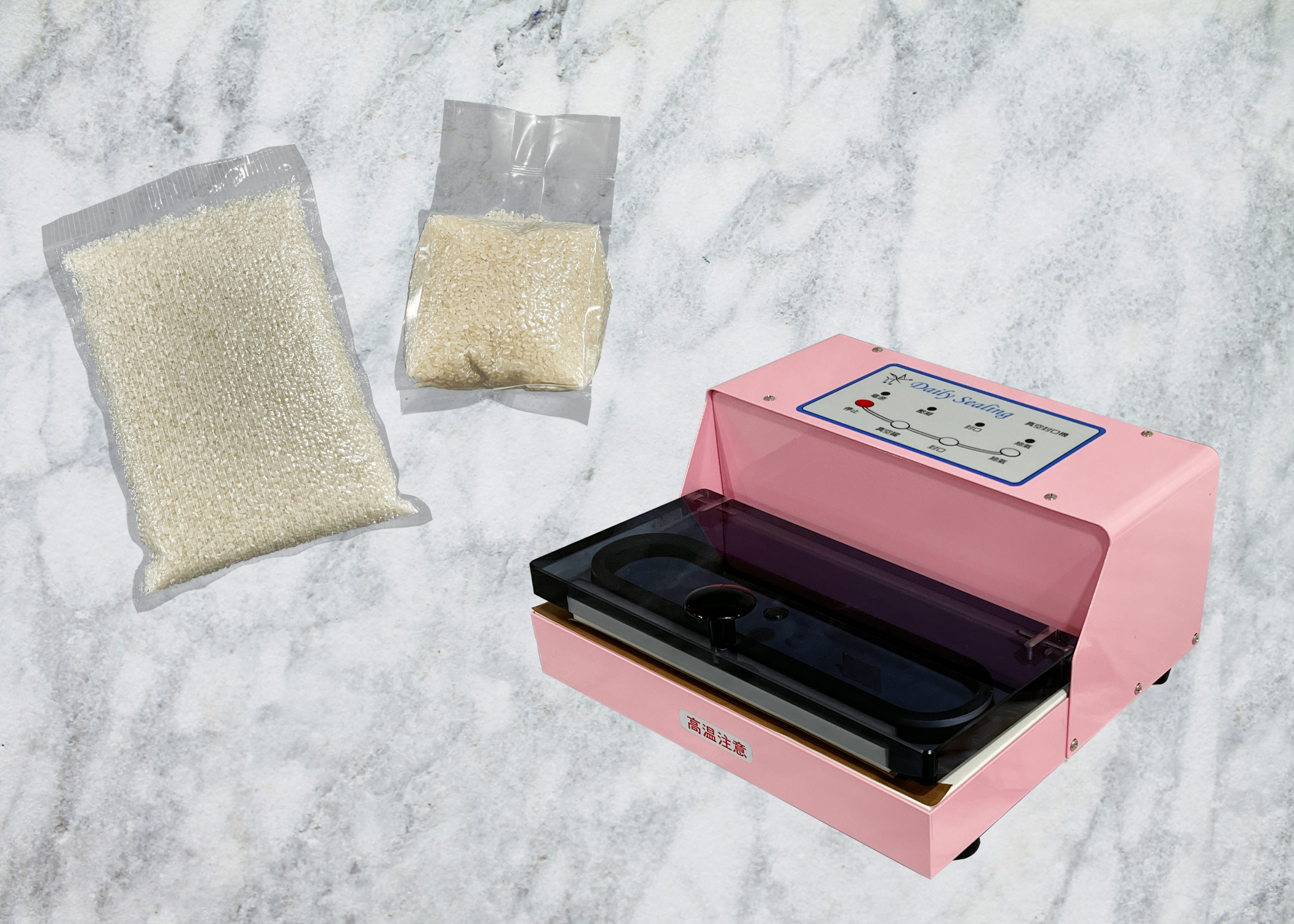 2024/7/12Q&A-Why can’t the vacuum effect be maintained after using the vacuum sealer?Why can’t the vacuum effect be maintained after using the vacuum sealer? The following are possible reasons. Users can check by themselves first. 1. The wrong material of packing bags: the material of plastic bags is PE, PP which can’t maintain the vacuum effect. The air will enter into the bags after the vacuum sealer finishing working. It is recommended to choose Nylon bags, Aluminum foil bags which can maintain the vacuum effect for a long time. 2. The sealing line is not sealed well: please check whether the sealing line is complete or not. If the sealing line is not closed, the air will run into the bags. (1) If the bag is too thick, and the vacuum sealer wasn't set for enough sealing time, the heat wasn't enough to seal the bag. If the vacuum sealer can adjust the sealing time, users can add more seconds to test whether the sealing is firm. If the vacuum sealer can't adjust the sealing time, users may need to replace the thinner bag or buy another vacuum sealer with setting sealing time function. (2) There have also been cases where the bottom seal of the original bag was not sealed properly. In this case, seal the bottom sealing line again before vacuuming. 3. Vacuum bag styles are not suitable for vacuum sealers: non-nozzle vacuum sealers can't be used for vacuum flat bags. Therefore, if you buy a non-nozzle vacuum sealer, you must pay attention to the style of the bag you use. This vacuum sealer is a must-to-use vacuum embossed bag or Nylon gusset vacuum bag. It is recommended that when purchasing a vacuum sealing machine or vacuum bag, it is more appropriate to confirm with the supplier first. 4. The vacuum bag is broken: (1) If the package article has acute angles, be careful not to cut the vacuum bag when putting it into the vacuum bag. (2) Vacuum sealer in the process of pumping, when the bag is shrunk to the package, it may be punctured by the packaging.MORE
 2024/7/5Q&A How to make the sealing line of the impulse sealer even and beautiful?Q&A How to make the sealing line of the impulse sealer even and beautiful? Q: Users often want to know why the sealing line is crooked and thin, rather than the flat and complete 2mm or 5mm wide sealing line tested by the manufacturer. A: The key point is cooling time. For impulse sealers, whether hand type or foot-operated type, both the sealing and cooling time are manually controlled. In order to shorten the package time, many users will ignore the cooling time directly. As soon as the heating time is up and the heating light goes off, they release the handle or foot pedal. This will result in uneven sealing lines. Q: How long does the cooling time need to be? A: It is recommended to refer to the sealing time. If the heating time is longer, the cooling time should be increased accordingly, but not necessarily in a proportional manner. It still needs to be tested. Based on the experience, if using regular bags and the sealing time is not set for a long time, it is recommended that customers press for an additional 1 second after the heating light goes off (the editor usually counts to 3 in their mind) before releasing the handle or foot pedal. Q: If I don't care about the appearance of the sealing line, can I ignore the cooling time? A: It is still recommended to have some cooling time. A complete sealing line is not only visually appealing to customers, but the most important, it ensures the bag is securely sealed. The impulse sealer uses heat to stick the bag mouth and seal it tightly, and then cools the sealing line by pressing the bag. This is how the sealing line can be both firm and smooth. Without cooling time to cool the sealing line, the sealing line of the bag mouth may be thin and easily melt and break, which could lead to bag rupture and increase the workload instead.MORE