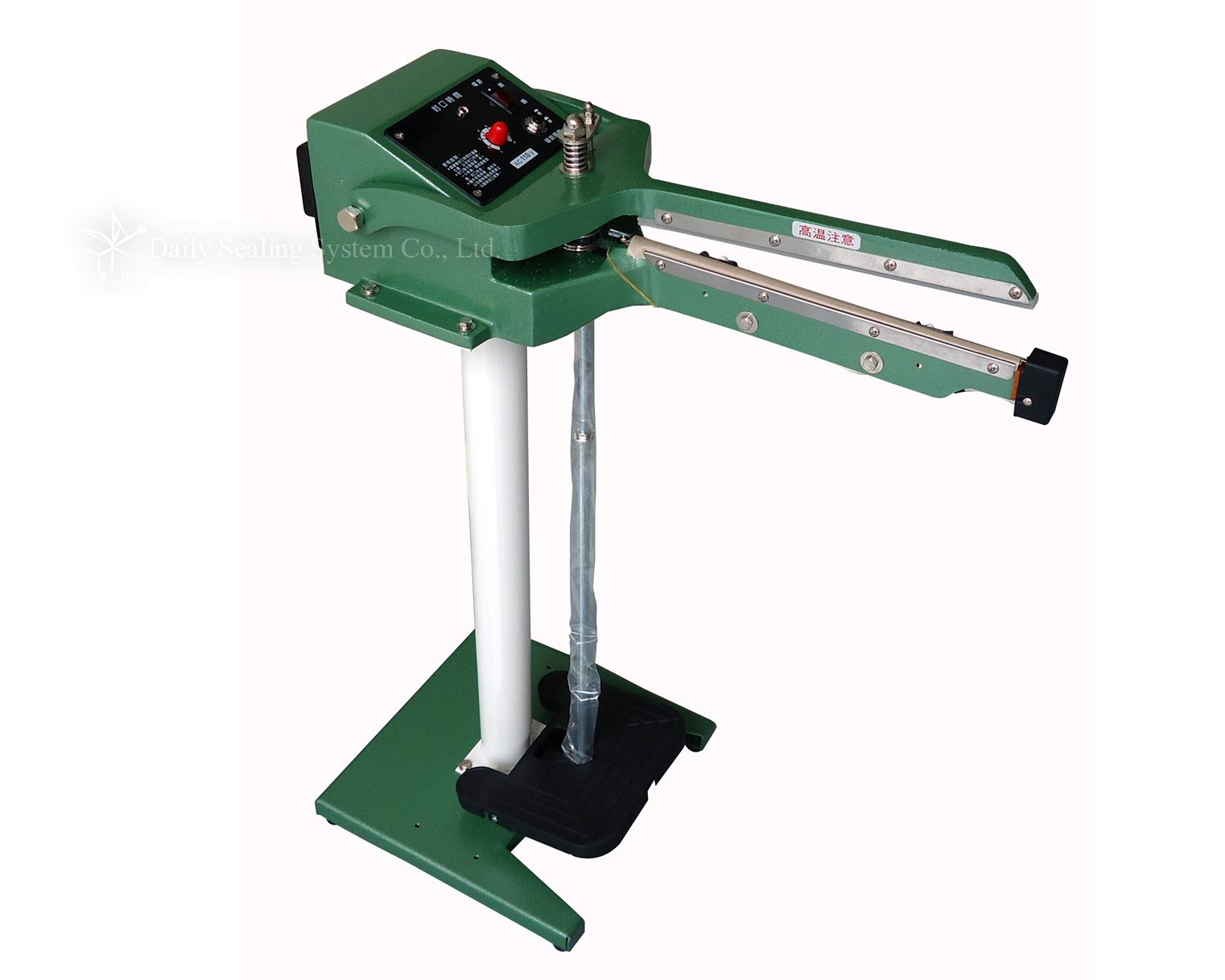
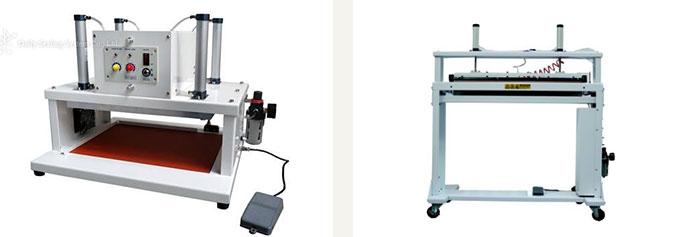
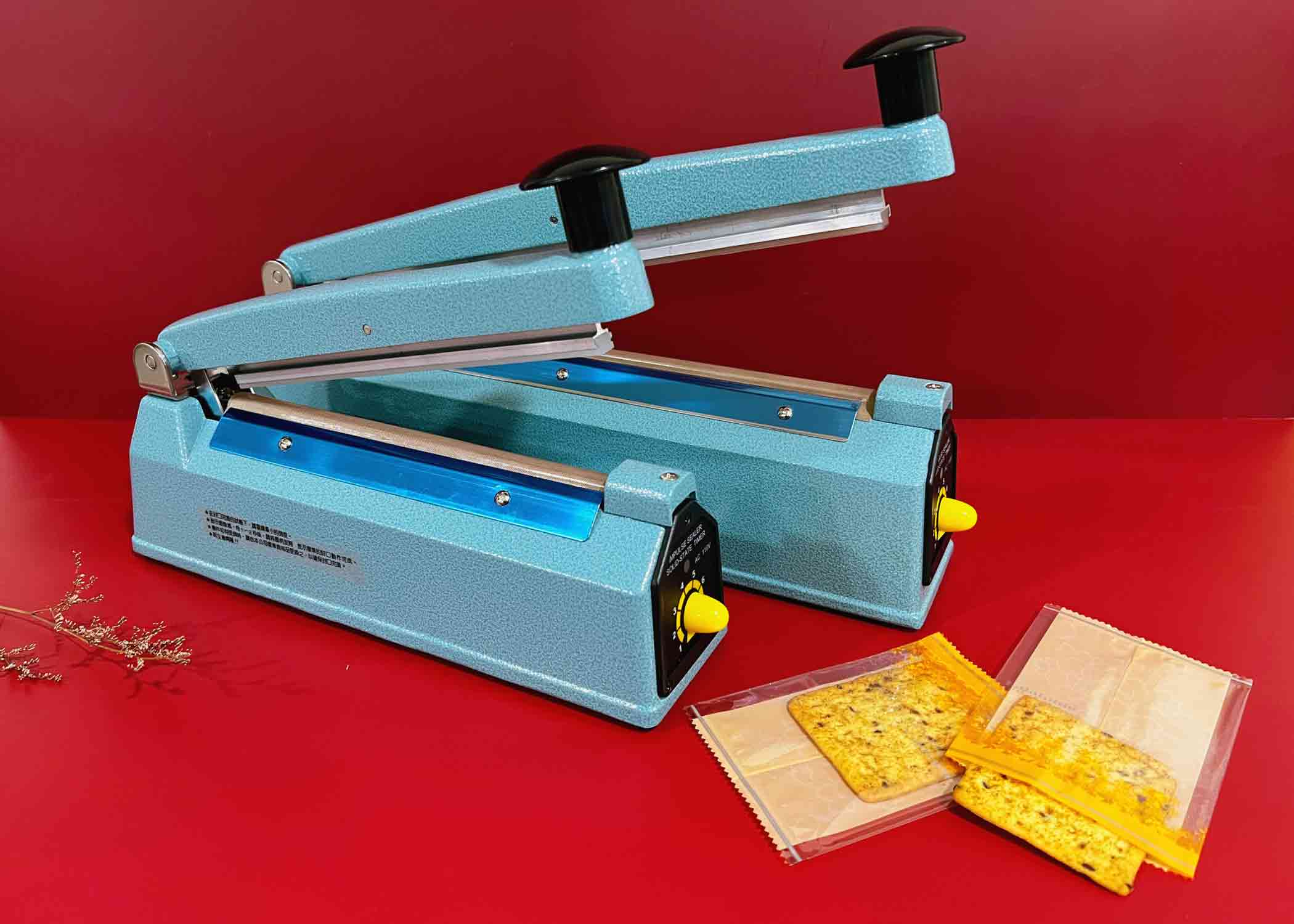
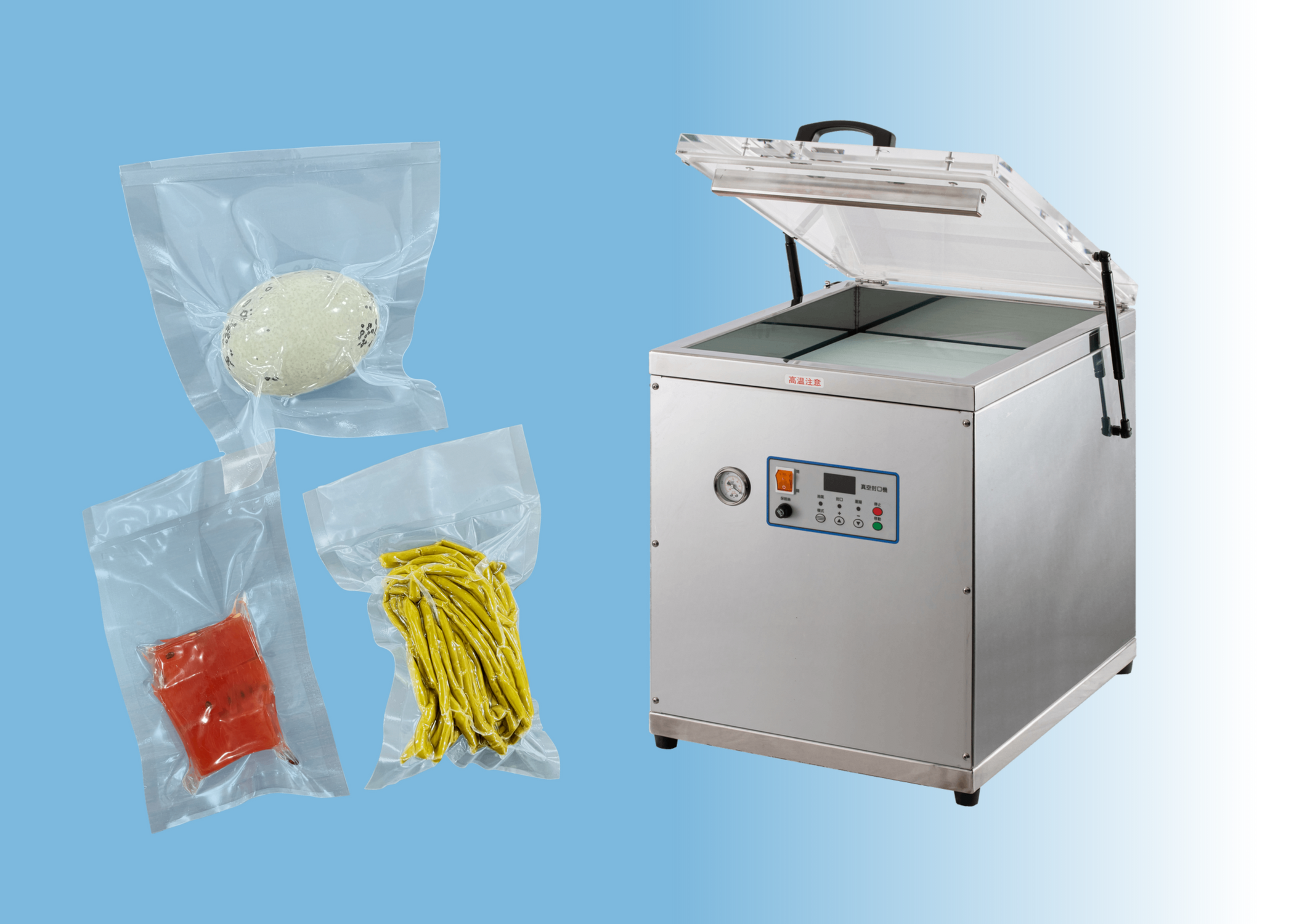
DS-280F Foot type impulse sealer
DS-280F
28cm Foot type impulse sealer

•Sealing length: 30cm.

•Suitable for PP, PE, PVC, NY etc. material bags.

•Timer control

  • Detail
  • Feature

Foot type impulse sealer:

• No preheating required.

• Side sealing.

• Available with PE, PP, PVC, OPP, POF…plastic bag.

• Sealing width: 2.7mm or 5mm.

• Additional accessories:

    (1) Can add an electric magnet or pneumatic eqipment for pedal switch controled. 

    (2) Date coder.

• For other lengths sealing machine, please contact us.


Specification
Model No. DS-280F
Sealing type Impulse Heat
Type
Voltage/Ampere  100V,110V,120V,220V,240V
Power
Vacuum capacity
Max.sealing Max:300.0 x 2.7 mm or 300.0 x 5.0 mm
Vacuum time
Sealing time
Cooling time
Machine weight 20.00 kgs
Machine size 630 x 340 x 900 mm
Vacuum flow
Pump capacity
Pump type
Chamber size
Sealing width
Sealing and conveyor speed
Bag total thickness
Bag size
Sealing Temperate
Conveyor width
Conveyor height adjusting range
Conveyor loading weight
Machine size
Packing
Warm up time
Heating
Temperature
Adjusting height of working table
Width of ribbon
Size of letter
Number of letters
Printing area
Size of metal bar
Quantity of knives
Length of knives
Max. consumption electric power
Oscillation frequency
Max. welding
Film position
Size of heating board
Max. size of film
Inner core
Packing size
Working table size
PS2
PS3
Certification
Machine material
Suitable material of bag
Suitable for packing products
Spare parts
Warranty
Origin
Rated current
Exciting current
Normal rated power
Resistance
Anti pressure test
Orifice
Port Size
Working pressure
Operation Temperature
Temperature class of insulation
Material of valve body
Why Choosing Dailysealing
Parts and material quality control
  • Heating elements are from Japan.
  • Motor, Transformers, PCB and vacuum bags are made in Taiwan.
Strict quality control
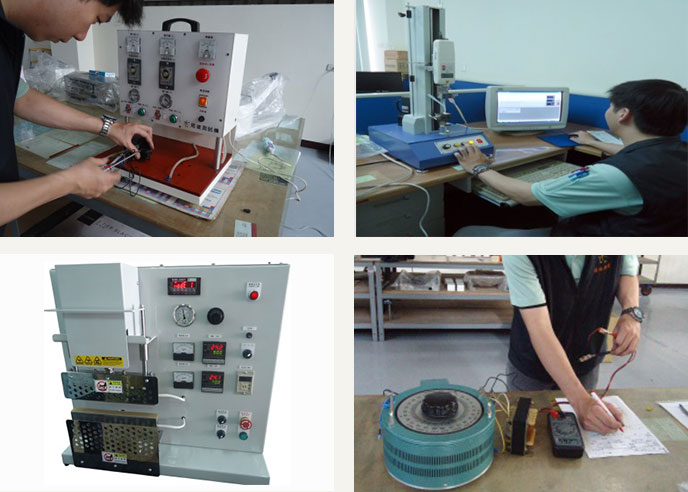
  • 100% product inspection: The inspection is included functions and appearance of sealing machines.
  • Tensile strength test to ensure the sealing line tensile strength value reaches the customer standard.
  • Electric leakage test: Puncture and insulation test.
  • Our production and inspection are all based on ISO 9001.
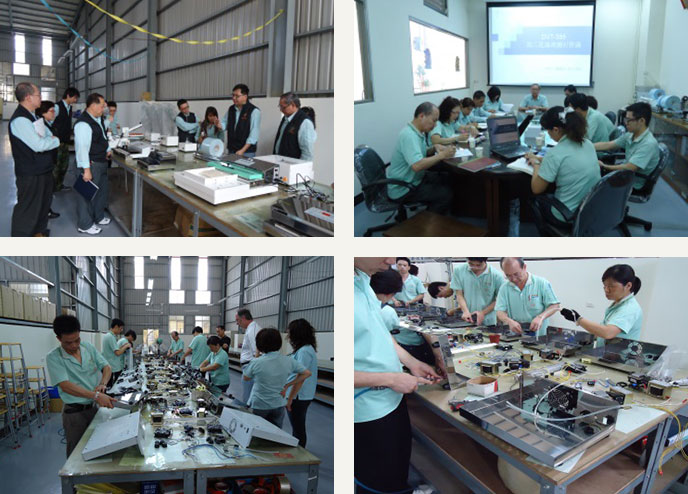
Professional packaging and sealing machine factory
  • Produce many kinds sealing machines and ODM/OEM products and provide custom-made services.
  • More than 30 year experiences in packaging machines industry.
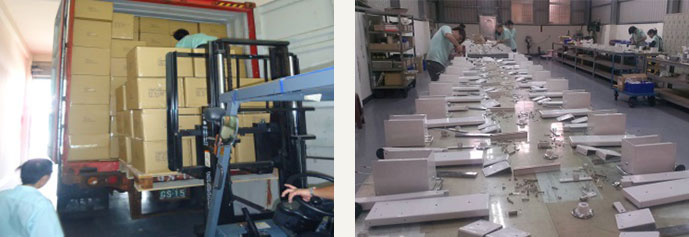
  • Sell sealing machines to America, Europe, Latin America and Asia.
  • 85% products in stocks, so we can deliver the products quickly.
  • The production process is based on SOP to ensure the quality of sealing machines consistently.
Complete range of specifications of sealing machines
  • Complete range of specifications of sealing machines.
  • Many kinds of sealing machines and consumptive materials in stocks, so customers can do one-stop shopping here.
  • The customers include Biotechnology companies, Medical equipment companies, Food industry, Electronics industry, Handmade soap industry and other industry..
Custom-made sealing machine service
  • Custom-made sealing machine service
  • Designs of the special sealing machine for irregular shape sealing line, such as U-shape sealing line and L-shape sealing line.
  • Different width of sealing line could be custom-made to meet customer requirements.
After-sales service of professional sealing machine
  • Provide the professional service for repair the broken sealing machine immediately.
  • The sufficient supply of parts stock, so don’t worry about the parts replace.
  • Some parts of sealing machine are used in common specifications, so it is easy to get the parts for replace.
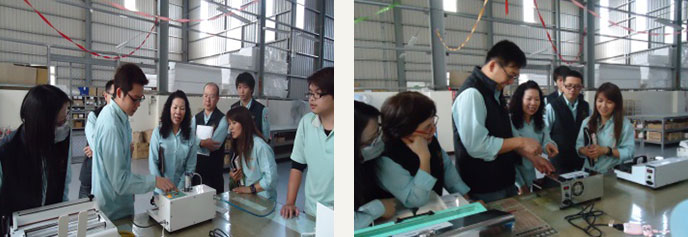
Exhibitions and trade shows
News
How to Choose the Right Sealing Machine: A Complete Guide Based on Product Type
2026/4/29
How to Choose the Right Sealing Machine: A Complete Guide Based on Product Type
How to Choose a Bag Sealing Machine: Material, Product Type & Production Volume Guide With dozens of sealing machine types on the market — impulse sealers, band sealers, vacuum sealers, foot sealers, semi-automatic sealers, and more — selecting the wrong equipment leads to poor seal quality, reduced throughput, and premature machine wear. This sealing machine buying guide is designed specifically for B2B buyers: read through once and you'll know exactly which type of bag sealing machine fits your product, material, and production volume. Quick Answer: How to Choose a Sealing Machine — 4 Key Selection Criteria The most important factors in any sealing machine selection guide are: product content type, bag or pouch material, daily production volume, and whether vacuum sealing is required. These four criteria determine the right sealing machine for your specific application — and they are the foundation of any accurate equipment recommendation. 1. Product Content Type: Sealing Machine for Powder, Liquid, or Solid Products The first step in any sealing machine buying guide is identifying what you're packaging. A sealing machine for powder, liquid, or solid products will differ in design, operation method, and sealing requirements. Getting this wrong affects both seal integrity and machine longevity. Equipment direction by product content type: Dry solid products (dried food, snacks, tea): Standard impulse or constant heat sealers work well; also compatible with vacuum sealers for shelf-life extension High-moisture products, fresh meat, seafood: Vacuum sealer recommended — a chamber vacuum sealer prevents moisture from compromising the seal Powder products (coffee, flour, spices): Bag mouth must be clean before sealing to avoid seal contamination Liquid or sauce products: It is recommended to use a chamber vacuum sealer, which creates negative pressure by evacuating the entire vacuum chamber and seals the bag simultaneously. Since it does not directly extract the contents inside the bag, there is no need to worry about moisture being drawn out. 2. Bag / Pouch Material: Best Sealing Machine for Different Materials Material compatibility is a critical factor in how to choose a sealing machine. Sealing machines use either impulse heating or constant heat — and each bag material has a different melting point and sealing behavior. Using the wrong machine for the material results in failed seals, burned pouches, or inconsistent output. Understanding which is the best sealing machine for different materials prevents costly mismatches. Material compatibility guide: PE bags, OPP bags (standard plastic pouches): Compatible with impulse sealers — the most common sealing machine for plastic bags configuration Aluminum foil bags, laminated composite pouches: Require an adjustable-temperature constant heat sealer to achieve sufficient heat penetration for a reliable seal — the most common sealing machine for aluminum foil bags requirement Vacuum channel bags (embossed/textured pouches): Specifically designed for vacuum sealers — must be paired with a non-nozzle type vacuum sealing machine to function correctly Medical sterilization pouches: Require specialized Medical Pouch Sealers to meet packaging compliance standards 3. Sealing Machine Types Compared: Uses, Output, and Best Fit Before getting into production volume, it's useful to review the main sealing machine types, their primary uses, and which business profile each fits best. Machine TypePrimary UseBest Fit Hand Type Sealer (Impulse / Constant) Basic bag mouth sealing, small batch Small businesses, workshops, low-volume operations Foot Sealing Machine Hands-free operation, medium batch sealing Packaging operations requiring both hands free during sealing Nozzle / Non-Nozzle Type Vacuum Sealer Vacuum + seal for extended shelf life Food processing, agricultural produce, meat and seafood Chamber Vacuum Sealer Sealing machine for liquid packaging, high-volume vacuum sealing Restaurant central kitchens, food manufacturers Band Sealer (Continuous) Sealing machine for high-volume packaging, production line sealing Food factories, high-volume packaging lines Semi-Automatic Sealing Machine Stable sealing for medium-high output Commercial operations requiring higher sealing consistency Medical Pouch Sealer Sterilization pouch sealing for medical use Medical facilities, life science manufacturers 4. Impulse vs Continuous Sealing Machine: Key Technical Differences One of the most common questions in our sealing machine buying guide is: impulse vs continuous sealing machine — which is right for my operation? Here's how they differ and when each applies: Impulse Sealer Heats only when pressed, then cools rapidly. Faster cycle time, lower energy use. Suitable for light to medium-frequency sealing operations with standard PE or OPP bags. Constant Heat Sealer Maintains continuous heat. Better for thicker bag materials, laminated pouches, or applications requiring a wider, stronger seal line. Common in industrial packaging environments. Continuous Band Sealer Bags pass through continuously on a conveyor — no pause between cycles. Ideal for high-volume packaging lines where throughput is the primary requirement. 5. Vacuum Sealing vs Standard Sealing: Choose by Application Many buyers confuse standard sealing with vacuum sealing. A standard sealer heat-seals the bag opening. A vacuum sealer removes air from the bag before sealing. The right choice depends entirely on your packaging application requirements. Decision guide — vacuum sealing or standard sealing? Need to extend shelf life or prevent oxidation → vacuum sealing required Need only to seal against dust, moisture, or contamination → standard sealing machine is sufficient Medical sterilization pouch sealing → medical pouch sealer required High-volume continuous production → evaluate band sealer or continuous vacuum sealer 6. Production Volume: Matching Daily Output to the Right Equipment Scale Production volume is often the most overlooked factor in the sealing machine selection process. Undersized machines create throughput bottlenecks; oversized machines waste capital. Use this table to match your daily output to the appropriate sealing machine category: Daily OutputRecommended Equipment Low volume (up to ~50 units/day) Hand Type Sealer, compact vacuum sealer Medium volume (hundreds of units/day) Chamber Vacuum Sealer, Semi-Automatic Sealer High volume (continuous production line) Band Sealer, Nozzle Type Vacuum Band Sealer 7. Before Purchasing: 4 Things to Confirm 1. Product Content Solid, liquid, or powder — product type determines the sealing method and machine configuration required. 2. Bag Material PE, aluminum foil, sterilization pouches, or vacuum channel bags each require specific machines and heating methods. 3. Daily Output Volume Match equipment scale to daily volume — the most commonly overlooked factor in a sealing machine buying decision. 4. Vacuum Sealing Required? Shelf-life extension and oxidation prevention require vacuum sealing. Simple containment does not. Dailysealing: Sealing Machine Manufacturer for B2B and Industrial Buyers Dailysealing is a professional sealing machine and vacuum sealer manufacturer with an in-house factory and decades of packaging machinery production experience. If you're not sure how to choose the right bag sealing machine for your operation, our team can evaluate your product type, bag material, daily output, and application requirements — and recommend the most suitable sealing machine from our full product range. Frequently Asked Questions Q1: How do I choose the right sealing machine for my business? The most important sealing machine selection criteria are: product content type (solid, liquid, powder), bag material, daily output volume, and whether vacuum sealing is required. These four factors allow you to narrow down the machine type quickly and accurately. Q2: What is the difference between a sealing machine and a vacuum sealer? A sealing machine heat-seals the bag opening to create a sealed closure. A vacuum sealer first removes air from inside the bag before sealing — used when shelf-life extension or oxidation prevention is needed. If your product only needs containment, a standard sealing machine is sufficient. Q3: What sealing machine is recommended for aluminum foil bags? Aluminum foil and laminated composite bags require an adjustable-temperature constant heat sealer capable of delivering sufficient heat through the material layers. Standard impulse sealers may not provide enough heat for reliable sealing. Confirm the machine's material compatibility before purchasing. Q4: What is the difference between impulse and continuous band sealers? Impulse sealers heat and cool per cycle — fast, energy-efficient, suited for low-to-medium frequency use. Continuous band sealers run non-stop along a conveyor belt and are designed for high-volume production lines where packaging speed and throughput are the primary priorities. Q5: How do I read and compare sealing machine specifications? Three key specifications to compare: seal length (must be equal to or greater than your bag opening width), seal width (wider seal lines provide stronger closure for thicker materials), and heating method and wattage (determines heating speed, temperature stability, and material compatibility). These three values tell you whether a machine fits your packaging requirements. Not Sure Which Sealing Machine Is Right for You? Share your product type, bag dimensions, daily output volume, and application requirements. Dailysealing will help you identify the most suitable sealing machine or vacuum sealer for your packaging operation. View All Sealing Machine Series Contact Us // //
MORE
What Industries Use Vacuum Sealers? Applications & Buying Guide for Packaging Machines
2026/4/27
What Industries Use Vacuum Sealers? Applications & Buying Guide for Packaging Machines
Vacuum Sealer Applications by Industry: Food, Medical, Electronics & Industrial Packaging Guide Vacuum sealers are widely used across food processing, restaurant central kitchens, agricultural produce, electronics manufacturing, medical device packaging, and industrial parts storage. By removing air from the package before sealing, vacuum packaging machines effectively reduce oxidation, moisture damage, and contamination — making them a critical investment for businesses that need to protect product quality and extend shelf life at scale. Quick Summary: What Industries Need Vacuum Packaging? Any industry that requires extended shelf life, moisture protection, oxidation prevention, contamination control, or consistent packaging quality can benefit from vacuum sealing machines. Below are the most common industrial vacuum sealer uses across B2B sectors. Food Processing Central Kitchen Agricultural Produce Electronics Medical & Life Sciences Industrial Parts 1. Food Processing: Extend Shelf Life and Improve Packaging Consistency Food processing is the most common vacuum sealer application across industries. Manufacturers packaging meat, seafood, cooked food, frozen meals, ready-to-eat products, and marinated goods rely on vacuum packaging machines to reduce air contact, slow oxidation, and prevent off-flavors — all of which directly impact product quality and distribution range. Common vacuum sealer applications in food processing: Fresh meat and seafood portioning and packaging Cooked food, braised products, and meal kit preservation Frozen food and cold-chain distribution packaging Marinated products, cured meats, and processed food packaging For high-volume food production lines, we recommend evaluating a Chamber Vacuum Sealer or Nozzle Type Vacuum Band Sealer to achieve consistent throughput and stable vacuum quality. 2. Restaurants & Central Kitchens: Improve Prep Efficiency and Inventory Control For restaurant chains and central kitchen operations, vacuum sealers support standardized food prep, portion control, and cold storage management. A commercial vacuum sealer for central kitchen environments reduces ingredient waste and enables cleaner inventory tracking across multiple locations. Key operational benefits: High-volume daily ingredient prep and portioning Refrigerated and frozen food storage Takeaway, delivery, and cold-chain logistics packaging Reducing moisture loss and oxidation in prepped ingredients 3. Agricultural Produce Processing: Extend Sales Window and Reduce Transit Loss Post-harvest agricultural products are highly susceptible to moisture, air, and temperature fluctuations. Vacuum packaging is widely used for tea, coffee beans, dried goods, grains, and processed fruits and vegetables — stabilizing quality and increasing the marketable value of the product during export shipping and distribution. Smaller agricultural processors with lower packaging volumes may start with a Non-Nozzle Type Vacuum Sealer. Operations that require higher throughput should evaluate chamber or band sealer models. 4. Electronics & Precision Parts: Moisture Protection, Oxidation Prevention, Anti-Rust Electronic components, metal parts, and precision instruments are highly sensitive to humidity and oxidation. A vacuum packaging machine for electronics provides reliable moisture protection during warehousing, export shipping, and long-term storage — significantly reducing product failure rates caused by environmental exposure. Common industrial vacuum sealer uses for electronics and parts: Moisture-proof packaging for electronic components and PCBs Anti-rust packaging for metal parts and machined components Transit protection for precision instruments and assemblies Long-term warehouse storage with stable vacuum conditions 5. Medical & Life Sciences: Seal Integrity and Packaging Compliance Medical device manufacturers and life science companies require packaging that meets strict sealing standards. For sterilization pouch sealing, medical consumables, or specialized packaging applications, equipment selection must align with the material type, required seal width, and production workflow. For sterilization pouch packaging, refer to our Medical Pouch Sealer Series — designed specifically for vacuum sealer medical packaging requirements. 6. How to Choose a Vacuum Sealer by Industry When selecting a vacuum packaging machine, price alone should not be the deciding factor. Different industries have different requirements in terms of product content, packaging volume, bag material, and production line configuration. Understanding your actual operating conditions is essential before making a purchasing decision. Application ScenarioRecommended Equipment Small-batch food or produce packaging Non-nozzle or nozzle type vacuum sealer High-volume food processing / central kitchen Chamber vacuum sealer, vacuum band sealer Electronics and industrial parts moisture protection Vacuum sealer with compatible bag materials Medical consumables / sterilization pouch sealing Medical pouch sealer 7. Before Purchasing a Vacuum Packaging Machine: 4 Things to Confirm 1. Product Type Solid, liquid, powder, or high-moisture products each require different sealing approaches and machine configurations. 2. Daily Output Volume Low volume fits basic models; high-volume production lines need chamber or continuous vacuum sealing equipment. 3. Bag / Pouch Material Bag thickness, structure, and material type directly affect vacuum performance and seal integrity. 4. Custom Requirements Non-standard product dimensions or specialized production line setups may require custom sealing solutions. Dailysealing: Vacuum Sealing Solutions for Industrial & Commercial Applications Dailysealing is a professional vacuum sealer and sealing machine manufacturer with an in-house factory and decades of experience in packaging machinery production. We support B2B buyers across food processing, electronics, medical packaging, and industrial parts applications — helping clients evaluate the right vacuum packaging machine for their product type, bag material, and production volume. Frequently Asked Questions Q1: Are vacuum sealers only used in the food industry? No. While food processing is the most common application, vacuum packaging machines are also widely used for moisture protection of electronics, anti-rust packaging of metal parts, agricultural produce preservation, medical consumables, and industrial parts storage. Q2: What industries need vacuum packaging machines for export shipping? Industries that commonly use vacuum packaging for export include food processing, electronics, precision parts manufacturing, and agricultural produce. Vacuum sealing helps prevent moisture damage and oxidation during long-distance transit and extended storage. Q3: What vacuum sealer is recommended for food processing plants? Food processing facilities with high daily output should prioritize chamber vacuum sealers or nozzle-type vacuum band sealers. These models offer stable throughput and consistent vacuum quality suited for commercial and industrial-scale packaging. Q4: Can vacuum sealers be used for electronics and industrial parts packaging? Yes. Electronic components and metal parts are prone to moisture damage and oxidation. Vacuum packaging provides reliable moisture sealing for warehouse storage, transit protection, and long-term product preservation. Q5: How do I choose the right vacuum sealer for my industry? Start by identifying your product type, bag material, daily packaging volume, and whether the product contains liquid or moisture. Sharing these details with a packaging machine specialist allows for a more accurate equipment recommendation tailored to your production needs. Looking for a Vacuum Sealer for Your Industry? Share your product type, bag dimensions, daily output, and application requirements. Our team at Dailysealing can help you identify the right vacuum packaging machine and sealing solution for your business. View Vacuum Sealer Series Contact Us // //
MORE
How a Vacuum Sealer Works
2024/12/24
How a Vacuum Sealer Works
How a Vacuum Sealer Works   Many friends often ask: "Do I have to use a vacuum bag when using a vacuum sealer?" "Do I have to use special bags when using a vacuum sealer? Can I use flat vacuum bags with non-nozzle type vacuum sealers? Can I use all type vacuum bags with chamber vacuum sealers?" You can find the answer after reading the following instructions.    1. Do we have to use vacuum bags for vacuuming? A: If you only want to remove air, any material can be used. But if you want to maintain the vacuum state for a long time, you must use vacuum bags which are PA (Nylon) material or aluminum foil bags with high airtightness.   2.Does "vacuum" really mean making the bag completely free of gas inside? A: Actually not, the main principle is to reduce the air inside the bag to a level where microorganisms cannot survive, reducing oxidation or product spoilage, keeping items less susceptible to rusting, and maintaining the freshness and shelf life of food inside the bag.   3.Differences in principles between Non-nozzle vacuum sealer and chamber vacuum sealer. A: There are two different principles of air extraction, which also lead to different advantages and disadvantages. (1) Non-nozzle vacuum sealer: Directly extract the air from the bag, and then use heating to melt and seal the plastic bag. Therefore, if you want to package fluids or powders, Non-nozzle vacuum sealers are likely to extract the contents you want to package, or extract contents that should contain moisture. Sometimes it may even cause internal parts to get wet and be damaged.   Most of the vacuum bags seen on the market have patterns on them, which is because most vacuum sealing machines are direct air suction type. When sealing wet items with this type of vacuum packaging machine, it is necessary to form channels for smooth air. These channels are the patterns or folds on the vacuum bags or aluminum foil bags commonly seen in the market. When the air in the bag is reduced, aerobic bacteria cannot survive, so the items can be preserved for a longer period of time. Therefore, whether it is a grid pattern, diamond pattern, or the vacuum channel sealer bags made by our company, they are all designed to facilitate air flow. Therefore, we would recommend using non-nozzle vacuum sealers for items with less water content and larger particles inside.   (2) Chamber vacuum sealer: When the lid is closed, the motor begins to perform the vacuuming action. At this time, the air inside the vacuum chamber and inside the vacuum bag will be affected by the motor and flow, so the pressure inside the vacuum chamber will gradually become negative pressure. At this time, we may observe a phenomenon where the vacuum bag we placed inside is expanded. This is because the speed at which the air is removed from the vacuum bag cannot be as fast as that in the vacuum chamber, which causes the pressure inside the bag to be greater than other parts of the vacuum chamber in a short time. This phenomenon will also cause the air inside the bag to accelerate and leave the bag at the moment the solenoid valve operates, and at the same time, the heating plate will heat and seal the bag.   Since it does not directly vacuum the air out of the bag, there is no need to worry about the moisture inside the bag being drawn out. For items with liquid or powder content, we would recommend using a chamber vacuum sealer. Because the air inside the vacuum chamber is vacuumed out, the bag does not need an additional air extraction duct, so it can be used without embossed vacuum bags. 表單的頂端   表單的底部表單的頂端          
MORE
TOP
We use cookies to provide a better experience. By proceeding, you agree to our PRIVACY POLICY, including the use of cookies and other tracking technologies.ACCEPT