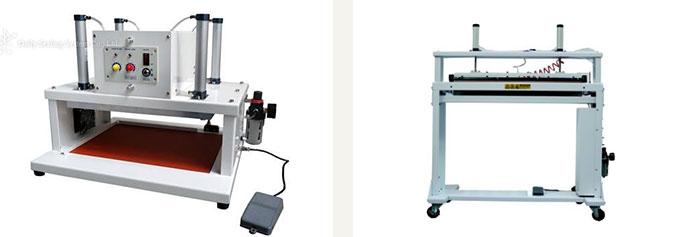
D-200DH 20公分手提式直熱封口機
D-200DH
20公分手提式直熱封口機

封口長度:20公分。

適合大範圍或重貨包裝。

適用鋁箔袋、錫箔袋、KOP袋。

  • Detail
  • Feature

手提式直熱封口機介紹 :


手提式直熱封口機 -安全耐用:

• 手提式直熱封口機 100%台灣製造,品質保證。

• 使用鋁合金材質製造,堅固耐用

• 手把安全隔熱裝置,防止操作人員燙傷。


手提式直熱封口機 -操作容易,提高工作效率:

• 手提式操作,機動性強,便利大型物品包裝封口。

• 手提式直熱封口機可依據包裝物材質及厚薄度調整加熱溫度,保持穩定的高品質封口。

 手提式直熱封口機適用於鋁箔袋、錫箔袋、真空尼龍袋、玻璃紙。


Specification
Model No. D-200DH
Sealing type 直熱式
Type
Voltage/Ampere 110V, 220V
Power 220W(110V)
Vacuum capacity
Max.sealing 最大200.0 x 12.0 mm
Vacuum time
Sealing time
Cooling time
Machine weight 1.6 kgs
Machine size 200 x 330 x 115 mm
Vacuum flow
Pump capacity
Pump type
Chamber size
Sealing width
Sealing and conveyor speed
Bag total thickness
Bag size
Sealing Temperate 90 - 250℃ (可調整)
Conveyor width
Conveyor height adjusting range
Conveyor loading weight
Machine size
Packing
Warm up time 5-10分鐘
Heating
Temperature
Adjusting height of working table
Width of ribbon
Size of letter
Number of letters
Printing area
Size of metal bar
Quantity of knives
Length of knives
Max. consumption electric power
Oscillation frequency
Max. welding
Film position
Size of heating board
Max. size of film
Inner core
Packing size
Working table size
PS2
PS3
Certification
Machine material
Suitable material of bag
Suitable for packing products
Spare parts
Warranty
Origin
Rated current
Exciting current
Normal rated power
Resistance
Anti pressure test
Orifice
Port Size
Working pressure
Operation Temperature
Temperature class of insulation
Material of valve body
Why Choosing Dailysealing
Parts and material quality control
  • Heating elements are from Japan.
  • Motor, Transformers, PCB and vacuum bags are made in Taiwan.
Strict quality control
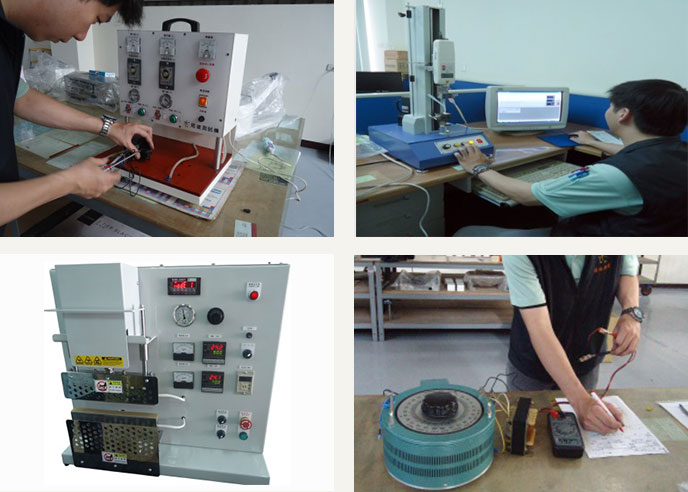
  • 100% product inspection: The inspection is included functions and appearance of sealing machines.
  • Tensile strength test to ensure the sealing line tensile strength value reaches the customer standard.
  • Electric leakage test: Puncture and insulation test.
  • Our production and inspection are all based on ISO 9001.
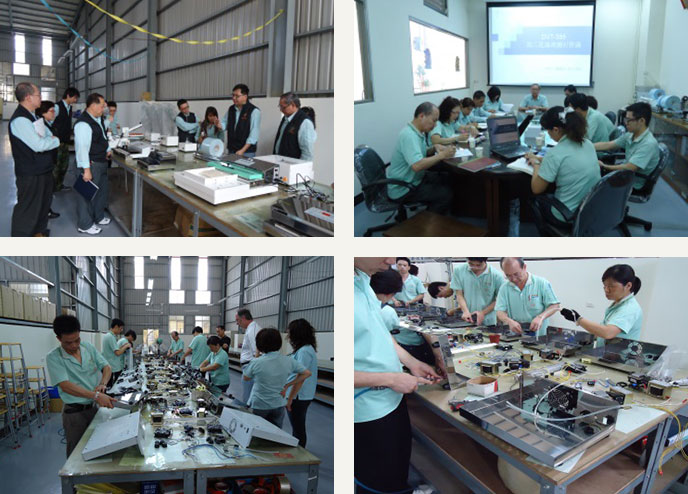
Professional packaging and sealing machine factory
  • Produce many kinds sealing machines and ODM/OEM products and provide custom-made services.
  • More than 30 year experiences in packaging machines industry.
  • Sell sealing machines to America, Europe, Latin America and Asia.
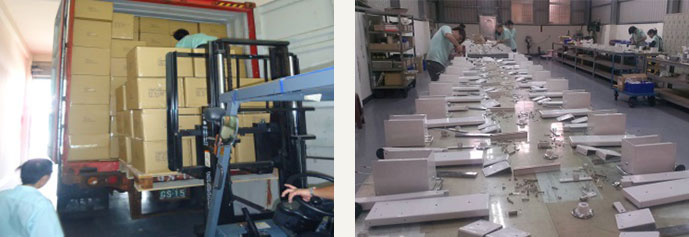
  • 85% products in stocks, so we can deliver the products quickly.
  • The production process is based on SOP to ensure the quality of sealing machines consistently.
Complete range of specifications of sealing machines
  • Complete range of specifications of sealing machines.
  • Many kinds of sealing machines and consumptive materials in stocks, so customers can do one-stop shopping here.
  • The customers include Biotechnology companies, Medical equipment companies, Food industry, Electronics industry, Handmade soap industry and other industry..
Custom-made sealing machine service
  • Custom-made sealing machine service
  • Designs of the special sealing machine for irregular shape sealing line, such as U-shape sealing line and L-shape sealing line.
  • Different width of sealing line could be custom-made to meet customer requirements.
After-sales service of professional sealing machine
  • Provide the professional service for repair the broken sealing machine immediately.
  • The sufficient supply of parts stock, so don’t worry about the parts replace.
  • Some parts of sealing machine are used in common specifications, so it is easy to get the parts for replace.
Exhibitions and trade shows
News
Vacuum Sealing: A Baker's Best Friend
2025/2/18
Vacuum Sealing: A Baker's Best Friend
Vacuum Sealing: A Baker's Best Friend   Vacuum sealing has revolutionized food storage, and baking is no exception. By removing air from packaging, vacuum sealing helps:   ◆Extend Shelf Life: Preserve ingredients like flour, nuts, and yeast for longer, preventing spoilage and ensuring optimal baking results. ◆Maintain Freshness: Keep baked goods like cookies, cakes, and bread fresher for longer by preventing moisture loss and staling. Daily Sealing Vacuum Sealer is perfect for home bakers. It's designed to handle both dry and liquid ingredients, making it ideal for preserving a wide range of baking supplies and finished products.     Key benefits of using Daily Sealing vacuum sealer:   ◆Easy to use: Simple operation for convenient home use. ◆Versatile: Suitable for various baking ingredients and products. ◆Durable: Built to last for long-term use.     Tips for vacuum sealing:   ◆Choose the right bags: Use food-grade vacuum bags for safe storage. ◆Set the correct vacuum level: Too much vacuum can damage soft goods, while too little won't be effective. ◆Store properly: Refrigerate or freeze vacuum-sealed items for optimal preservation. By investing in a vacuum sealer, home bakers can enjoy fresher ingredients, longer-lasting baked goods, and more efficient food storage.   Ready to elevate your baking game? Contact Daily Sealing today for more information and to find the perfect vacuum sealer for your needs.
MORE
Choosing the Right Bag for Vacuum Packaging: PE Bags vs. Vacuum Bags Explained
2024/1/31
Choosing the Right Bag for Vacuum Packaging: PE Bags vs. Vacuum Bags Explained
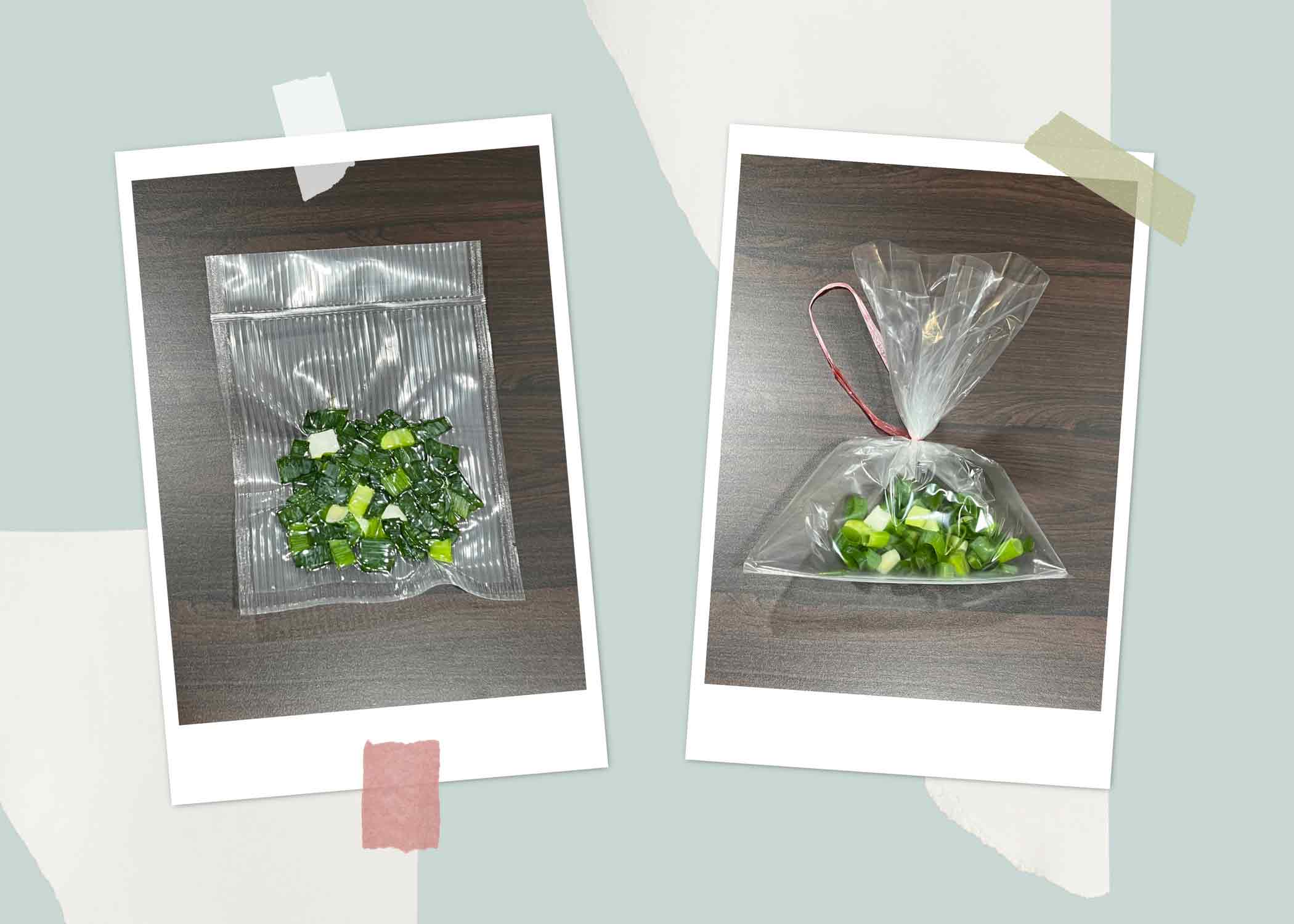
Choosing the Right Bag for Vacuum Packaging: PE Bags vs. Vacuum Bags Explained  When it comes to vacuum packaging, one common dilemma often arises: Should you opt for PE bags or vacuum bags? This question is prevalent among many, especially those new to the realm of vacuum sealing. The choice between PE bags and vacuum bags is not just about the cost but also about the effectiveness of the vacuum seal in various applications. Understanding the Need for Vacuum Packaging The purpose behind vacuum packaging can vary significantly. Whether it's extending the freshness of food, protecting items from rust and dust, saving space, or merely maintaining a temporary vacuum effect, the choice of bag plays a crucial role. Here, we delve into the characteristics of PE bags versus vacuum bags to help you make an informed decision. PE Bags for Vacuum Packaging: Pros and Cons PE bags, commonly seen in the market, are known for their accessibility and affordability. However, their ability to block air is not as effective as specialized vacuum bags. During the vacuum process, air may continue to seep into PE bags, preventing the formation of a true vacuum state. Despite this, thicker PE bags can maintain a vacuum effect for a short period. High-density PE (HDPE) bags can achieve a vacuum state post-sealing, but the duration of this effect is uncertain. If a long-term vacuum isn't your priority, PE bags might be worth considering, though testing their effectiveness for your specific needs is recommended. Vacuum Bags: The Optimal Choice for Long-Term Vacuum Sealing For those seeking a durable vacuum state, vacuum bags are the superior choice. Materials such as nylon (NY) and aluminum foil are particularly effective. PET bags offer another viable option, each material presenting distinct advantages depending on the items being packaged and specific user requirements. Selecting a Vacuum Sealer and Vacuum Bags: Guidance and Recommendations Concerned about which bags are compatible with your vacuum sealer? Wondering which material best suits your needs or whether the vacuum effect will be satisfactory? Daily Sealing is here to assist. We offer expert advice on choosing the right vacuum sealer and vacuum bags tailored to your requirements, ensuring your vacuum packaging process is as efficient and effective as possible. Conclusion Choosing the right bag for vacuum packaging involves considering the specific needs of your packaging requirements. While PE bags may suffice for short-term or less critical applications, vacuum bags offer a more robust solution for long-term freshness and protection. For personalized advice and solutions that cater to your vacuum packaging needs, turn to the experts at Daily Sealing. g   Choosing the Right Bag for Vacuum Packaging: PE Bags vs. Vacuum Bags Explained 
MORE
Vacuum Sealer vs. Continuous Band Sealer: Key Differences, Applications, and Buying Guide
2026/6/12
Vacuum Sealer vs. Continuous Band Sealer: Key Differences, Applications, and Buying Guide
Vacuum Sealer vs. Continuous Band Sealer: Key Differences, Applications, and Buying Guide Many businesses face the same question when selecting packaging equipment: Should I choose a vacuum sealer or a continuous band sealer? Although both machines are used for packaging and sealing products, they serve very different purposes. A vacuum sealer removes air before sealing, making it ideal for products requiring freshness preservation and oxidation prevention. A continuous band sealer focuses on high-speed sealing, making it the preferred choice for high-volume packaging operations. Choosing the wrong equipment can lead to reduced efficiency, poor packaging quality, and unnecessary costs. Quick Answer: Vacuum Sealer or Continuous Band Sealer? Need to extend shelf life or prevent oxidation: Choose a vacuum sealer Need high-speed, high-volume sealing: Choose a continuous band sealer Need both vacuum packaging and high volume: Evaluate a continuous vacuum sealer Need only standard bag sealing at lower volume: An impulse sealer or foot sealer may be sufficient 1. What Is a Vacuum Sealer? A vacuum sealer removes air from the package before creating the final seal. By reducing oxygen inside the package, vacuum sealing helps extend shelf life, reduce oxidation, prevent moisture damage, and improve storage stability. Vacuum sealers are ideal for extending shelf life — making them a standard choice for food processing, agricultural products, and moisture-sensitive industrial components. Based on Dailysealing's practical experience across food processing, agricultural packaging, and electronic components applications, products sensitive to oxygen or moisture consistently benefit most from vacuum packaging. Fresh meat, seafood, cooked foods, and agricultural produce are among the most common vacuum packaging applications. Common Vacuum Sealer Applications Fresh meat and seafood Cooked and processed foods Coffee beans, tea, and nuts Agricultural produce Electronic components and precision parts Medical supplies and consumables Key Advantages of Vacuum Sealers Extends product shelf life significantly Reduces oxidation and moisture damage Improves food freshness and storage quality Protects sensitive components from environmental exposure Available in multiple configurations for different output volumes If your primary packaging goal is preservation rather than just sealing, a vacuum sealer will almost always outperform a standard bag sealer. 2. What Is a Continuous Band Sealer? A continuous band sealer is designed for continuous sealing operations. Products move through a conveyor system where the bag passes through heating and cooling zones to create a consistent seal — without stopping between bags. Continuous band sealers are suitable for high-volume packaging where throughput and consistency are the priority, not air extraction. From Dailysealing's experience serving clients in food manufacturing, agricultural processing, and industrial packaging, businesses typically transition from manual impulse or foot sealers to continuous band sealers when daily packaging volume exceeds several hundred bags — significantly improving production efficiency and seal consistency. Common Continuous Band Sealer Applications Snacks, candies, cookies Dry goods, tea, coffee Powder and granule products Hardware and industrial components Agricultural goods (rice, grains, feed) General PE, aluminum foil, and laminated pouches Key Advantages of Continuous Band Sealers High throughput for large-volume operations Consistent seal quality across all bags Reduced manual handling and labor costs Continuous operation without stops between bags Compatible with production line integration If your product does not require vacuum packaging but your daily output is growing, a continuous band sealer delivers far better efficiency than manual sealing equipment at scale. 3. Vacuum Sealer vs. Continuous Band Sealer: Full Comparison The best choice depends on product characteristics and packaging volume. The table below covers the key differences across the most important evaluation criteria for B2B packaging buyers: FeatureVacuum SealerContinuous Band Sealer Primary Function Removes air, then seals Seals continuously at high speed Shelf Life Improvement ✅ Excellent Limited Packaging Speed Moderate ✅ High High-Volume Production Depends on model ✅ Excellent Oxidation Protection ✅ Excellent Limited Food Preservation ✅ Excellent Moderate Production Line Integration Available on certain models ✅ Excellent Labor Reduction Moderate ✅ High 4. Which Is Better for Food Packaging? The answer depends on the specific food product. Based on Dailysealing's technical team's experience across food processing, central kitchen, and agricultural packaging clients, different food categories have distinctly different packaging equipment requirements: Recommended equipment by food product type: Fresh meat, seafood, cooked foods: Vacuum sealer — shelf life extension is the priority Tea, coffee beans: Vacuum sealer or continuous band sealer, depending on preservation requirements Snacks, cookies, candy: Continuous band sealer — high-volume sealing efficiency Dry goods, powders, grains: Continuous band sealer High-volume food processing: Continuous band sealer or continuous vacuum sealer 5. When Should You Choose a Vacuum Sealer? ① Product Requires Longer Shelf Life Meat, seafood, cooked foods, and marinated products deteriorate quickly when exposed to air. Vacuum packaging significantly extends their usable shelf life. ② Product Is Prone to Oxidation Tea, coffee, nuts, and electronic components degrade when exposed to oxygen and humidity. Vacuum packaging significantly reduces this risk. ③ Product Needs Cold-Chain or Long-Distance Shipping Products going through freezing, refrigeration, or long-distance transit benefit from the added protection vacuum packaging provides during extended storage. ④ Product Contains Liquid or Moisture Liquid-content products are better handled by a chamber vacuum sealer, which creates negative pressure around the entire bag rather than extracting directly from inside. 6. When Should You Choose a Continuous Band Sealer? ① Daily Packaging Volume Is High When daily output reaches hundreds of bags or more, manual sealing equipment creates a production bottleneck. A continuous band sealer dramatically improves throughput. ② Product Does Not Require Vacuum If the packaging goal is containment, moisture resistance, or dust protection — rather than air removal — a continuous band sealer is the more efficient solution. ③ Consistent Seal Quality Is Required The conveyor-driven process maintains a consistent sealing speed, eliminating operator-to-operator variation and improving overall packaging quality. ④ Labor Efficiency Is a Priority Continuous sealing machines significantly reduce manual sealing time, freeing operators for other production tasks and lowering cost per unit packaged. 7. What If You Need Both Vacuum Sealing and High Volume? Some operations require both vacuum packaging and high production output simultaneously. In these situations, a continuous vacuum sealer combines automated conveyor operation with integrated vacuum packaging — making it suitable for food processing plants, meat and seafood producers, and large-scale agricultural packaging operations. A continuous vacuum sealer may be the right solution when: Vacuum packaging is required and daily output is high Production line efficiency needs to be maximized Reducing manual labor in the packaging process is a priority Both shelf-life extension and high-volume output are required simultaneously 8. Four Questions to Answer Before Choosing When selecting between a vacuum sealer and a continuous band sealer, equipment price should not be the primary factor. The right machine is the one that matches your product characteristics, packaging requirements, and production volume. 1. Does the product need vacuum packaging? Products requiring freshness or oxidation protection need a vacuum sealer. If only containment sealing is needed, a continuous band sealer is more efficient. 2. What is your daily packaging volume? Low volumes suit manual or compact equipment. Higher volumes justify a continuous band sealer or continuous vacuum sealer investment. 3. What packaging material are you using? PE bags, aluminum foil, laminated pouches, and vacuum channel bags each require different sealing temperatures and machine configurations. 4. Does the product contain liquid or moisture? Liquid-content products require specialized vacuum sealing configurations. A chamber vacuum sealer is often the most appropriate solution for wet or high-moisture products. The following questions are compiled from Dailysealing's technical team's experience working with clients in food processing, agricultural packaging, electronics manufacturing, and industrial packaging applications. Frequently Asked Questions Q1: What is the main difference between a vacuum sealer and a continuous band sealer? A vacuum sealer removes air from the package before sealing — this is its defining function. A continuous band sealer seals the bag opening at high speed without extracting air. The core difference is whether air removal is part of the packaging requirement. If shelf life and oxidation protection matter, a vacuum sealer is the right choice. If throughput and efficiency at volume are the priority, a continuous band sealer is more appropriate. Q2: Which machine is better for food packaging? It depends on the product. For meat, seafood, cooked foods, and products requiring shelf-life extension, a vacuum sealer is generally the better choice. For snacks, dry goods, and high-volume food manufacturing that does not require vacuum packaging, a continuous band sealer provides higher efficiency and output consistency. Q3: Can a continuous band sealer perform vacuum packaging? No. Standard continuous band sealers only heat-seal the bag opening and do not extract air. For vacuum packaging requirements, a vacuum sealer is necessary. For operations that need both vacuum packaging and high-volume continuous output, a continuous vacuum sealer performs both functions in a single automated process. Q4: Which machine is better for large-scale production? For high-volume packaging that does not require vacuum sealing, a continuous band sealer offers superior throughput and operational efficiency. If high-volume vacuum packaging is required, evaluate a continuous vacuum sealer — which integrates automated conveyor operation with vacuum packaging capability in a production line format. Q5: How do I choose between the two? Start by answering four questions: Does the product need vacuum packaging? What is your daily output volume? What bag material are you using? Does the product contain liquid or moisture? These four criteria — product characteristics, packaging volume, bag material, and moisture content — will narrow down the right equipment type for your application. About This Article This article was prepared by the Dailysealing technical team. Daily Sealing System Co., Ltd. is a Taiwan-based manufacturer specializing in sealing machines and vacuum packaging equipment. Our product range includes vacuum sealers, external vacuum sealers, chamber vacuum sealers, continuous band sealers, continuous vacuum sealers, foot sealers, impulse sealers, medical pouch sealers, and customized sealing equipment. The company holds ISO 9001:2015 certification and carries CE, FDA, EU No.10/2011, and BPA Free certifications. Patents are registered in Taiwan, the United States, Europe, Germany, Japan, and China. Content in this article is based on actual packaging equipment application experience, equipment specifications, and industry practice — intended to support equipment evaluation by B2B buyers and procurement teams. Not Sure Whether to Choose a Vacuum Sealer or a Continuous Band Sealer? Share your product type, bag material, and daily output volume. The Dailysealing technical team can evaluate your requirements and recommend the most suitable sealing equipment for your operation. View All Sealing Machine Series Contact Us // //  
MORE
TOP
We use cookies to provide a better experience. By proceeding, you agree to our PRIVACY POLICY, including the use of cookies and other tracking technologies.ACCEPT