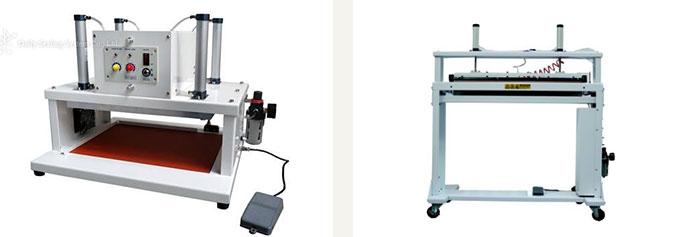
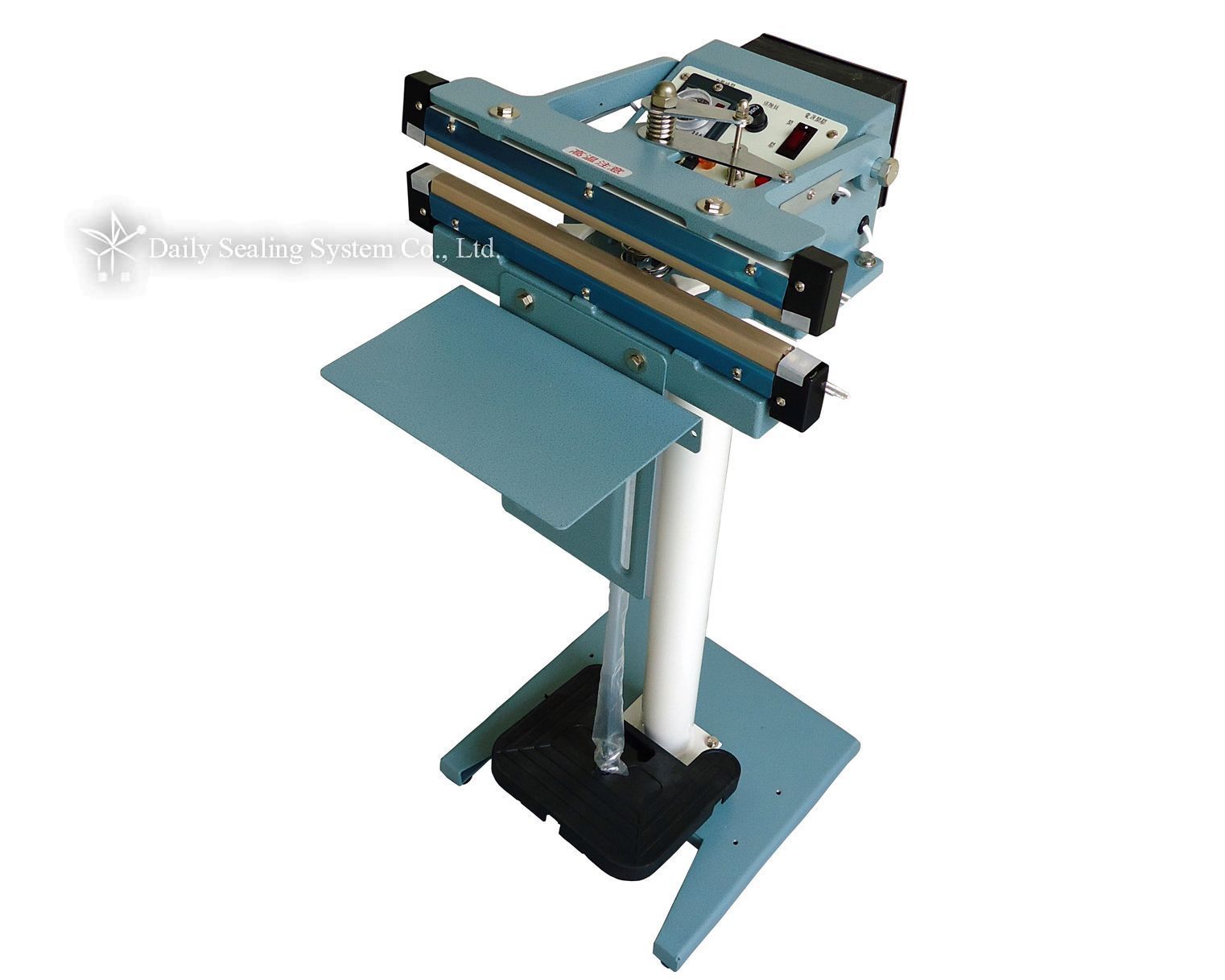
DS-450FT Foot type impulse sealer
DS-450FT
45cm Foot type impulse sealer

•Sealing length: 45cm.

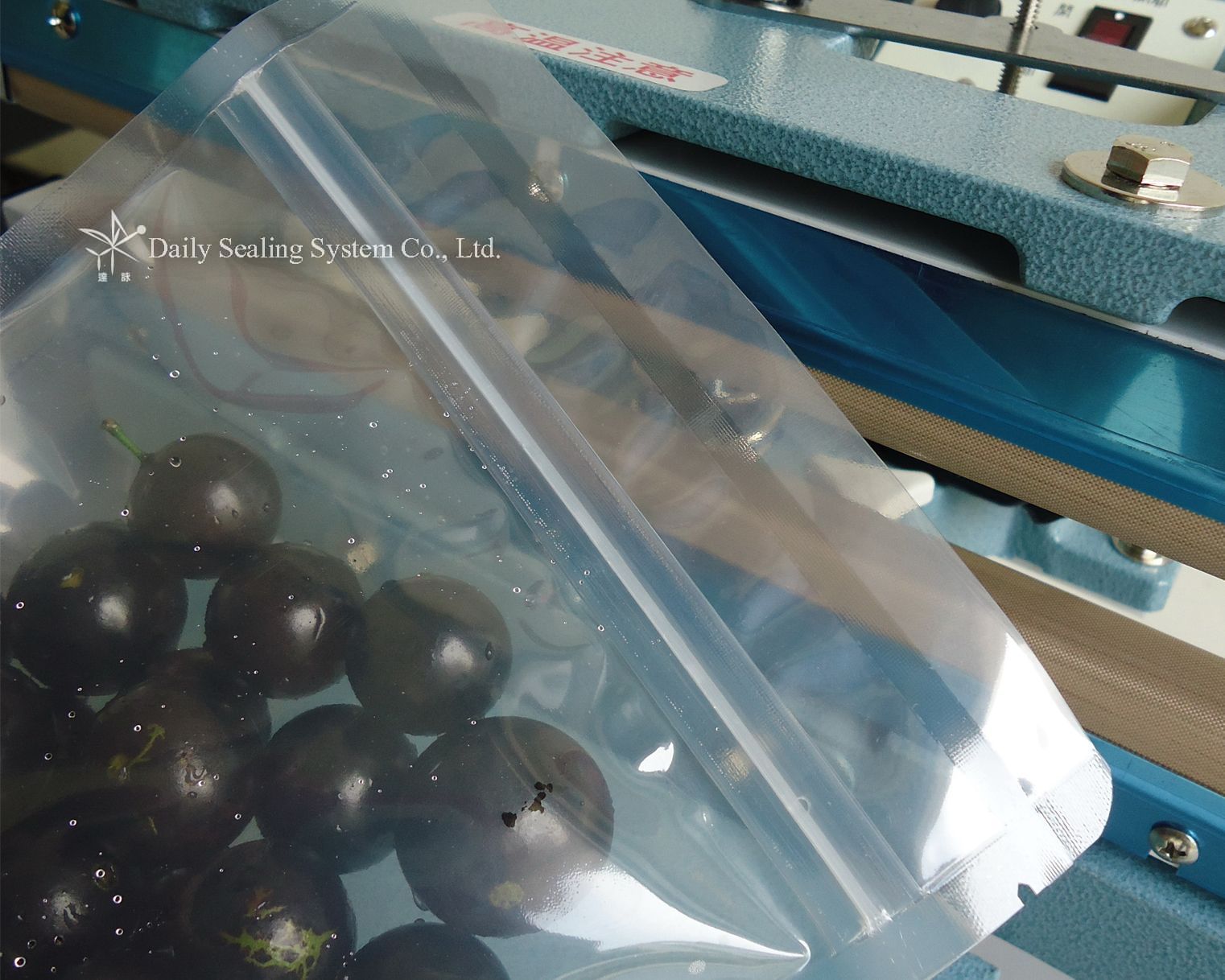
•Suitable for PP, PE, PVC, NY etc. plastic bags and aluminum bags.

•Timer control
  • Detail
  • Feature
  • Video

Foot type impulse sealer:

• No preheating required.

• Single or twin heating could be chose depends on customer’s demands.

• Twin element: available for aluminum bag, tinfoil bag, sterilization bag.

• Single element: PE, PP, PVC, OPP, POF…plastic bag.

• Sealing width: 5mm or 10mm

• Additional accessories:

    (1) Can add an electric magnet or pneumatic eqipment for pedal switch controled. 

    (2) Date coder.

• For other lengths sealing machine, please contact us.


Item No.

DS-300FT

DS-450FT

DS-600FT

DS-750FT

Voltage

100V, 110V, 120V, 220V, 240V

Max. sealing

300x5mm

450x5mm

600x5mm

750x5mm

Machine weight

20 kgs

22 kgs

25 kgs

28kgs

Machine size

380x340x880mm

530x340x880mm

680x340x880mm

830x340x880mm


Specification
Model No. DS-450FT
Sealing type Impulse Heat
Type
Voltage/Ampere  100V,110V,120V,220V,240V
Power
Vacuum capacity
Max.sealing Max:450.0 x 5.0 mm
Vacuum time
Sealing time
Cooling time
Machine weight 22.00 kgs
Machine size 530 x 340 x 880 mm
Vacuum flow
Pump capacity
Pump type
Chamber size
Sealing width
Sealing and conveyor speed
Bag total thickness
Bag size
Sealing Temperate
Conveyor width
Conveyor height adjusting range
Conveyor loading weight
Machine size
Packing
Warm up time
Heating
Temperature
Adjusting height of working table
Width of ribbon
Size of letter
Number of letters
Printing area
Size of metal bar
Quantity of knives
Length of knives
Max. consumption electric power
Oscillation frequency
Max. welding
Film position
Size of heating board
Max. size of film
Inner core
Packing size
Working table size
PS2
PS3
Certification
Machine material
Suitable material of bag
Suitable for packing products
Spare parts
Warranty
Origin

45cm Foot type impulse sealer:


You May Also Like
Why Choosing Dailysealing
Parts and material quality control
  • Heating elements are from Japan.
  • Motor, Transformers, PCB and vacuum bags are made in Taiwan.
Strict quality control
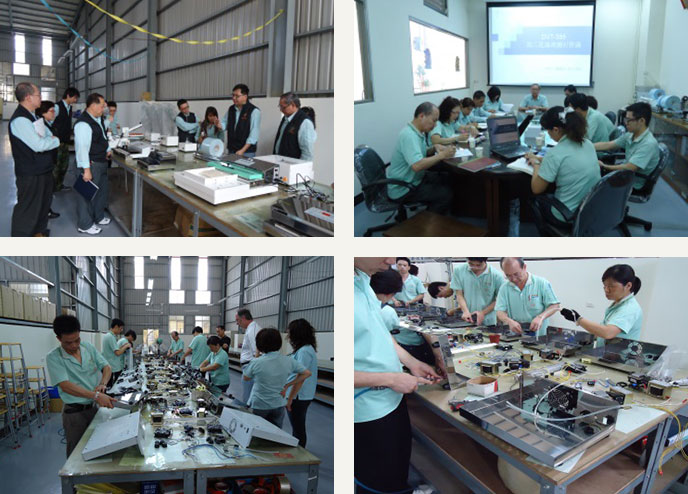
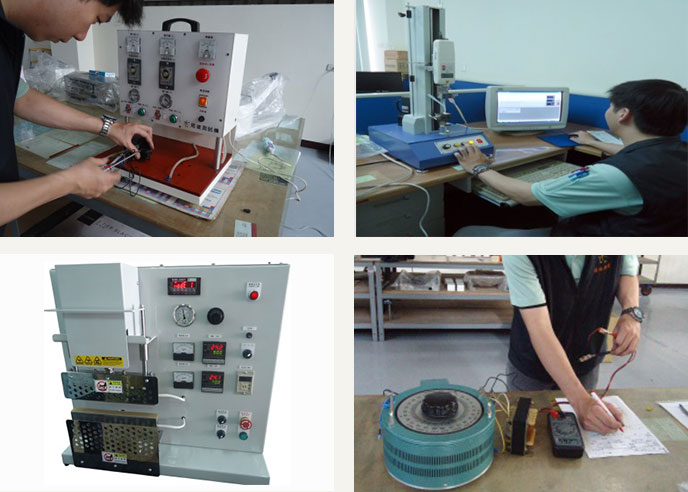
  • 100% product inspection: The inspection is included functions and appearance of sealing machines.
  • Tensile strength test to ensure the sealing line tensile strength value reaches the customer standard.
  • Electric leakage test: Puncture and insulation test.
  • Our production and inspection are all based on ISO 9001.
Professional packaging and sealing machine factory
  • Produce many kinds sealing machines and ODM/OEM products and provide custom-made services.
  • More than 30 year experiences in packaging machines industry.
  • Sell sealing machines to America, Europe, Latin America and Asia.
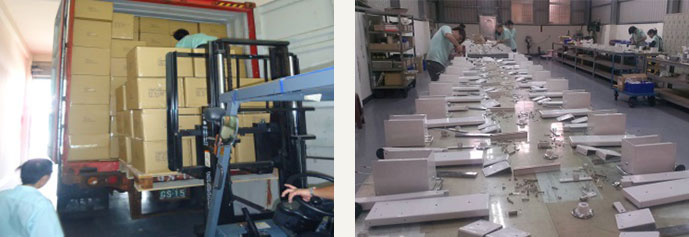
  • 85% products in stocks, so we can deliver the products quickly.
  • The production process is based on SOP to ensure the quality of sealing machines consistently.
Complete range of specifications of sealing machines
  • Complete range of specifications of sealing machines.
  • Many kinds of sealing machines and consumptive materials in stocks, so customers can do one-stop shopping here.
  • The customers include Biotechnology companies, Medical equipment companies, Food industry, Electronics industry, Handmade soap industry and other industry..
Custom-made sealing machine service
  • Custom-made sealing machine service
  • Designs of the special sealing machine for irregular shape sealing line, such as U-shape sealing line and L-shape sealing line.
  • Different width of sealing line could be custom-made to meet customer requirements.
After-sales service of professional sealing machine
  • Provide the professional service for repair the broken sealing machine immediately.
  • The sufficient supply of parts stock, so don’t worry about the parts replace.
  • Some parts of sealing machine are used in common specifications, so it is easy to get the parts for replace.
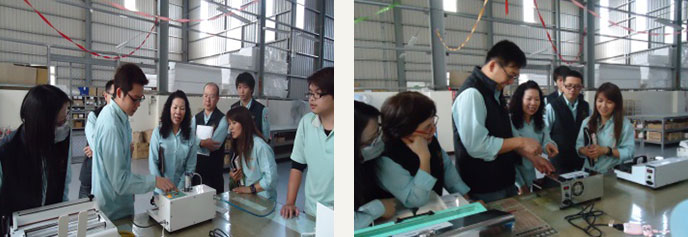
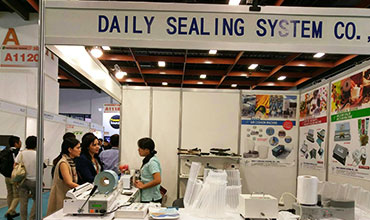
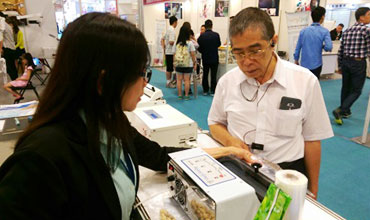
Exhibitions and trade shows
News
What are the applications of vacuum bag packaging?
2023/9/5
What are the applications of vacuum bag packaging?
Vacuum bags have a wide range of applications, especially when used in conjunction with a vacuum sealer machine. Here are some common applications of vacuum bags:   Food Storage and Preservation: One of the most common uses of vacuum bags is for storing and preserving food items. Vacuum sealing removes air from the bag, slowing down the oxidation process and inhibiting the growth of bacteria and molds. This helps keep food fresh for longer periods, whether it's raw meats, vegetables, fruits, or pre-cooked meals. Vacuum-sealed bags are also popular for storing leftovers and meal prep.   Sous Vide Cooking: Vacuum bags are essential for sous vide cooking, a cooking method where food is placed in a vacuum-sealed bag and cooked in a precisely controlled water bath at a consistent temperature. The vacuum-sealed bags ensure that the food is evenly cooked and retains its natural flavors and juices.   Marinating: Vacuum bags can be used for marinating meats and other food items. By removing the air from the bag, the marinade is more effectively absorbed into the food, resulting in enhanced flavors.   Long-term Freezing: Vacuum-sealed bags are excellent for freezing food items. The absence of air prevents freezer burn, maintaining the quality and taste of the food even after prolonged storage.   Travel and Outdoor Activities: Vacuum bags can be used to pack clothes and other travel essentials, compressing them to save space in luggage. They are also used for storing items during camping or hiking trips to protect them from moisture and keep them organized.   Document and Jewelry Storage: Vacuum bags are useful for protecting important documents, photographs, and valuable items like jewelry from dust, moisture, and other elements that could cause damage.   Organizing Household Items: Vacuum bags can be used to store seasonal clothing, blankets, and pillows, reducing their volume for easy storage when not in use.   Emergency Preparedness: Vacuum bags can be used for creating emergency kits, preserving food supplies, and organizing essential items for disaster preparedness.   Industrial and Commercial Packaging: Vacuum bags are used in various industries for packaging sensitive or perishable products, ensuring they stay fresh and intact during shipping and storage.   It's essential to use vacuum bags specifically designed for vacuum sealers to ensure proper functioning and safety. The versatility and benefits of vacuum bags make them a practical choice for various storage and preservation needs in both household and commercial settings.
MORE
How Do You Operate a Vacuum Sealer?
2024/11/15
How Do You Operate a Vacuum Sealer?
How Do You Operate a Vacuum Sealer?   In this article, we delve into the "operation methods of a vacuum sealer," providing you with a clear and understandable guide. Whether you are a newcomer to vacuum sealers or a professional seeking to improve operational efficiency, the following steps will help you better understand how to operate a vacuum sealer.   How Do You Operate a Vacuum Sealer? 1: Preparation 1. Check the Vacuum Sealer: Before starting, ensure the vacuum machine is intact and all power connections are secure. 2. Preheat the Vacuum Machine: Preheat the vacuum sealer to the appropriate temperature according to the manufacturer's instruction manual.   How Do You Operate a Vacuum Sealer? 2: Placing the Vacuum Bag 1. Open the Lid: Gently open the lid of the vacuum sealer. 2. Insert the Sealing Bag: Place the item you need to package into a specialized vacuum sealing bag, ensuring the bag's mouth is smooth and there is enough space to place it in the sealing slot.   How Do You Operate a Vacuum Sealer? 3: Vacuum Sealing 1. Start Vacuum Sealing: Close the lid, select the appropriate vacuum sealing mode, and start the machine to begin the vacuuming process. 2. Sealing: After completing the vacuuming, the machine will automatically seal the bag to ensure it is completely sealed inside.   How Do You Operate a Vacuum Sealer? 4: Finalizing the Seal 1. Check the Seal: After vacuum sealing and sealing, open the lid and take out the sealed bag. Check if the seal is strong to ensure there are no leaks. 2. Further Processing: Store the sealed item as needed or proceed with further packaging.    How Do You Operate a Vacuum Sealer?  Tips: - Maintain Cleanliness: Ensure the vacuum sealer is clean before and after use to prevent food residue or other substances from affecting the seal quality. - Regular Inspection: Regularly check for wear and tear on the vacuum machine, especially the sealing bar, to ensure the best sealing results.   By following the above "operation methods of a vacuum sealer," you can easily complete the sealing process. Whether it's for home use or commercial production, this ensures the freshness and extended shelf life of food, or allows you to reduce the volume and lower the air content of the items you vacuum seal.   Conclusion Mastering the correct "operation methods of a vacuum sealer" can not only improve work efficiency but also ensure packaging quality and extend the preservation time of food. How Do You Operate a Vacuum Sealer?    
MORE
Choosing the Right Bag for Vacuum Packaging: PE Bags vs. Vacuum Bags Explained
2024/1/31
Choosing the Right Bag for Vacuum Packaging: PE Bags vs. Vacuum Bags Explained
Choosing the Right Bag for Vacuum Packaging: PE Bags vs. Vacuum Bags Explained  When it comes to vacuum packaging, one common dilemma often arises: Should you opt for PE bags or vacuum bags? This question is prevalent among many, especially those new to the realm of vacuum sealing. The choice between PE bags and vacuum bags is not just about the cost but also about the effectiveness of the vacuum seal in various applications. Understanding the Need for Vacuum Packaging The purpose behind vacuum packaging can vary significantly. Whether it's extending the freshness of food, protecting items from rust and dust, saving space, or merely maintaining a temporary vacuum effect, the choice of bag plays a crucial role. Here, we delve into the characteristics of PE bags versus vacuum bags to help you make an informed decision. PE Bags for Vacuum Packaging: Pros and Cons PE bags, commonly seen in the market, are known for their accessibility and affordability. However, their ability to block air is not as effective as specialized vacuum bags. During the vacuum process, air may continue to seep into PE bags, preventing the formation of a true vacuum state. Despite this, thicker PE bags can maintain a vacuum effect for a short period. High-density PE (HDPE) bags can achieve a vacuum state post-sealing, but the duration of this effect is uncertain. If a long-term vacuum isn't your priority, PE bags might be worth considering, though testing their effectiveness for your specific needs is recommended. Vacuum Bags: The Optimal Choice for Long-Term Vacuum Sealing For those seeking a durable vacuum state, vacuum bags are the superior choice. Materials such as nylon (NY) and aluminum foil are particularly effective. PET bags offer another viable option, each material presenting distinct advantages depending on the items being packaged and specific user requirements. Selecting a Vacuum Sealer and Vacuum Bags: Guidance and Recommendations Concerned about which bags are compatible with your vacuum sealer? Wondering which material best suits your needs or whether the vacuum effect will be satisfactory? Daily Sealing is here to assist. We offer expert advice on choosing the right vacuum sealer and vacuum bags tailored to your requirements, ensuring your vacuum packaging process is as efficient and effective as possible. Conclusion Choosing the right bag for vacuum packaging involves considering the specific needs of your packaging requirements. While PE bags may suffice for short-term or less critical applications, vacuum bags offer a more robust solution for long-term freshness and protection. For personalized advice and solutions that cater to your vacuum packaging needs, turn to the experts at Daily Sealing. g   Choosing the Right Bag for Vacuum Packaging: PE Bags vs. Vacuum Bags Explained 
MORE
TOP
We use cookies to provide a better experience. By proceeding, you agree to our PRIVACY POLICY, including the use of cookies and other tracking technologies.ACCEPT