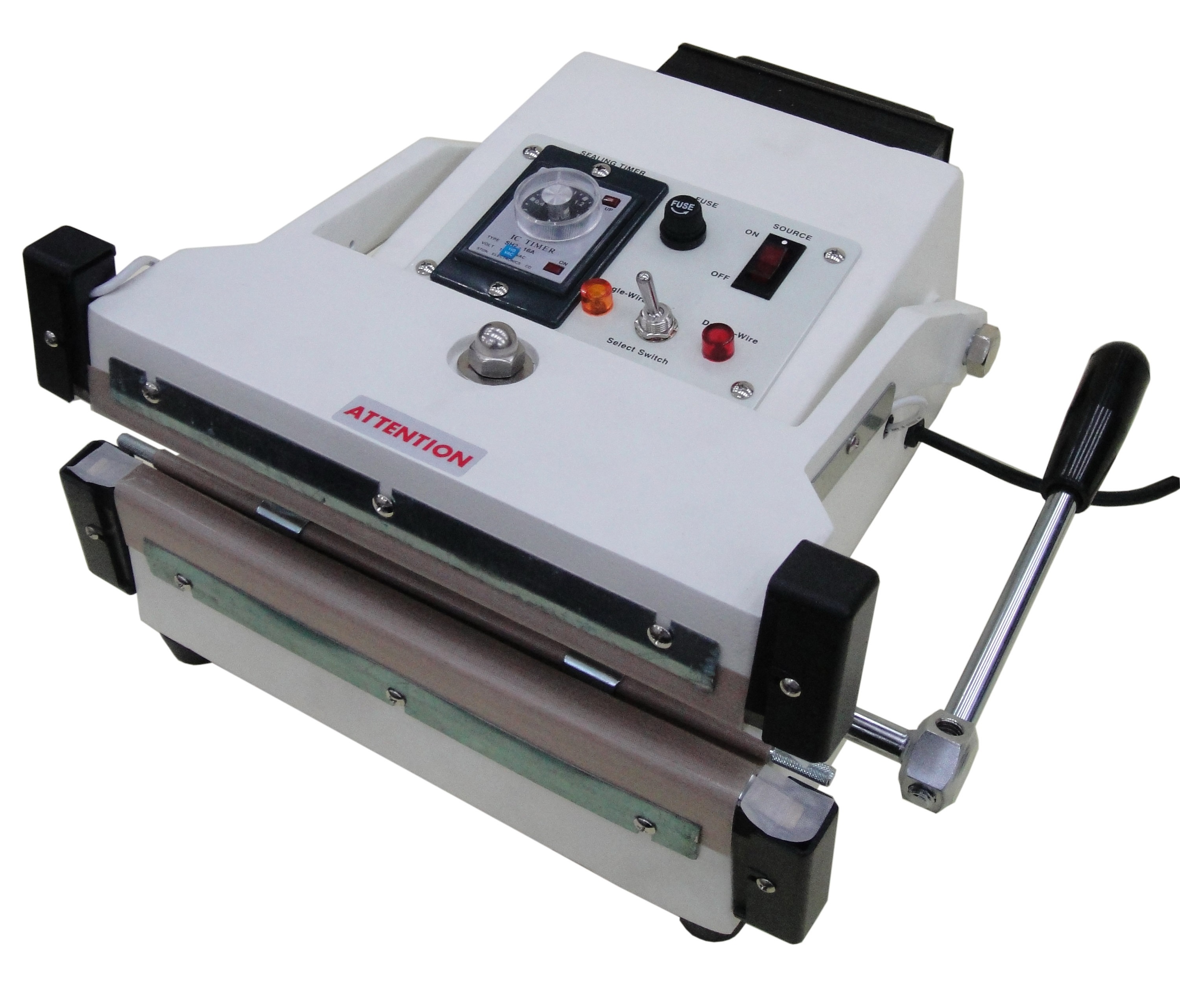
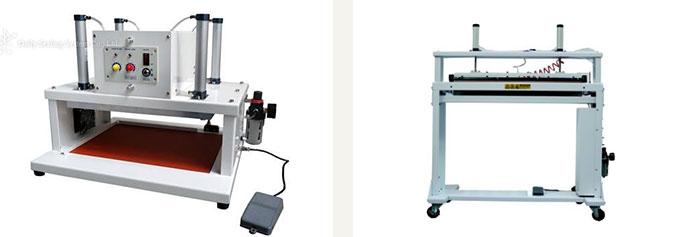
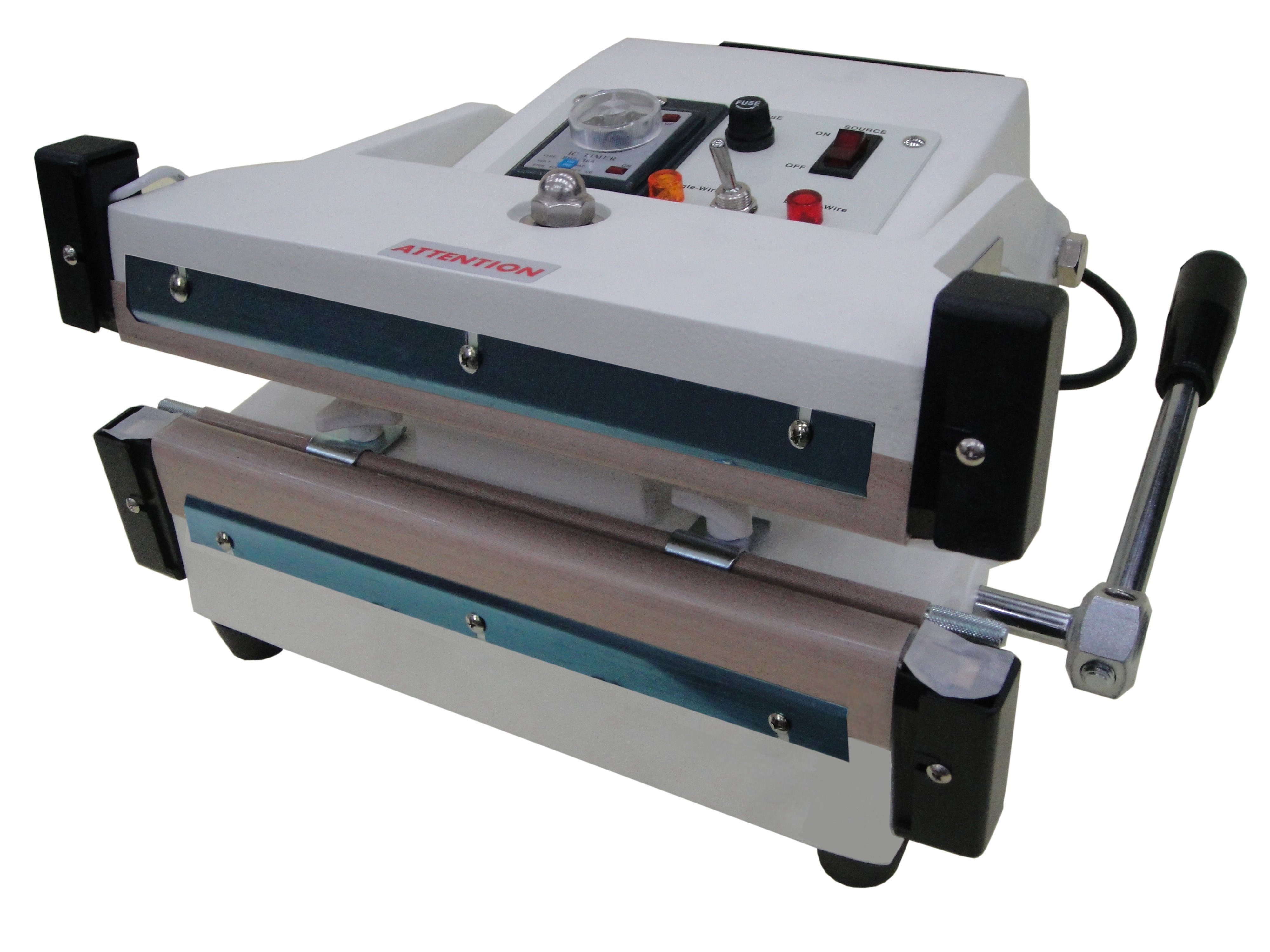
DS-2510HT Hand press impulse sealer
DS-2510HT
Hand press impulse sealer- double side sealing

Sealing length: 25cm.

Sealing width: 10mm.

Suitable material for kinds of plastic bags (PE, PP, OPP, PVC, OPF, NY), non-woven bag, thin alum. bags and medical bags.

Small size, suitable for small working space.
  • Detail
  • Feature

Hand press impulse sealer:

• Made in Taiwan.

• Width of single sealing: 5mm, 10mm  

  Width of double sealing 5mm, 10mm 

• Easy to operate, durable with industry grade.

• Available for plastic bag of material PE, PP, OPP, PVC, OPF, NY. (DS-255H)

  Available for aluminum foil bag, tinfoil bag (Model DS-255HT)


Specification
Model No. DS-2510HT
Sealing type Impulse Heat
Type
Voltage/Ampere 110V, 220V
Power 1000W
Vacuum capacity
Max.sealing Max: 250.0 x 10.0 mm x 2
Vacuum time
Sealing time 0.0 - 1.5 sec.
Cooling time
Machine weight 15.00 kgs
Machine size 340 x 510 x 160 mm
Vacuum flow
Pump capacity
Pump type
Chamber size
Sealing width
Sealing and conveyor speed
Bag total thickness
Bag size
Sealing Temperate
Conveyor width
Conveyor height adjusting range
Conveyor loading weight
Machine size
Packing
Warm up time
Heating
Temperature
Adjusting height of working table
Width of ribbon
Size of letter
Number of letters
Printing area
Size of metal bar
Quantity of knives
Length of knives
Max. consumption electric power
Oscillation frequency
Max. welding
Film position
Size of heating board
Max. size of film
Inner core
Packing size
Working table size
PS2
PS3
Certification
Machine material
Suitable material of bag
Suitable for packing products
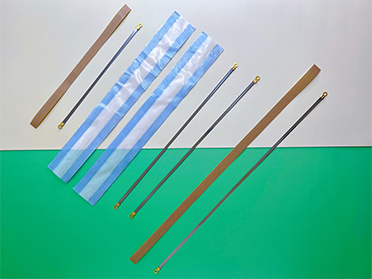
Spare parts
Warranty
Origin
Rated current
Exciting current
Normal rated power
Resistance
Anti pressure test
Orifice
Port Size
Working pressure
Operation Temperature
Temperature class of insulation
Material of valve body
You May Also Like
Why Choosing Dailysealing
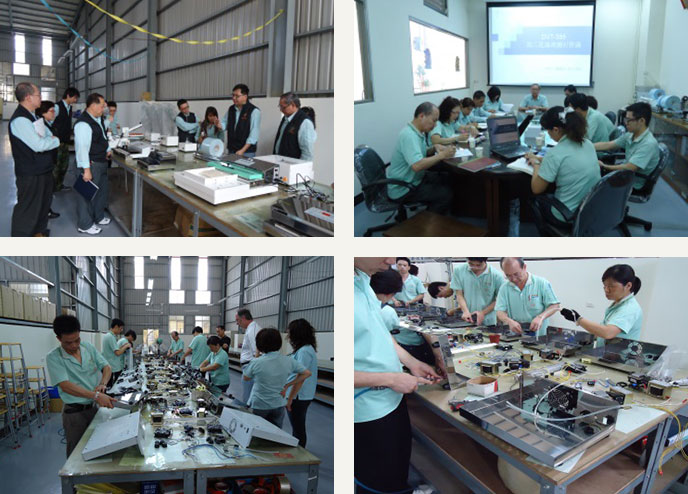
Parts and material quality control
  • Heating elements are from Japan.
  • Motor, Transformers, PCB and vacuum bags are made in Taiwan.
Strict quality control
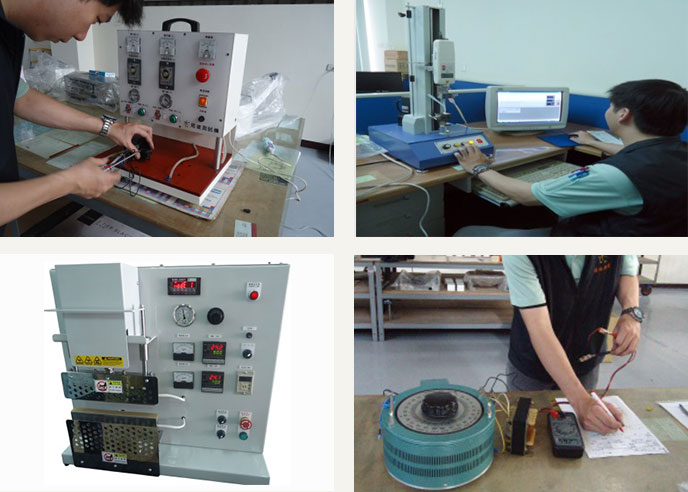
  • 100% product inspection: The inspection is included functions and appearance of sealing machines.
  • Tensile strength test to ensure the sealing line tensile strength value reaches the customer standard.
  • Electric leakage test: Puncture and insulation test.
  • Our production and inspection are all based on ISO 9001.
Professional packaging and sealing machine factory
  • Produce many kinds sealing machines and ODM/OEM products and provide custom-made services.
  • More than 30 year experiences in packaging machines industry.
  • Sell sealing machines to America, Europe, Latin America and Asia.
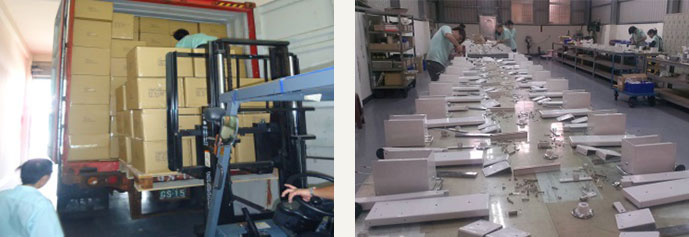
  • 85% products in stocks, so we can deliver the products quickly.
  • The production process is based on SOP to ensure the quality of sealing machines consistently.
Complete range of specifications of sealing machines
  • Complete range of specifications of sealing machines.
  • Many kinds of sealing machines and consumptive materials in stocks, so customers can do one-stop shopping here.
  • The customers include Biotechnology companies, Medical equipment companies, Food industry, Electronics industry, Handmade soap industry and other industry..
Custom-made sealing machine service
  • Custom-made sealing machine service
  • Designs of the special sealing machine for irregular shape sealing line, such as U-shape sealing line and L-shape sealing line.
  • Different width of sealing line could be custom-made to meet customer requirements.
After-sales service of professional sealing machine
  • Provide the professional service for repair the broken sealing machine immediately.
  • The sufficient supply of parts stock, so don’t worry about the parts replace.
  • Some parts of sealing machine are used in common specifications, so it is easy to get the parts for replace.
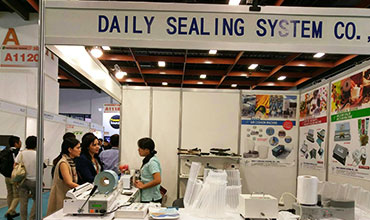
Exhibitions and trade shows
News
How Do You Operate a Vacuum Sealer?
2024/11/15
How Do You Operate a Vacuum Sealer?
How Do You Operate a Vacuum Sealer?   In this article, we delve into the "operation methods of a vacuum sealer," providing you with a clear and understandable guide. Whether you are a newcomer to vacuum sealers or a professional seeking to improve operational efficiency, the following steps will help you better understand how to operate a vacuum sealer.   How Do You Operate a Vacuum Sealer? 1: Preparation 1. Check the Vacuum Sealer: Before starting, ensure the vacuum machine is intact and all power connections are secure. 2. Preheat the Vacuum Machine: Preheat the vacuum sealer to the appropriate temperature according to the manufacturer's instruction manual.   How Do You Operate a Vacuum Sealer? 2: Placing the Vacuum Bag 1. Open the Lid: Gently open the lid of the vacuum sealer. 2. Insert the Sealing Bag: Place the item you need to package into a specialized vacuum sealing bag, ensuring the bag's mouth is smooth and there is enough space to place it in the sealing slot.   How Do You Operate a Vacuum Sealer? 3: Vacuum Sealing 1. Start Vacuum Sealing: Close the lid, select the appropriate vacuum sealing mode, and start the machine to begin the vacuuming process. 2. Sealing: After completing the vacuuming, the machine will automatically seal the bag to ensure it is completely sealed inside.   How Do You Operate a Vacuum Sealer? 4: Finalizing the Seal 1. Check the Seal: After vacuum sealing and sealing, open the lid and take out the sealed bag. Check if the seal is strong to ensure there are no leaks. 2. Further Processing: Store the sealed item as needed or proceed with further packaging.    How Do You Operate a Vacuum Sealer?  Tips: - Maintain Cleanliness: Ensure the vacuum sealer is clean before and after use to prevent food residue or other substances from affecting the seal quality. - Regular Inspection: Regularly check for wear and tear on the vacuum machine, especially the sealing bar, to ensure the best sealing results.   By following the above "operation methods of a vacuum sealer," you can easily complete the sealing process. Whether it's for home use or commercial production, this ensures the freshness and extended shelf life of food, or allows you to reduce the volume and lower the air content of the items you vacuum seal.   Conclusion Mastering the correct "operation methods of a vacuum sealer" can not only improve work efficiency but also ensure packaging quality and extend the preservation time of food. How Do You Operate a Vacuum Sealer?    
MORE
2025 Chinese New Year Festival
2025/1/8
2025 Chinese New Year Festival
Dear Sirs, By government guidelines on the Lunar New Year Festival, Daily Sealing will be closed for a vacation break from January 25 to February 02, 2025.  We are very grateful for your patronage and collaboration in the past year, and would like to take this wonderful opportunity to wish you  Happy New Year of The Snake Yours truly, Daily Sealing System Co., Ltd.  
MORE
How to Choose the Right Sealing Length and Sealing Width for a Sealing Machine
2026/5/12
How to Choose the Right Sealing Length and Sealing Width for a Sealing Machine
How to Choose the Right Sealing Length and Sealing Width for a Sealing Machine Many buyers focus on brand or price when selecting a sealing machine — and overlook the two most critical sealing machine specifications: sealing length and sealing width. Choosing the wrong values means the machine may not seal your bags at all, or may produce weak seals that fail during storage or transit. This guide explains both specifications clearly, so you can select the right heat sealer for your packaging requirements. Quick Answer: Sealing Length vs Sealing Width Sealing length determines whether the bag can be sealed — sealing length should be wider than the bag opening, or the seal will be incomplete Sealing width determines how strong the seal is — sealing width affects sealing strength, and thicker materials and the heavier the contents require wider sealing width 1. What Is Sealing Length? Sealing length refers to the maximum distance the sealing machine can heat-seal in a single operation — essentially the effective length of the heating element or sealing bar. This value must correspond to the width of your bag opening. How Sealing Length Relates to Bag Size Sealing length should be wider than the bag opening. If the sealing bar is shorter than the bag mouth, the edges will not be heat-bonded, leaving gaps that allow air ingress and cause seal failure. As a general rule, allow 10–20mm of clearance beyond the bag opening width to account for slight misalignment or variation between bag batches. Common Sealing Length Options 200mm: Small packaging — tea bags, snack pouches, pharmaceutical sachets 300mm: Most common mid-range size — food bags, coffee pouches, grain bags 400–450mm: Larger packaging — rice bags, feed bags, industrial parts pouches 600mm and above: Heavy-duty industrial packaging 📌 Buying tip: Measure the widest bag opening you regularly use, then select a machine with a sealing length that exceeds it. If you work with multiple bag sizes, base your selection on the largest. 2. What Is Sealing Width? Sealing width — also referred to as seal line width — is the width of the heat-bonded area after the seal is completed. A wider sealing width means a larger bonding surface, which directly translates to higher sealing strength. Common Sealing Width Options and Their Applications Sealing WidthCharacteristicsTypical Use 2mm / 2.7mm Narrow seal line, clean appearance Thin PE bags, lightweight dry products 5mm Standard width, most common General food bags, vacuum bags, snacks, tea 10mm+ Heavy-duty, pressure-resistant sealing Aluminum foil bags, thick materials, industrial packaging Thicker materials require wider sealing width. As bag thickness or product weight increases, a wider sealing line is necessary to ensure the heat penetrates fully through the material layers and creates a reliable bond. A narrow seal on thick material may appear closed on the surface but fail under pressure. 3. Recommended Sealing Specifications for Different Products Different packaging materials require different sealing specifications. Here is a breakdown by common packaging type: PE Bags Standard thin plastic pouches. Low sealing strength requirements. Sealing width of 2–5mm is sufficient. Compatible with an impulse sealer or foot sealer for most applications. Vacuum Channel Bags / Vacuum Sealer Bag After vacuum extraction, internal pressure creates continuous stress on the seal. Sealing width of 5mm or 10mm is recommended to withstand the pressure differential over time. Must be paired with a compatible vacuum sealer. Liquid Packaging Liquid or high-moisture products can leave residue at the bag mouth, weakening the seal. Sealing width of 5mm or 10mm is recommended. Ensure the bag opening is clean and dry before sealing to avoid seal contamination. Aluminum Foil Bags Laminated composite structure with a higher melting point. Sealing width of 10mm or above is recommended, paired with an adjustable-temperature constant heat sealer to ensure sufficient heat penetration through the material layers. Thick or Heavy-Duty Packaging Bags for heavy products such as rice, feed, or industrial components. Sealing width of 10mm or above is recommended. For high-volume operations, evaluate a continuous band sealer for consistent throughput. 4. What Happens If the Sealing Length Is Too Short? When the sealing bar is shorter than the bag opening width, the following problems occur: Incomplete seal: The edges of the bag opening extend beyond the heating element and cannot be heat-bonded, leaving unsealed gaps Multiple sealing passes required: Operators must reposition the bag and seal in segments, significantly reducing packaging efficiency Air leakage: Unsealed gaps allow air to re-enter, making vacuum packaging ineffective and shortening product shelf life Uneven seal appearance: Segmented sealing leaves visible overlap marks, reducing packaging presentation quality Higher return risk: Incomplete seals are more likely to fail during shipping, leading to product contamination or damage claims 5. What Happens If the Sealing Width Is Too Narrow? A narrow sealing width may appear visually sealed but will underperform under real-world conditions: Seal failure under pressure: During transit or stacking, the small bonding surface cannot withstand mechanical stress and splits open Weak sealing strength: Particularly critical for vacuum-packed products where internal pressure continuously stresses the seal line Shorter shelf life: Micro-gaps in a narrow seal allow slow air and moisture ingress, degrading product quality over time Poor performance on thick materials: Aluminum foil and laminated bags require larger bonding surface area to achieve full-depth fusion — a narrow seal line may only bond the outer layer Customer returns and complaints: Packaging failures caused by insufficient sealing strength are a common source of product complaints in food and industrial sectors 6. Recommended Sealing Specifications by Application Use the table below as a reference when evaluating heat sealer specifications for your packaging operation: ApplicationRecommended Sealing LengthRecommended Sealing WidthMachine Direction Tea, snacks, small food pouches 200–300mm 2 / 2.7mm–5mm Impulse sealer, foot sealer Coffee bags, grain, general food packaging 300–400mm 5mm Impulse sealer, foot sealer Vacuum channel bags (meat, seafood) Based on bag opening 5mm or 10mm Vacuum sealer Liquid and sauce packaging Based on bag opening 5mm or 10mm Chamber vacuum sealer Aluminum foil bags, laminated pouches Based on bag opening 10mm+ Constant heat sealer (adjustable temp.) Large-format / high-volume production 450mm+ Based on material thickness Continuous band sealer 7. Measure Your Bag First — Then Match the Specifications Sealing length and sealing width are the two most directly impactful sealing machine specifications — and the most commonly overlooked during procurement. Sealing Length → Can It Seal? Sealing length should be wider than the bag opening. Measure your largest bag mouth width before purchasing, and add 10–20mm clearance. Sealing Width → How Strong Is the Seal? Sealing width affects sealing strength. Thicker materials require wider sealing width to ensure full-depth bonding that holds under pressure, transit, and long-term storage. Before placing an order, confirm these three things: Measure your bag opening width — select sealing length accordingly (largest bag size as baseline) Identify your bag material and thickness — determines the required sealing width and heating method Estimate your daily output volume — determines whether an impulse sealer, foot sealer, or continuous band sealer best fits your operation Dailysealing: Sealing Machine Specifications Tailored to Your Packaging Requirements Dailysealing is a professional sealing machine and vacuum sealer manufacturer with an in-house production facility and extensive experience in industrial packaging machinery. We offer a wide range of sealing lengths and sealing widths across our product line, with OEM and ODM support available. If you are unsure which heat sealer specifications fit your bag size, material, and production volume, our team can evaluate your requirements and recommend the most suitable sealing machine configuration. Frequently Asked Questions Q1: Is a longer sealing length always better? Not necessarily. Sealing length should match your bag opening size. An oversized sealing bar increases equipment cost and workspace footprint without operational benefit. Select a sealing length that exceeds your largest bag opening by 10–20mm — no more than needed. Q2: Does wider sealing width always mean stronger sealing? Generally yes, but sealing width must be paired with the correct temperature and dwell time settings. A wider seal line increases the bonding surface area and typically produces a stronger seal. However, if the temperature is insufficient, even a wide seal line may only bond the surface layer without fully fusing the material underneath. Q3: Do vacuum bags require wider sealing width? Yes. After vacuum extraction, the pressure differential between the inside and outside of the bag applies continuous stress to the seal line. A sealing width of 5mm or 10mm is recommended for vacuum channel bags to ensure the seal holds throughout storage and handling. Q4: How do I determine the correct sealing machine size for my bags? Confirm three things: your bag opening width (determines minimum sealing length), your bag material and thickness (determines required sealing width and heating method), and whether vacuum sealing is needed. With these three data points, you can accurately identify the right sealing machine specifications for your application. Q5: What happens if the sealing width is too narrow? A sealing width that is too narrow results in insufficient sealing strength. The seal may appear closed visually but will fail under pressure, transit stress, or long-term storage. For thicker materials such as aluminum foil or laminated bags, a narrow seal line may only bond the outer surface while the inner layers remain unfused — leading to seal failure and product exposure. Not Sure Which Sealing Machine Specifications Are Right for You? Share your bag dimensions, material type, and daily output volume. Dailysealing will help you identify the correct sealing length, sealing width, and machine configuration for your packaging operation. View All Sealing Machine Series Contact Us // //
MORE
TOP
We use cookies to provide a better experience. By proceeding, you agree to our PRIVACY POLICY, including the use of cookies and other tracking technologies.ACCEPT