Why Choosing Dailysealing
Parts and material quality control
- Heating elements are from Japan.
- Motor, Transformers, PCB and vacuum bags are made in Taiwan.
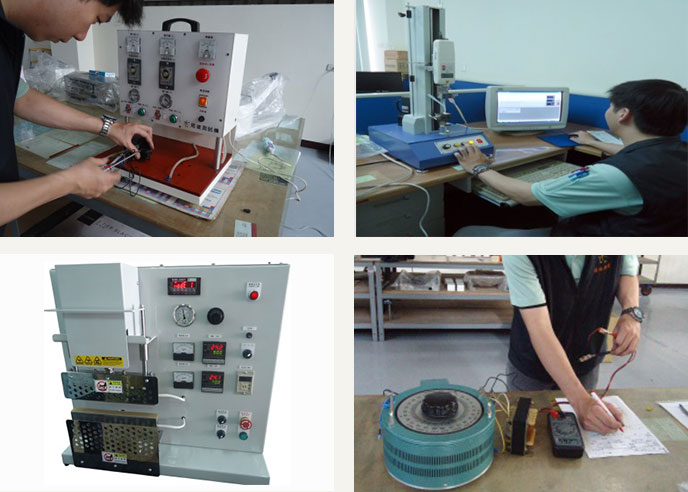
Strict quality control
- 100% product inspection: The inspection is included functions and appearance of sealing machines.
- Tensile strength test to ensure the sealing line tensile strength value reaches the customer standard.
- Electric leakage test: Puncture and insulation test.
- Our production and inspection are all based on ISO 9001.
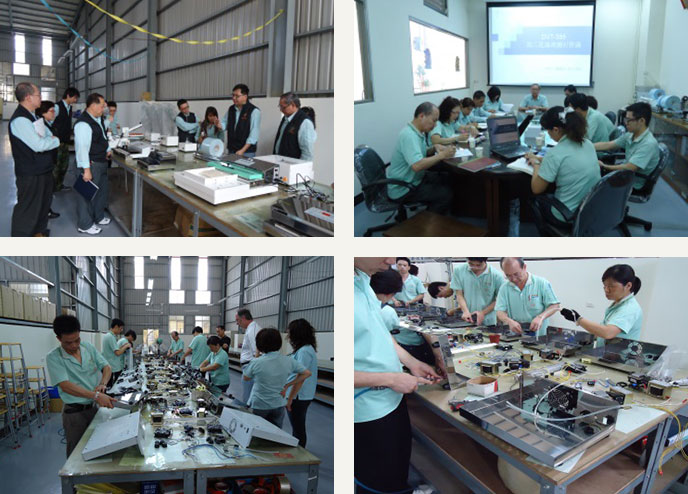
Professional packaging and sealing machine factory
- Produce many kinds sealing machines and ODM/OEM products and provide custom-made services.
- More than 30 year experiences in packaging machines industry.
- Sell sealing machines to America, Europe, Latin America and Asia.
- 85% products in stocks, so we can deliver the products quickly.
- The production process is based on SOP to ensure the quality of sealing machines consistently.
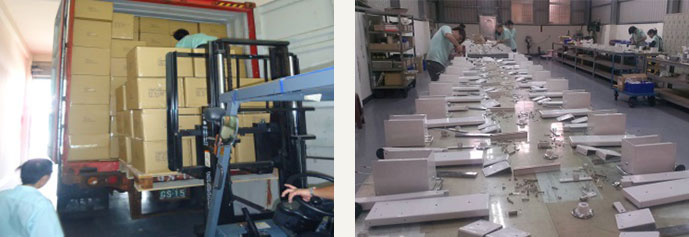
Complete range of specifications of sealing machines
- Complete range of specifications of sealing machines.
- Many kinds of sealing machines and consumptive materials in stocks, so customers can do one-stop shopping here.
- The customers include Biotechnology companies, Medical equipment companies, Food industry, Electronics industry, Handmade soap industry and other industry..
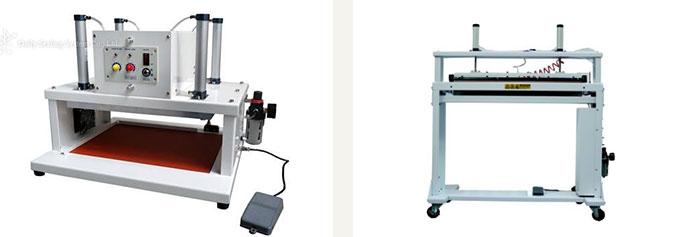
Custom-made sealing machine service
- Custom-made sealing machine service
- Designs of the special sealing machine for irregular shape sealing line, such as U-shape sealing line and L-shape sealing line.
- Different width of sealing line could be custom-made to meet customer requirements.
After-sales service of professional sealing machine
- Provide the professional service for repair the broken sealing machine immediately.
- The sufficient supply of parts stock, so don’t worry about the parts replace.
- Some parts of sealing machine are used in common specifications, so it is easy to get the parts for replace.
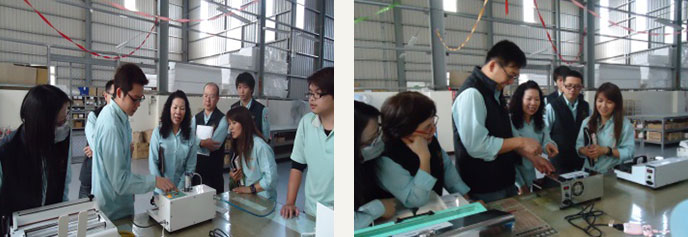
Exhibitions and trade shows







News
.png)
2026/5/12
How to Choose the Right Sealing Length and Sealing Width for a Sealing Machine
How to Choose the Right Sealing Length and Sealing Width for a Sealing Machine Many buyers focus on brand or price when selecting a sealing machine — and overlook the two most critical sealing machine specifications: sealing length and sealing width. Choosing
the wrong values means the machine may not seal your bags at all, or may produce weak seals that fail during storage or transit. This guide explains both specifications clearly, so you can select the right heat sealer for your packaging requirements. Quick
Answer: Sealing Length vs Sealing Width Sealing length determines whether the bag can be sealed — sealing length should be wider than the bag opening, or the seal will be incomplete Sealing width determines how strong the seal is — sealing width affects sealing
strength, and thicker materials and the heavier the contents require wider sealing width 1. What Is Sealing Length? Sealing length refers to the maximum distance the sealing machine can heat-seal in a single operation — essentially the effective length of
the heating element or sealing bar. This value must correspond to the width of your bag opening. How Sealing Length Relates to Bag Size Sealing length should be wider than the bag opening. If the sealing bar is shorter than the bag mouth, the edges will not
be heat-bonded, leaving gaps that allow air ingress and cause seal failure. As a general rule, allow 10–20mm of clearance beyond the bag opening width to account for slight misalignment or variation between bag batches. Common Sealing Length Options 200mm:
Small packaging — tea bags, snack pouches, pharmaceutical sachets 300mm: Most common mid-range size — food bags, coffee pouches, grain bags 400–450mm: Larger packaging — rice bags, feed bags, industrial parts pouches 600mm and above: Heavy-duty industrial
packaging 📌 Buying tip: Measure the widest bag opening you regularly use, then select a machine with a sealing length that exceeds it. If you work with multiple bag sizes, base your selection on the largest. 2. What Is Sealing Width? Sealing width — also
referred to as seal line width — is the width of the heat-bonded area after the seal is completed. A wider sealing width means a larger bonding surface, which directly translates to higher sealing strength. Common Sealing Width Options and Their Applications
Sealing WidthCharacteristicsTypical Use 2mm / 2.7mm Narrow seal line, clean appearance Thin PE bags, lightweight dry products 5mm Standard width, most common General food bags, vacuum bags, snacks, tea 10mm+ Heavy-duty, pressure-resistant sealing Aluminum
foil bags, thick materials, industrial packaging Thicker materials require wider sealing width. As bag thickness or product weight increases, a wider sealing line is necessary to ensure the heat penetrates fully through the material layers and creates a reliable
bond. A narrow seal on thick material may appear closed on the surface but fail under pressure. 3. Recommended Sealing Specifications for Different Products Different packaging materials require different sealing specifications. Here is a breakdown by common
packaging type: PE Bags Standard thin plastic pouches. Low sealing strength requirements. Sealing width of 2–5mm is sufficient. Compatible with an impulse sealer or foot sealer for most applications. Vacuum Channel Bags / Vacuum Sealer Bag After vacuum extraction,
internal pressure creates continuous stress on the seal. Sealing width of 5mm or 10mm is recommended to withstand the pressure differential over time. Must be paired with a compatible vacuum sealer. Liquid Packaging Liquid or high-moisture products can leave
residue at the bag mouth, weakening the seal. Sealing width of 5mm or 10mm is recommended. Ensure the bag opening is clean and dry before sealing to avoid seal contamination. Aluminum Foil Bags Laminated composite structure with a higher melting point. Sealing
width of 10mm or above is recommended, paired with an adjustable-temperature constant heat sealer to ensure sufficient heat penetration through the material layers. Thick or Heavy-Duty Packaging Bags for heavy products such as rice, feed, or industrial components.
Sealing width of 10mm or above is recommended. For high-volume operations, evaluate a continuous band sealer for consistent throughput. 4. What Happens If the Sealing Length Is Too Short? When the sealing bar is shorter than the bag opening width, the following
problems occur: Incomplete seal: The edges of the bag opening extend beyond the heating element and cannot be heat-bonded, leaving unsealed gaps Multiple sealing passes required: Operators must reposition the bag and seal in segments, significantly reducing
packaging efficiency Air leakage: Unsealed gaps allow air to re-enter, making vacuum packaging ineffective and shortening product shelf life Uneven seal appearance: Segmented sealing leaves visible overlap marks, reducing packaging presentation quality Higher
return risk: Incomplete seals are more likely to fail during shipping, leading to product contamination or damage claims 5. What Happens If the Sealing Width Is Too Narrow? A narrow sealing width may appear visually sealed but will underperform under real-world
conditions: Seal failure under pressure: During transit or stacking, the small bonding surface cannot withstand mechanical stress and splits open Weak sealing strength: Particularly critical for vacuum-packed products where internal pressure continuously stresses
the seal line Shorter shelf life: Micro-gaps in a narrow seal allow slow air and moisture ingress, degrading product quality over time Poor performance on thick materials: Aluminum foil and laminated bags require larger bonding surface area to achieve full-depth
fusion — a narrow seal line may only bond the outer layer Customer returns and complaints: Packaging failures caused by insufficient sealing strength are a common source of product complaints in food and industrial sectors 6. Recommended Sealing Specifications
by Application Use the table below as a reference when evaluating heat sealer specifications for your packaging operation: ApplicationRecommended Sealing LengthRecommended Sealing WidthMachine Direction Tea, snacks, small food pouches 200–300mm 2 / 2.7mm–5mm
Impulse sealer, foot sealer Coffee bags, grain, general food packaging 300–400mm 5mm Impulse sealer, foot sealer Vacuum channel bags (meat, seafood) Based on bag opening 5mm or 10mm Vacuum sealer Liquid and sauce packaging Based on bag opening 5mm or 10mm
Chamber vacuum sealer Aluminum foil bags, laminated pouches Based on bag opening 10mm+ Constant heat sealer (adjustable temp.) Large-format / high-volume production 450mm+ Based on material thickness Continuous band sealer 7. Measure Your Bag First — Then
Match the Specifications Sealing length and sealing width are the two most directly impactful sealing machine specifications — and the most commonly overlooked during procurement. Sealing Length → Can It Seal? Sealing length should be wider than the bag opening.
Measure your largest bag mouth width before purchasing, and add 10–20mm clearance. Sealing Width → How Strong Is the Seal? Sealing width affects sealing strength. Thicker materials require wider sealing width to ensure full-depth bonding that holds under pressure,
transit, and long-term storage. Before placing an order, confirm these three things: Measure your bag opening width — select sealing length accordingly (largest bag size as baseline) Identify your bag material and thickness — determines the required sealing
width and heating method Estimate your daily output volume — determines whether an impulse sealer, foot sealer, or continuous band sealer best fits your operation Dailysealing: Sealing Machine Specifications Tailored to Your Packaging Requirements Dailysealing
is a professional sealing machine and vacuum sealer manufacturer with an in-house production facility and extensive experience in industrial packaging machinery. We offer a wide range of sealing lengths and sealing widths across our product line, with OEM
and ODM support available. If you are unsure which heat sealer specifications fit your bag size, material, and production volume, our team can evaluate your requirements and recommend the most suitable sealing machine configuration. Frequently Asked Questions
Q1: Is a longer sealing length always better? Not necessarily. Sealing length should match your bag opening size. An oversized sealing bar increases equipment cost and workspace footprint without operational benefit. Select a sealing length that exceeds your
largest bag opening by 10–20mm — no more than needed. Q2: Does wider sealing width always mean stronger sealing? Generally yes, but sealing width must be paired with the correct temperature and dwell time settings. A wider seal line increases the bonding surface
area and typically produces a stronger seal. However, if the temperature is insufficient, even a wide seal line may only bond the surface layer without fully fusing the material underneath. Q3: Do vacuum bags require wider sealing width? Yes. After vacuum
extraction, the pressure differential between the inside and outside of the bag applies continuous stress to the seal line. A sealing width of 5mm or 10mm is recommended for vacuum channel bags to ensure the seal holds throughout storage and handling. Q4:
How do I determine the correct sealing machine size for my bags? Confirm three things: your bag opening width (determines minimum sealing length), your bag material and thickness (determines required sealing width and heating method), and whether vacuum sealing
is needed. With these three data points, you can accurately identify the right sealing machine specifications for your application. Q5: What happens if the sealing width is too narrow? A sealing width that is too narrow results in insufficient sealing strength.
The seal may appear closed visually but will fail under pressure, transit stress, or long-term storage. For thicker materials such as aluminum foil or laminated bags, a narrow seal line may only bond the outer surface while the inner layers remain unfused
— leading to seal failure and product exposure. Not Sure Which Sealing Machine Specifications Are Right for You? Share your bag dimensions, material type, and daily output volume. Dailysealing will help you identify the correct sealing length, sealing width,
and machine configuration for your packaging operation. View All Sealing Machine Series Contact Us // //
MORE
.jpg)
2026/7/13
Why Is My Sealing Machine Not Sealing Properly? Common Causes and How to Fix Them
Heat Sealer Not Sealing Properly? 5 Common Causes and How to Fix Them Sealing machines are straightforward to operate — but seal quality problems are more common than most users expect. Wrinkled seal lines, seals that open under light pressure, burnt or
discolored seal lines, and vacuum-sealed bags that lose vacuum quickly are all issues that packaging operators regularly encounter. In most cases, the problem is not a machine failure — it is caused by incorrect temperature settings, incompatible bag material,
worn consumables, contamination at the bag opening, or operator technique. This guide covers the five most common causes of poor seal quality, a practical diagnostic table, and a maintenance checklist to help you identify and resolve the issue quickly. Quick
Answer: Why Is My Heat Sealer Not Sealing? Most heat sealer problems are caused by one of these five issues: Incorrect sealing temperature — too high or too low, both cause seal failure Wrong bag material — incompatible material leads to weak seals or burnt
bags Worn heating wire — degraded wire causes uneven or incomplete sealing Damaged Teflon tape — worn tape produces wrinkled, uneven seal lines Contamination at the bag opening — oil, moisture, or powder prevents proper heat bonding Most issues can be resolved
without replacing the machine. Start by checking consumables and temperature settings before contacting a technician. 1. Incorrect Sealing Temperature Sealing temperature is the most direct factor affecting seal quality. Based on Daily Sealing System's practical
experience in sealing machine manufacturing and after-sales technical support since 2010, incorrect temperature settings are the single most common cause of poor seal quality. Different bag materials and thicknesses require significantly different sealing
temperatures — and what works for one material can burn or fail to bond another. Symptoms: Temperature Too Low Seal line appears closed but opens under light pressure Seal area looks hazy or incompletely fused Vacuum-sealed bags lose vacuum quickly after sealing
Thicker bag materials seal inconsistently or fail entirely Symptoms: Temperature Too High Seal line is burnt, discolored, or blackened Bag material melts through or distorts at the seal area Seal line edges are uneven or charred Thin PE or OPP bags are particularly
susceptible Recommended fixes: Start from the mid-point of the manufacturer's recommended temperature range and adjust incrementally When switching to a new bag material, always re-test and recalibrate the temperature setting Thicker bag materials generally
require higher sealing temperatures During extended high-volume runs, machine temperature may gradually rise — monitor and adjust as needed 2. Incompatible Bag Material Not all sealing machines are compatible with all bag materials. Based on Daily Sealing
System's after-sales service experience across food processing, agricultural packaging, and industrial clients, bag material mismatch is one of the most frequently overlooked causes of seal quality problems. Different materials have different melting points
and bonding characteristics. Bag MaterialCommon ProblemRecommended EquipmentTypical Application Thin PE bags Burns easily if temperature is too high Impulse sealer Snacks, tea, dry food Aluminum foil / laminated pouches Insufficient bond if temperature is
too low Adjustable-temperature constant heat sealer Coffee, pharmaceuticals, industrial parts Vacuum channel bags Cannot achieve vacuum; seal leaks quickly Vacuum sealer Meat, seafood, fresh produce Medical sterilization pouches Seal does not meet medical
packaging standards Medical pouch sealer Medical devices, surgical instruments 3. Worn Heating Wire or Teflon Tape The heating wire and Teflon tape (PTFE heat-resistant tape) are the primary consumable components of a sealing machine. Daily Sealing System's
after-sales technical team consistently finds that a large proportion of seal quality complaints can be resolved simply by replacing worn consumables — without any need for machine repair. Both components degrade naturally with use and directly affect sealing
performance. Signs: Heating Wire Needs Replacing Uneven seal line width along the sealing bar Visible gaps or unheated sections within the seal line Non-uniform heating — partial sections seal, others do not Heating wire appears visibly discolored, brittle,
or broken Signs: Teflon Tape Needs Replacing Bag material sticks to the machine during sealing Irregular pressure marks on the seal line surface Visible holes, tears, or burnt areas on the tape surface Overall seal line appearance quality has declined When
to Replace When seal quality drops without a clear cause When heating wire shows visible discoloration or brittleness When Teflon tape shows visible wear, holes, or burn marks As part of scheduled routine maintenance checks 4. Contamination at the Bag Opening
The sealing area must be completely clean for heat bonding to work effectively. Oil, moisture, powder, or food residue at the bag opening creates a barrier between the two layers of bag material — preventing proper fusion and causing seal failure or leakage.
This is one of the most common operational causes of poor seal quality in food processing environments. Common contamination sources and recommended actions: Oil or sauce residue: Avoid contaminating the bag opening during filling. If residue is present, wipe
the opening clean with a dry cloth before sealing Moisture or high-water-content products: Ensure the bag opening is dry before sealing. For liquid products, a chamber vacuum sealer allows flat-position operation, minimizing liquid migration to the seal area
Powder residue (coffee, flour, spices): Confirm the bag opening is free of powder before sealing — even a small amount of contamination will prevent a reliable seal Overfilled bags: Leave adequate clearance above the fill level to ensure a clean area for sealing
5. Incorrect Operator Technique Even with the correct machine, bag material, and temperature setting, poor operator technique can still produce inconsistent seal results. This is particularly relevant for impulse sealers and foot sealers, where manual handling
directly affects the final seal quality. Common operator issues and recommended corrections: Bag opening not pulled flat before sealing: Wrinkles in the bag opening are the most common cause of an uneven seal line — always flatten the bag opening before applying
the seal Insufficient dwell time: On impulse sealers, releasing the pressure bar before the material has fully fused produces a weak seal — maintain pressure for the full recommended dwell time Misaligned bag opening: If the bag opening is not centered on
the sealing bar, part of the opening may not be sealed, leaving an unsealed gap High-frequency continuous operation: Impulse sealers require a brief cooling interval between seals — operating too rapidly can cause inconsistent results 6. Seal Problem Diagnostic
Table Based on Daily Sealing System's after-sales technical service experience, the following table covers the most common seal quality symptoms, their likely causes, recommended corrective actions, and whether the fix can be handled in-house: SymptomMost
Likely CauseRecommended ActionDIY Fix? Seal opens under light pressure Temperature too low or dwell time too short Increase temperature; extend dwell time ✅ Yes Seal line burnt or discolored Temperature too high Reduce temperature; confirm bag material compatibility
✅ Yes Wrinkled or uneven seal line Bag opening not flattened; Teflon tape worn Flatten bag before sealing; replace Teflon tape ✅ Yes Seal leaks (non-vacuum bag) Contamination or insufficient seal strength Clean bag opening; increase temperature or seal width
✅ Yes Vacuum bag loses vacuum quickly Incompatible bag material or seal width too narrow Confirm bag type; evaluate wider seal width machine ⚠️ Partial Uneven seal line width or gaps Heating wire worn or damaged Inspect and replace heating wire ✅ Yes Bag material
sticks to machine Teflon tape worn or temperature too high Replace Teflon tape; reduce temperature ✅ Yes Seal position offset or skewed Bag not centered on sealing bar Adjust handling; center bag on sealing bar ✅ Yes Problem persists after consumable replacement
Temperature control or internal component failure Contact manufacturer technical support ❌ Contact manufacturer 7. Sealing Machine Maintenance Checklist Consistent preventive maintenance significantly reduces the frequency of seal quality problems. Use this
checklist to establish a routine maintenance schedule for your sealing equipment: 🗓 Daily ☐ Clean sealing area — remove powder, oil, and debris ☐ Visually inspect Teflon tape for surface damage ☐ Confirm heating wire appearance (no visible discoloration)
☐ Run a test seal before starting production 📅 Weekly ☐ Inspect heating wire for uneven width or gaps ☐ Check Teflon tape for holes or burn marks ☐ Check all screws and fasteners for looseness ☐ Verify temperature settings against production requirements
🔧 Monthly ☐ Replace worn Teflon tape proactively ☐ Inspect power cable for visible wear ☐ Deep clean the full sealing area ☐ Review seal quality logs for any declining trend 📋 Quarterly ☐ Full equipment inspection ☐ Replace heating wire if showing any deterioration
☐ Test temperature calibration accuracy ☐ Contact manufacturer if performance has declined progressively 8. When to Contact a Technical Specialist The following situations warrant contacting your sealing machine manufacturer or a qualified technician. Avoid
disassembling the machine internally without professional guidance, as improper handling may cause additional damage or void the warranty. Contact a Technician When: Seal quality has not improved after replacing consumables Machine produces unusual sounds
or odors during operation Temperature control display is malfunctioning or unresponsive Heating wire replaced but heating remains uneven Machine is aging and overall performance has declined progressively Information to Prepare Before Contacting Machine model
number and purchase date Bag material type and thickness Current temperature setting Specific description of the seal quality symptom Frequency of the issue and when it first occurred Related Products If your current sealing machine is consistently underperforming
despite troubleshooting, it may be time to evaluate whether a different machine type better fits your bag material or production volume. Impulse Sealer PE bags, OPP bags, light packaging View Series Continuous Band Sealer High-volume production line sealing
View Series Vacuum Sealer Meat, seafood, food preservation View Series Medical Pouch Sealer Sterilization pouches, medical packaging View Series The following questions are compiled from Daily Sealing System's after-sales technical service experience across
food processing, agricultural packaging, electronics manufacturing, and industrial packaging clients since 2010. Frequently Asked Questions Q1: Why is my heat sealer not sealing properly? Poor seal quality is most commonly caused by one of five issues: incorrect
sealing temperature, incompatible bag material, worn heating wire or Teflon tape, contamination at the bag opening, or incorrect operator technique. Start by checking these five factors systematically — most seal quality problems can be resolved without professional
repair. Q2: Why does my seal line look wrinkled or uneven? A wrinkled or uneven seal line is most commonly caused by the bag opening not being pulled flat before sealing, or by Teflon tape that has worn and degraded. First, try flattening the bag opening completely
before applying the seal. If the issue persists, inspect the Teflon tape for visible wear or damage and replace it if necessary. Q3: Why is my seal line burnt or turning black? A burnt or blackened seal line indicates that the sealing temperature is set too
high, or that the bag material is not compatible with the machine. Reduce the temperature immediately and confirm the bag material is appropriate for the machine type. Aluminum foil bags and standard PE bags require very different sealing temperatures. Q4:
Why does my vacuum-sealed bag lose vacuum quickly after sealing? Vacuum bags that lose vacuum quickly typically indicate one of four issues: incompatible bag material (not using a vacuum channel or flat vacuum bag), insufficient seal width, contamination at
the bag opening, or a degraded heating wire producing an incomplete seal. Work through these four causes systematically before contacting a technician. Q5: How often does the heating wire need to be replaced? Heating wire has no fixed replacement interval
— it depends on usage frequency and bag material. Machines used for high-volume daily production or sealing thicker materials such as aluminum foil bags will wear through heating wire more quickly. When seal lines become uneven, develop gaps, or the wire shows
visible discoloration or brittleness, replace it promptly. Q6: Can poor seal quality damage product shelf life? Yes. A weak or incomplete seal allows moisture, oxygen, and environmental contamination to enter the package — directly reducing product shelf life
and increasing the risk of spoilage, flavor degradation, or contamination. For food products, even a small gap in the seal line can significantly shorten the period during which the product remains safe and market-ready. Maintaining consistent seal quality
is a direct food safety and product quality issue, not only a packaging efficiency concern. 📖 Further Reading Related articles on sealing machine selection, specifications, and performance: → How to Choose the Right Sealing Machine Based on Product Type →
How to Choose the Right Sealing Length and Sealing Width → Vacuum Sealer vs. Continuous Band Sealer: Which Should You Choose? → What Industries Use Vacuum Sealers? Applications and Buying Guide → When Should You Use a Continuous Band Sealer? About This Article
This article was prepared by the Daily Sealing System technical team. It is intended as a practical troubleshooting guide for packaging engineers, purchasing teams, food manufacturers, and industrial packaging users. Daily Sealing System Co., Ltd. is a Taiwan-based
sealing machine manufacturer with an in-house production facility. Our product range includes vacuum sealers, external vacuum sealers, chamber vacuum sealers, continuous band sealers, foot sealers, impulse sealers, medical pouch sealers, and customized sealing
equipment. The company holds ISO 9001:2015 certification. Certain products and related materials carry CE, FDA, EU No.10/2011, and BPA Free certifications. Patents are registered in Taiwan, the United States, Europe, Germany, Japan, and China. Content in this
article is based on Daily Sealing System's practical manufacturing experience and after-sales technical service since 2010, and is intended to support equipment troubleshooting and purchasing decisions by B2B buyers and packaging operations teams. Need Help
Identifying the Cause? Our technical team can help you determine whether your seal quality issue is related to: ✓ Machine settings and temperature calibration ✓ Bag material compatibility ✓ Consumable parts condition ✓ Equipment selection for your application
View All Sealing Machine Series Contact Our Technical Team // //
MORE
2024/5/15
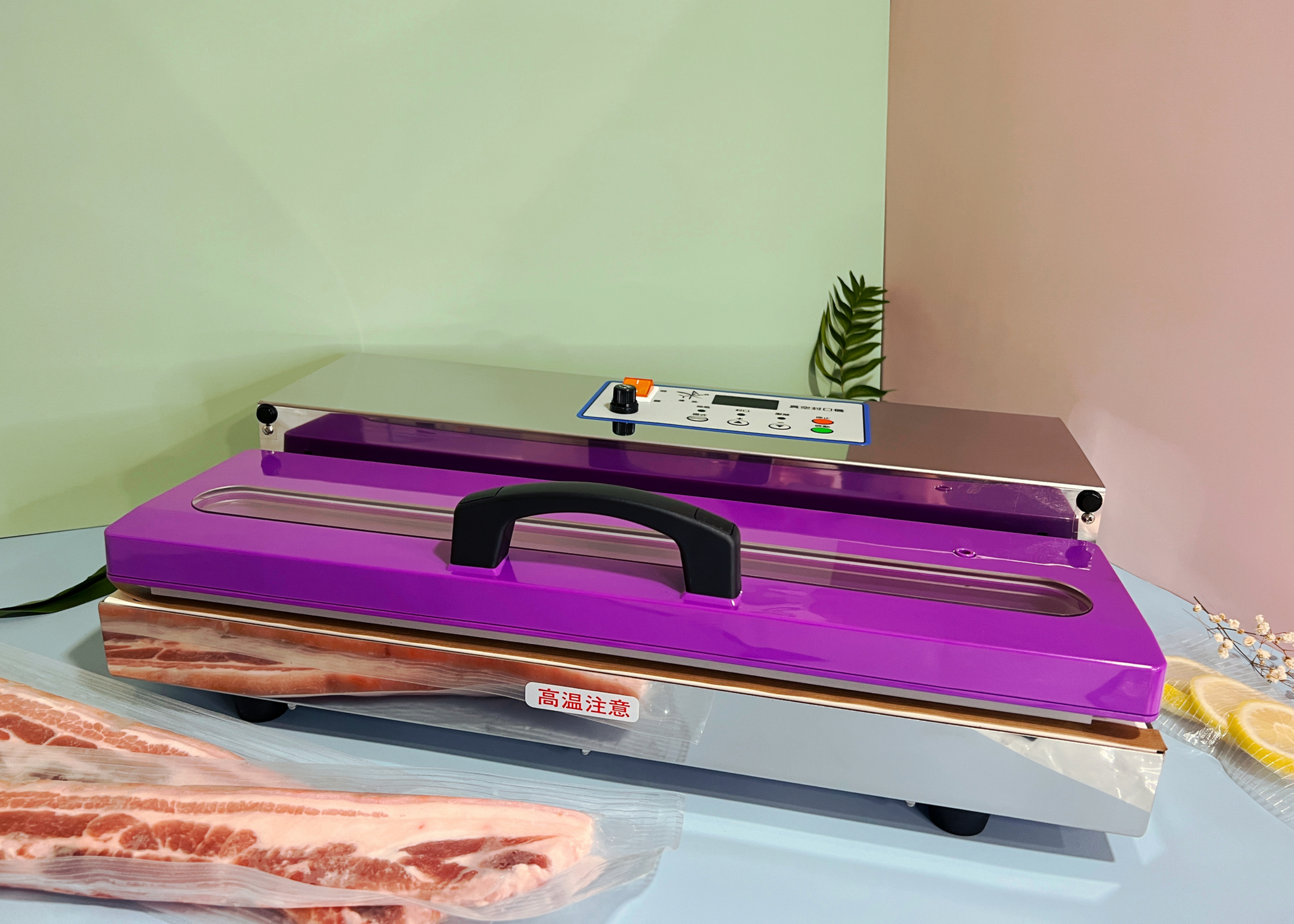
How to Use a Vacuum Sealer?
A vacuum sealer is a device widely used in food preservation, electronic product packaging, and other scenarios requiring the removal of air from the packaging. It effectively extends the shelf life of food, reduces microbial growth in the air, and maintains
product freshness. Below, we'll explain step-by-step how to use a vacuum sealer, helping you master this skill with ease. How to Use a Vacuum Sealer 1: Preparation First, ensure your vacuum sealer is properly installed and connected to a power source. Choose
a vacuum sealing bag that fits the item you need to package. Different items may require bags of different sizes or materials. How to Use a Vacuum Sealer 2: Place the Item Place the item you want to seal evenly inside the vacuum bag. Make sure not to exceed
the bag's maximum capacity and leave enough space at the opening of the bag so the vacuum sealer machine can seal it effectively. How to Use a Vacuum Sealer 3: Vacuum and Seal Open the lid of the vacuum sealer and place the opening part of the vacuum bag
smoothly on the machine's sealing area. Depending on the model, you may need to manually or automatically close the lid. Select the vacuum and sealing settings suitable for your item (if the machine offers multiple settings), then start the vacuum machine.
The vacuum machine will automatically remove the air from the bag and seal it. How to Use a Vacuum Sealer 4: Finishing Once the sealing is complete, the vacuum machine will signal or automatically open the lid. At this point, you can remove the now-sealed
bag. Your item is now successfully packaged using a vacuum sealer and ready for storage or transport. How to Use a Vacuum Sealer Tips - Before using the vacuum sealer, check if the bag is damaged or has holes to ensure effective sealing. - For foods with
high moisture content, consider pre-freezing them to prevent moisture from being drawn out during the vacuum process, which could affect the sealing quality. - Regularly clean and inspect your vacuum sealer to ensure its long-term effective operation. How
to Use a Vacuum Sealer?
MORE