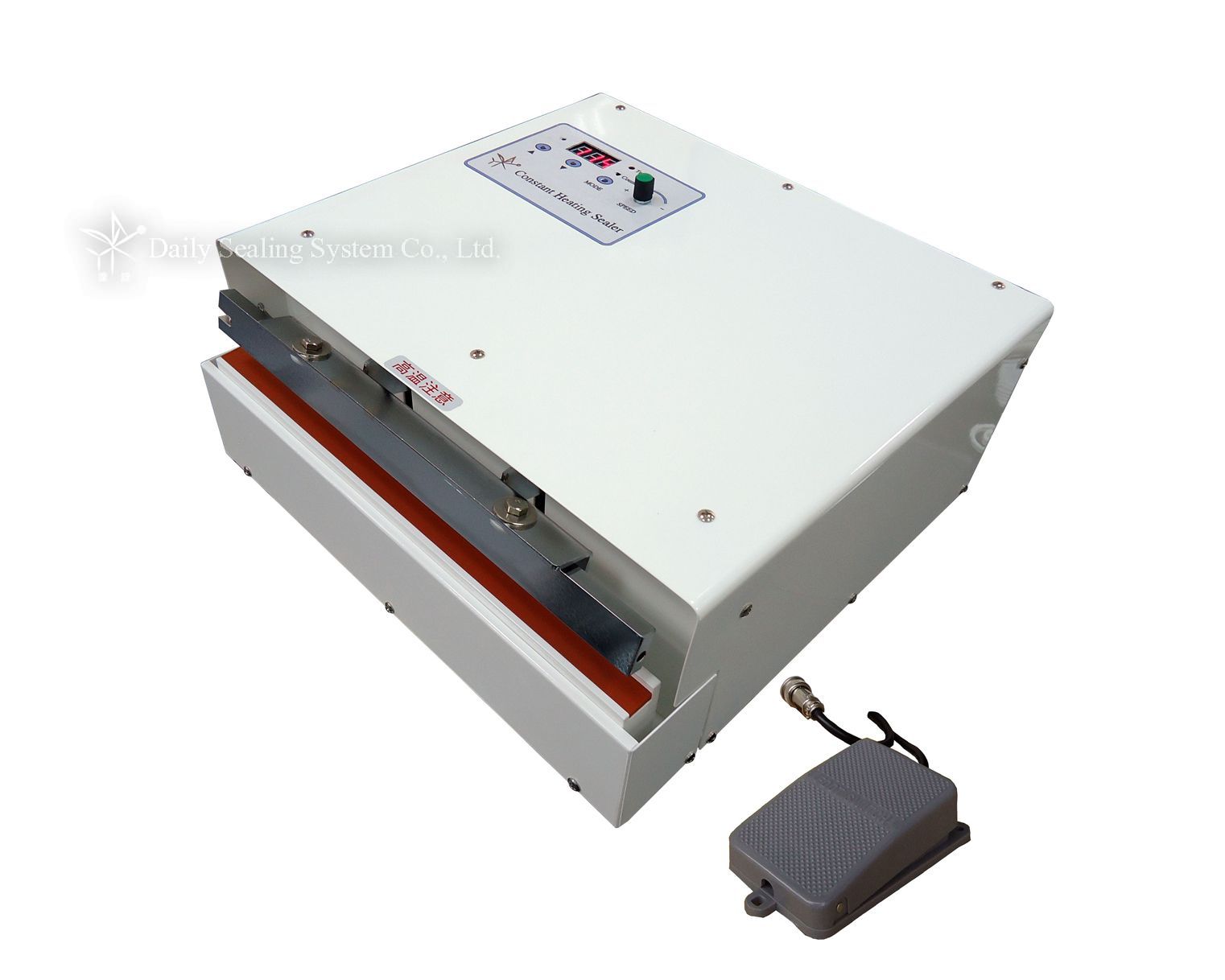
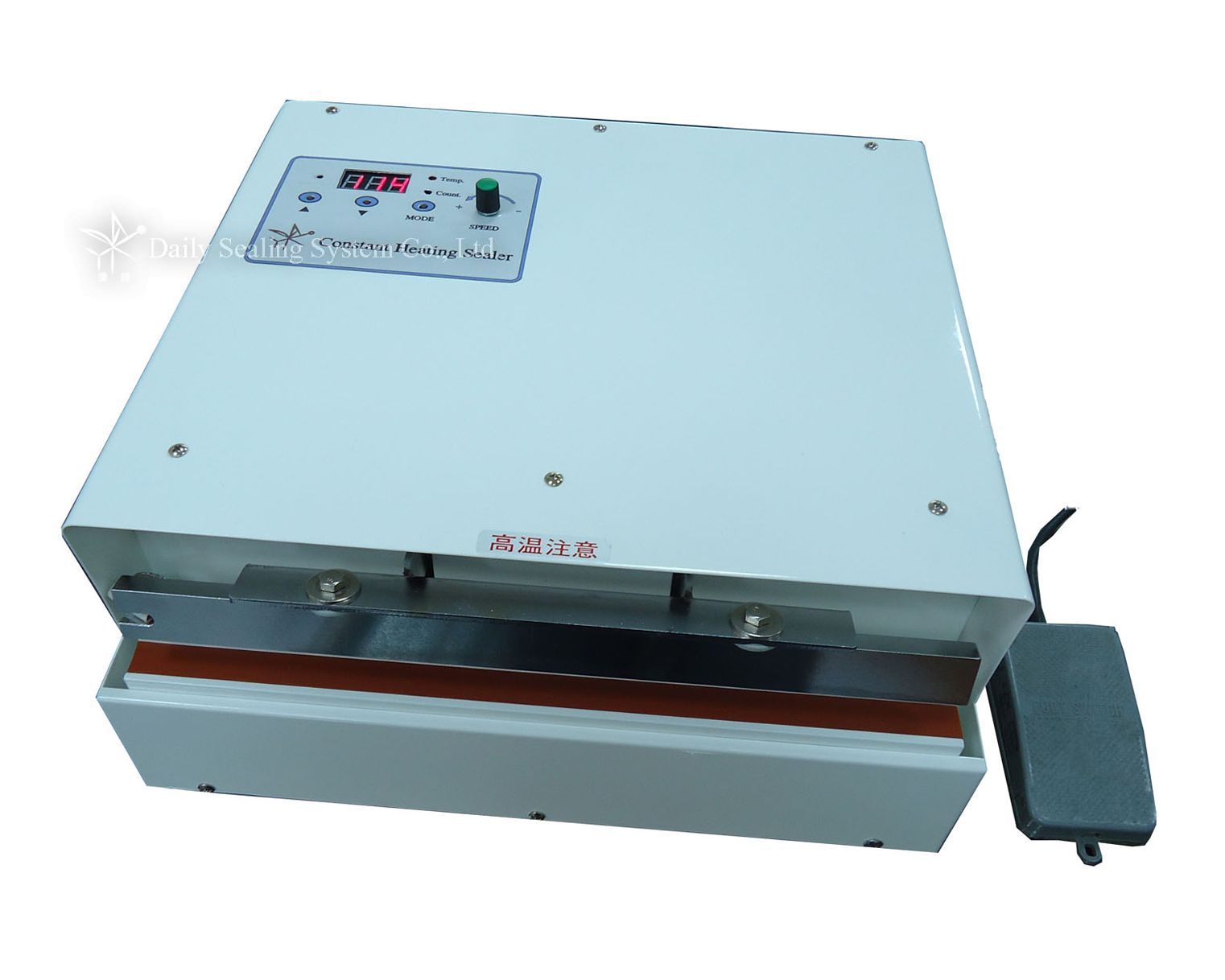
• Machine: made of metal plate coating, keeps hygiene and safety.
• Heating line: offering mesh or straight-line texture.
• Temperature control: Thermostatic control, as per package material and degree of thickness to adjust increasing temperature for good sealing quality steadily.
• Including the counting device, which can count the finished seals automatically and pre-set the desirous sealing times (0-999) for the same.
• Motor control: fixing sealing pressure, gives consistent and trim result every time.
• This machine is mini size which can save space and move easily.
• Available for: aluminum, tinfoil, KOP, antiseptic bag, vacuum nylon bag
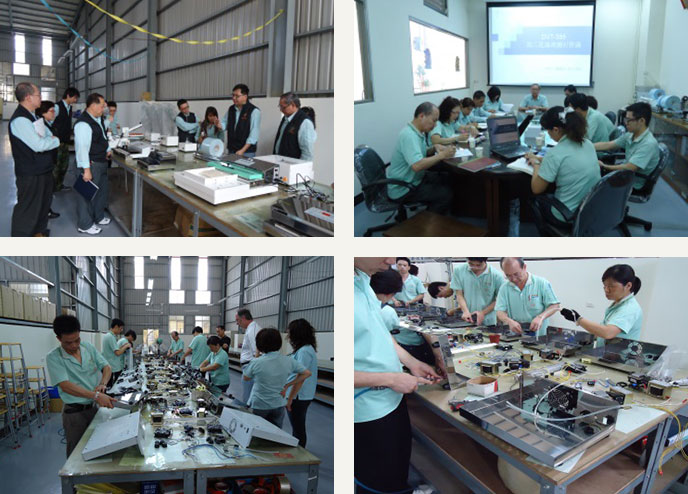
Motor, Transformers, PCB and vacuum bags are made in Taiwan.
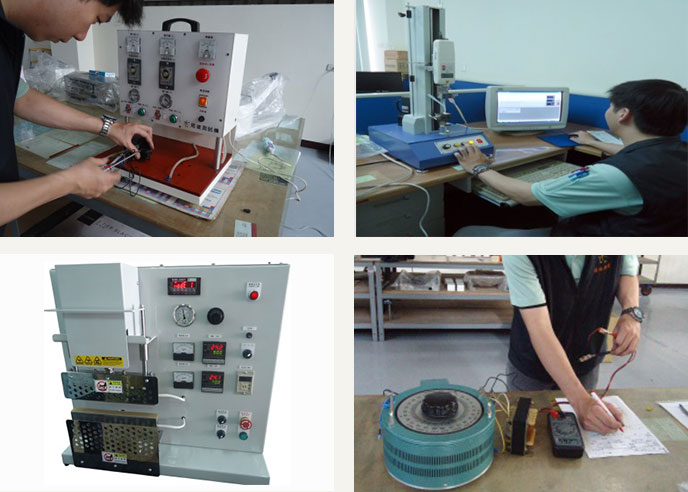
Strict quality control
100% product inspection: The inspection is included functions and
appearance of sealing machines.
Tensile strength test to ensure the sealing line tensile strength
value reaches the customer standard.
Electric leakage test: Puncture and insulation test.
Our production and inspection are all based on ISO 9001.
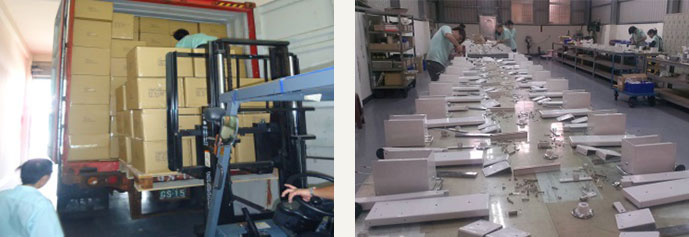
Professional packaging and sealing machine factory
Produce many kinds sealing machines and ODM/OEM products and provide
custom-made services.
More than 30 year experiences in packaging machines industry.
Sell sealing machines to America, Europe, Latin America and Asia.
85% products in stocks, so we can deliver the products quickly.
The production process is based on SOP to ensure the quality of
sealing machines consistently.
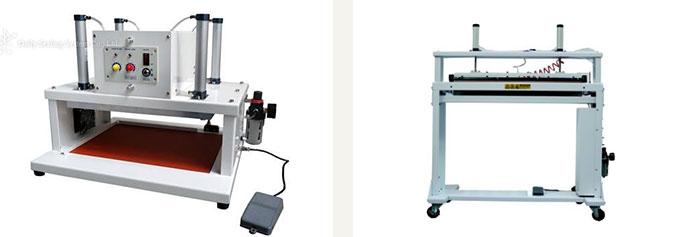
Complete range of specifications of sealing machines
Complete range of specifications of sealing machines.
Many kinds of sealing machines and consumptive materials in stocks,
so customers can do one-stop shopping here.
The customers include Biotechnology companies, Medical equipment
companies, Food industry, Electronics industry, Handmade soap
industry and other industry..
Custom-made sealing machine service
Custom-made sealing machine service
Designs of the special sealing machine for irregular shape sealing
line, such as U-shape sealing line and L-shape sealing line.
Different width of sealing line could be custom-made to meet
customer requirements.
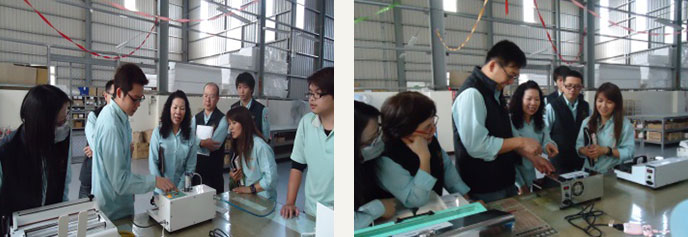
After-sales service of professional sealing machine
Provide the professional service for repair the broken sealing
machine immediately.
The sufficient supply of parts stock, so don’t worry about the parts
replace.
Some parts of sealing machine are used in common specifications, so
it is easy to get the parts for replace.
Choosing the Right Bag for Vacuum Packaging: PE Bags vs. Vacuum Bags Explained When it comes to vacuum packaging, one common dilemma often arises: Should you opt for PE bags or vacuum bags? This question is prevalent among many, especially those new to
the realm of vacuum sealing. The choice between PE bags and vacuum bags is not just about the cost but also about the effectiveness of the vacuum seal in various applications. Understanding the Need for Vacuum Packaging The purpose behind vacuum packaging
can vary significantly. Whether it's extending the freshness of food, protecting items from rust and dust, saving space, or merely maintaining a temporary vacuum effect, the choice of bag plays a crucial role. Here, we delve into the characteristics of PE
bags versus vacuum bags to help you make an informed decision. PE Bags for Vacuum Packaging: Pros and Cons PE bags, commonly seen in the market, are known for their accessibility and affordability. However, their ability to block air is not as effective as
specialized vacuum bags. During the vacuum process, air may continue to seep into PE bags, preventing the formation of a true vacuum state. Despite this, thicker PE bags can maintain a vacuum effect for a short period. High-density PE (HDPE) bags can achieve
a vacuum state post-sealing, but the duration of this effect is uncertain. If a long-term vacuum isn't your priority, PE bags might be worth considering, though testing their effectiveness for your specific needs is recommended. Vacuum Bags: The Optimal Choice
for Long-Term Vacuum Sealing For those seeking a durable vacuum state, vacuum bags are the superior choice. Materials such as nylon (NY) and aluminum foil are particularly effective. PET bags offer another viable option, each material presenting distinct advantages
depending on the items being packaged and specific user requirements. Selecting a Vacuum Sealer and Vacuum Bags: Guidance and Recommendations Concerned about which bags are compatible with your vacuum sealer? Wondering which material best suits your needs
or whether the vacuum effect will be satisfactory? Daily Sealing is here to assist. We offer expert advice on choosing the right vacuum sealer and vacuum bags tailored to your requirements, ensuring your vacuum packaging process is as efficient and effective
as possible. Conclusion Choosing the right bag for vacuum packaging involves considering the specific needs of your packaging requirements. While PE bags may suffice for short-term or less critical applications, vacuum bags offer a more robust solution for
long-term freshness and protection. For personalized advice and solutions that cater to your vacuum packaging needs, turn to the experts at Daily Sealing. g Choosing the Right Bag for Vacuum Packaging: PE Bags vs. Vacuum Bags Explained
What is Impulse Sealer Heating Element? A Heating Element is a key component in impulse sealers, which are devices used to seal plastic bags and other thermoplastic materials. Here are the main points about this element: Function: The heating element
generates heat when an electrical current passes through it, which melts the thermoplastic material to create a seal. Material: The heating elements are typically made from a nichrome wire (an alloy of nickel and chromium) because of its high resistance
to electricity and ability to withstand high temperatures without breaking down. Operation: In impulse sealers, the heat is only generated when the sealer is in operation (i.e., when the handle is pressed down), which means the wire is only heated for short
periods. This helps prevent the wire from overheating and extends its lifespan. Replacement: Over time, the heating element can wear out due to repeated heating and cooling cycles. It may need to be replaced to maintain the sealer's effectiveness. Installation:
Replacing the heating element typically involves removing the old one, cleaning the sealing bar, and then carefully installing the new one to ensure it is taut and properly positioned. This component is crucial for the proper functioning of impulse sealers,
widely used in packaging industries to ensure seals.
Do Different Packaging Materials Require Different Sealing Temperatures? Heat Sealing Temperature Guide When switching from one packaging material to another, many production teams continue using the same heat sealer settings. This often results in weak
seals, burnt seal lines, pouch deformation, leakage, or inconsistent seal quality. Based on Daily Sealing System's practical experience in sealing machine manufacturing and after-sales technical support since 2010, different packaging materials, sealant layers
and material thicknesses require different heat sealing conditions. Selecting the correct sealing temperature is therefore one of the first steps toward achieving reliable and repeatable seal quality in a B2B packaging operation. A setting that is too low
may result in insufficient bonding, while excessive heat can distort the pouch and accelerate wear on sealing-machine consumables. Quick Answer: Key Principles for Heat Sealing Temperature Settings Different packaging materials require different heat sealing
conditions. Material structure and sealant-layer composition are as important as total pouch thickness. Always re-test sealing settings when changing pouch material, supplier, structure or thickness. A temperature that is too low may cause weak or incomplete
seals. Excessive temperature may burn, distort or melt the packaging material and accelerate consumable wear. For production validation, start from the machine or material supplier's recommended range and adjust incrementally using sample pouches. Temperature
is only one variable — dwell time, pressure, sealing width and conveyor speed can also affect final seal quality. 1. Why Do Different Packaging Materials Require Different Sealing Temperatures? A heat sealer applies thermal energy to the sealant layer of a
pouch or bag. The two inner surfaces soften and bond under controlled heat and pressure, then form a seal as the material cools. Different pouch structures use different sealant materials, thicknesses and laminated layers. This means that the same machine
setting may produce a strong seal on one material but an incomplete or burnt seal on another. When Sealing Temperature Is Too Low Sealant layers do not fully bond Seal line appears closed but opens under light pressure Vacuum bags may lose vacuum after sealing
Thicker laminated pouches may seal inconsistently Parts of the seal line may remain unfused When Sealing Temperature Is Too High Seal line becomes burnt or discolored Pouch material melts through at the sealing area Seal edges become wrinkled or distorted
Thin PE or heat-sealable OPP structures are particularly sensitive Heating elements and PTFE tape may wear faster 2. Reference Heat Sealing Temperature Ranges by Packaging Material The following ranges are intended as starting references for process testing,
not universal production specifications. Actual settings can vary depending on pouch supplier, sealant-layer composition, total material thickness, machine design, sealing pressure, dwell time and production speed. For procurement and production teams, the
safest approach is to confirm the material specification with the pouch supplier and then perform a sample sealing test on the actual machine before mass production. Packaging MaterialStarting Temperature Reference*Typical ApplicationsPurchasing / Production
Notes Thin PE Bags Approx. 120–160°C Snacks, dry products, general lightweight packaging Relatively heat-sensitive. Start conservatively and verify actual material specifications before production. Heat-Sealable OPP / OPP Laminates Approx. 120–160°C Stationery,
lightweight goods, food and retail packaging Confirm that the structure includes a heat-sealable layer. Pure OPP film structures may require different converting or sealing conditions. NY/PE Laminated Vacuum Bags Approx. 170–200°C Meat, seafood, agricultural
products, vacuum packaging Settings depend strongly on laminate thickness, sealant layer and vacuum-sealer design. Confirm seal width and machine compatibility. PET/PE Laminated Pouches Approx. 170–200°C Food packaging, industrial components, general laminated
packaging The PET outer layer provides heat resistance while the inner PE-based sealant layer forms the bond. Process settings must deliver sufficient heat to the sealant layer without damaging the laminate. Aluminum Foil / Foil-Laminated Pouches Approx. 180–220°C
Coffee, tea, pharmaceutical packaging, moisture-sensitive industrial products Thicker foil laminates commonly require an adjustable-temperature constant heat sealer. Confirm pouch structure, sealant layer and equipment compatibility before purchase. Thick
Multi-Layer Laminated Pouches May require 200°C or above depending on structure Heavy industrial products, agricultural bulk packaging, specialty packaging Do not increase temperature alone. Dwell time, sealing pressure, sealing width and heating method should
be evaluated together. Important: The temperature ranges above are starting references only. Packaging films with the same generic material name can use different resin grades, sealant layers and laminate structures. Whenever the pouch material, supplier,
thickness or structure changes, run a new sealing test before starting production. 3. How to Determine the Correct Heat Sealing Temperature There is no single sealing temperature that works for every material and every heat sealer. For B2B production, the
correct approach is to establish a controlled test procedure and document the validated setting for each packaging material. 01 Identify the Material Confirm pouch structure, sealant layer and thickness — for example PE, NY/PE, PET/PE or foil laminate. 02
Set a Starting Point Use the machine manufacturer's or packaging-material supplier's recommended range as the starting point. 03 Run Sample Seals Use production-equivalent sample pouches and inspect seal appearance, continuity and initial seal strength. 04
Adjust Incrementally Increase heat gradually if the seal is weak. Reduce the setting if the pouch burns, distorts or melts. 05 Document the Setting Record pouch supplier, material structure, thickness, machine model, temperature and other relevant process
settings. 4. How Can You Verify Whether the Seal Is Strong Enough? Temperature setting alone does not confirm seal quality. After establishing an initial setting, the production team should verify the actual seal according to the packaging requirements and
internal quality-control criteria. Practical Seal Quality Checks: Visual Inspection: The seal line should be continuous and even, without burn marks, excessive wrinkles, holes or obvious unfused sections. Manual Pull Check: Apply even force to both sides of
the sealed area. A properly bonded seal should not peel open easily under normal handling conditions. Vacuum Hold Observation: For vacuum packaging, monitor the package over a defined internal QC period to check for loss of vacuum, leakage or package rebound.
A 24-hour observation may be used as an internal screening step, but it is not a universal industry standard. Production QC Testing: For applications with defined seal-integrity requirements, consider peel-strength, leak, burst or vacuum-decay testing according
to your internal quality specification. Cross-Section Review: For troubleshooting, inspect the seal area for uniform fusion and signs of delamination. 5. Six Common Heat Sealing Temperature Mistakes 1. Changing Pouch Material Without Re-Testing Even materials
with the same generic name can use different resin grades, thicknesses and sealant layers. Re-test whenever the pouch supplier or specification changes. 2. Assuming Higher Temperature Means a Stronger Seal Excessive heat can damage the pouch, distort the seal
area and accelerate wear on heating elements and PTFE tape. 3. Ignoring Heat Build-Up During High-Volume Production During extended production runs, equipment temperature and process conditions may change. Periodically inspect seal quality instead of assuming
the first validated setting remains optimal throughout the shift. 4. Looking Only at Material Thickness Thickness matters, but laminate structure, sealant layer, dwell time, sealing pressure and heating method can be equally important. 5. Sealing Through Oil,
Moisture or Powder Contamination at the bag opening can prevent proper bonding even when the temperature setting is correct. Keep the sealing area clean and dry before sealing. 6. Using the Wrong Heating Method for Thick Foil Laminates Some thick multi-layer
foil pouches require stable, adjustable heat that a standard impulse sealer may not provide. Confirm the pouch sealant structure and machine capability, and evaluate an adjustable-temperature constant heat sealer when required. 6. How Sealing Settings Differ
by Machine Type Not every sealing machine controls heat in the same way. For purchasing teams, understanding the difference between time-controlled impulse sealing and temperature-controlled constant heat sealing is especially important. Sealing Machine TypePrimary
Setting MethodB2B Purchasing / Production Notes Hand Impulse Sealer Sealing time / heating-time control rather than direct temperature setting Commonly used for PE and other compatible plastic bags. Material compatibility should be confirmed before purchasing.
Foot Impulse Sealer Heating-time control Suitable for repetitive manual packaging where hands-free operation improves workflow. High-frequency use requires monitoring of seal consistency. Constant Heat Sealer Direct adjustable temperature control Often preferred
for foil laminates, vacuum nylon bags and other thicker or multi-layer packaging materials requiring stable continuous heat. Continuous Band Sealer Temperature setting + conveyor speed Designed for higher-volume production. Temperature and line speed must
be optimized together to maintain consistent heat input. Vacuum Sealer Sealing time or temperature depending on machine design Vacuum extraction and sealing are separate process stages. Confirm bag type, sealing method, seal width and production requirements
before equipment selection. 7. Continuous Band Sealer: Why Temperature and Conveyor Speed Must Be Adjusted Together For a continuous band sealer, seal quality is determined by the combined effect of temperature, conveyor speed and material characteristics.
Higher conveyor speed → shorter exposure time in the heating zone → process settings may need adjustment to maintain sufficient heat input. Lower conveyor speed → longer heat exposure → excessive temperature may distort or burn the pouch. Whenever pouch structure,
thickness or conveyor speed changes, re-test the sealing conditions. Use sample material before a full production run and confirm that the seal line is continuous, undamaged and sufficiently strong for the intended application. B2B Buyer Checklist: Information
to Prepare Before Selecting a Heat Sealer Packaging material structure: PE, OPP laminate, NY/PE, PET/PE, foil laminate, etc. Total pouch thickness and sealant-layer specification Bag opening width and required sealing length Required sealing width or number
of seal lines Product type: dry, oily, powder, liquid, food, industrial component or medical product Daily production volume and required cycle speed Current sealing temperature, time or conveyor-speed settings Required seal-integrity or internal QC criteria
Available power supply and production-line configuration Daily Sealing System Can Help Evaluate the Right Sealing Conditions for Your Packaging Material Daily Sealing System Co., Ltd. is a Taiwan-based sealing machine manufacturer with an in-house production
facility. Our product range includes impulse sealers, constant heat sealers, foot sealers, continuous band sealers, vacuum sealers, medical pouch sealers and customized sealing equipment. For a new packaging project, buyers can provide the machine model, pouch
structure, material thickness, bag dimensions, product type and daily output requirement so our technical team can help evaluate the appropriate sealing-machine configuration and starting process settings. The following questions are based on common sealing-temperature
and packaging-material inquiries handled by Daily Sealing System's technical and after-sales service team across food processing, agricultural packaging, electronics manufacturing and industrial packaging applications. Frequently Asked Questions Q1: Do different
packaging materials require different sealing temperatures? Yes. Different packaging films use different sealant layers, resin structures and thicknesses, so the same temperature setting may produce a weak seal on one material and burn another. Whenever the
material, supplier, laminate structure or thickness changes, the sealing conditions should be re-tested before production. Q2: Does a higher sealing temperature always produce a stronger seal? No. The goal is to apply enough thermal energy to create a reliable
bond without damaging the pouch. Excessive heat can distort the seal area, melt through the bag, weaken the laminate structure and accelerate wear on sealing-machine consumables. Q3: What type of sealer is recommended for aluminum foil or laminated foil pouches?
Thick multi-layer foil laminates often require stable, adjustable heat so that sufficient thermal energy reaches the inner sealant layer. An adjustable-temperature constant heat sealer is commonly evaluated for these applications. However, machine selection
should be based on the actual pouch structure, thickness, sealing width and production requirements rather than material name alone. Q4: How should I adjust the temperature of a continuous band sealer? Continuous band sealing depends on both temperature and
conveyor speed. Increasing line speed reduces the time the pouch remains in the heating zone, while slower speed increases heat exposure. Whenever the material or production speed changes, test both parameters together and confirm seal quality before full
production. Q5: How do I know whether my heat sealing temperature is correct? Start with a visual inspection: the seal line should be continuous and free from burns, holes and obvious unfused sections. Then perform an appropriate strength or leak check for
the packaging application. For vacuum packaging, monitor whether the package maintains vacuum over your defined QC observation period. Once the process is validated, record the material specification, machine model and sealing settings for repeat production.
Further Reading Related technical guides for sealing-machine buyers, production managers and packaging engineers: → Heat Sealer Not Sealing Properly? 5 Common Causes & Fixes → Sealing Machine Maintenance Guide: How Often Should You Service Your Equipment?
→ How to Choose the Right Sealing Length and Sealing Width → Sealing Machine Buying Guide: How to Choose the Right Sealer → When Should You Use a Continuous Band Sealer? About This Article This article was prepared by the Daily Sealing System technical team
for purchasing teams, packaging engineers, production managers and industrial packaging users. Daily Sealing System Co., Ltd. is a Taiwan-based sealing machine manufacturer with an in-house production facility. Our product portfolio includes vacuum sealers,
external vacuum sealers, chamber vacuum sealers, impulse sealers, constant heat sealers, foot sealers, continuous band sealers, medical pouch sealers and customized sealing equipment. The company holds ISO 9001:2015 certification. Certain products and related
packaging materials carry CE, FDA, EU No.10/2011 and BPA Free certifications. Patents are registered in Taiwan, the United States, Europe, Germany, Japan and China. The content in this guide is based on Daily Sealing System's practical manufacturing experience,
packaging-material testing and after-sales technical support since 2010. The temperature ranges provided are starting references only; actual production settings should always be validated using the specific pouch material and machine configuration. Need Help
Matching Your Packaging Material to the Right Heat Sealer? Send us your pouch material, thickness, bag size, product type, required daily output and current sealing-machine model. Our technical team can help you evaluate the appropriate sealing-machine configuration
and starting process settings for your packaging application. View All Sealing Machines Contact Our Technical Team // //
We use cookies to provide a better experience. By proceeding, you agree to our PRIVACY POLICY, including the use of cookies and other tracking technologies.ACCEPT
(30).jpg)









.jpg)